Turning Ideas into Reality: High-Voltage Batteries in Series Production
missing translation: fa.article-intro.reading-time – 09/29/2025
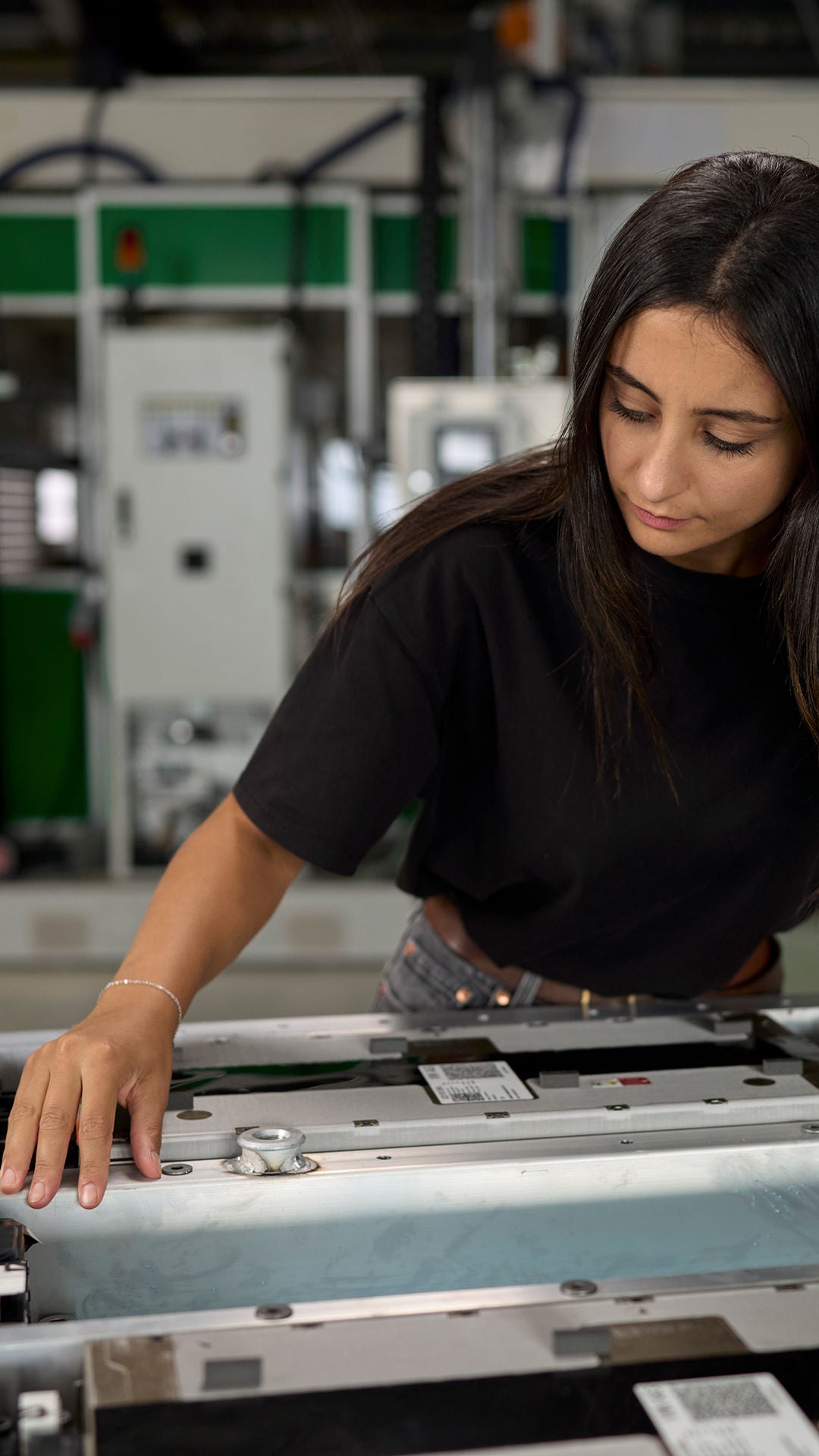
What do you do as a Product Engineer for high-voltage batteries?
Aylin: I evaluate a high-voltage battery with one question in mind: Can it be manufactured, and how can it be produced 1,000 times a day with consistent quality? The goal is to align customer needs with production requirements for the high-voltage battery. It’s crucial to bring the battery into series production as resource-efficiently as possible.
I’m passionate about finding the best solutions for both the product and its production. At Audi, I can pursue this passion by working on innovative, self-designed solutions that ensure manufacturability.
“At Audi, we develop our high-voltage batteries from concept to series production – expertise is built in-house.
Aylin Reyhan
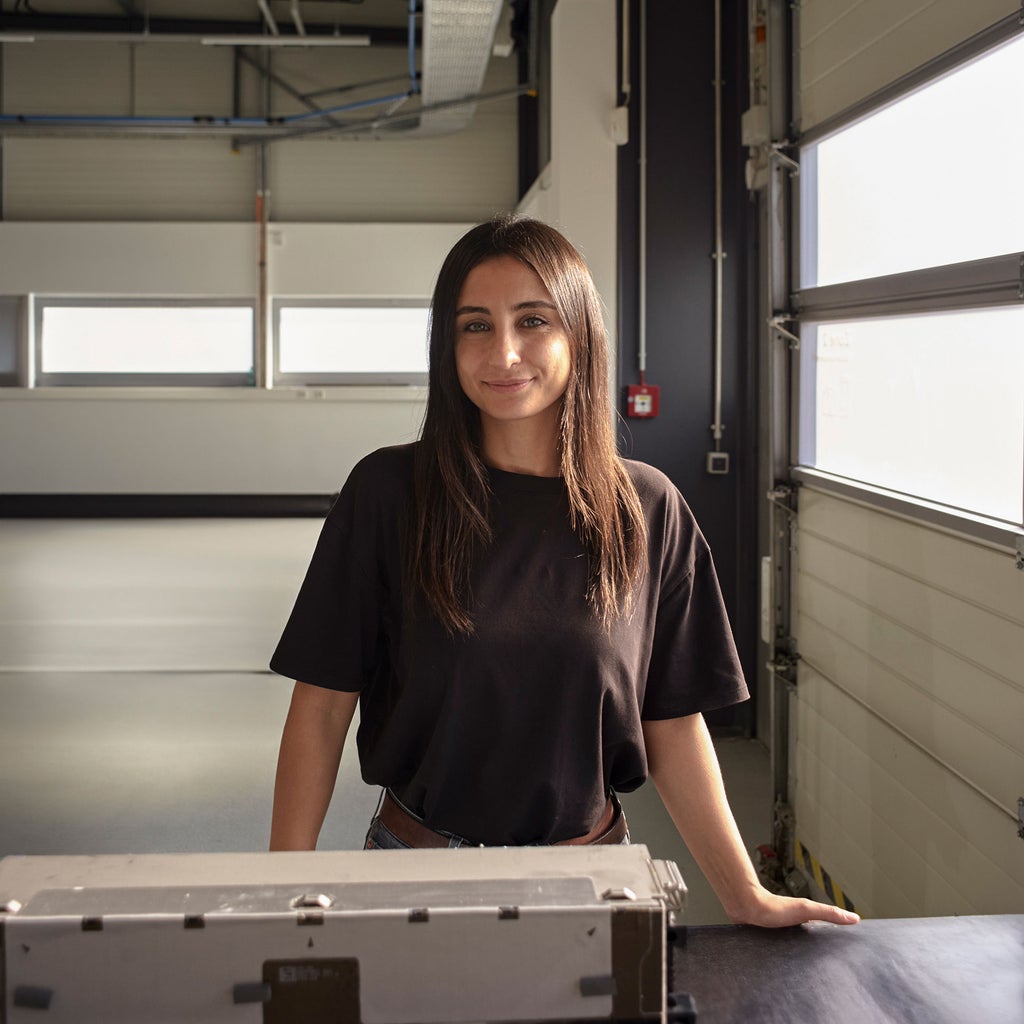
Solutions developed at the Battery Technical Center later become part of series production.
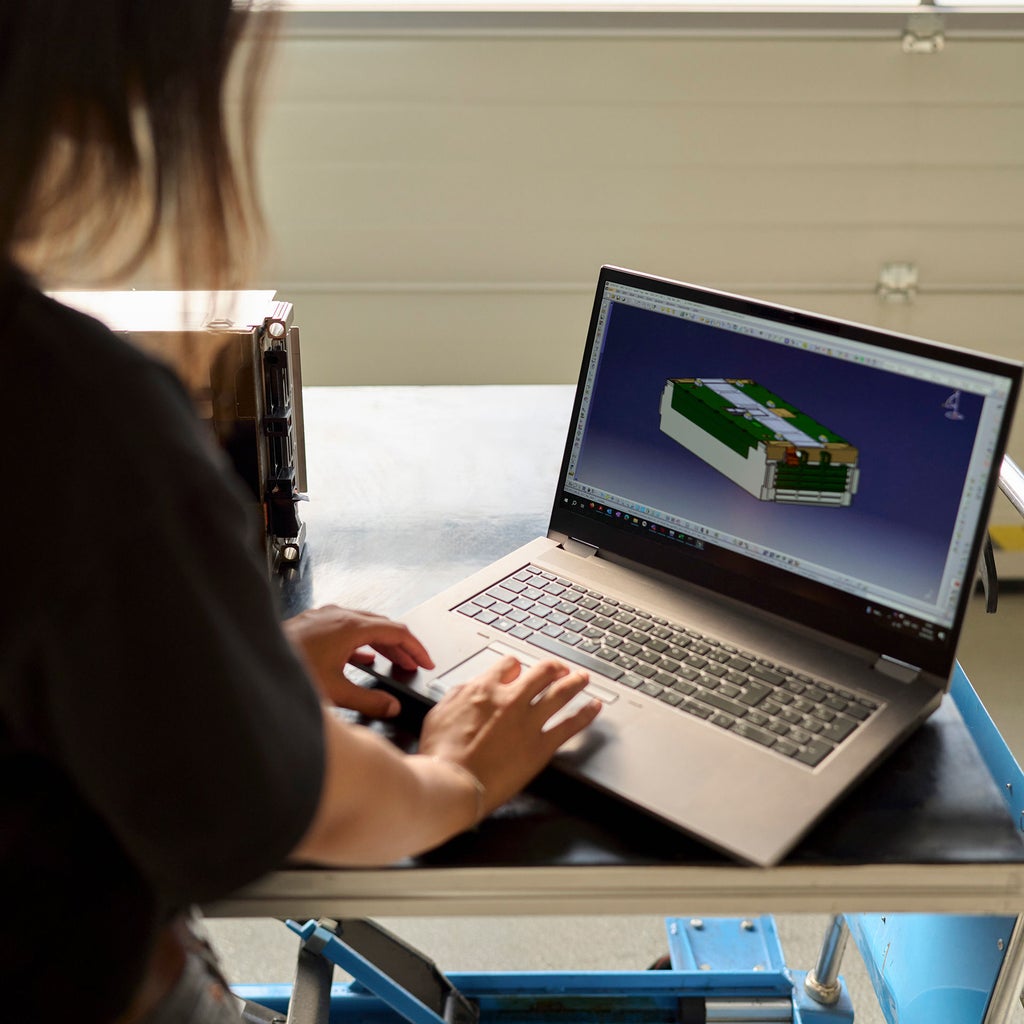
New battery prototypes are researched, built, and tested in a collaborative team environment.
Solutions developed at the Battery Technical Center later become part of series production.
New battery prototypes are researched, built, and tested in a collaborative team environment.
How does your team work on battery prototypes, and how do innovations emerge?
Aylin: Both the Production Planning and Battery Development teams work closely together. We test and experiment at the Battery Technical Center. We research, test, and build new battery prototypes, which allows us to channel our technical enthusiasm and often arrive at solutions that later become part of series production.
Finding solutions playfully sounds exciting!
Aylin: Absolutely! The high-voltage battery field offers significant creative freedom. A lot of innovative power is needed because we’re designing something entirely new. Every team member and every idea count. Our team’s expertise enables us to handle many processes in-house, achieving a high level of manufacturing depth.
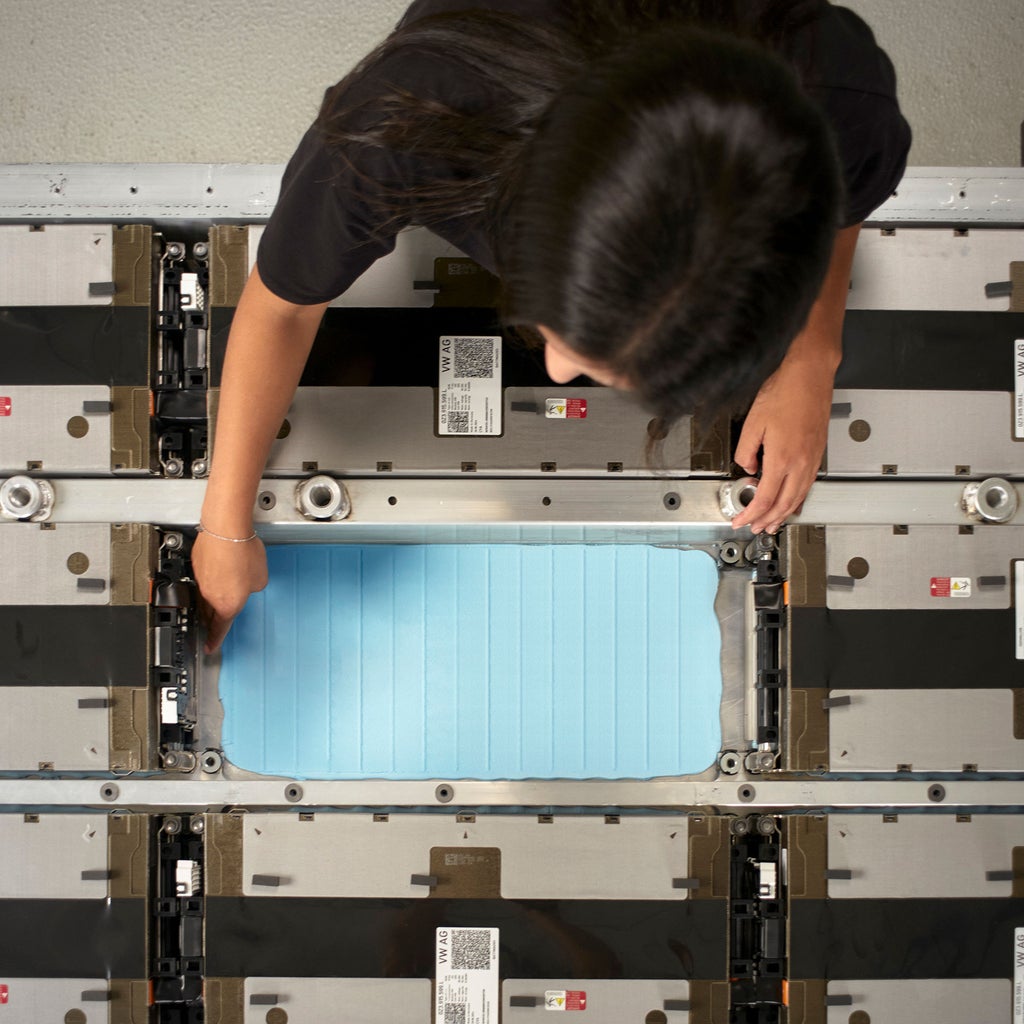
How can the gap filler be optimally applied? Teams in manufacturing planning research this, along with its material bonding, in high-voltage battery components.
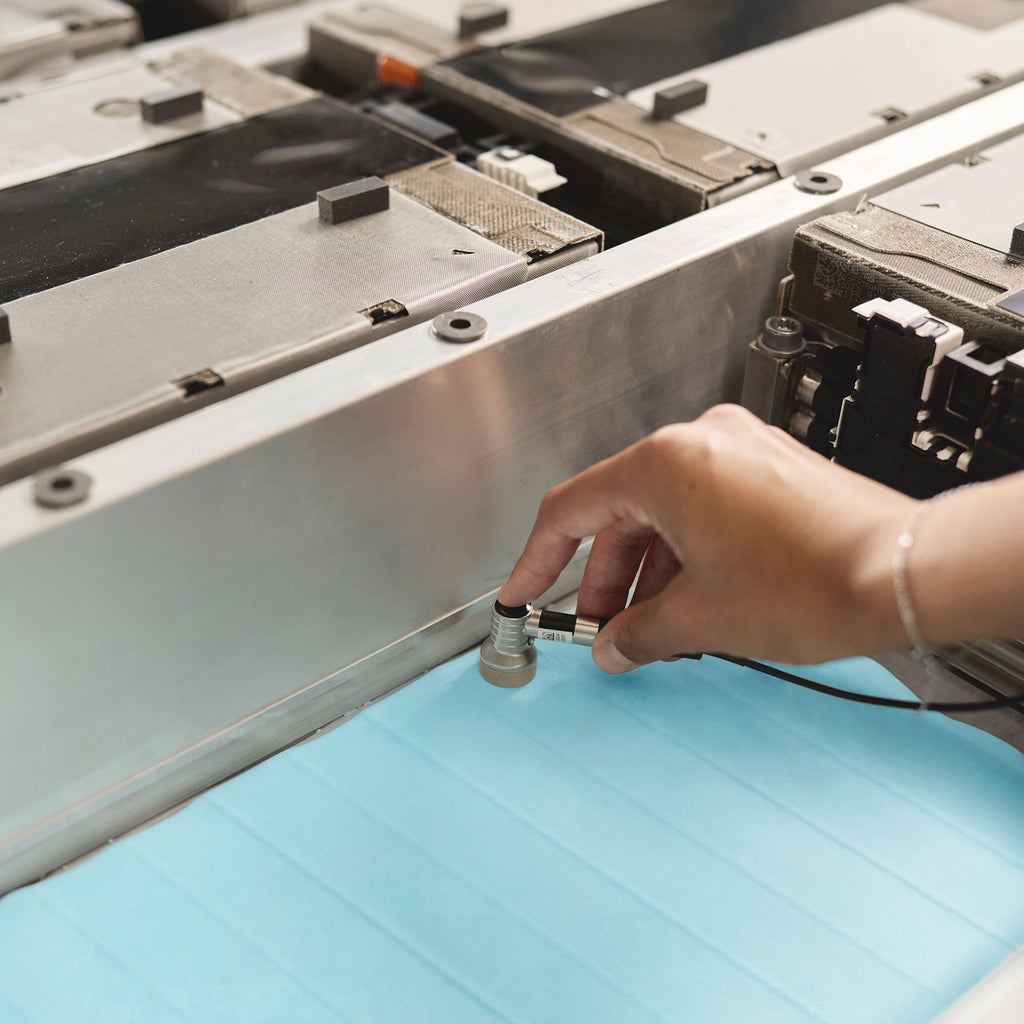
Aylin tests the material thickness of the gap filler, which needs to be applied as thinly as possible.
How can the gap filler be optimally applied? Teams in manufacturing planning research this, along with its material bonding, in high-voltage battery components.
Aylin tests the material thickness of the gap filler, which needs to be applied as thinly as possible.
How do you stay up-to-date in such a rapidly evolving technological field?
Aylin: It’s a highly dynamic environment, and the high-voltage battery is a complex product. This requires us to remain very flexible. We rely on frequent discussions, close coordination, and tests to develop solutions. It’s from these that ideas emerge, ultimately driving our progress and giving us our edge.
Audi uses various manufacturing technologies – what does that entail?
Aylin: There’s a lot of innovation and expertise in our manufacturing technologies. For instance, the module assembly process involves compressing thermal interface materials. One such material, the gap filler, is applied between the battery module and the cooling system. It facilitates heat transfer and ensures optimal cooling, which, among other things, affects the charging performance of the entire high-voltage battery.
Before a battery enters series production, we build prototypes at the Battery Technical Center. These prototypes help us refine the application of the gap filler and its bonding to the components. Factors like application patterns, material thickness, component tolerances, and mechanical influences all play a role. The goal is to achieve thorough coverage with minimal application thickness.
What makes your job special?
Aylin: The close connection to the product – the high-voltage battery. I witness every step of the process from the beginning and am directly involved in developing innovations. This firsthand involvement is essential to ensure the battery’s manufacturability – reproducibly, time and again. It’s a responsibility I take seriously and enjoy. This combination makes my work incredibly exciting.
“I experience every step of innovation firsthand – that’s what makes my work exciting and meaningful.
Aylin Reyhan
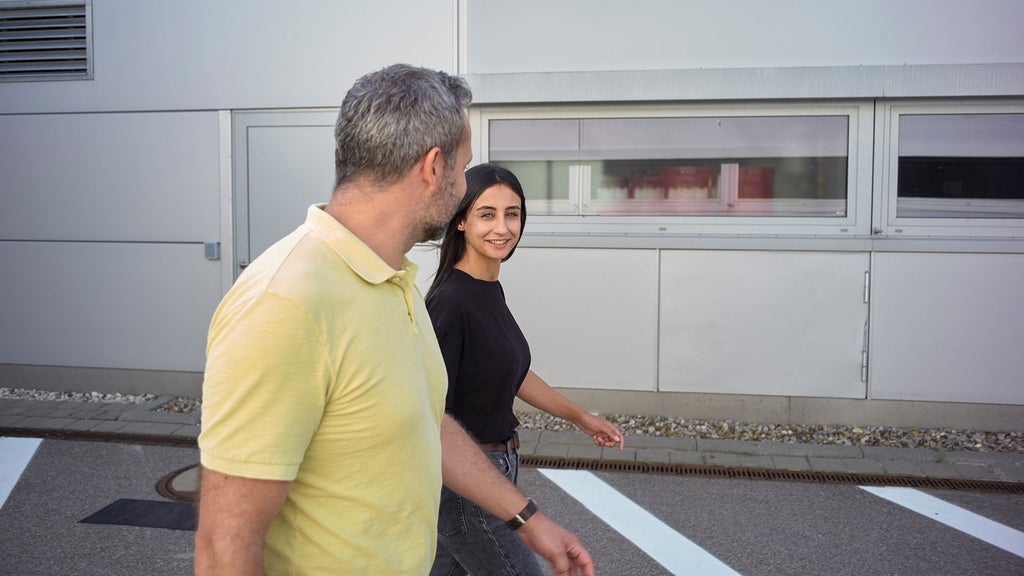
The team always finds solutions, even for a complex product like the high-voltage battery.
The team always finds solutions, even for a complex product like the high-voltage battery.