With virtual methods towards the future – learn more about robust design and AI at Audi
missing translation: fa.article-intro.reading-time – 03/23/2026
You work in the department of Robust Design Components/Software Robustness. What does that mean exactly?
Meike: Robust Design means that mechatronic components or systems are already designed and tested for robustness during the development process – taking into account various factors such as market requirements, climate and environmental conditions or customer behavior. The goal is to design products so that they are inherently robust and offer high availability throughout their entire life cycle.
In the department of Software Robustness, the focus is on identifying risks in software development projects at an early stage and ensuring the maturity required for the respective milestones.
To do this, we analyze key areas such as software architecture, requirements engineering, implementation, CI/CD processes and verification. In this way, potential weaknesses can be identified early on at component level and enables us to work together with project stakeholders to develop suitable solutions.
“Virtual Robust Design enables us to improve efficiency, boost flexibility, and reduce resource demand in our development processes.
Meike Gallant, Robust Design Components / Software Robustness
What responsibilities do you have in your area?
Meike: One key topic that I am driving forward in our department is what we call Virtual Robust Design. The idea is to move away from traditional, physical testing methods – such as the climate chamber tests – and instead rely on virtual simulations. The goal is to make validation processes more efficient, more flexible and more resource-friendly.
However, Virtual Robust Design is only one aspect. Another crucial point is the use of artificial intelligence (AI) – not in the products themselves, but as a tool to support our work.
A concrete example: When testing a high-voltage battery, test reports often cover more than 1,300 pages. Currently, we divide these reports among colleagues so that we can read and evaluate them completely. I see great potential for AI here. Instead of reading everything manually, AI could analyze and filter the reports in advance – and at the end present us with only the relevant 20 pages containing irregularities or deviations. This way, we as experts could evaluate them with a specific focus and reach approval faster.
But for this to work, AI must, of course, be adapted to our requirements. It has to be reliable, transparent and suitable for integrating into our existing processes. But I’m convinced that such applications will become standard in our work in the future.
That sounds very exciting. Are further areas of application planned?
Meike: Yes, there is a lot happening right now. One concrete example is virtual service life testing – for instance, how solder joints behave during a temperature cycle endurance test. Such tests currently run between 1000 and 2500 hours and we are working on replicating the process virtually. The goal is not necessarily to completely replace the tests, but perhaps in the future we will only need one physical test cycle instead of two. Or we could generate virtual test results even before the physical prototypes are built. That would already make a big difference.
Of course, it also takes time to set up such a simulation, but the effort is worth it. And this is not a topic exclusive to Audi – other manufacturers and suppliers are also looking into it. It’s more about how virtual methods can meaningfully complement classic validation. This shows that we are thinking in the right direction.
What drives you in your job? What motivates you? Where do you draw your motivation from?
Meike: It drives me when we make decisions, follow these through and implement them consistently and ultimately deliver reliable products to the road for our customers. And it makes me happy each time I see a new Audi model on the road shortly after its market introduction. That motivates me.
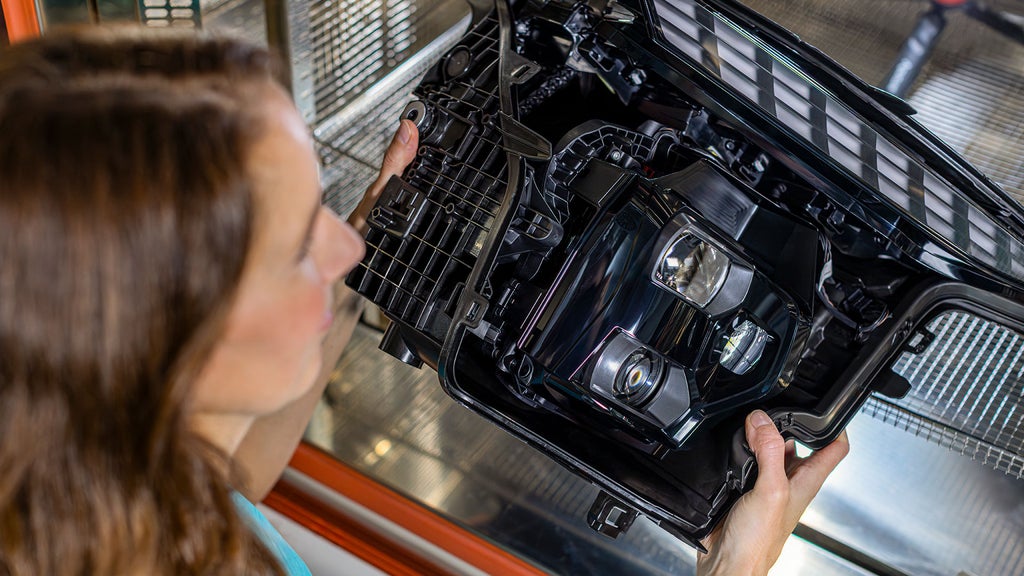
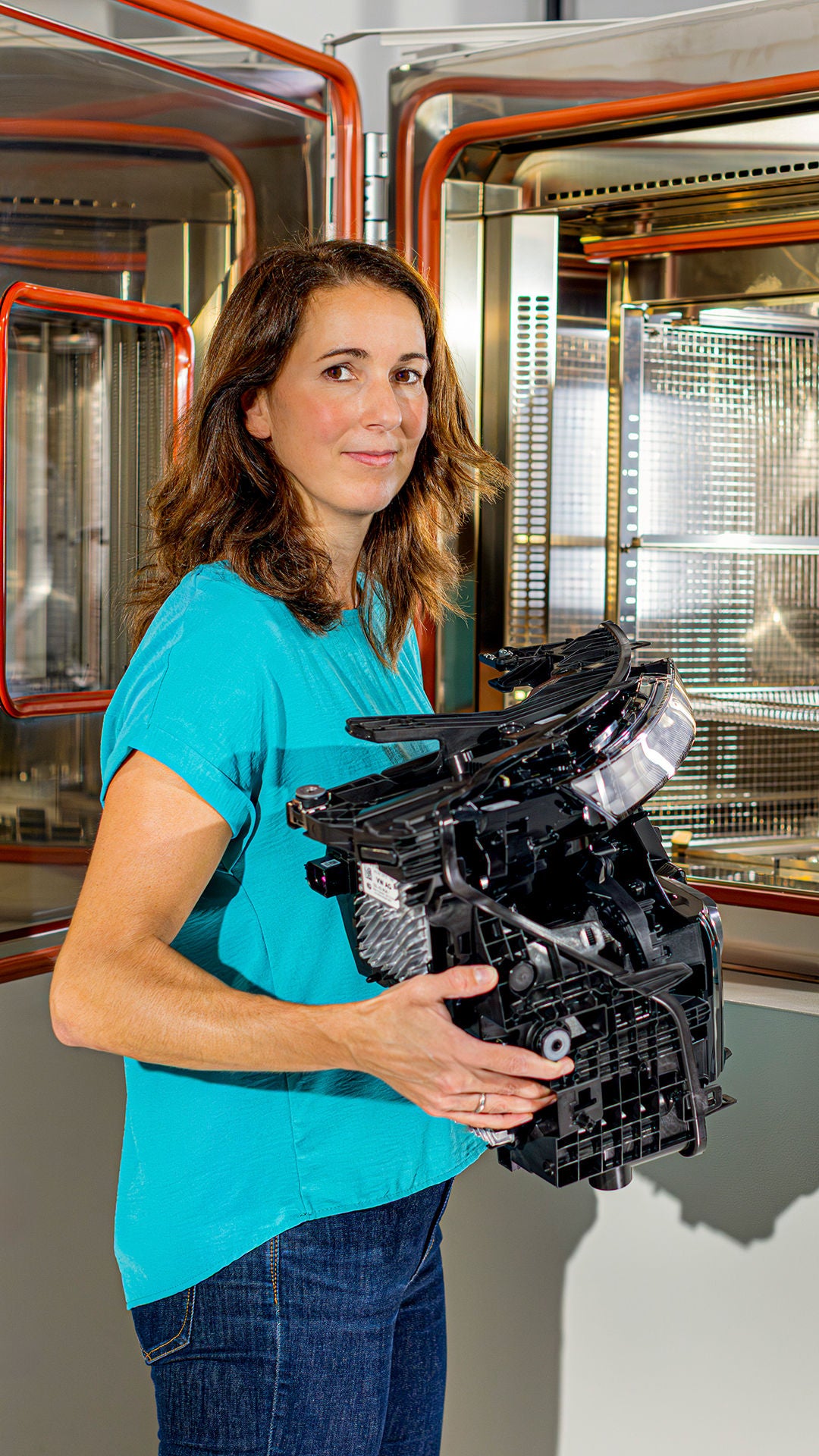
In the climate chamber, the components, in this picture a headlight ...
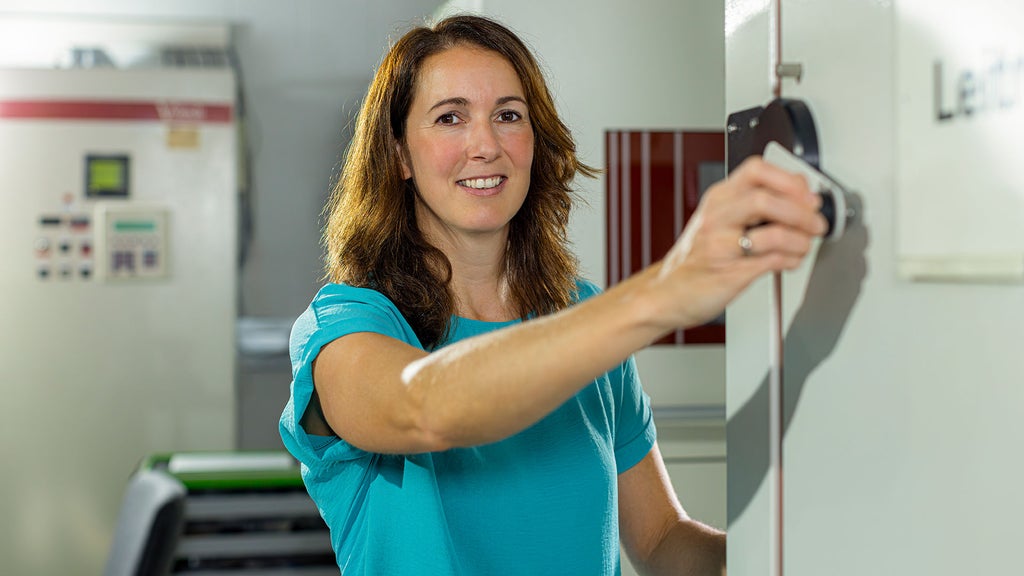
... tested for their robustness with regard to temperature cycling.
In the climate chamber, the components, in this picture a headlight ...
... tested for their robustness with regard to temperature cycling.
How important is the team to you?
Meike: The team is extremely important to me. When I started at Audi, I immediately felt the strong energy and motivation. The environment is more agile, more open, and the team spirit makes a big difference for me. I’ve realized that a good team environment is essential for me to enjoy working and to be effective.
“We’re developing virtual methods to replicate traditional tests such as temperature cycling, enabling faster iterations and more efficient use of resources.
Meike Gallant, Robust Design Components / Software Robustness
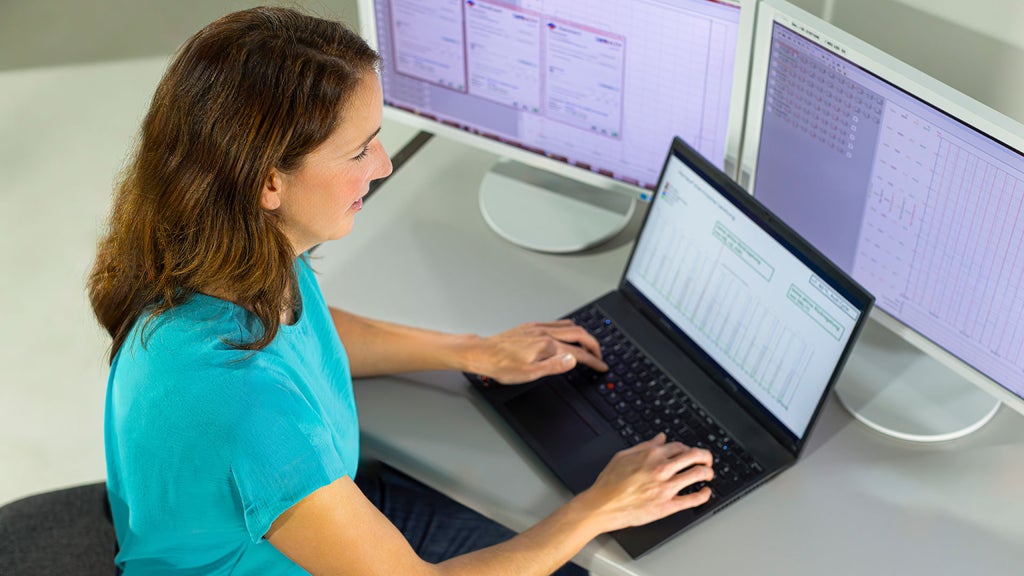
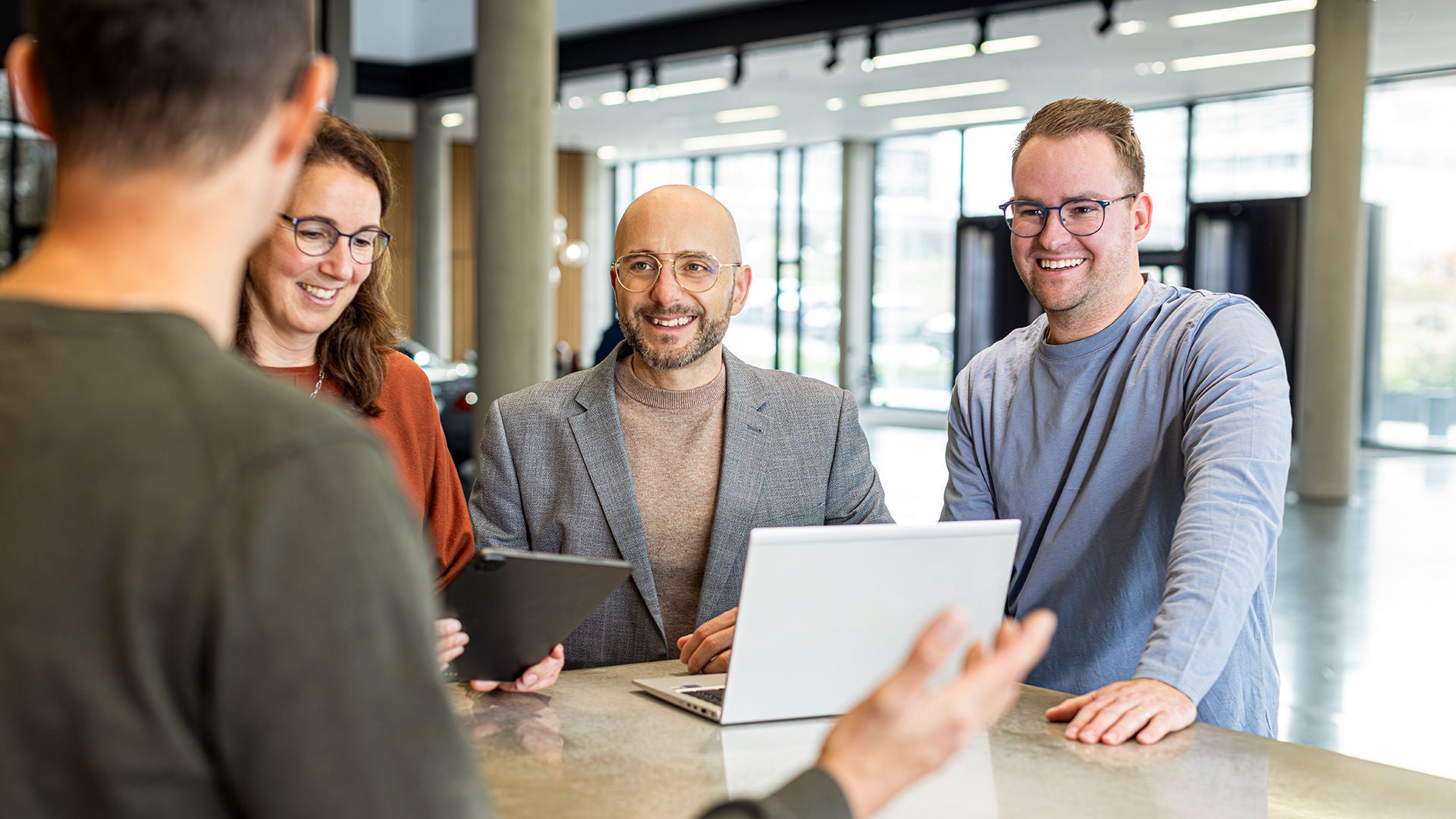
The results of the virtual simulation are being thoroughly evaluated, compared, ...
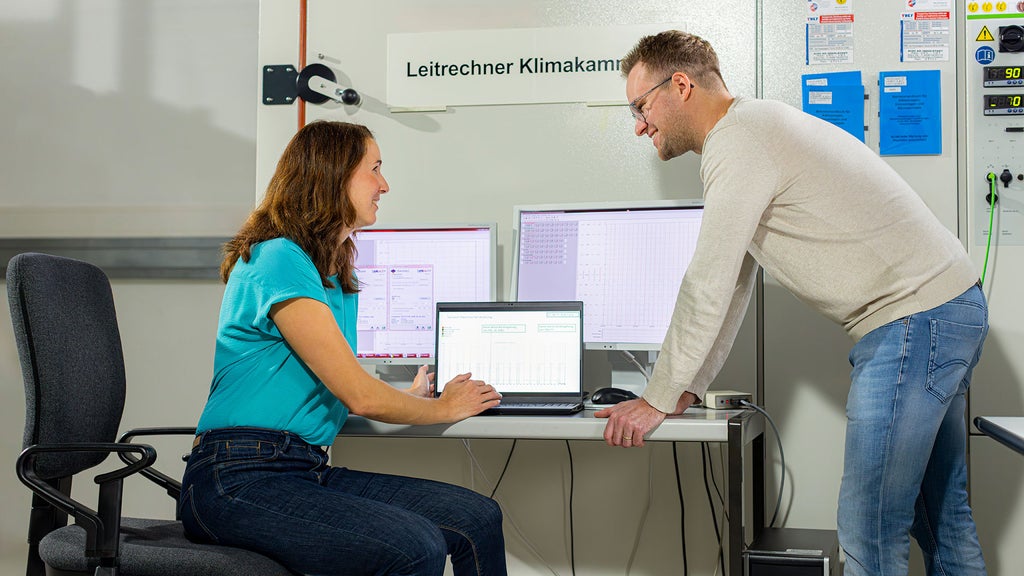
... and discussed collaboratively.
The results of the virtual simulation are being thoroughly evaluated, compared, ...
... and discussed collaboratively.
How do you contribute to the mobility of the future?
Meike: For me, future mobility doesn’t just mean new products, but above all new methods in development. In my daily work, it’s all about advancing virtual validation and the use of AI.
My contribution is to turn these ideas into concrete action – in other words, to see how virtual methods and AI can be practically applied in projects. Not just as a concept, but as part of our daily work.
What was your personal tech moment at Audi? Can you describe an emotional experience for us?
Meike: There are several tech moments that have stayed in mind. One of the first was my nighttime drive in the Audi A6 with matrix beam headlights. At home I was used to halogen or xenon – the matrix system really made a significant difference. The light distribution and the way it adapts automatically to the surroundings impressed me.
Another memorable experience was my first drive in the new Audi Q6 e-tron. The combination of powerful acceleration and the “Hey Audi” voice control showed how intuitive modern technology can be today. I was able to just speak normally and the system understood me – without having to learn any commands beforehand. That really did excite me a lot.
How did you come to Audi?
Meike: My connection to Audi goes back a long way: My grandfather used to drive an Audi, my father had an Audi 100 and later an A4. When I was 18, he picked up his A4 directly here in Ingolstadt – that was a real family highlight. Since then, I knew that I wanted to do something with cars. And if the opportunity to work at Audi arises, then I would take it.
I eventually joined Audi through my work at a supplier company. I supervised projects for Audi there – and at some point, a colleague asked if I could imagine working directly at Audi. And this very same colleague now sits three desks away from me and still works in the area of Robust Design. That’s how it happened back then – and I’m glad I made that step.
Today I’m a part of the company and am happy that I can help shape things.
How are the Audi values trust, responsibility, courage and enthusiasm reflected in your daily work?
Meike: Anyone who wants to embrace new topics needs courage and trust in new methods and technologies. Every time we replace physical tests with virtual simulations, we show the courage to take new paths. That’s how we shape progress responsibly and with enthusiasm.