Circular economy
Keeping materials in the loop without loss of quality
A wealth of valuable materials are used in every Audi vehicle – primarily metals such as steel and aluminum, but also plastics and electronic components. The range is even greater when it comes to electric models, with different materials from high-voltage batteries also used.
The responsible use of raw materials is a central aspect of future-oriented automotive production for Audi. The goal is to develop and produce vehicles in a more resource-efficient and recycling-friendly manner, to keep them in use for as long as possible and to recycle them to the best possible extent at the end of their life cycle. Audi has a vision to return as many of the raw materials used over the life cycle of vehicles to the production process – wherever this is technically feasible and economically and ecologically viable. Audi adopts a holistic approach in this respect in line with the principles of rethink, reduce, reuse and recycle. This means considering factors such as resource efficiency and the recyclability of components during the development phase (rethink), producing vehicles in a resource-friendly manner and designing them to last (reduce), and either reutilizing usable components at the end of the product life cycle (reuse) or recycling them in the optimal way (recycle).
20.11.2023
20.11.2023
More about Reduce
The starting point for measures that come under the heading of reduce is often the life cycle assessment that Audi produces for its models. Special software is used as part of this life cycle assessment to analyze each of the more than 5,000 parts found on average in a car with respect to energy requirements and emissions – right down to the smallest screw. All steps along the value chain are considered for each part, for example, from mining of the aluminum ore bauxite to processing in the press shop. Based on this assessment, CO₂ reduction measures and optimization potential can be identified and evaluated across the entire manufacturing process.
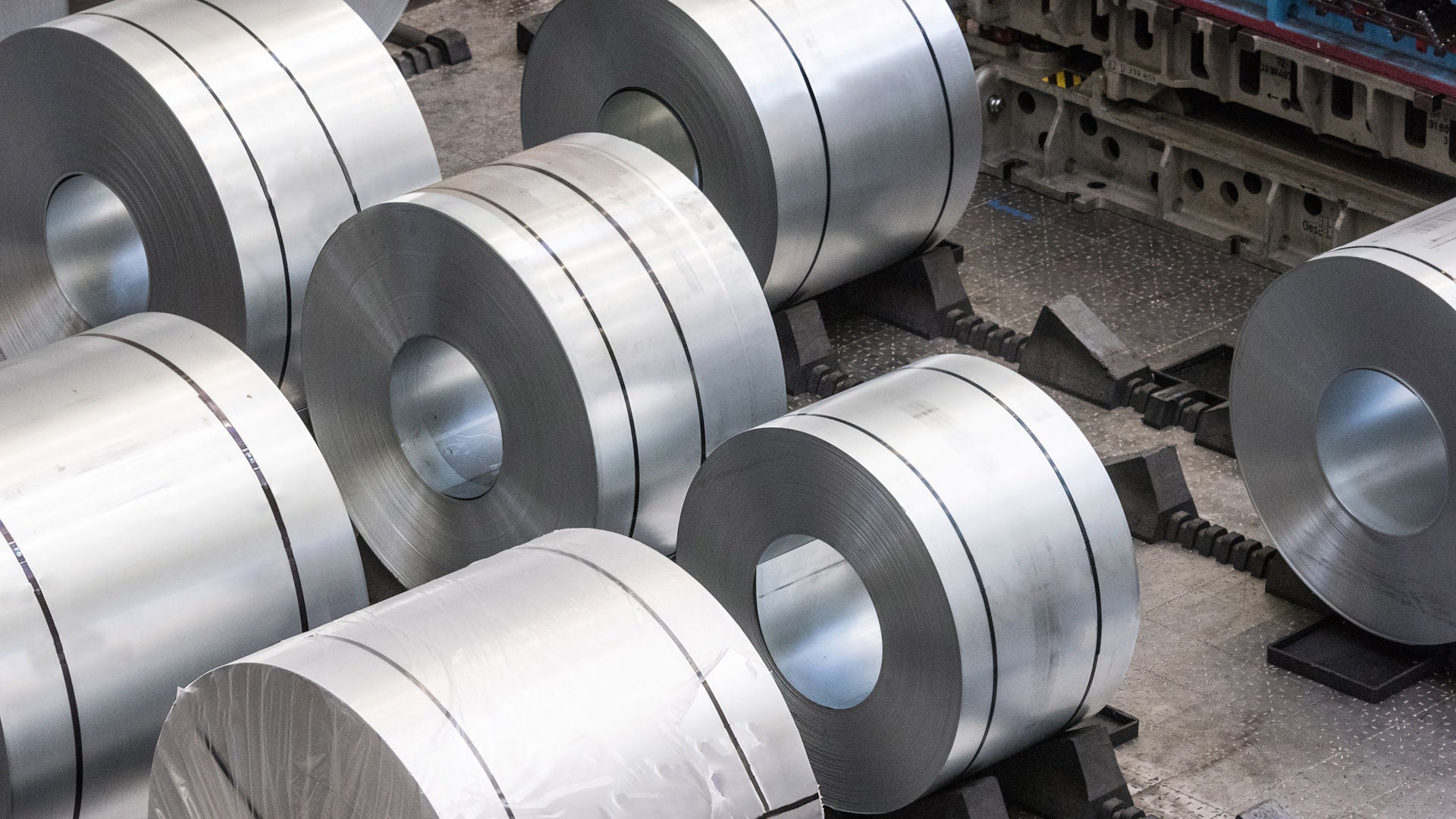
From as early as 2017, AUDI AG has demonstrated its commitment through the “Aluminium Closed Loop” to the responsible handling of aluminum, a material that is energy-intensive to produce. The offcuts from the press shops at the Audi production sites* are sorted according to type and returned to the suppliers. The suppliers can then use the high-quality secondary material to produce new aluminum sheets (principle of reuse), thereby reducing the amount of primary aluminum needed. This lowers the impact on the environment, with secondary aluminum delivering energy savings of up to 95 percent compared with primary aluminum.
In terms of production, the reduce principle is also part of the Mission:Zero environmental program. An example from Audi logistics: packaging is avoided whenever possible. If packaging material has to be used, it is preferable to use recyclable resources. From 2030, the goal is to increase the proportion of recyclable packaging materials in new vehicle projects to more than 90 percent.
The company follows the principle of reduce when it comes to the durability and quality of its vehicles, too. The longer the lifetime of the produced vehicle, the more it complies with the principle of reduce.
More about Reuse
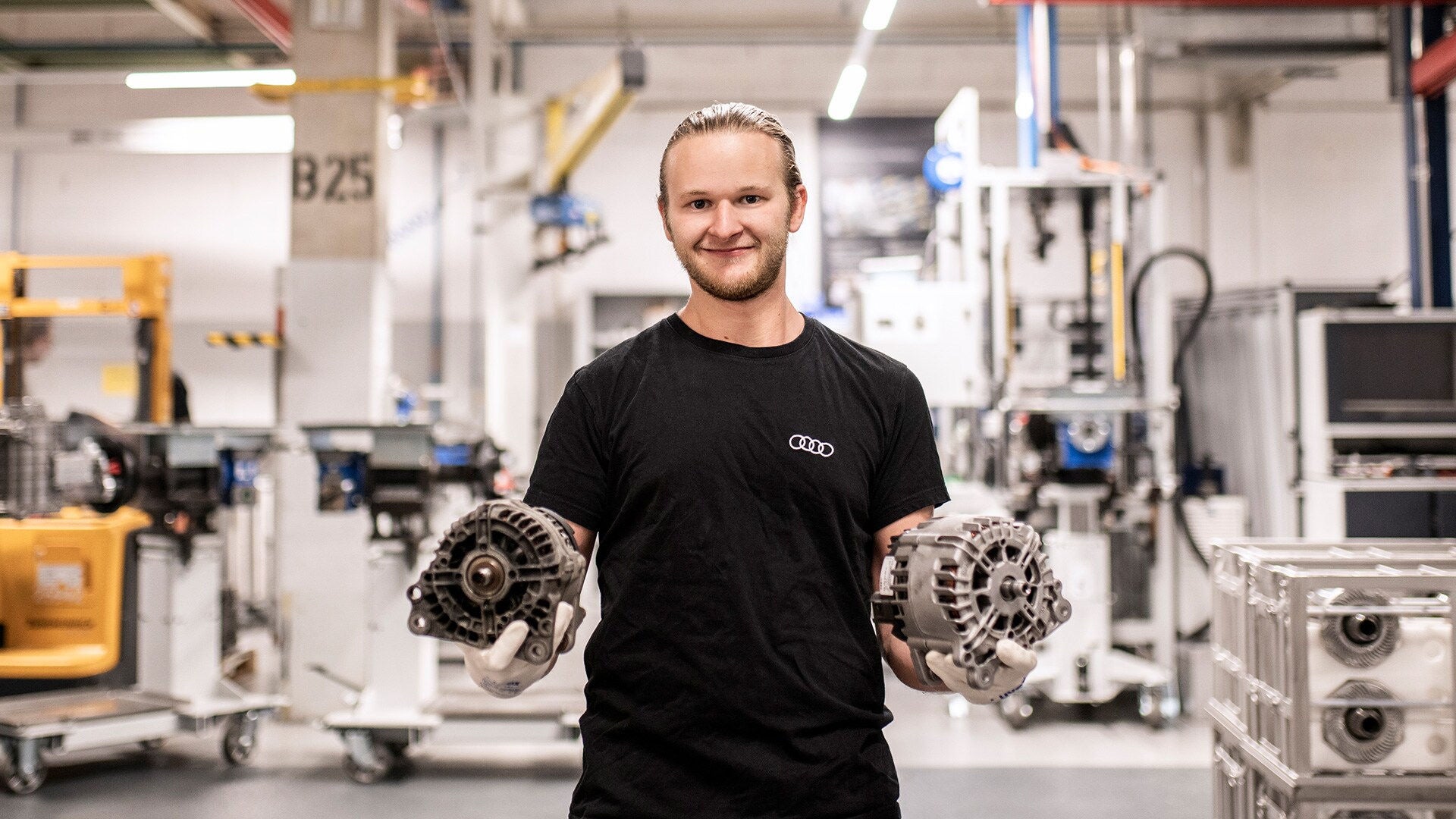
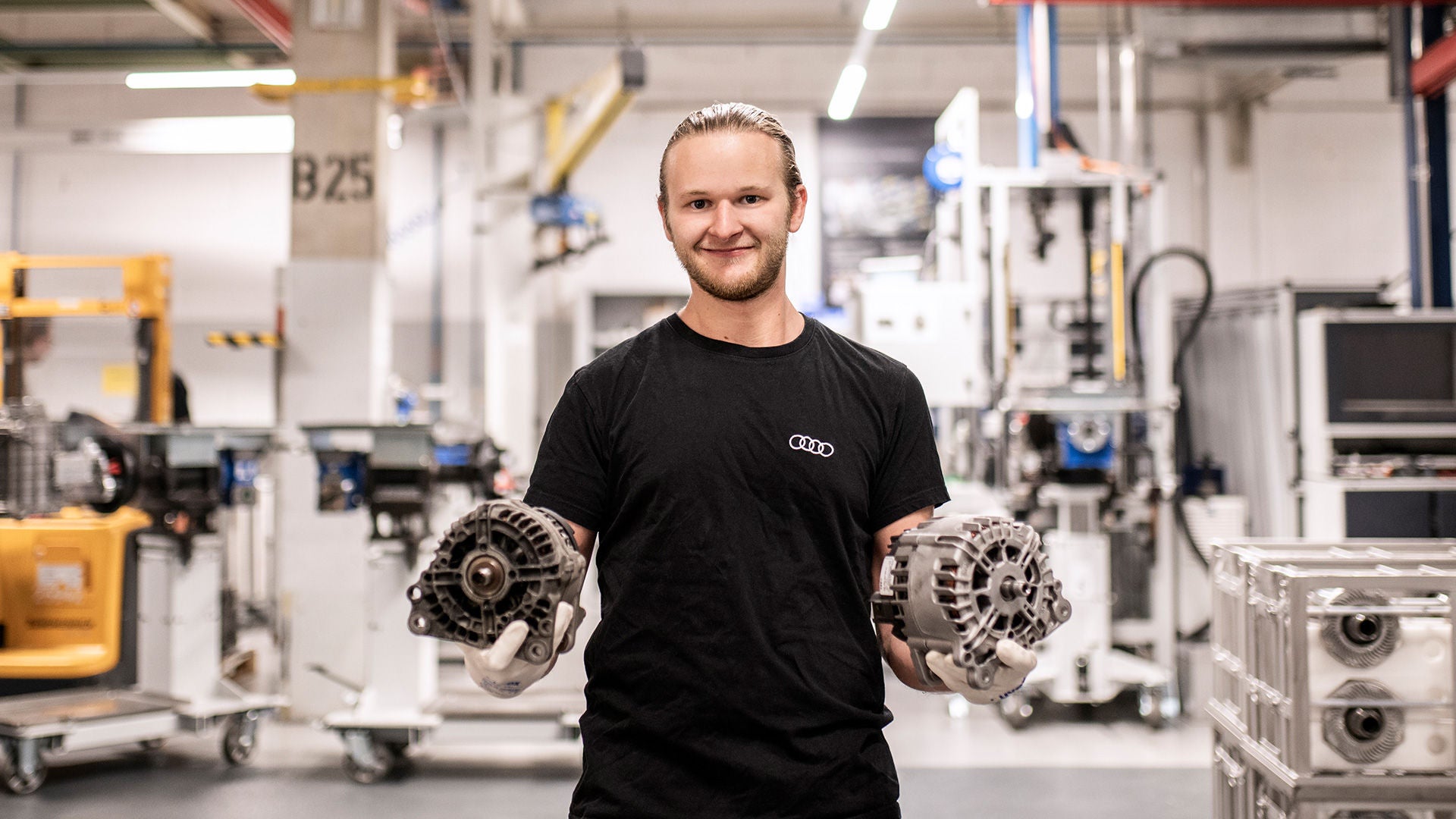
As an example of how reuse works in practice, the Exchange 2.0 project involves a sustainable treatment process for mechatronic parts and transmissions. New processes enable up to 80 percent of the original parts to be preserved – and at a premium level. The remanufactured transmissions meet the quality criteria of as-new parts, for example.
The principle of reuse was also the focus of the circular economy project MaterialLoop, in which Audi tested a highly efficient circular concept for end-of-life vehicles. The project involved removing used parts that were suitable for resale from more than 100 dismantled vehicles and making them available for installation again in other vehicles as part of repair work.
The reuse principle is especially important with electric vehicles, particularly when it comes to the lithium-ion battery. Even after many years of use, high-voltage batteries can continue to be used before recycling. Within the Volkswagen Group, Audi is pursuing two possible reuse objectives in the future: firstly remanufacturing, which involves continuing to use remanufactured high-voltage batteries in electric vehicles. And secondly, second-life concepts, which allow batteries to have a second life for years outside of an electric vehicle – for instance, in the fast-charging terminals of an Audi charging hub.
More about Recycle
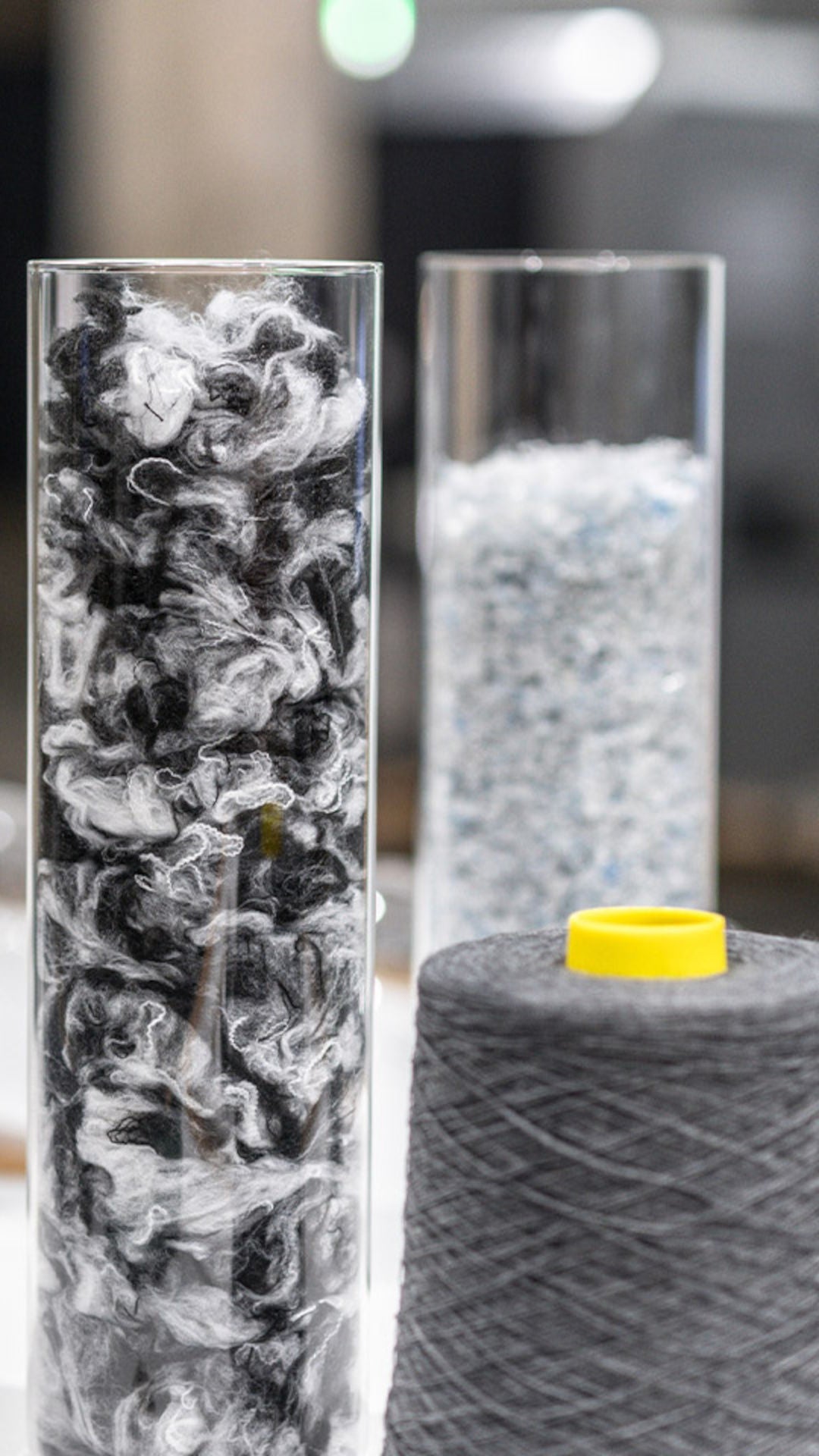
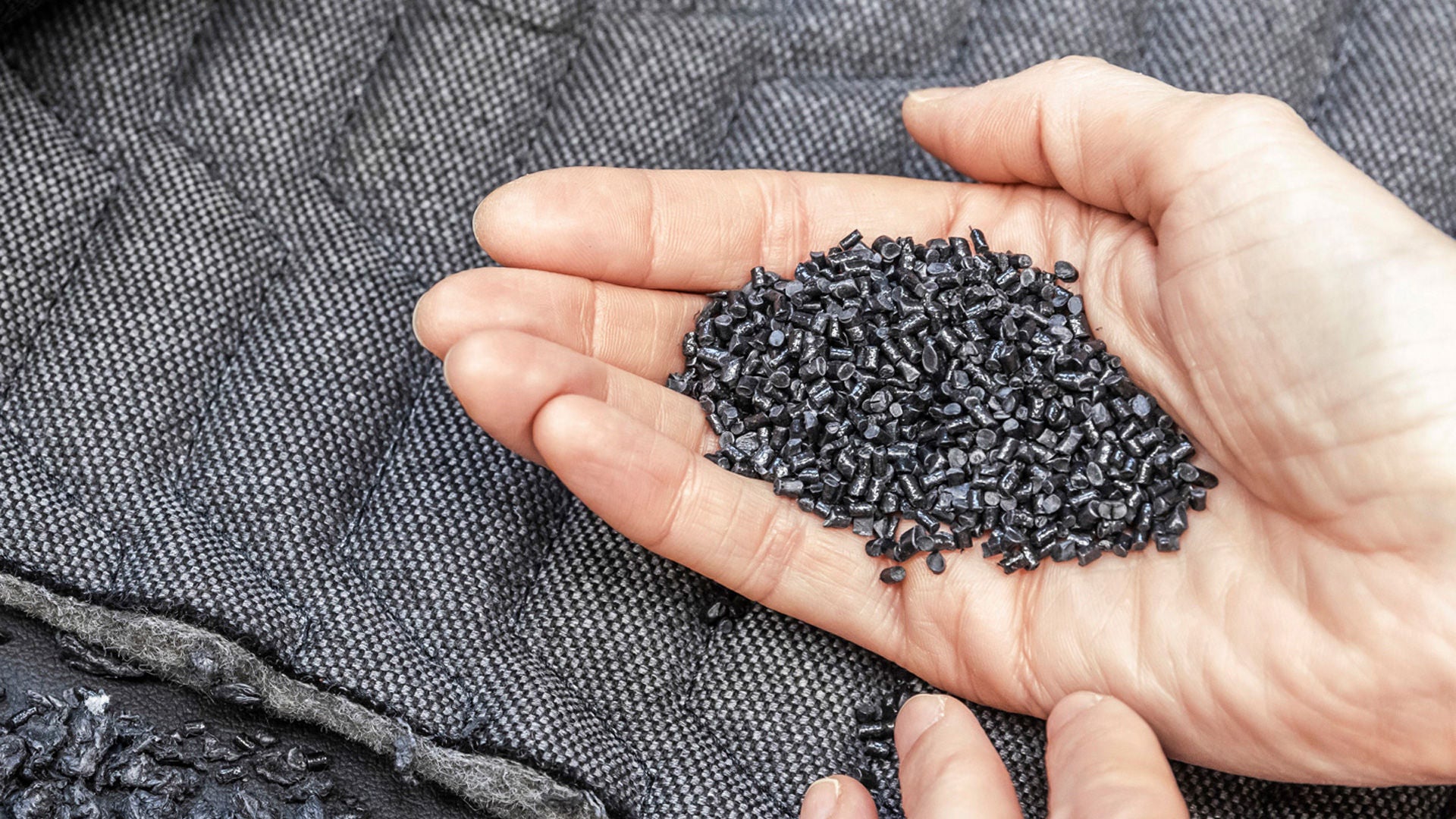
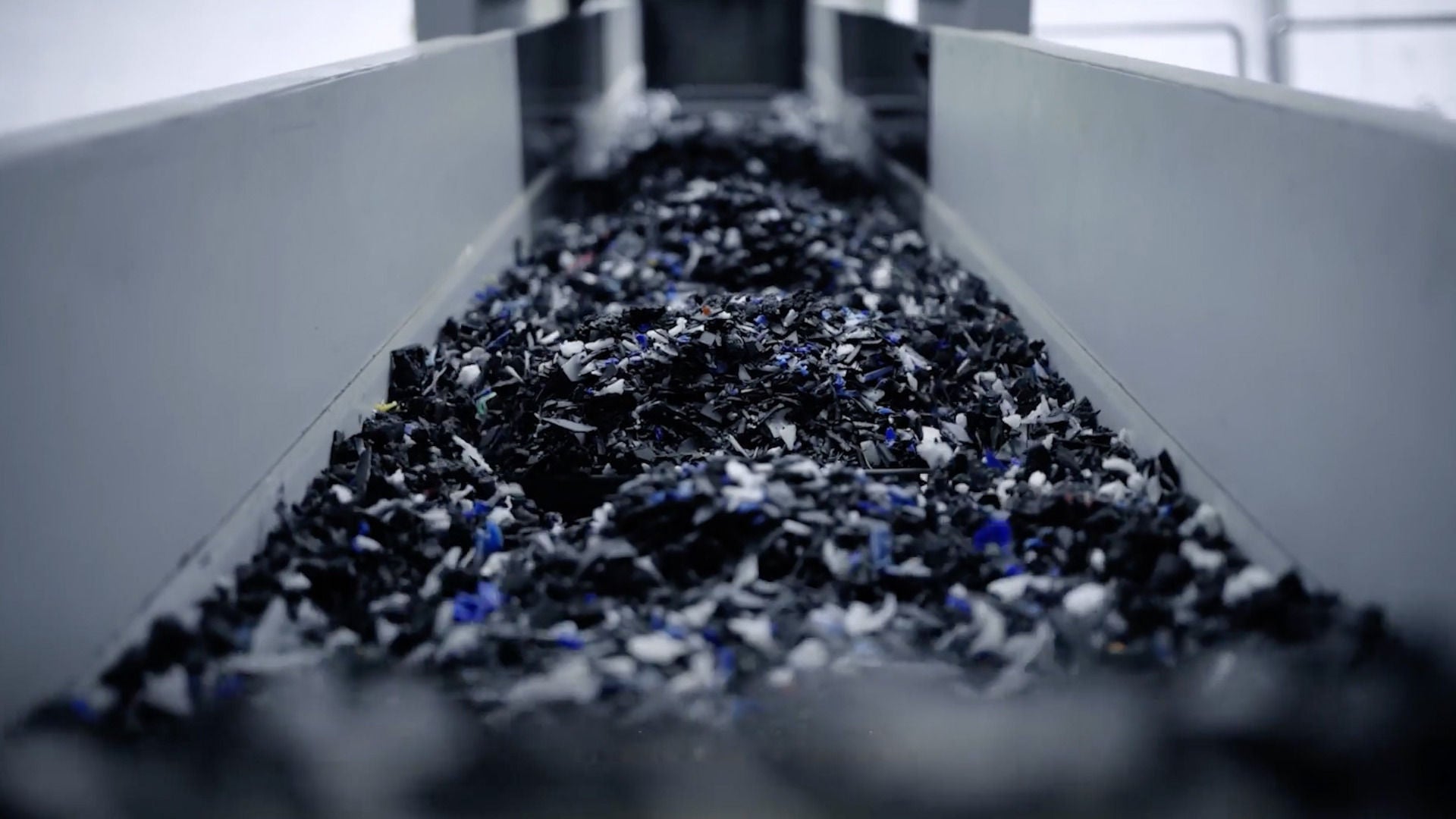
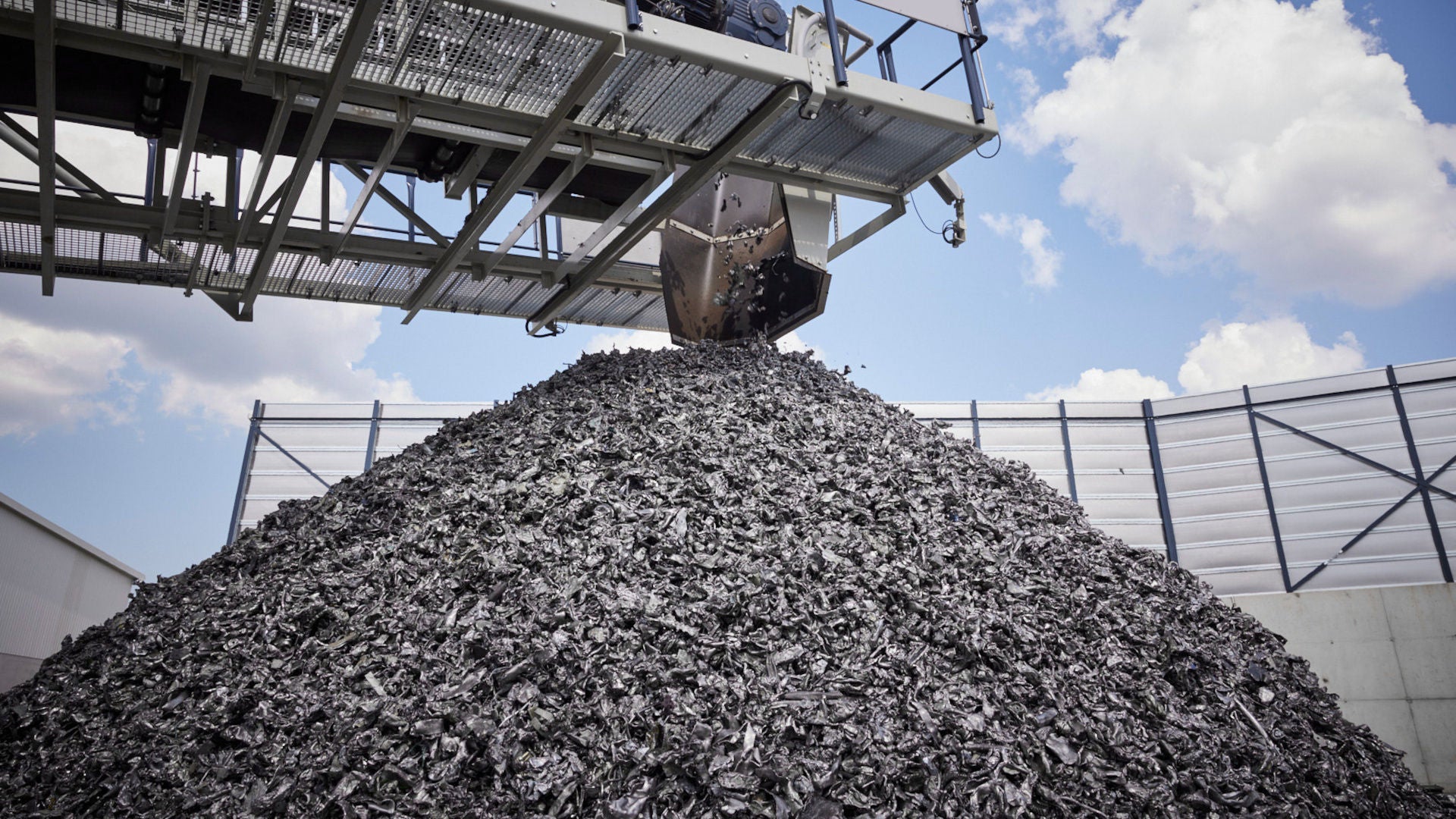
AUDI AG carried out a number of projects to test the product maturity of post-consumer material cycles for steel, aluminum, plastic and batteries. These materials are in the spotlight because, in some cases, they play a special role in existing and future legislation and in internal requirements and make up a high percentage of the overall weight of the vehicle. Findings from these projects are used to increase the use of secondary materials in new vehicle generations.
Current examples:
Steel: In the Audi Q6 e-tron, a proportion* of the steel used for the exterior roof section is scrap steel from post-consumer sources.* Such materials are also used for selected parts (for example, the roof frame) of the Audi A6 e-tron.
Aluminum: The aluminum for selected parts of the Audi A6 e-tron contains a proportion* of recycled post-consumer secondary material. It is used, for example, to produce the outer section of the aluminum front flap.
Plastics: In the Audi A6 e-tron, plastic parts such as the frunk (luggage compartment under the front hood) and the adjacent covers in the front end of the vehicle are made partly* from recycled material. Other parts made from recycled plastic include the sound generators and the water container for the air conditioning fresh air intake at the front of the vehicle. As was the case for models in the Audi Q6 e-tron product line, a previously used conventional sheet metal component has been replaced by plastic components containing a large proportion of secondary material.

.jpeg)