Focus on the future
The current challenges facing the automotive industry? Major! Fortunately, Audi has a strong portfolio and a new design philosophy. CEO Gernot Döllner discusses the model offensive, the pace of innovation and developments in key markets.
Contents
Mr Döllner, what headline captures the spirit of 2025 for Audi?
“A new beginning.” In terms of reshaping both our products and the company, we really picked up speed last year and accomplished a lot. We’re not yet where we want to be or should be, but sustained success takes time and we’re on the right track.
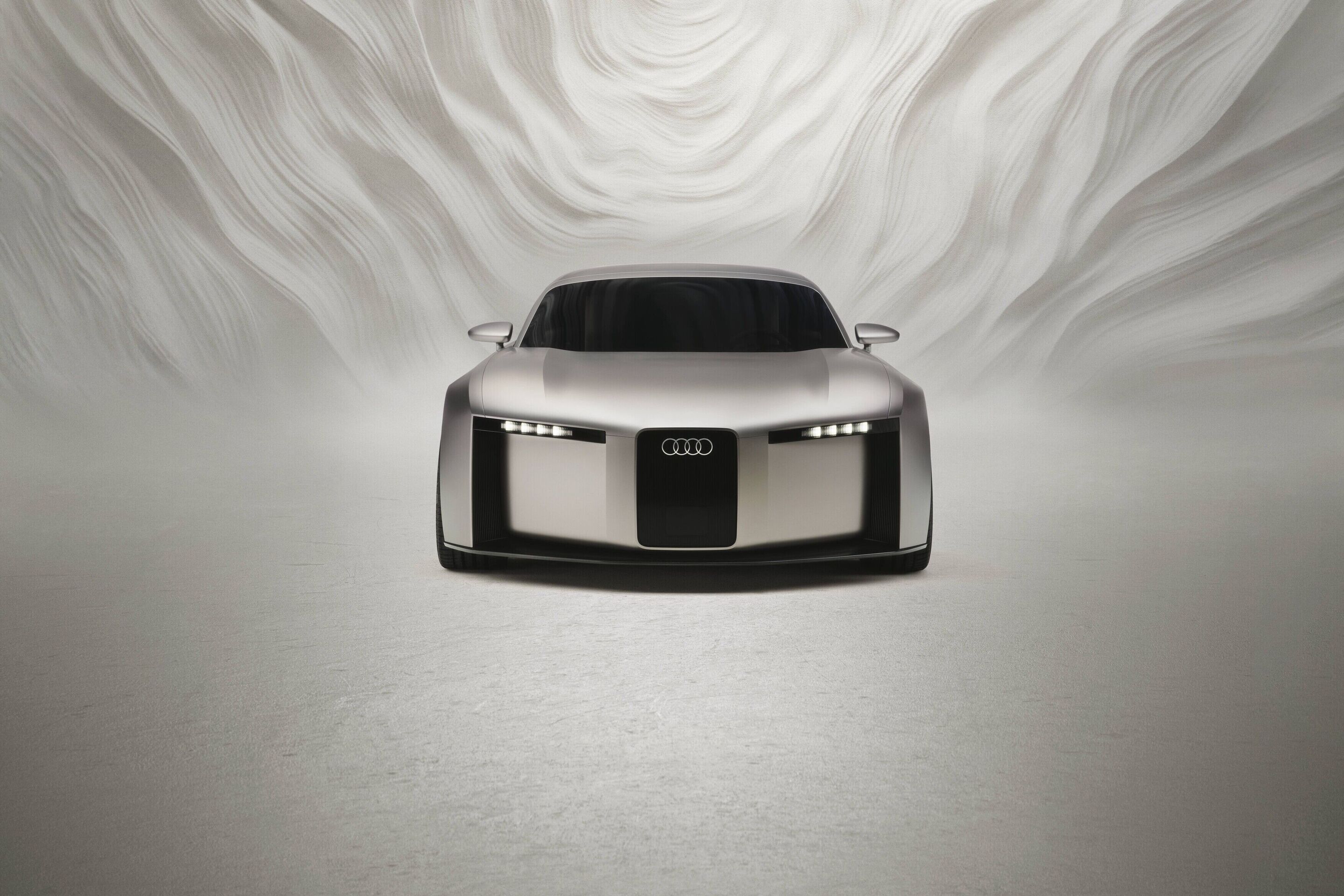
In the fall of 2025, you attracted attention with the Audi Concept C,¹ a concept vehicle featuring an entirely new design. What role does the model play?
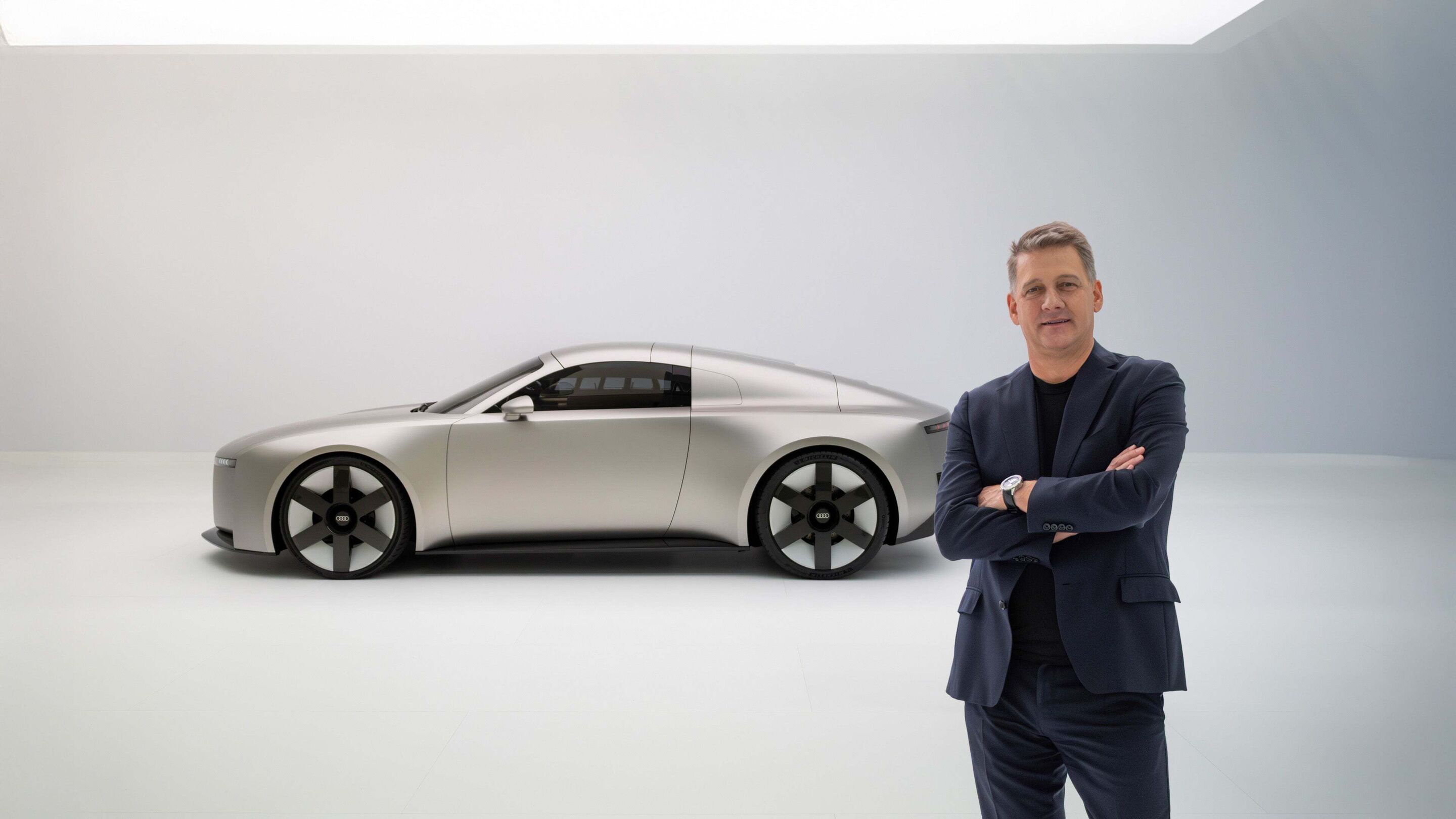
Design was and is one of the most important purchasing decisions for our customers. Audi has repeatedly set standards in this respect in the past. And we are doing exactly the same again with the Audi Concept C.¹ The new design philosophy with its radical focus on clarity will shape all our models in the future. And best of all: The car itself – an emotional electric sports car – will be built and will launch as a production model in 2027. I’m confident that this model has the potential to shape the brand’s identity.
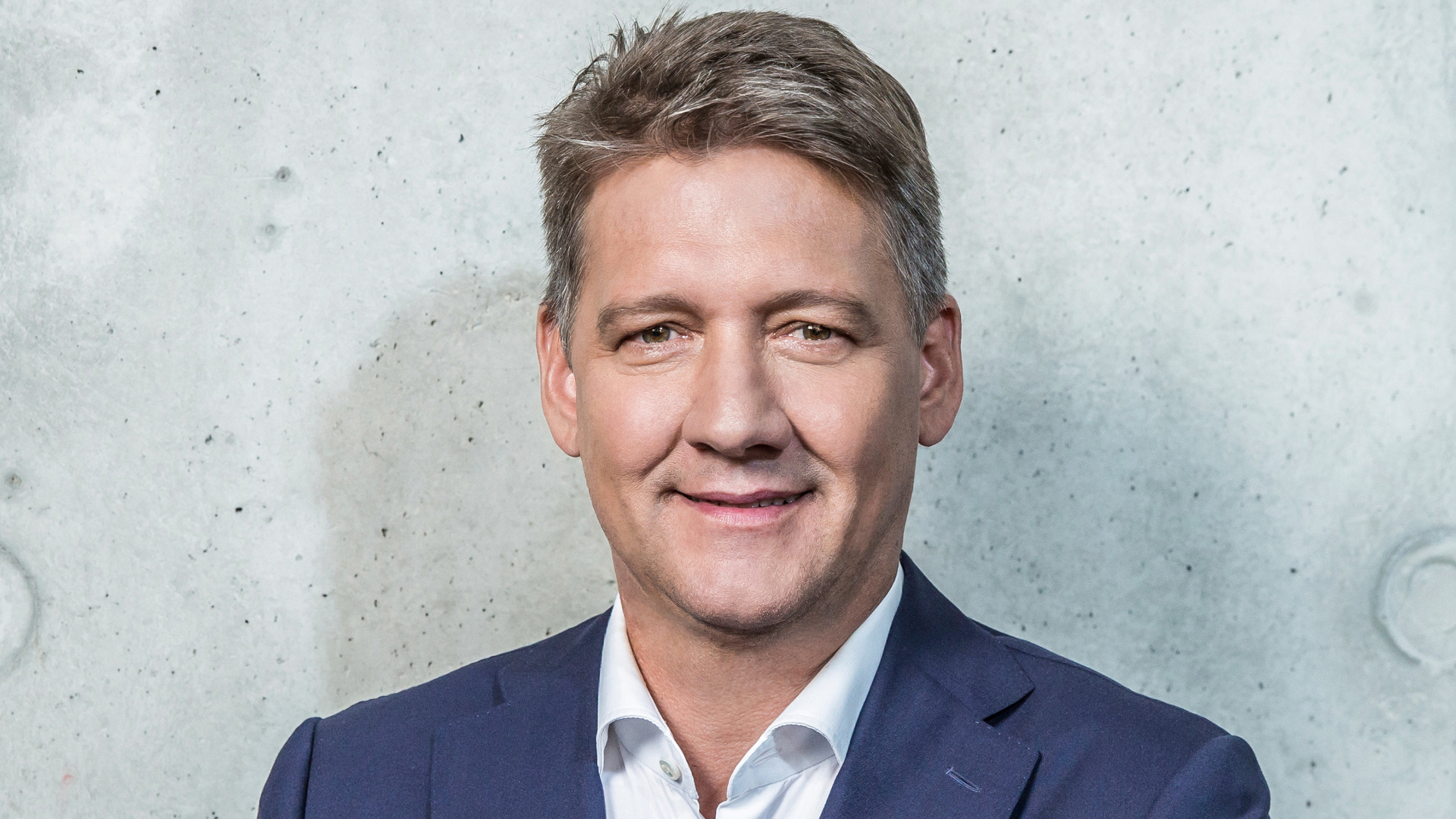
“Design was and is one of the most important purchasing decisions for our customers. Audi has repeatedly set standards in this respect in the past. And we are doing exactly the same again with the Audi Concept C. I’m confident that this model has the potential to shape the brand’s identity.”
Gernot Döllner, Chairman of the Board of Management of AUDI AG
So Audi has a plan for future models. But what about the current portfolio?
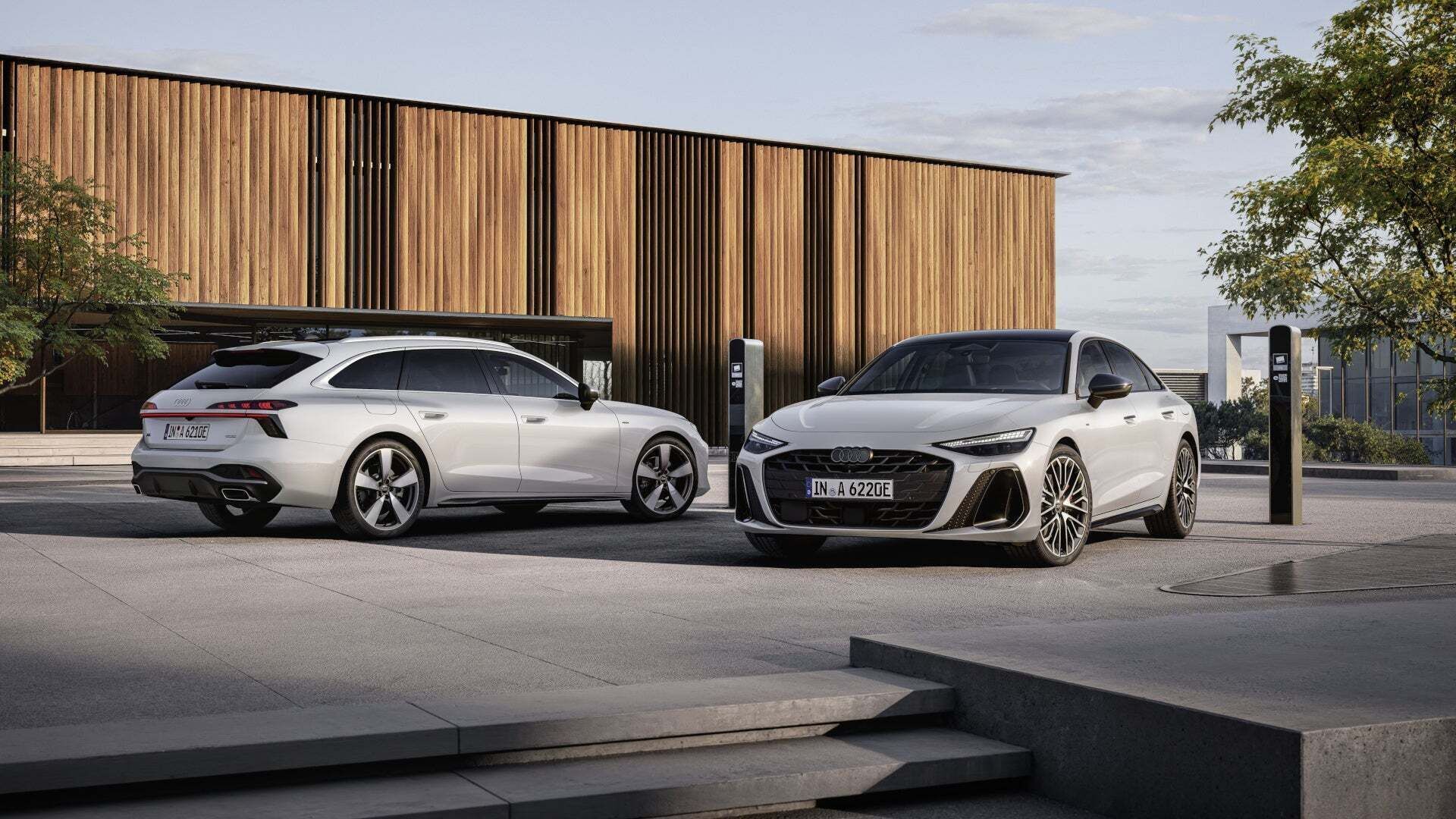
Audi is presenting a strong lineup. We launched more than 20 new models in the past two years and are therefore reducing the average age of the portfolio in the medium term by roughly three years. This will significantly improve our competitive standing. In addition, the decision to focus on a triad of new electric models, a completely new generation of combustion models and plug-in hybrids was spot on. We now have the necessary flexibility to meet different customer needs as we move toward an all-electric portfolio.
Is this model offensive concluded now?
In 2025, we rejuvenated key combustion engine models, such as the Audi A6 and the Audi Q3, and we launched a host of new plug-in hybrids, notably the Audi A3, the Audi A5, the Audi A6, the Audi Q3 and the Audi Q5. These models offer high all-electric ranges (WLTP) for the most common everyday journeys. We will build on this model offensive in 2026 with further top-performing vehicles. For example, our portfolio will be clearly defined by strong performers such as an electric entry-level model on the one hand and by the first SUV in the prestigious D segment on the other hand. Incidentally, the forthcoming full-size SUVs are very important for our market positioning in the United States.
As regards the USA, how important would it be to have your own plant there?
If we take our three core regions – Europe, China and North America – the USA is the market where we see the greatest potential in the medium term. We have therefore set ourselves ambitious growth targets in this market. Having our own production facilities and being present locally would be an important advantage and would strengthen our credibility among US customers.
On the other hand, the enormous competitive pressure from new brands is persisting in China. How can Audi assert itself in China in this environment?
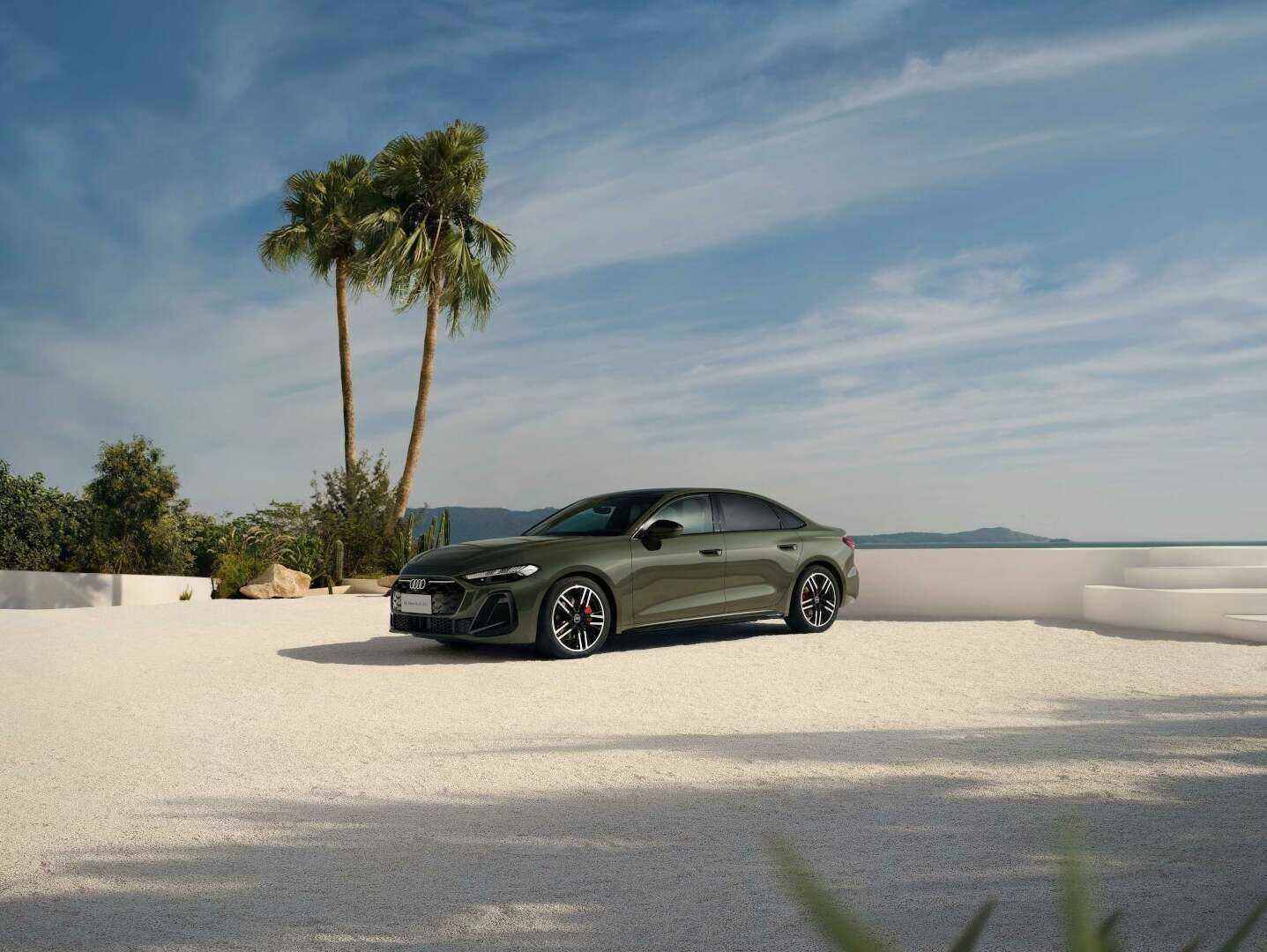
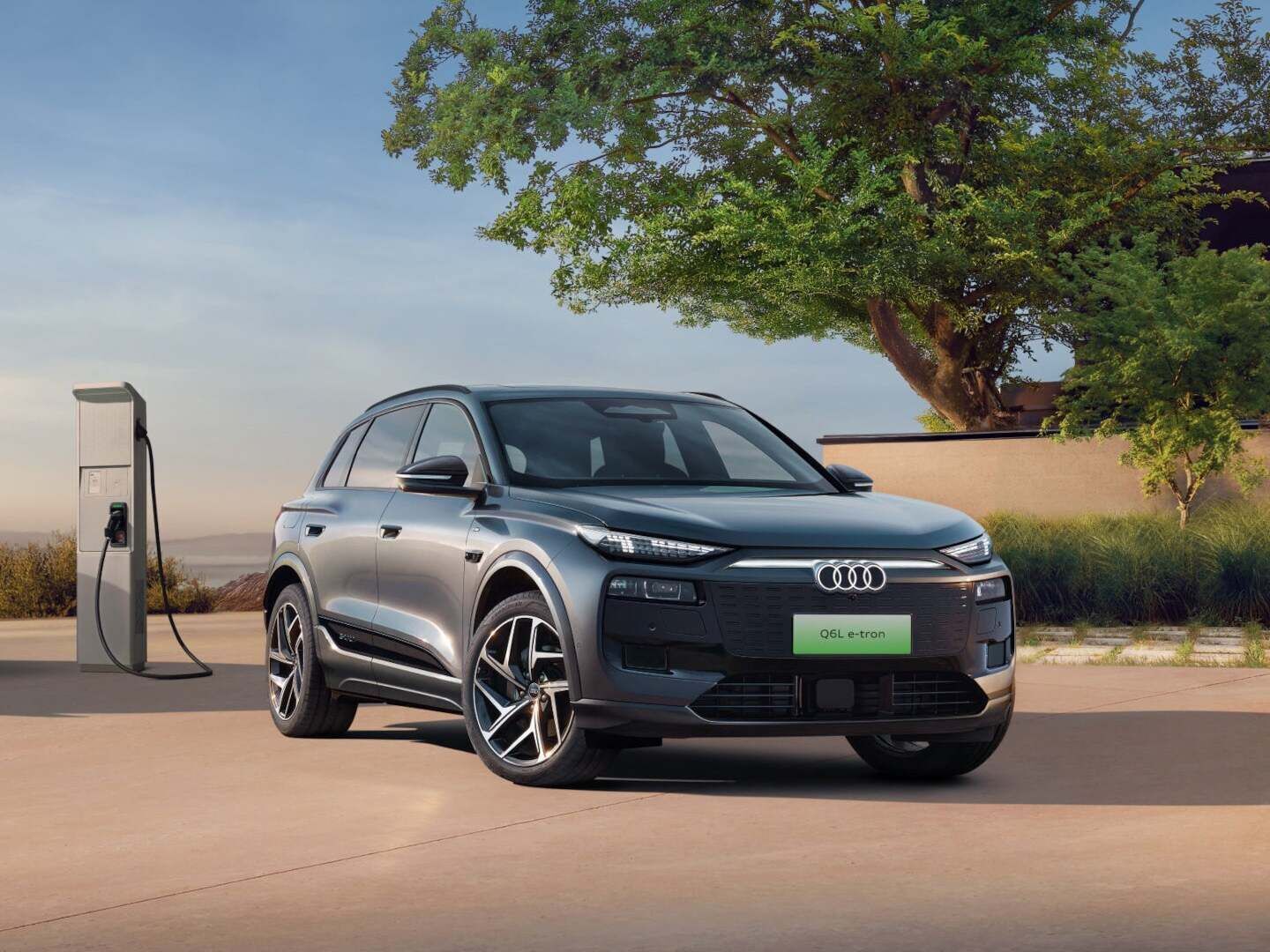
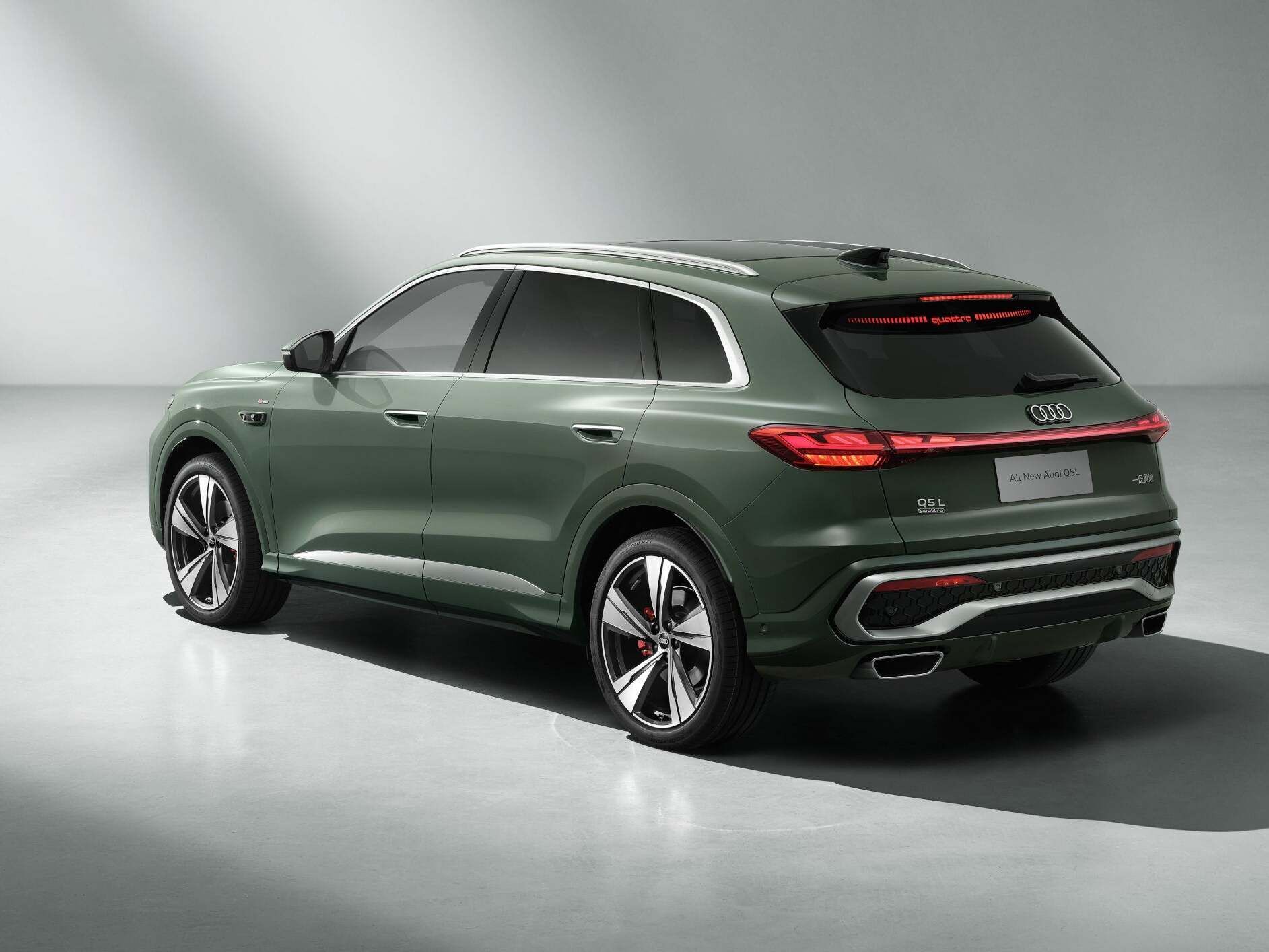
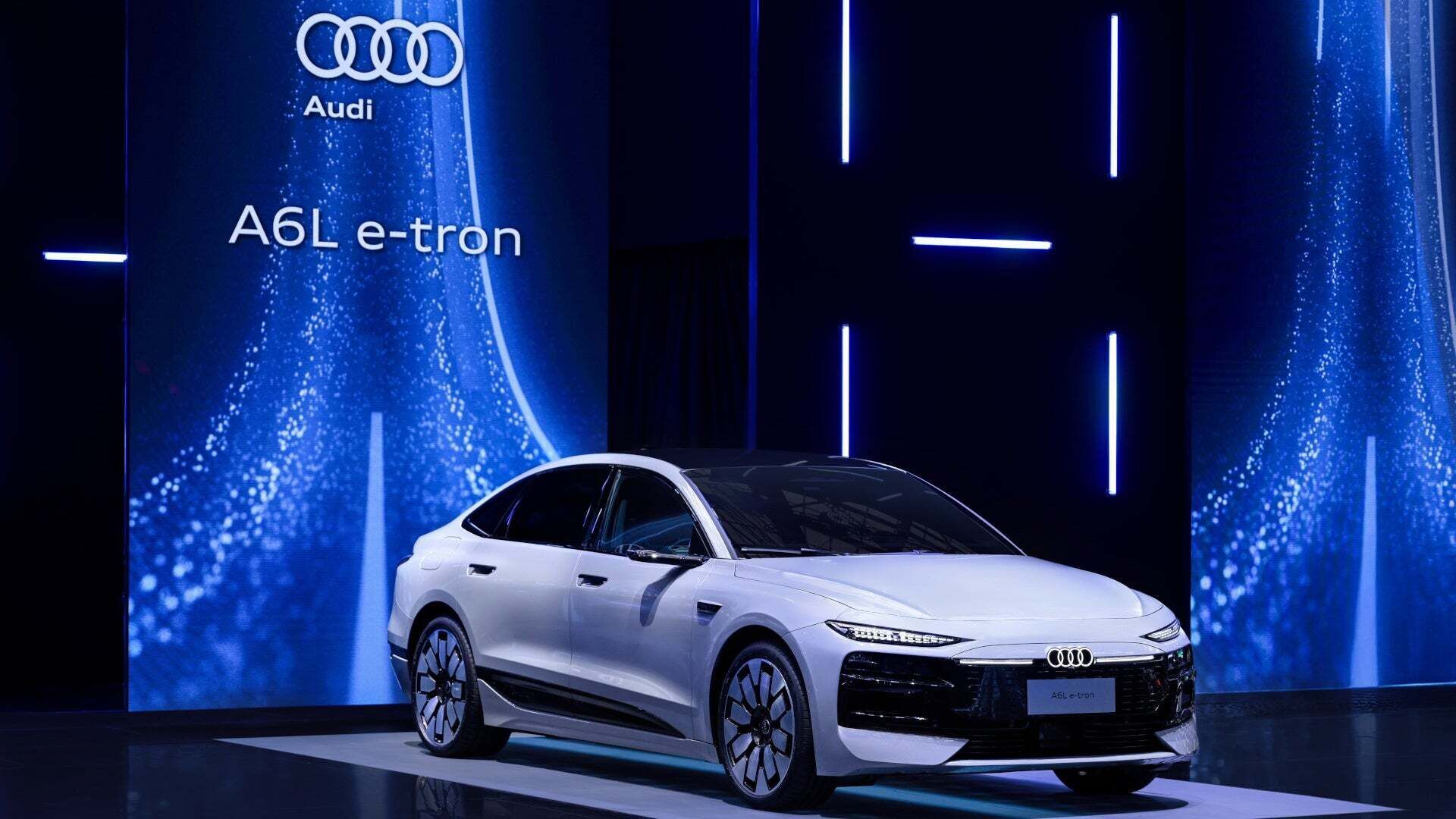
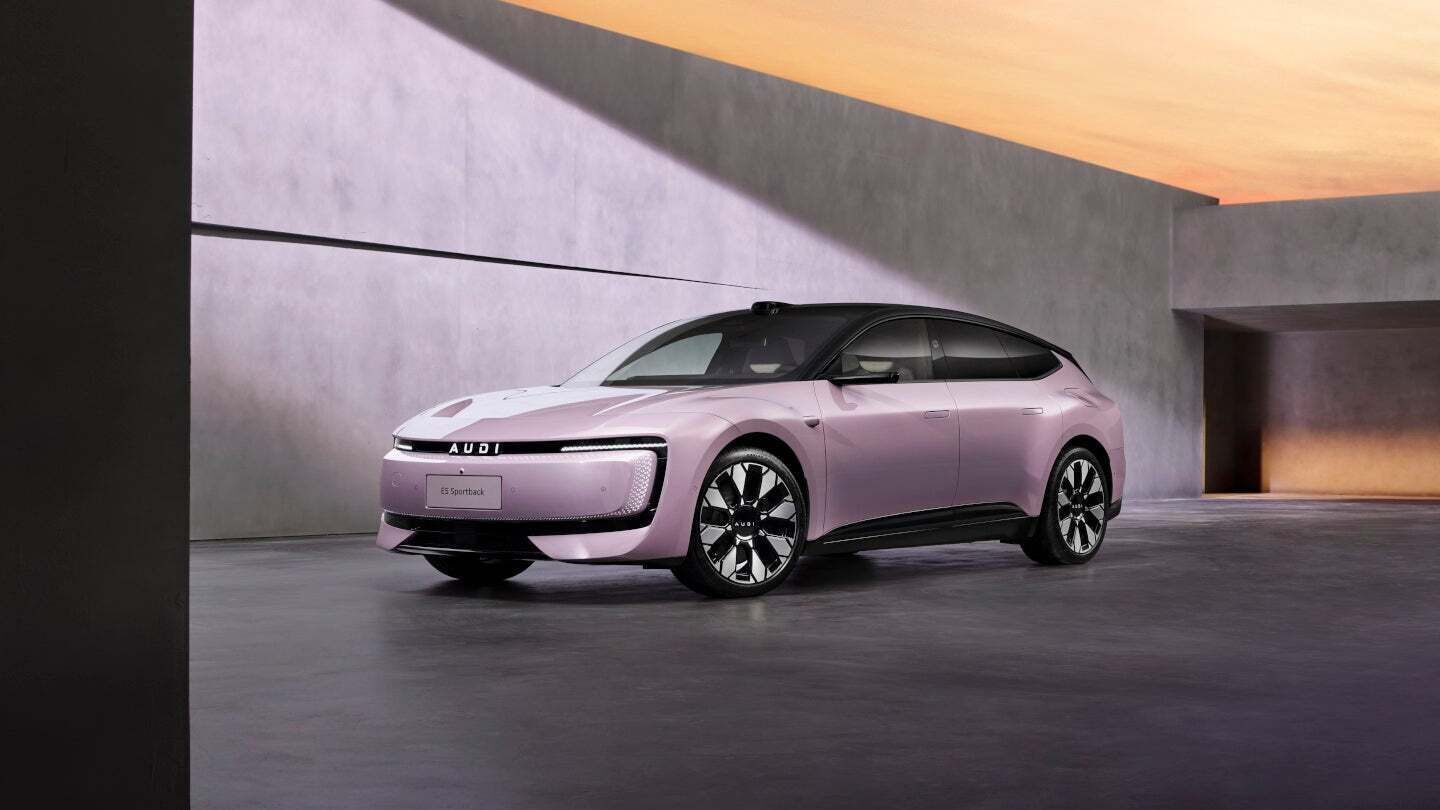
We fundamentally revised and strengthened our business model in China over recent months. Our local partnership with FAW and SAIC gives us excellent leverage to participate in this highly dynamic e-car market and at the same time remain a strong player on the combustion model side of the business. We also launched our model offensive in China in 2025, with models tailored strategically to the needs of Chinese customers, such as the Audi A5L and the Audi A5L Sportback, the Audi Q5L, the Audi Q6L e-tron and the Audi A6L e-tron. This is the first generation of electric vehicles that we are producing locally at our new plant in China. At the same time, we are rolling out the first models under our sister brand AUDI, which are exclusive to China, making us the first German manufacturer to enter the New Energy Vehicle (NEV) sector in China under a brand established specifically for this purpose. The first model is already on the road. The second will be launched in the first half of 2026 and the third will follow by the end of 2026.
Chinese manufacturers continue to demonstrate a significantly faster pace of innovation than their German counterparts in many areas. How does Audi intend to keep up?
Chinese brands are dictating the pace of competition in many areas at present. That’s the bar we need to reach – naturally in our own way and with our own values and strengths. We are focusing on the attributes that set us apart from the competition: design, quality, safety and driving experience. The AUDI E5 Sportback, which is the first model under our Chinese brand, shows that we can keep pace by working together and developing locally. In collaboration with our Chinese partner SAIC, we were able to reduce the development time for the model by 30 percent. And the next model, the AUDI E7X, is set to make its debut as early as April 2026.
“First and foremost, it’s crucial that we grow profitably. Our ambition is to achieve a return on sales of 10 percent by 2030.”
You presented a new strategy in the fall of 2025. What are the key elements?
Our new strategy clearly highlights the direction we want to take with “Vorsprung durch Technik” and at the same time how we need to position ourselves as a company so that we have a business model by 2030 that stands for real progress, that is adaptable and resilient and that is geared toward the future. The goal is to make a radical leap in terms of both design and product range. That’s why we’re focusing increasingly again on what has made us strong, that is design, quality and driving performance. We rely on strong partnerships to gain momentum in fields of future importance, such as the competitively decisive discipline of the software-defined vehicle. The best example is the cooperation in the joint venture with Rivian. Even today, we can see the extent to which we benefit from collaboration with developers in Silicon Valley and from a high-performance electronics platform. The first Audi with the new electronics architecture is set to launch as early as 2028.
That’s it as regards product and technology. What are the specific goals for the company?
We need to ensure that the company is dimensioned in a sustainable way that realistically reflects the opportunities to grow sales in the regions. We have therefore set ourselves ambitious, though achievable targets in terms of volume growth. First and foremost, however, it’s crucial that we grow profitably. Our ambition is to achieve a return on sales of 10 percent by 2030. While this is ambitious considering the challenges in the market and the comprehensive transformation of the entire company, it’s still feasible. Apart from offering attractive products, we need to press ahead resolutely with restructuring and cost discipline, lower costs by reducing complexity and utilize Group synergies to a greater extent.
Strategies can be a challenging issue. Often the problem lies with their implementation.
That’s right. But that’s why we’ve considered feasibility from the outset. The most important success factor for me is a pragmatic approach. We’re not chasing unrealistic dreams, but focusing on our core business – premium cars – and we are looking ahead to the future over a realistic five-year period. What’s more, our strategy is adaptable. It builds seamlessly on existing structures and processes. It therefore doesn’t open up a parallel world, but is firmly anchored in the organization. We take the most important goals of the strategy each year and translate them to a 10-point plan and from this define the priorities for the individual divisions. This is how we embed the goals of the strategy deeply into the entire organization and ensure the strategy is implemented operationally in the teams.
Mr Döllner, to finish: What are you looking forward to especially in 2026?
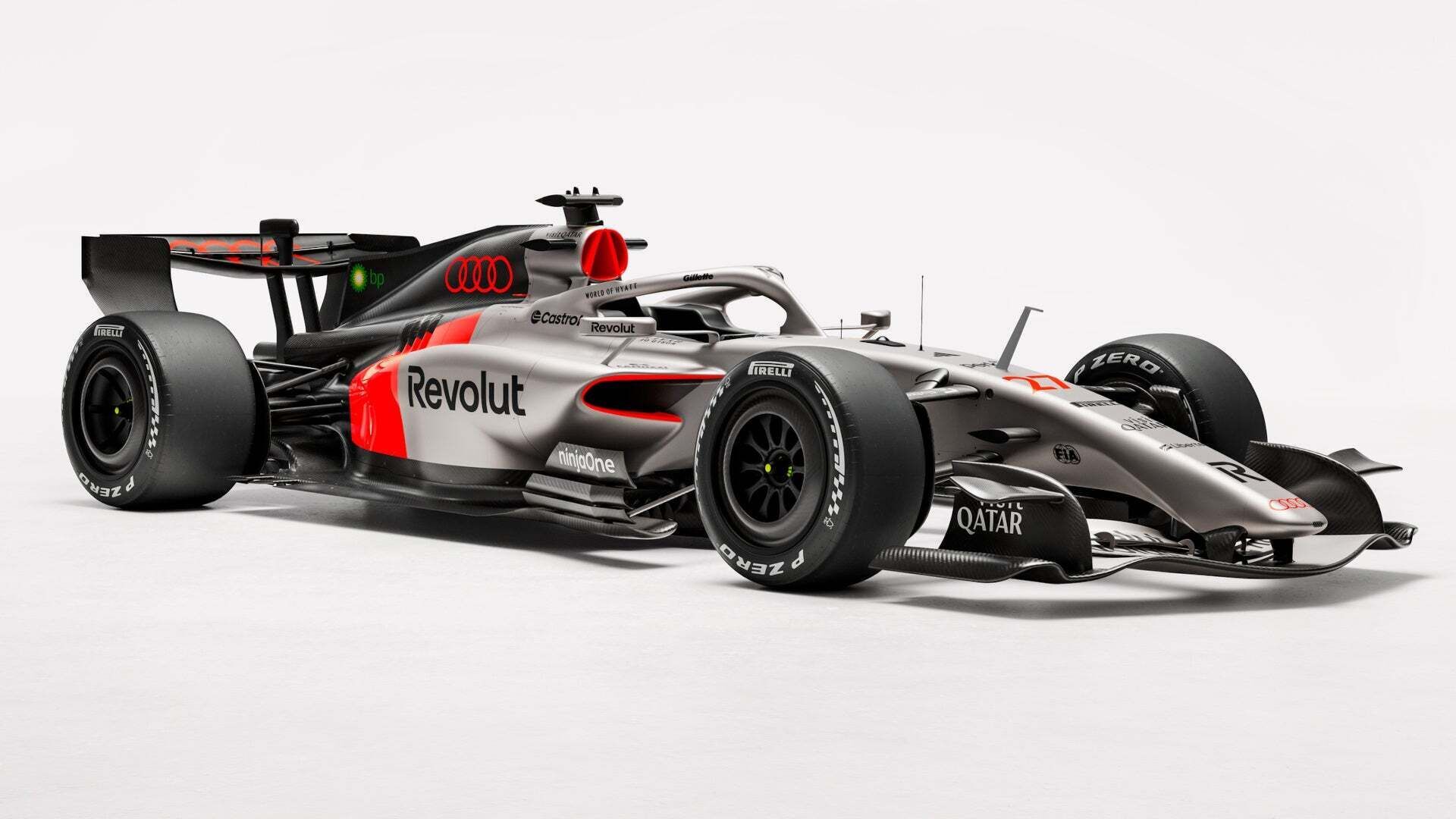
When Audi lined up on the Formula 1 grid for the first time in Melbourne at the beginning of March, that was a very emotional moment for me personally. And the same was true for many Audi employees. We made a very conscious decision to enter Formula 1 in 2022. It allows us to strengthen our global presence, especially in high-growth markets. And we are addressing new customer groups. Tech-savvy individuals and sports enthusiasts, who we want to inspire with our focus on innovation. I’m delighted that there are many more races to come this year. I’m especially impressed with the mindset of the Formula 1 team: absolute focus on performance and team spirit. I’m sure that by entering the elite class of motorsport, we will increase the global appeal of the brand and at the same time drive on Audi as a whole to be faster, leaner and even more innovative.
Thank you for the interview, Mr Döllner.