More than just an energy storage device: The battery of the Audi A2 e-tron
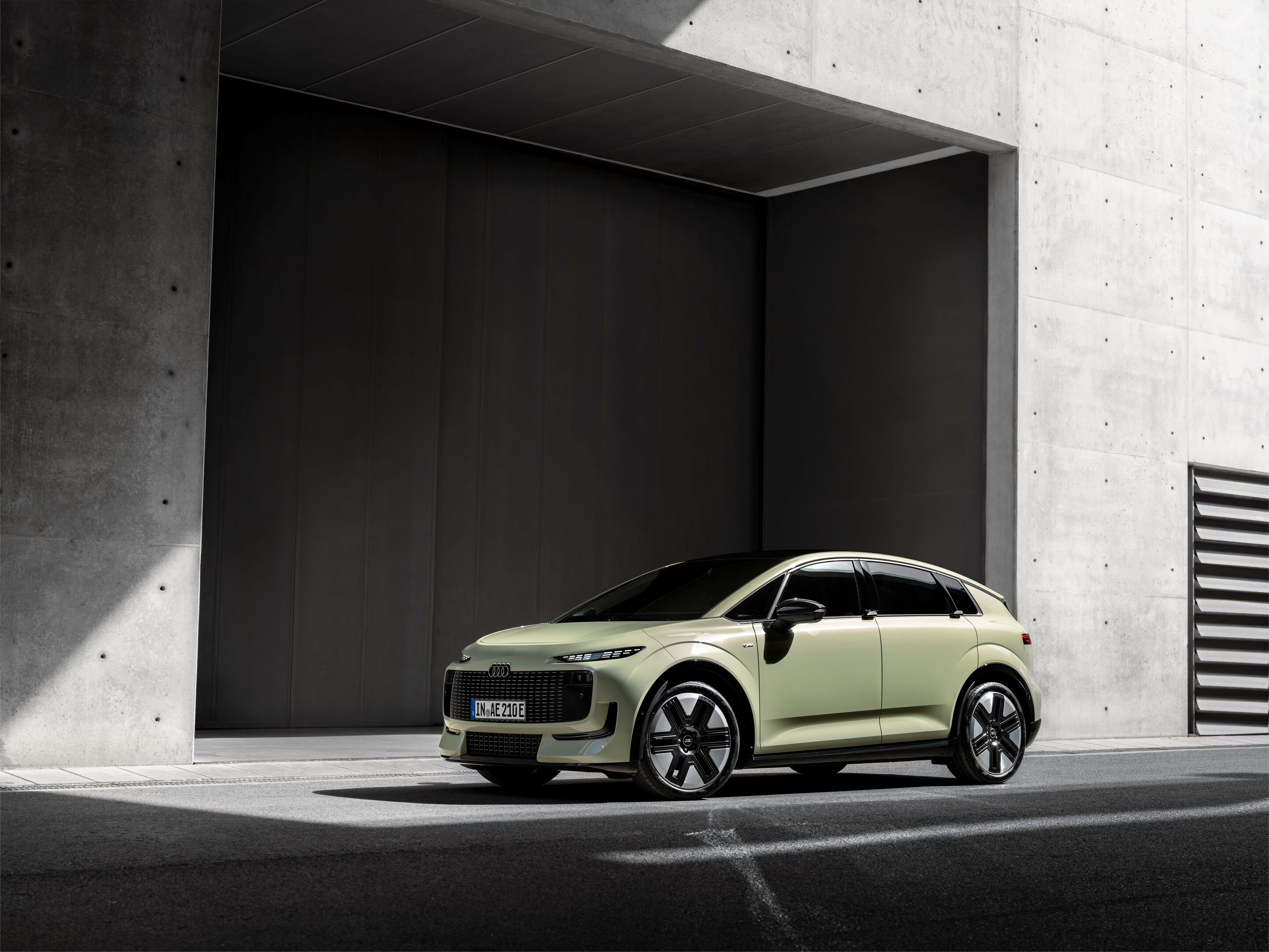
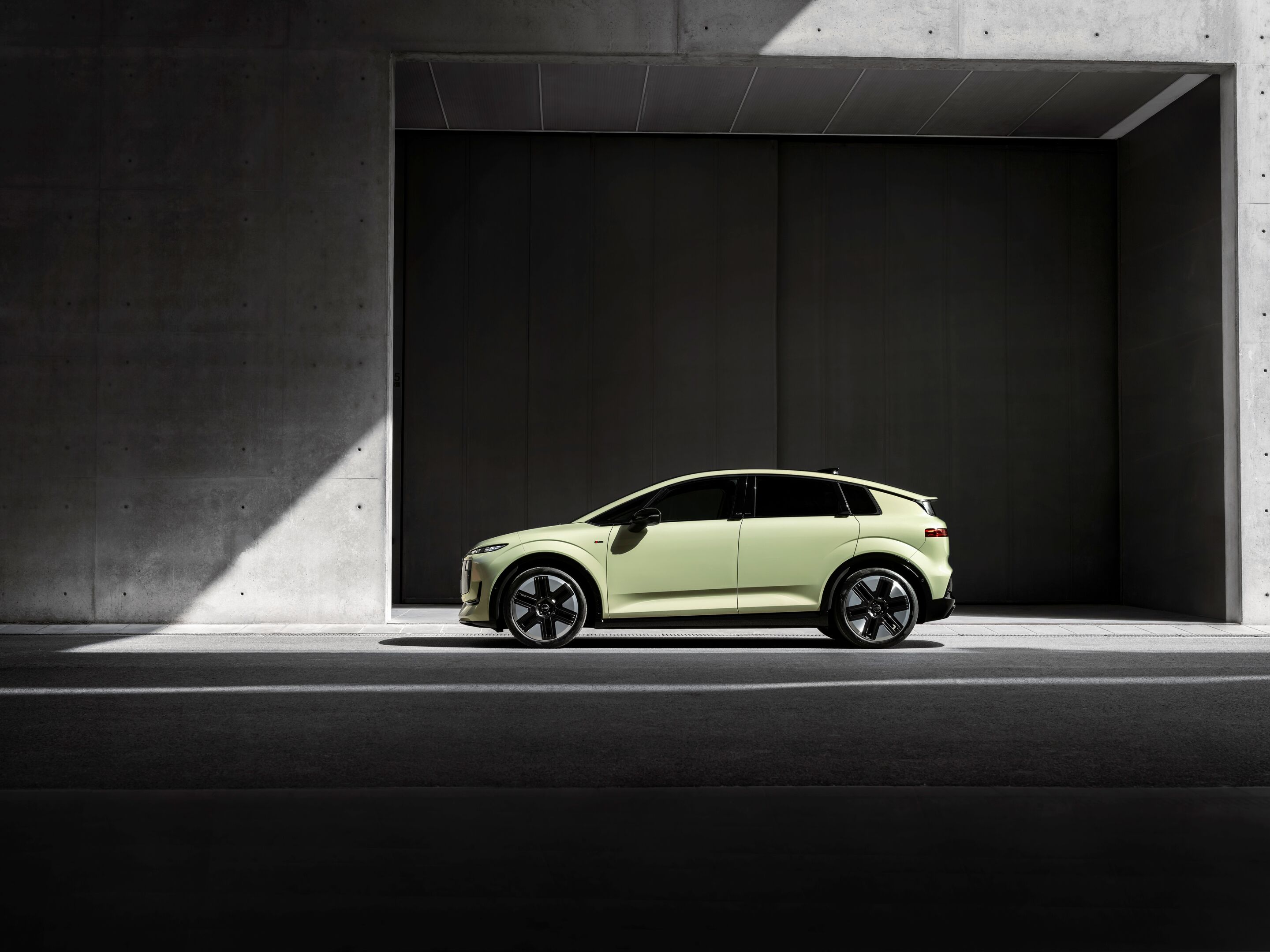
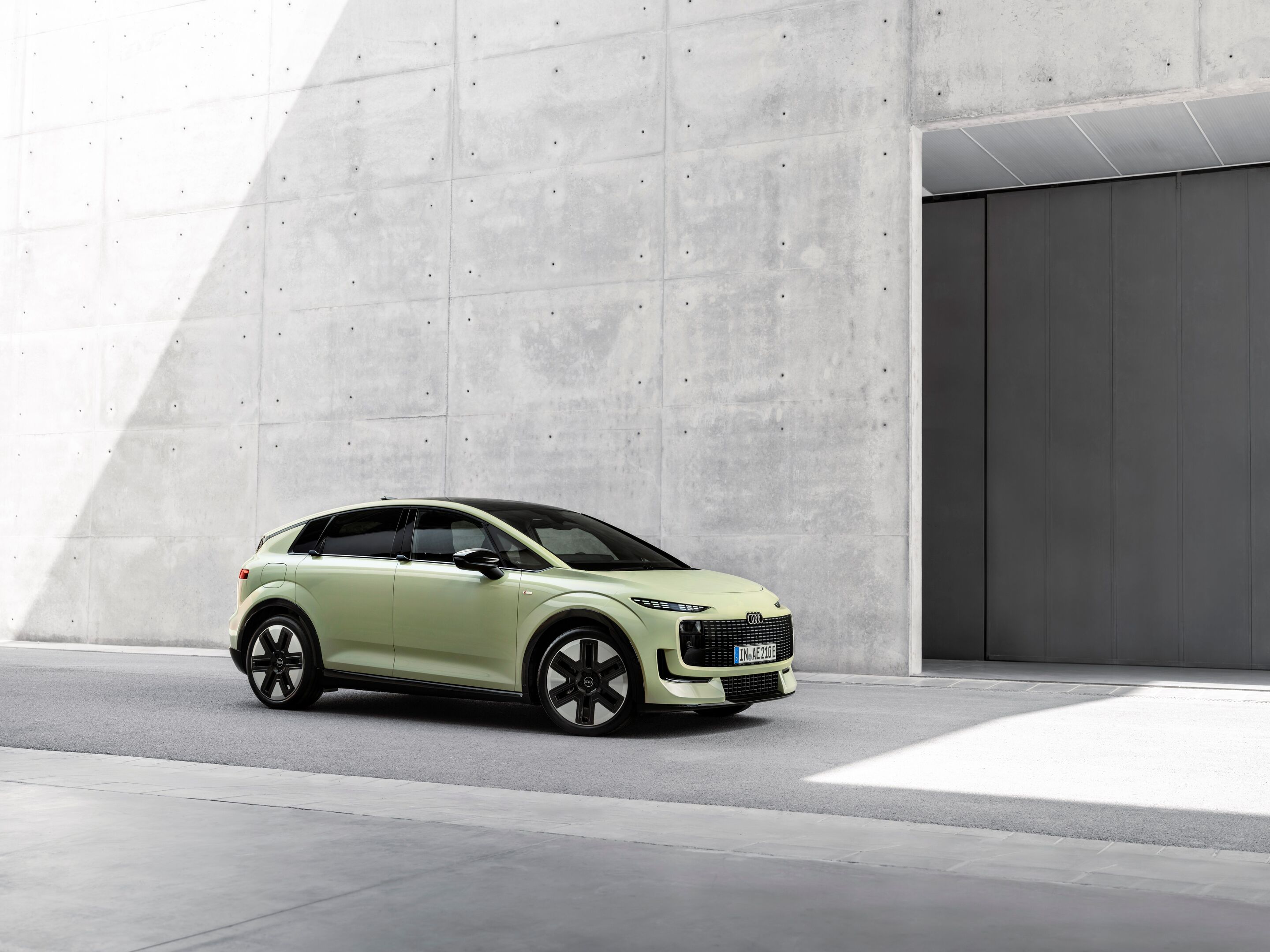
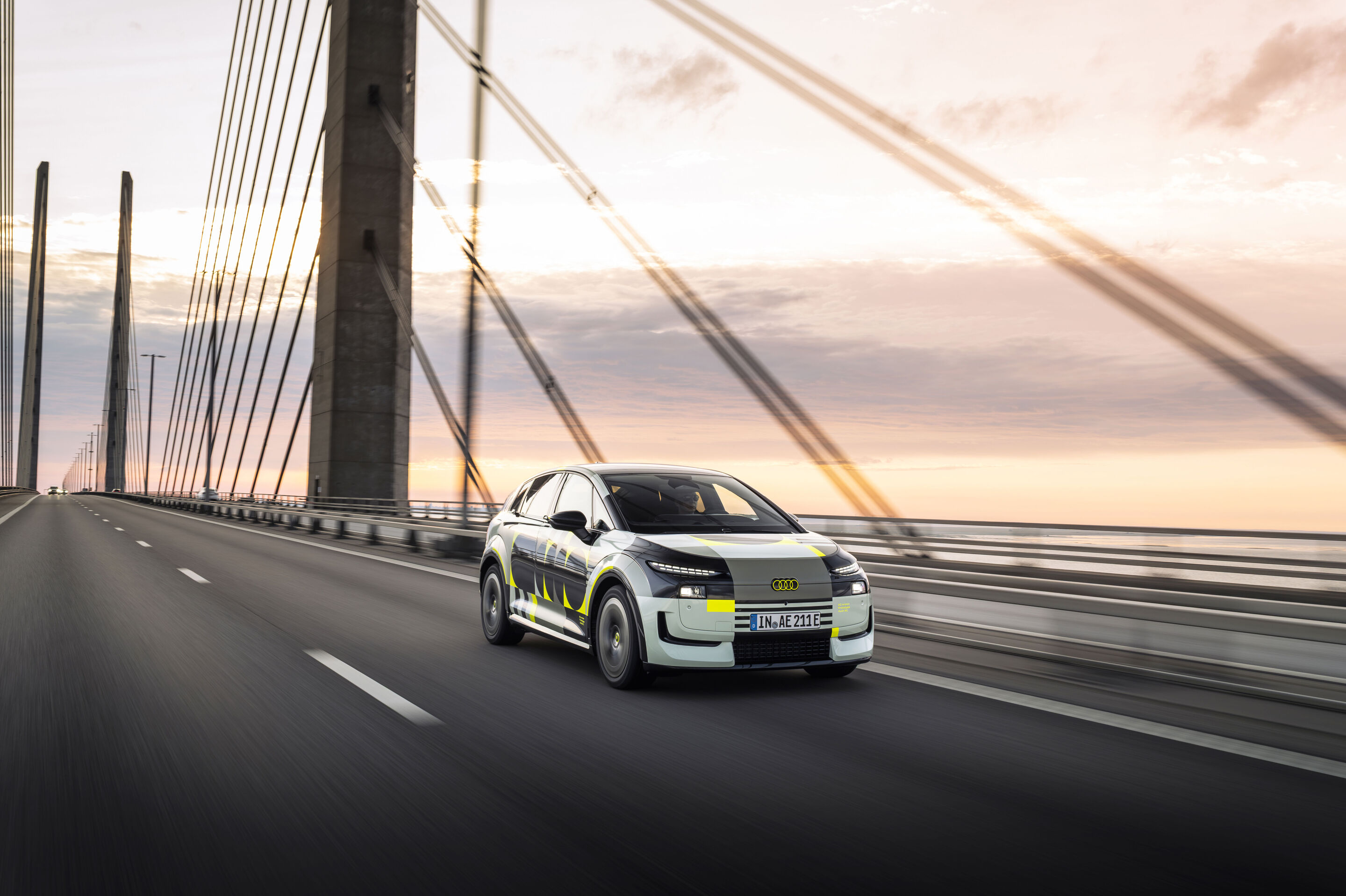
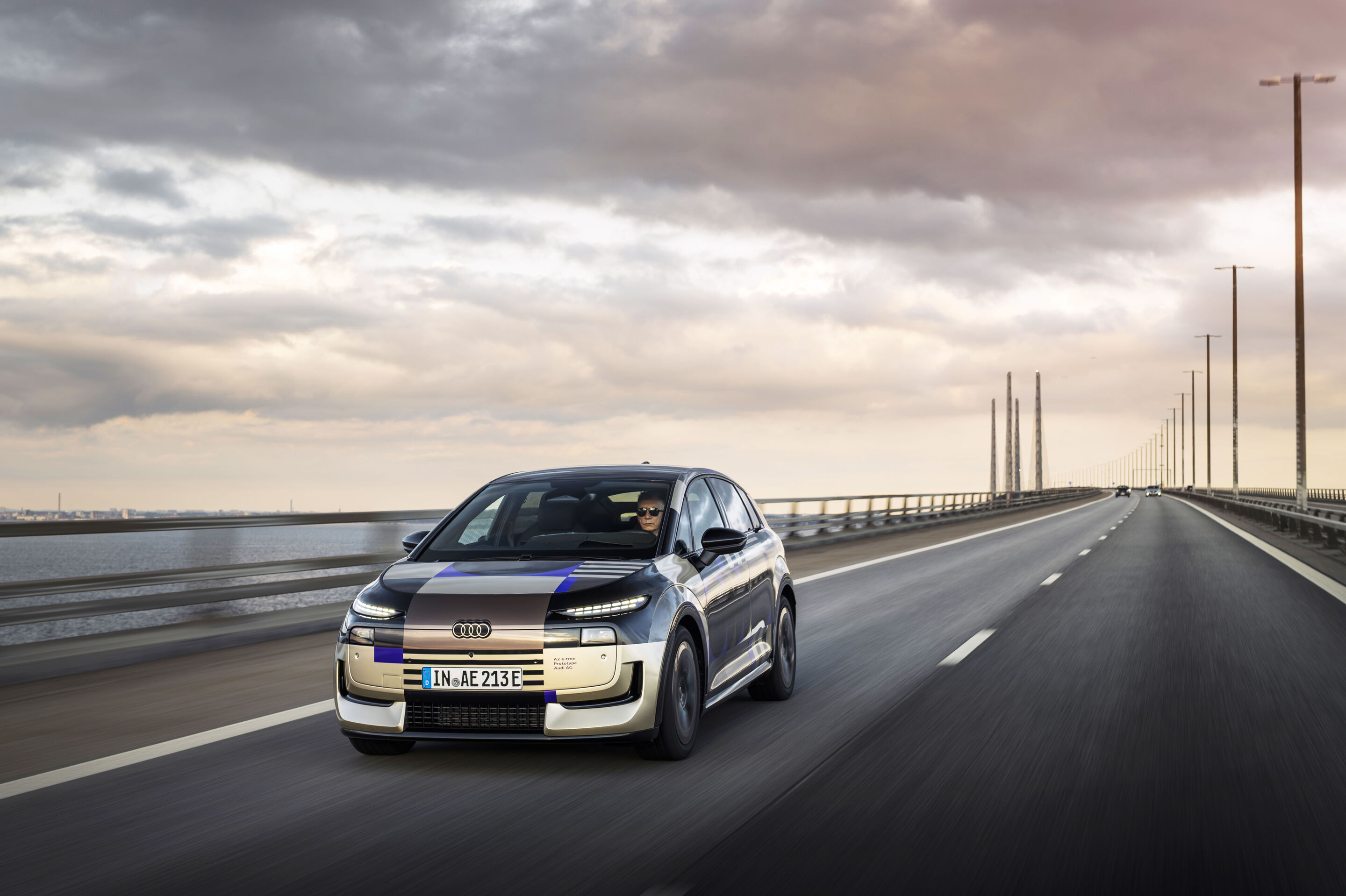
The new Audi A2 e-tron is the most efficient Audi ever. According to WLTP measurements, the future electric compact model with a power output rating of 140 kW and optional efficiency package has a provisional power consumption of 12.8 kilowatt-hours per 100 kilometers (provisional figure according to WLTP). This is made possible by features such as an optimized battery.
What does efficiency mean in connection with an electric car? Low power consumption? Long range? Fewer charging cycles? “All these things and much more,” says Dr. Benedikt Hackl, project manager for energy systems for the MEB product line. “For the Audi A2 e-tron, it was also important to us that the battery should be as durable as possible – i.e. maintain its performance over a long period of time.”
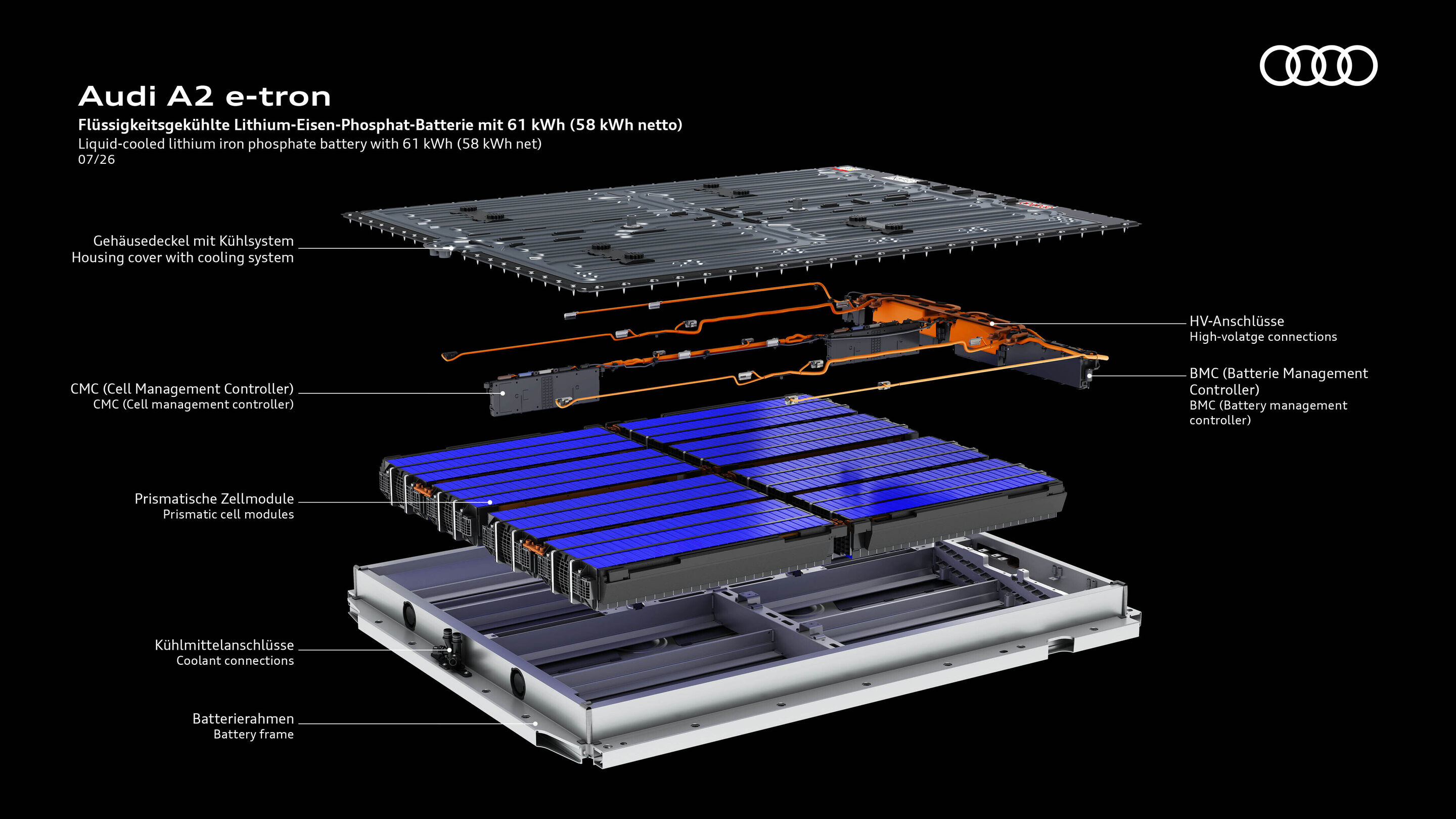
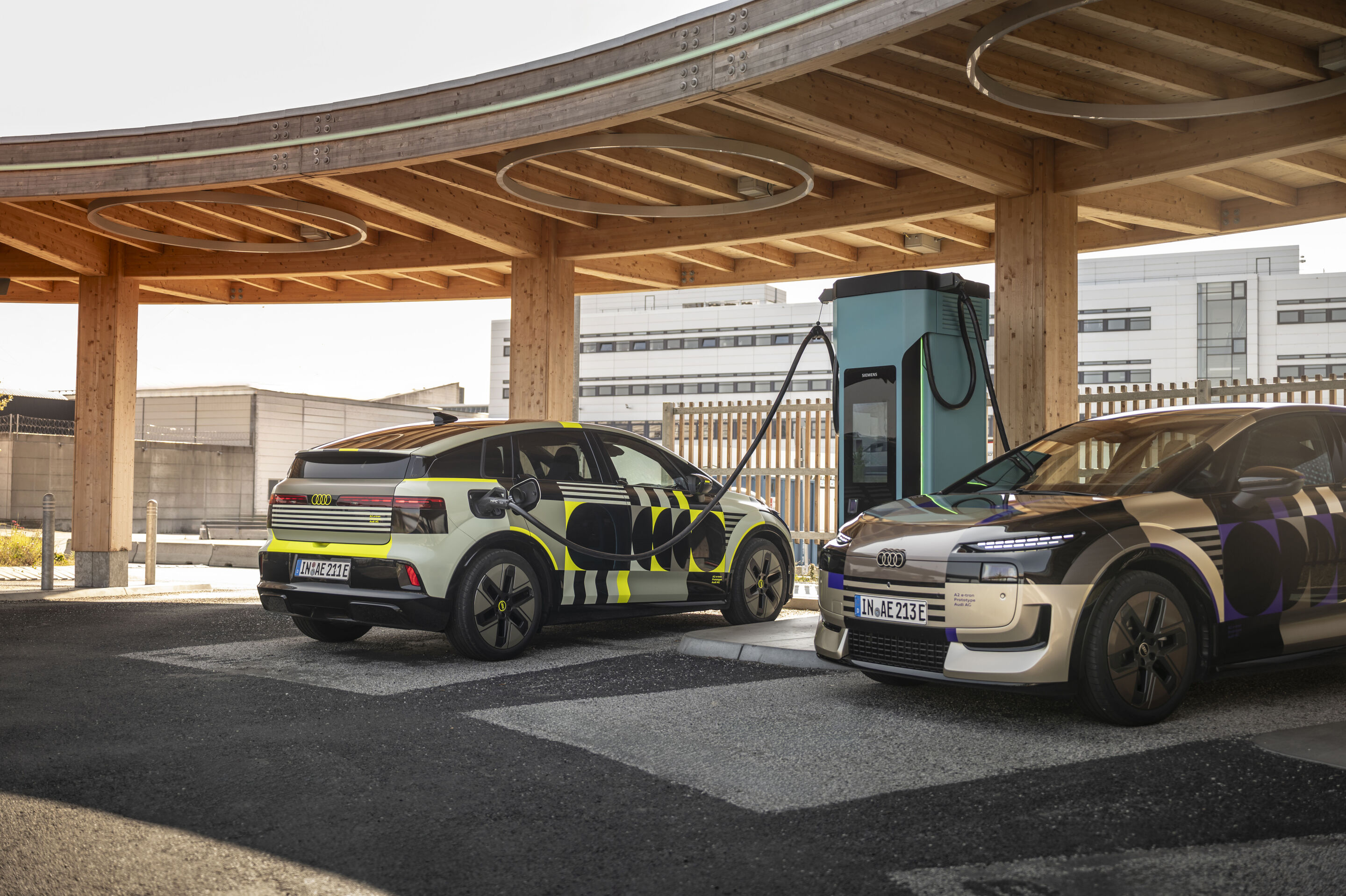
Lithium-iron-phosphate (LFP) batteries are used in the Audi A2 e-tron 140 kW. With these, vehicles can be charged from 10 to 80 percent at fast-charging stations with up to 105 kW in 26 minutes (WLTP). LFP batteries offer further advantages which are relevant for electric cars for everyday use.
Compact layout for higher energy density and more space
The battery cells are directly bonded into the housing in what is known as a cell-to-pack solution. This increases the energy content of the high-voltage system. Batteries with this design offer a longer range than other battery types of the same size, or they can achieve the same range with a smaller battery size. An advantage in terms of spaciousness: the battery requires less vertical installation space, which benefits legroom and sitting position inside the vehicle.
Cell chemistry: robust and durable
LFP batteries do not require rare earth elements, nickel or cobalt. In addition to this, they age more slowly than many alternatives due to their more stable cell chemistry. Due to its characteristically flat voltage curve, the LFP battery maintains a high voltage even as the charge level drops. This results in a more even power output compared with other battery technologies. The battery can be charged to 100 percent time and again in everyday use, whereas manufacturers recommend limiting charging to 80 percent for other battery technologies to preserve the battery. In this regard, the LFP battery is particularly robust and regularly enables a full range.
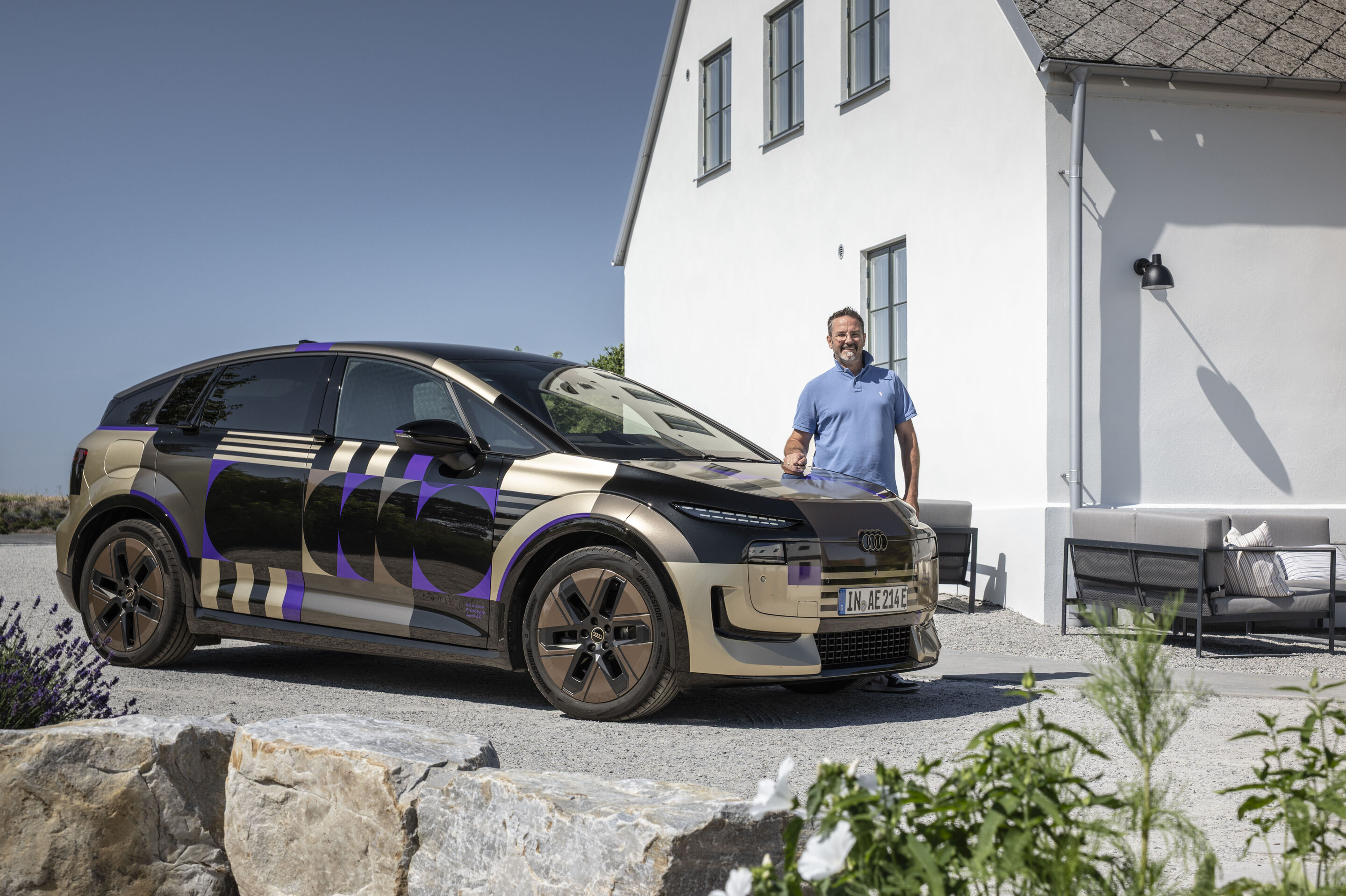
“Good cell chemistry on its own is not enough. The actual efficiency potential is only created when the battery, thermal management system, charging electronics and software are precisely coordinated with each other.”
Dr. Benedikt Hackl, project manager for energy systems for the MEB product line
Ingenious cooling strategy for more stable charging
However, the Audi engineers wanted even more. “Good cell chemistry on its own is not enough,” explains Hackl. “The actual efficiency potential is only created when the battery, thermal management system, charging electronics and software are precisely coordinated with each other.” In everyday use, customers can expect not only short charging times but also stable, understandable and efficient charging behavior in particular. This is why it is so important not only for the battery to merely be charged, but for temperature, power flow and charge level to be optimally combined. It is exactly this combination which was a key focus for the Audi A2 e-tron.
The battery of the Audi A2 e-tron has an optimized cooling strategy. This increases charging efficiency during AC charging to 89.6 percent – an improvement of 1.3 percentage points.
Bidirectional charging: The Audi A2 e-tron as an energy storage unit
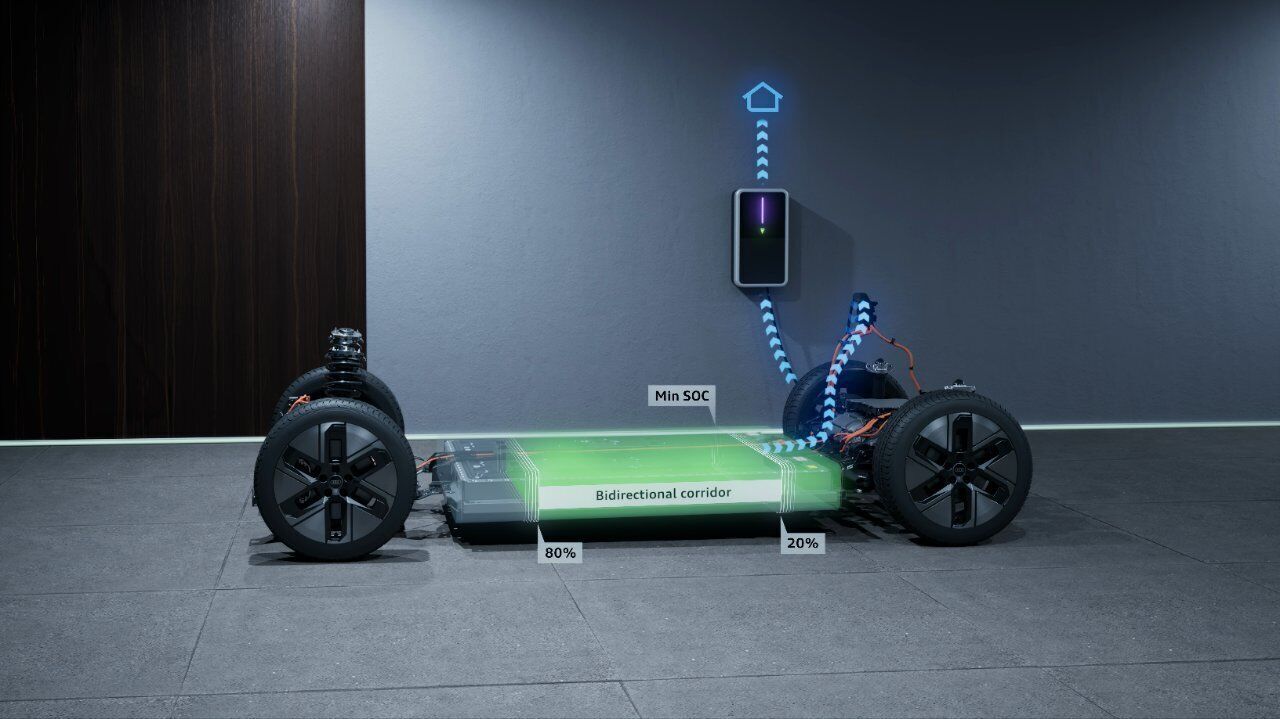
The Audi A2 e-tron can use the energy in its battery not only for driving but also for supplying external consumers. This means, for example, that customers can supply their e-bike with electricity via a power socket in the luggage compartment or an adapter at the charging socket. In addition to this, the Audi A2 e-tron can also function as a home storage unit and supply charged energy to the domestic power grid. “We have created a high-voltage system that not only stores energy but also makes it usable again,” says Hackl. “And exactly that is the crux of efficiency: getting the most possible everyday use out of existing energy.”
The Audi A2 e-tron marks Audi’s entry into the electric compact class. It will make its debut in autumn 2026 and will be available to order from then on. The first deliveries to customers will begin in 2026