Audi A3
For generations, the A3 model family has appealed to a wide audience. Whether Sportback, Sedan or allstreet, whether with gasoline or diesel engine, plug-in hybrid, or the sporty S3 and RS 3 – the A3 model family offers exceptional variety for a wide range of customer needs. All variants feature a newly designed interior, enhanced equipment and a consistently refined user experience.
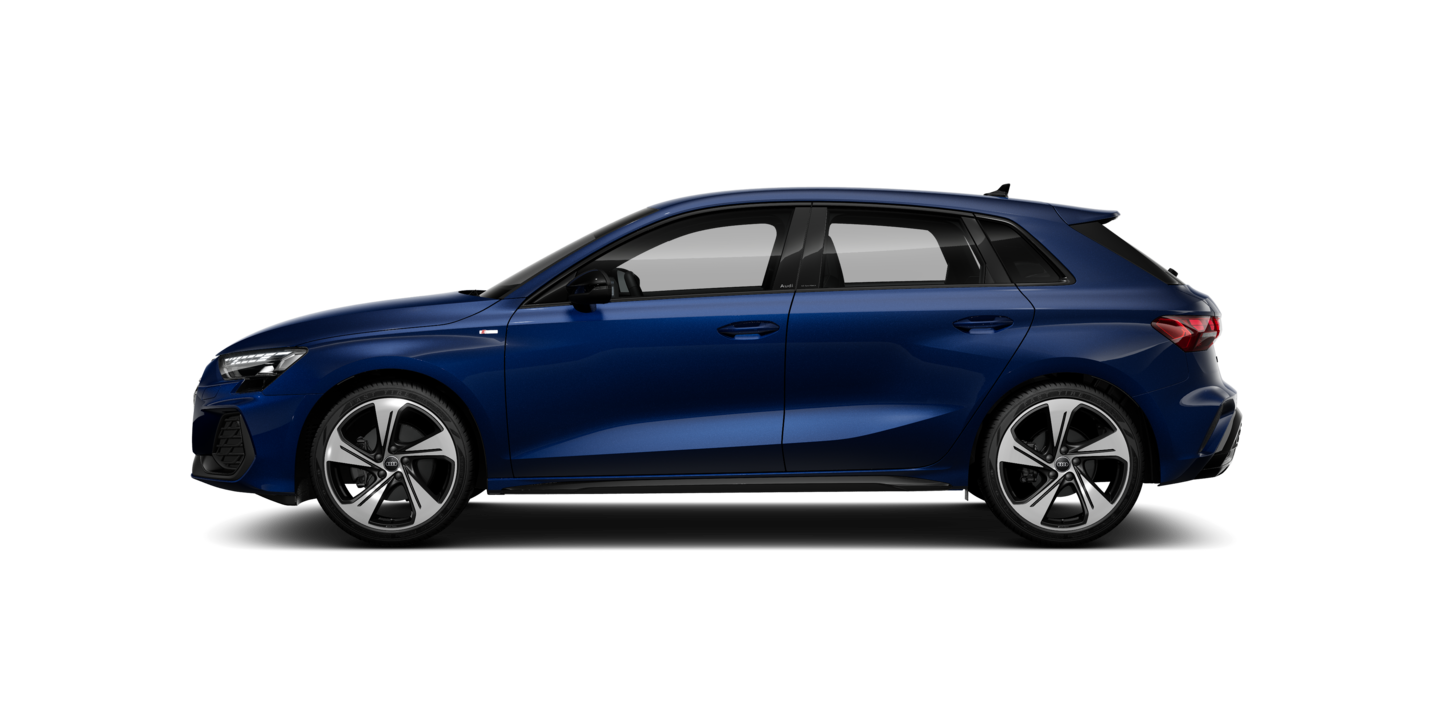
A3 Sportback
Fuel consumption (combined)*: 6.2–4.4 in l/100 km; CO2 emissions (combined)*: 140–117 in g/km; CO2 classes*: E–D
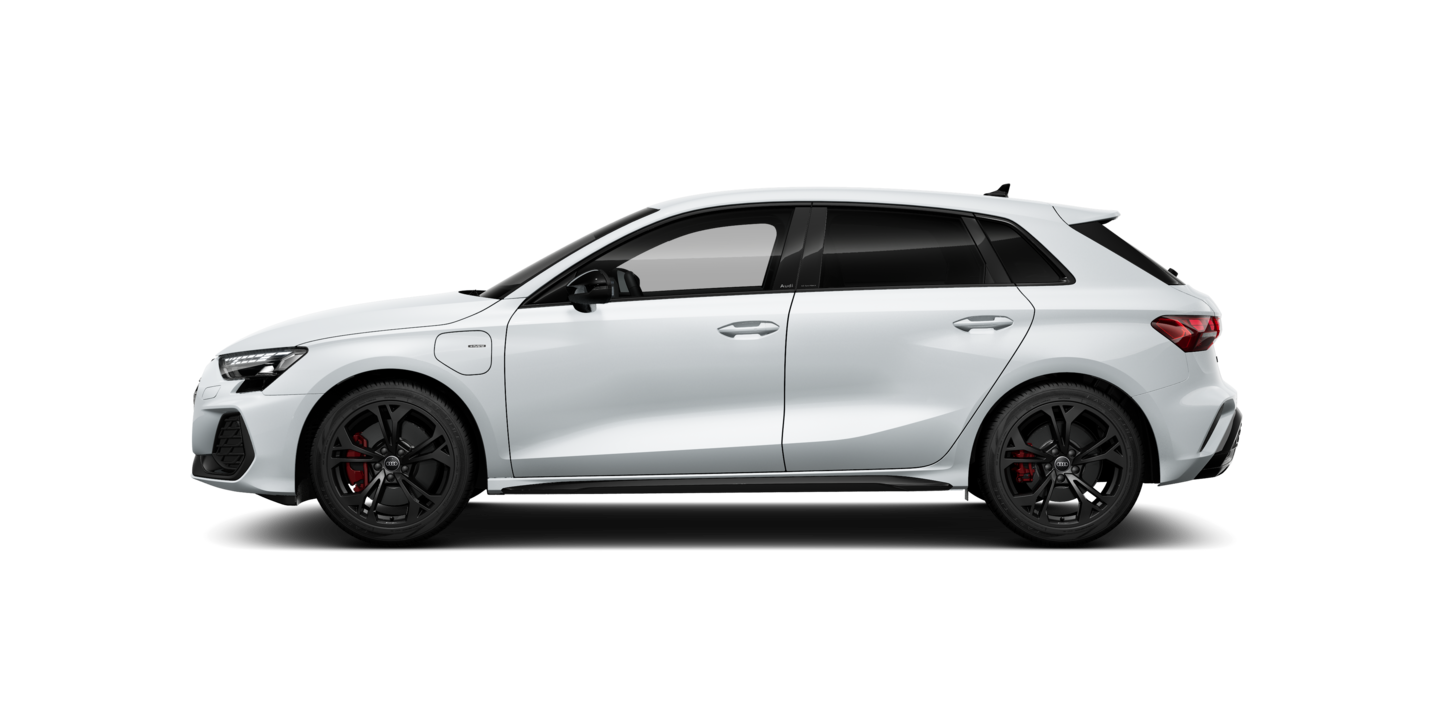
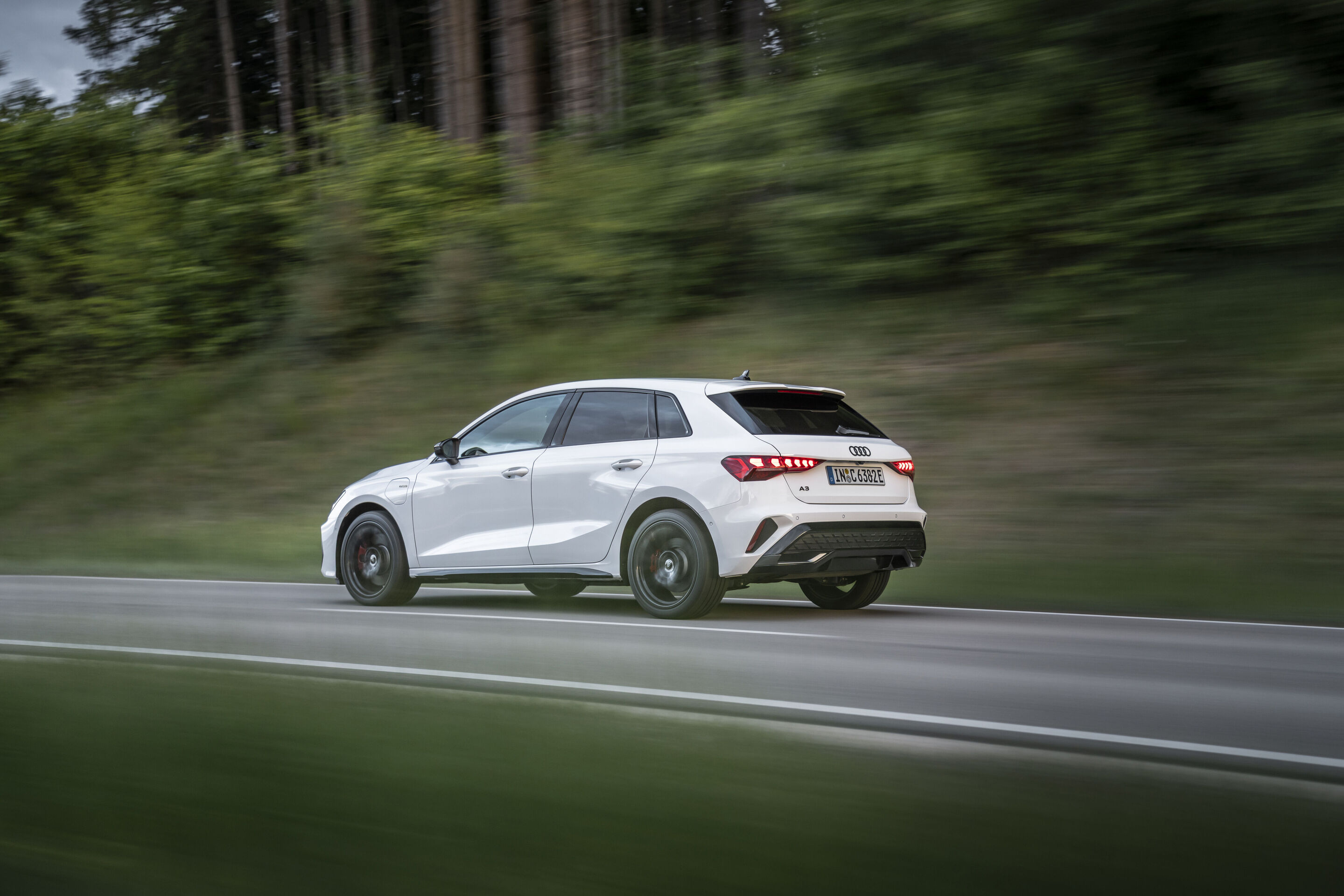
A3 Sportback e-hybrid
Fuel consumption (weighted, combined)*: 1.4–1.1 l/100 km; power consumption (weighted, combined)*: 13.1–12.2 kWh/100 km; CO2 emissions (weighted, combined)*: 32–25 g/km; CO2 class (weighted, combined)*: B; fuel consumption on discharged battery (combined)*: 5.4–5.0 l/100 km; CO2 classes on discharged battery*: D-C
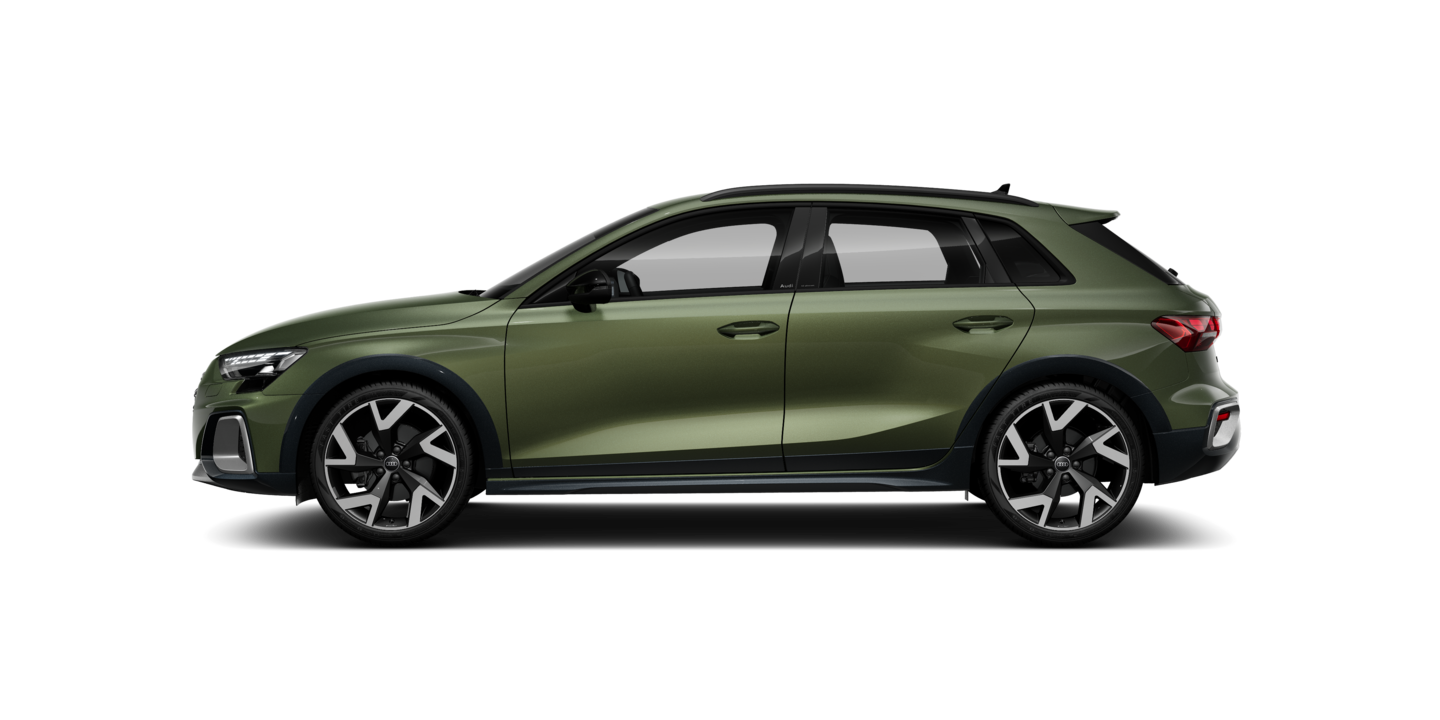
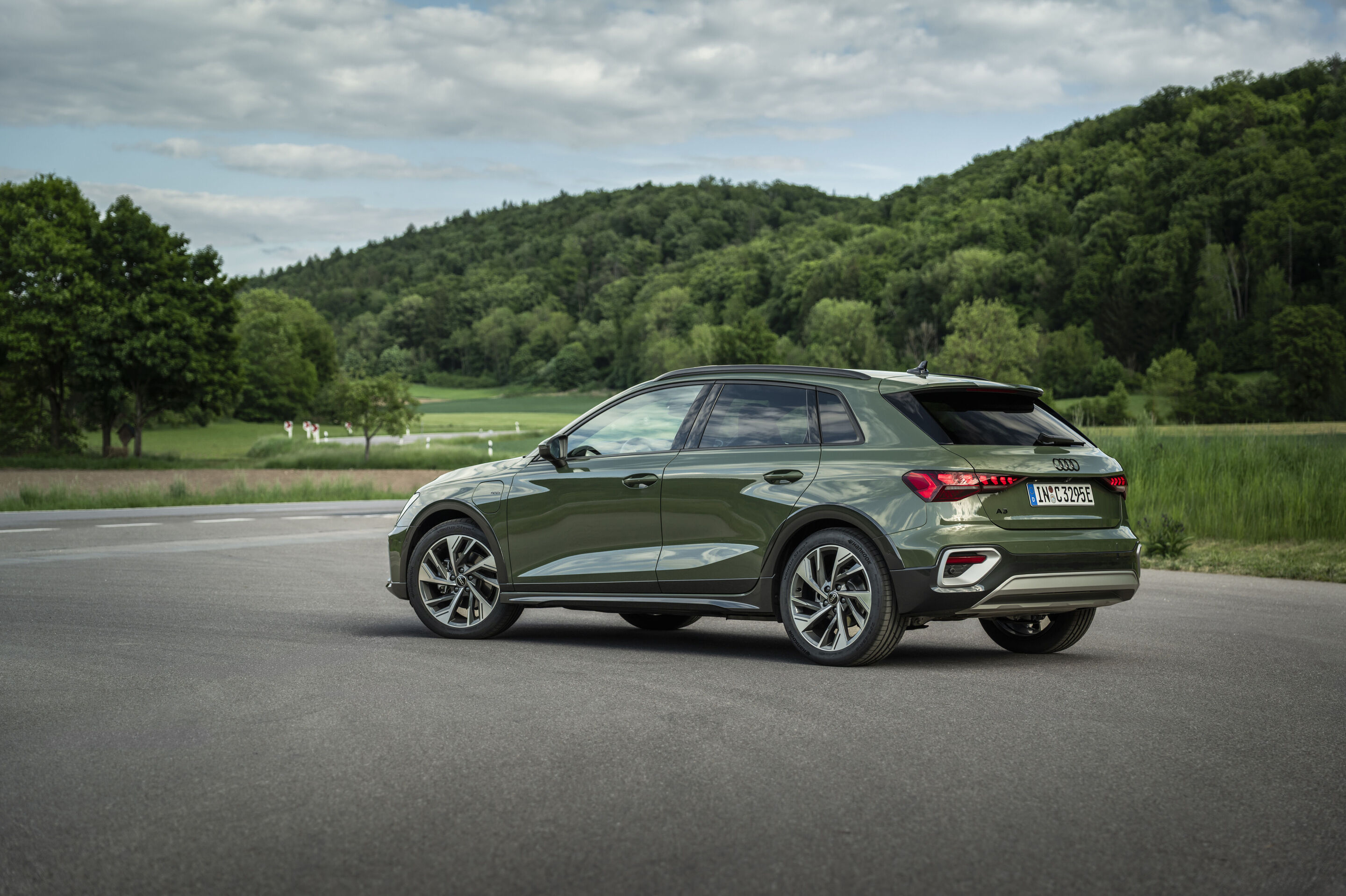
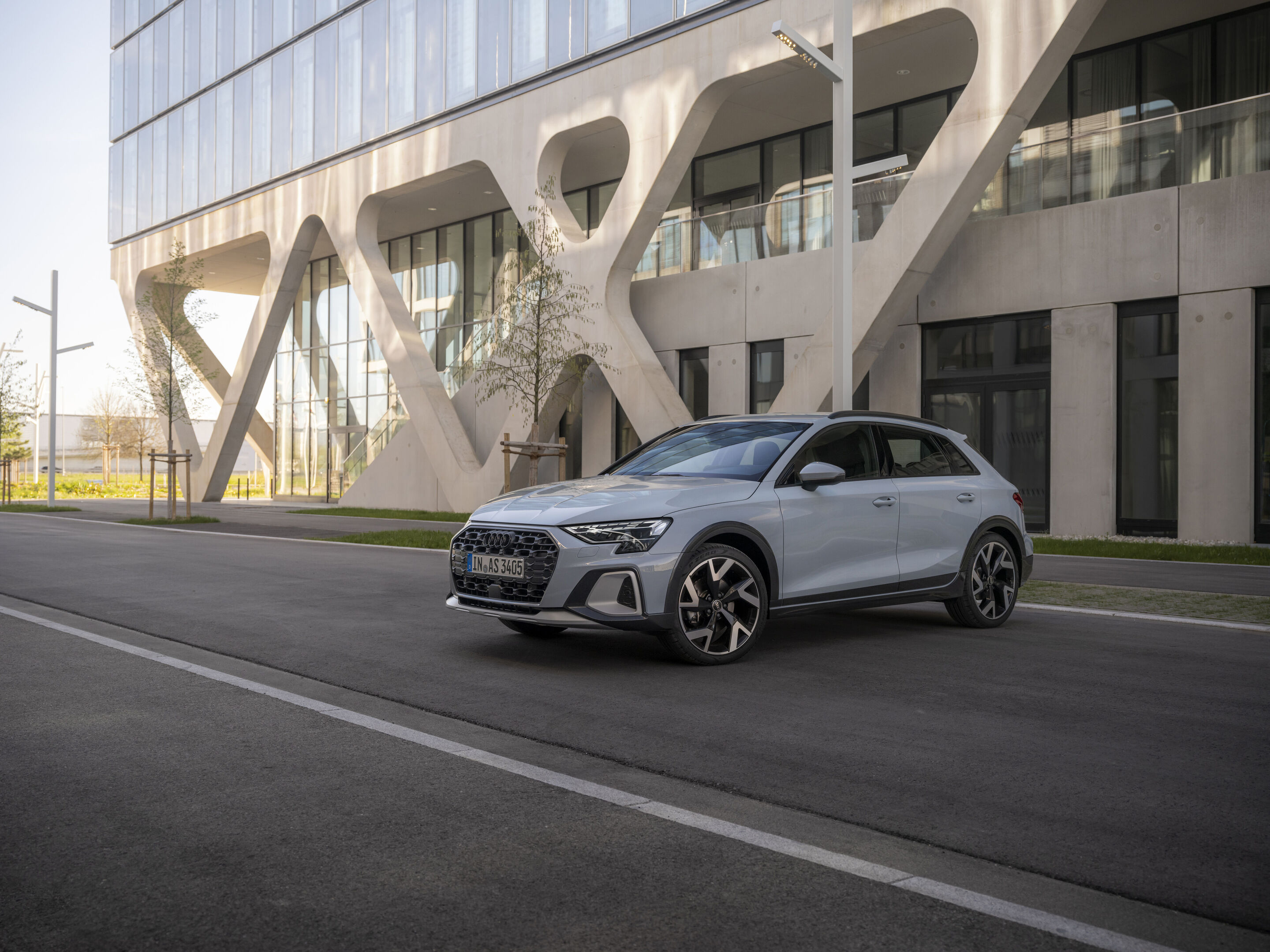
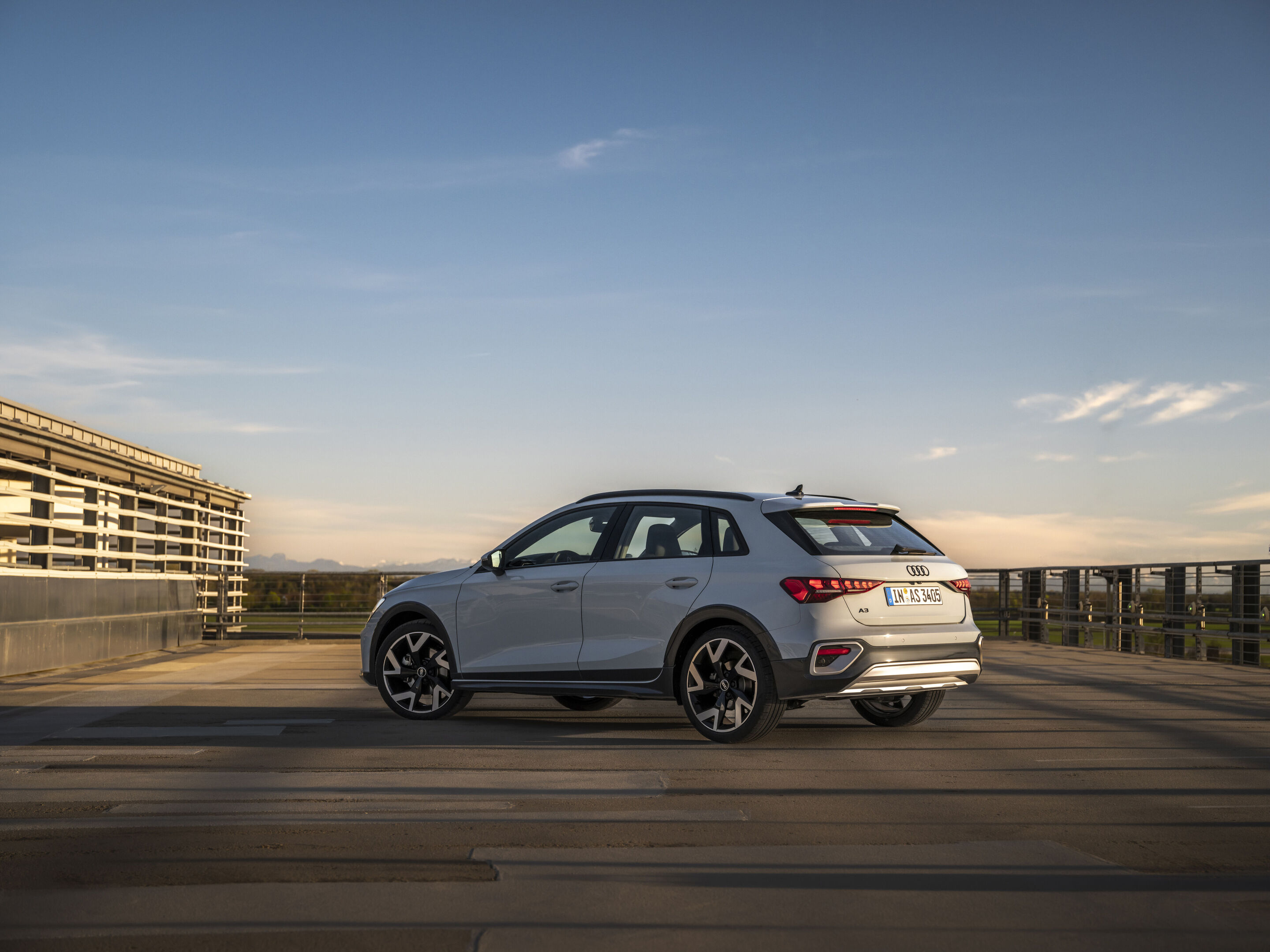
A3 allstreet
Fuel consumption (combined)*: 6.2–5.0 in l/100 km; CO2 emissions (combined)*: 141–130 in g/km; CO2 classes*: E–D
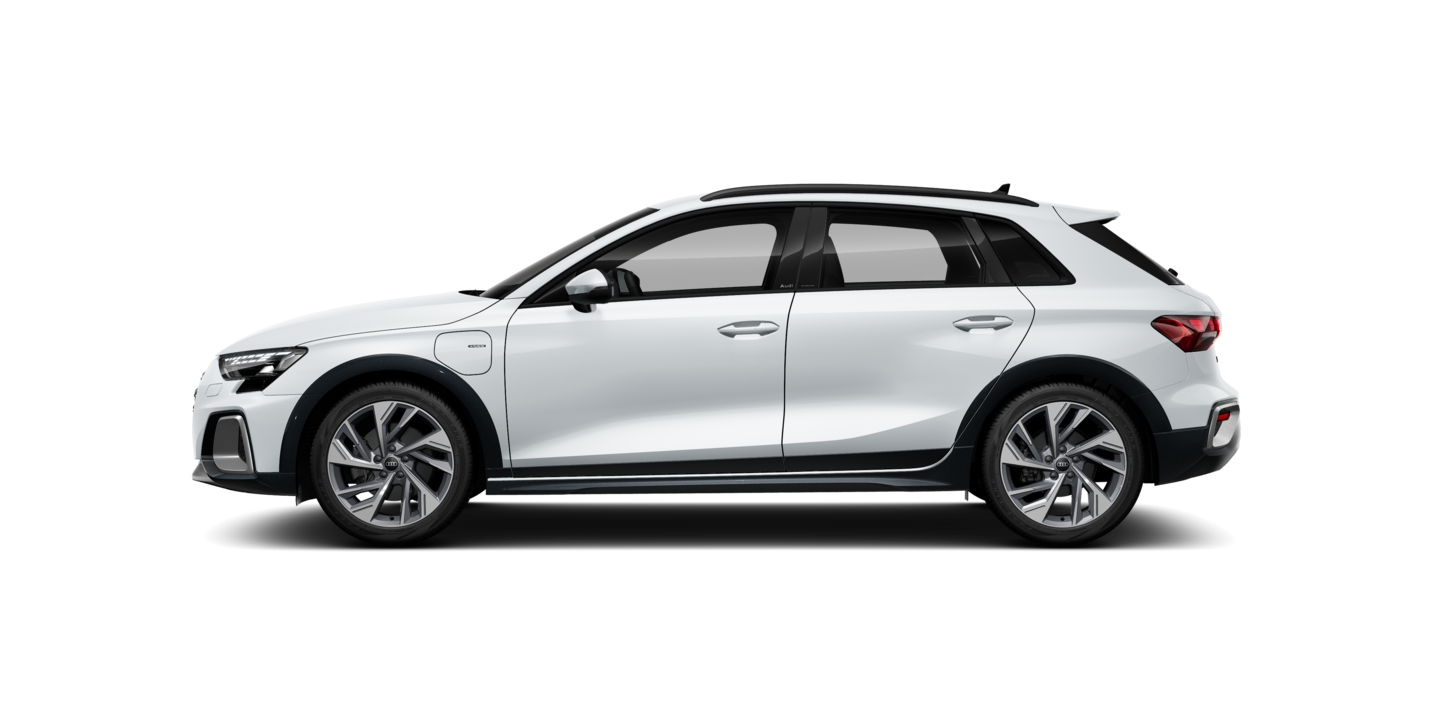
Audi A3 allstreet e-hybrid
Fuel consumption (weighted, combined)*: 1.4–1.2 l/100 km; power consumption (weighted, combined)*: 12.9–12.4 kWh/100 km; CO2 emissions (weighted, combined)*: 31–26 g/km; CO2 class (weighted, combined)*: B; fuel consumption on discharged battery (combined)*: 5.3–5.0 l/100 km; CO2 classes on discharged battery*: D–C
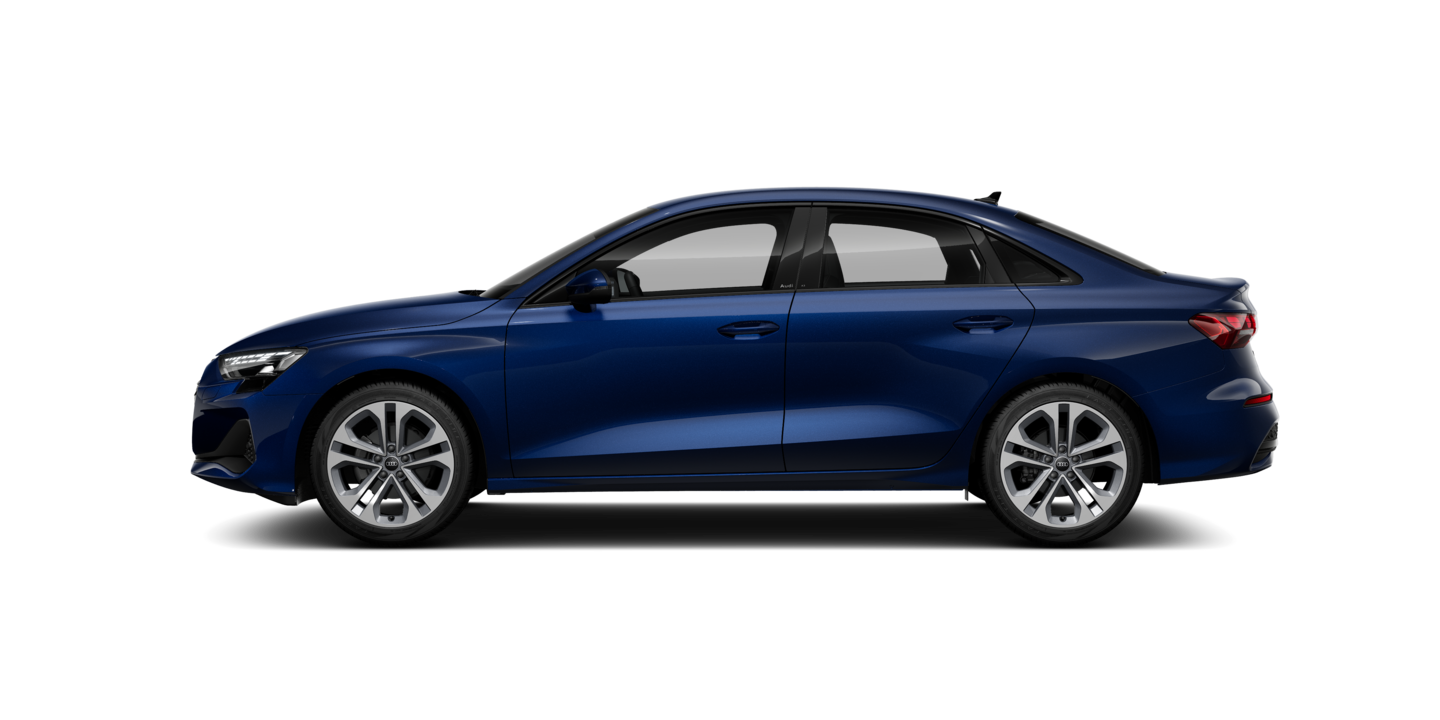
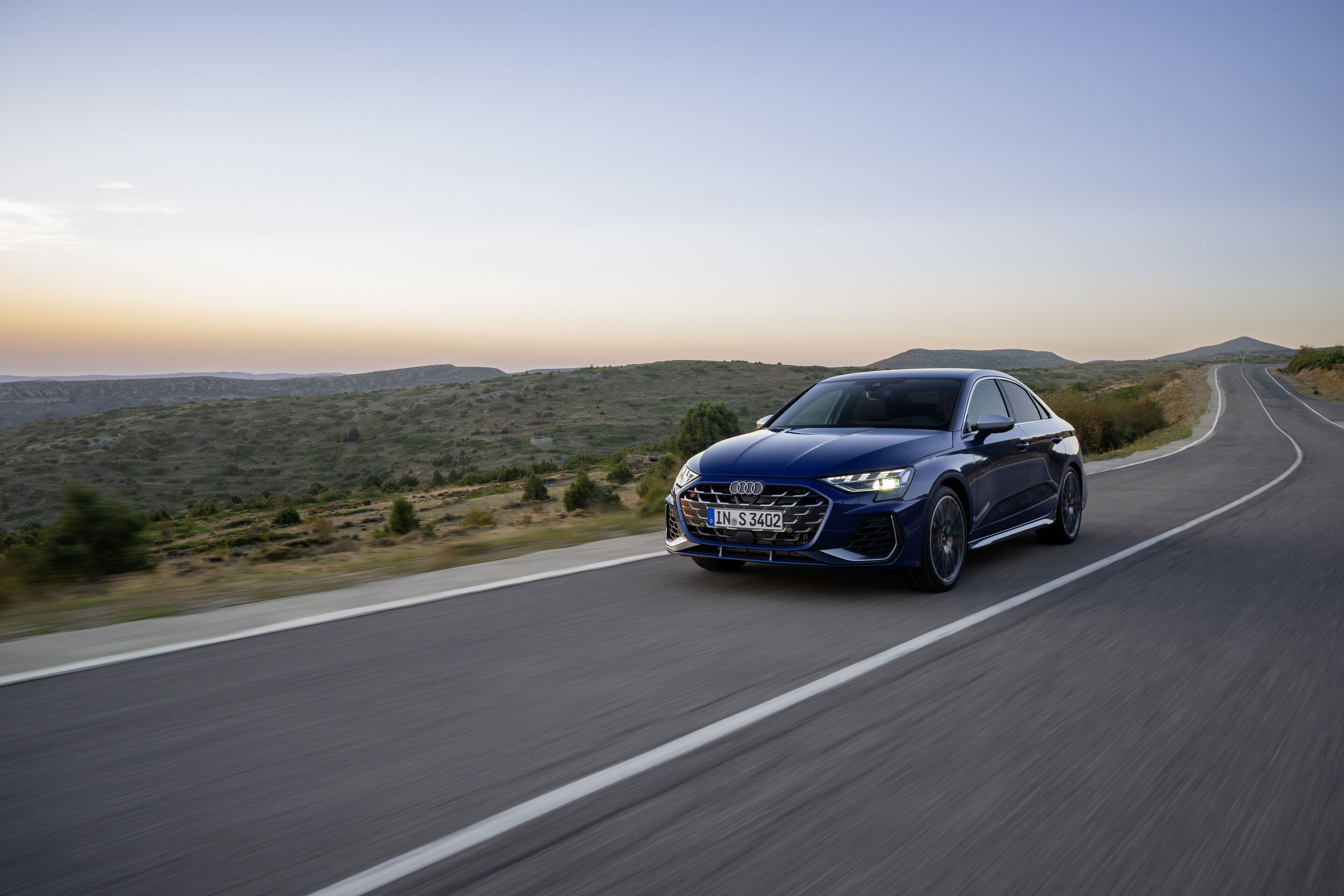
A3 Sedan
Fuel consumption (combined)*: 6.0–4.4 in l/100 km; CO2 emissions (combined)*: 123–115 in g/km; CO2 classes*: E–C
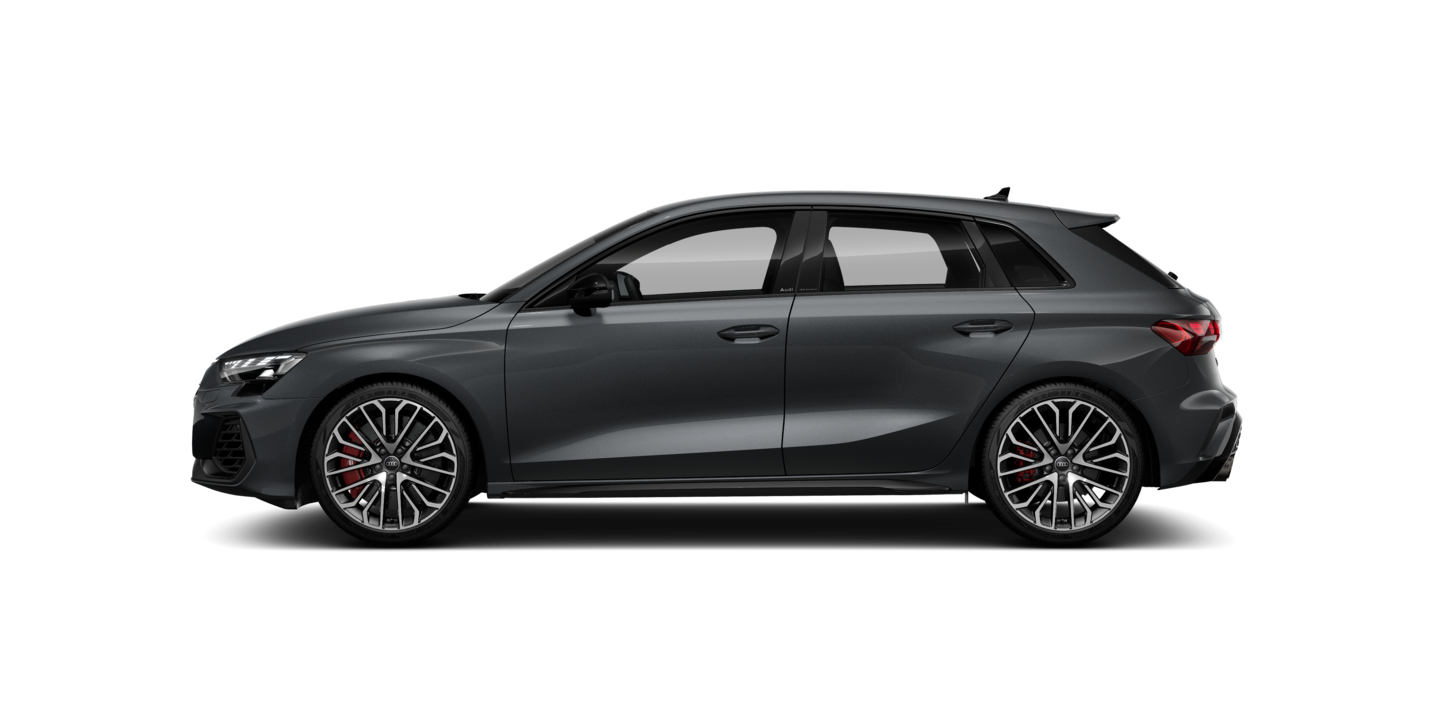
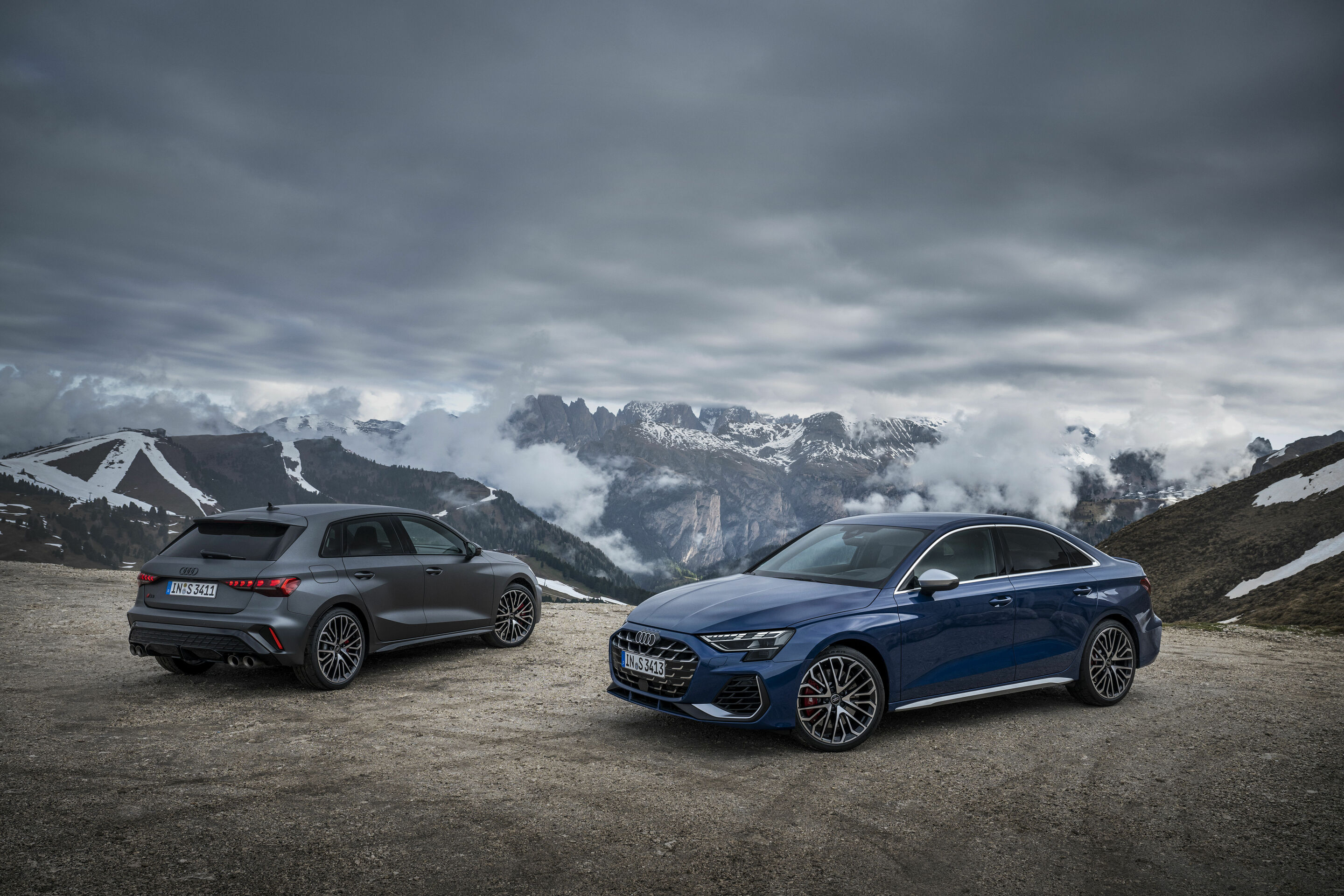
S3 Sportback
Fuel consumption (combined)*: 8.5–8.3 in l/100 km; CO2 emissions (combined)*: 194–189 in g/km; CO2 class*: G
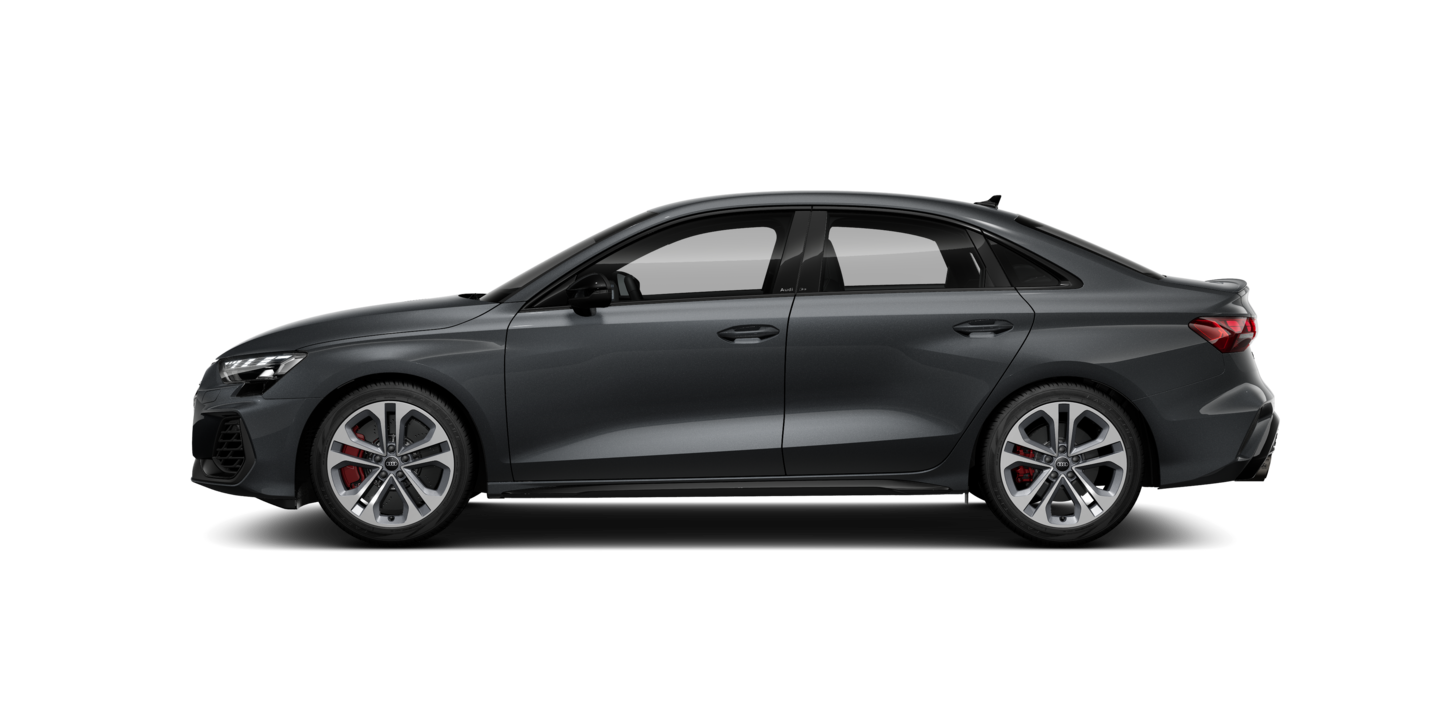
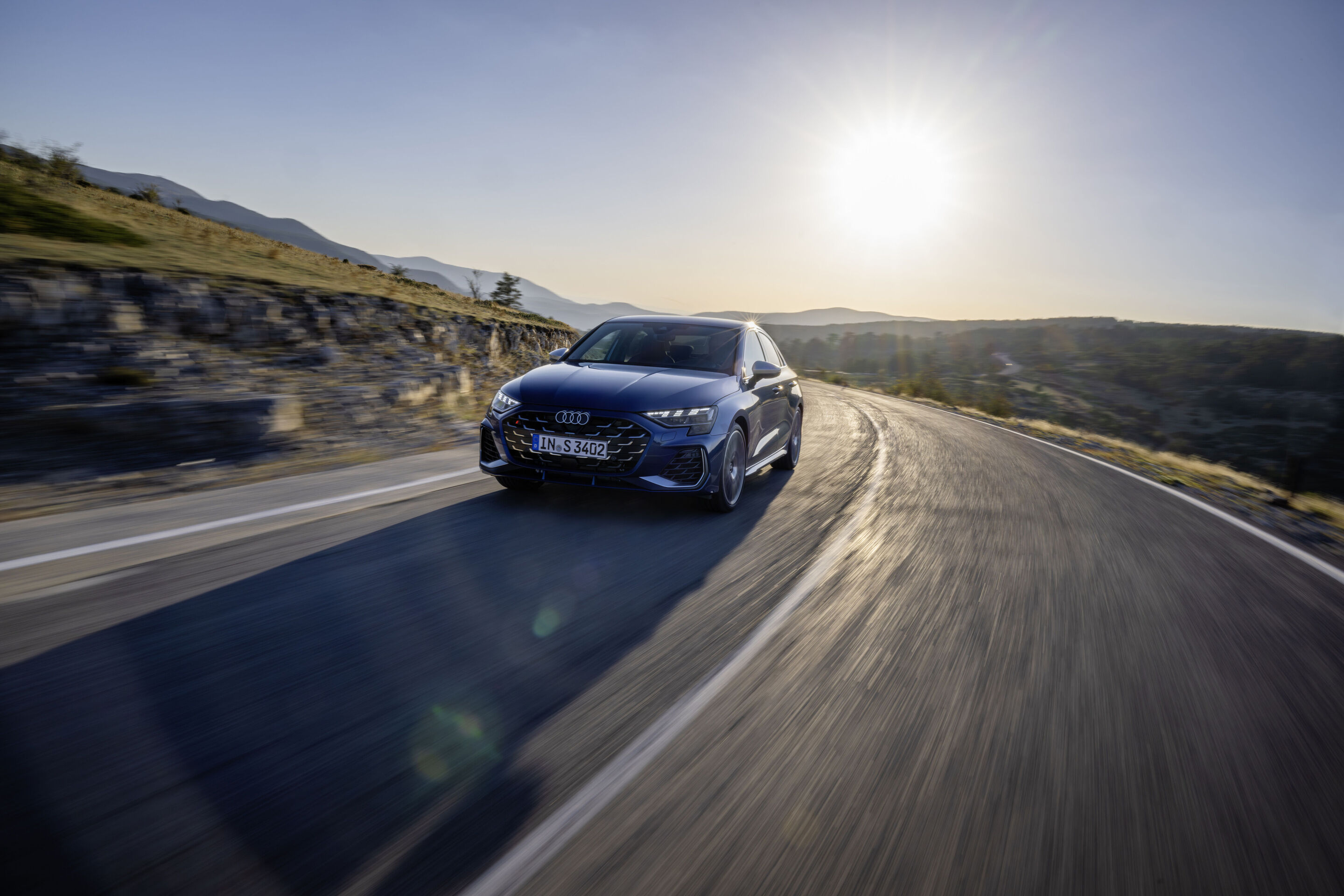
S3 Sedan
Fuel consumption (combined)*: 8.2–8.0 in l/100 km; CO2 emissions (combined)*: 186–182 in g/km; CO2 class*: G

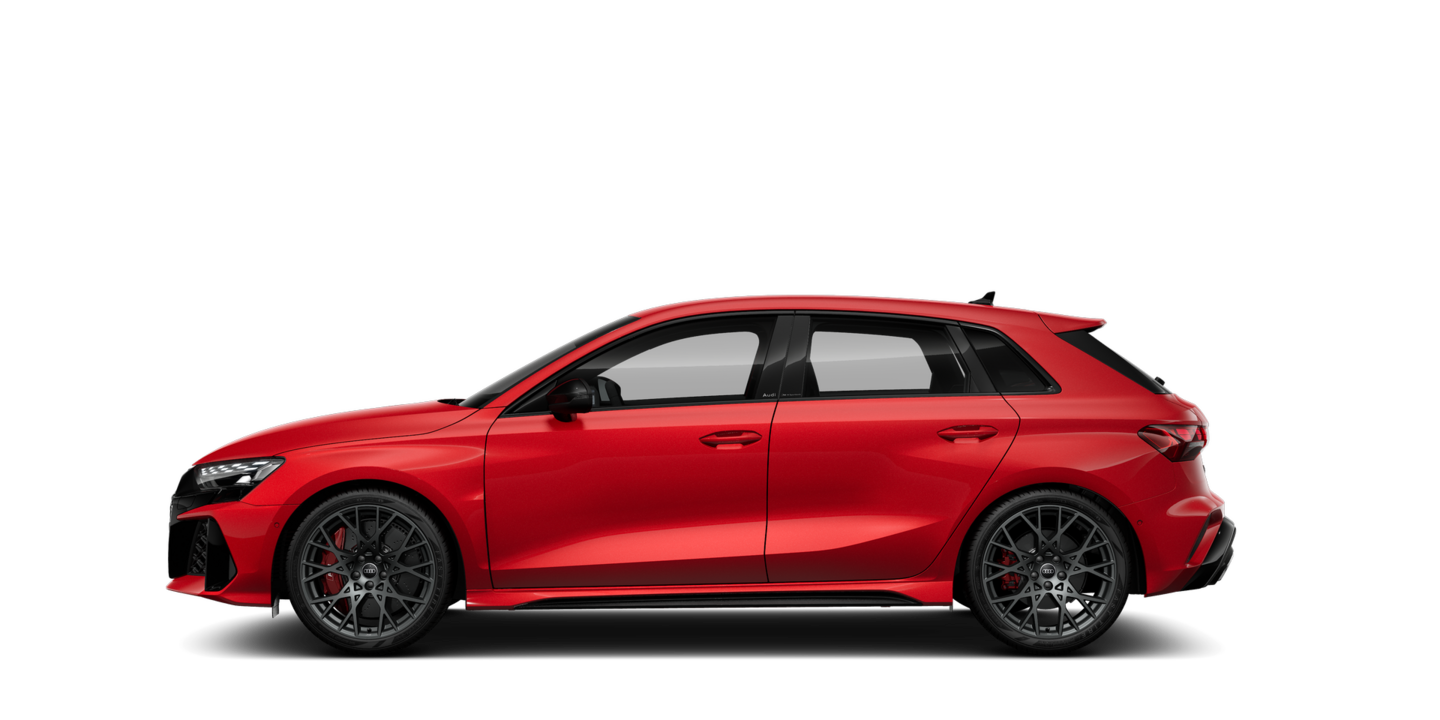
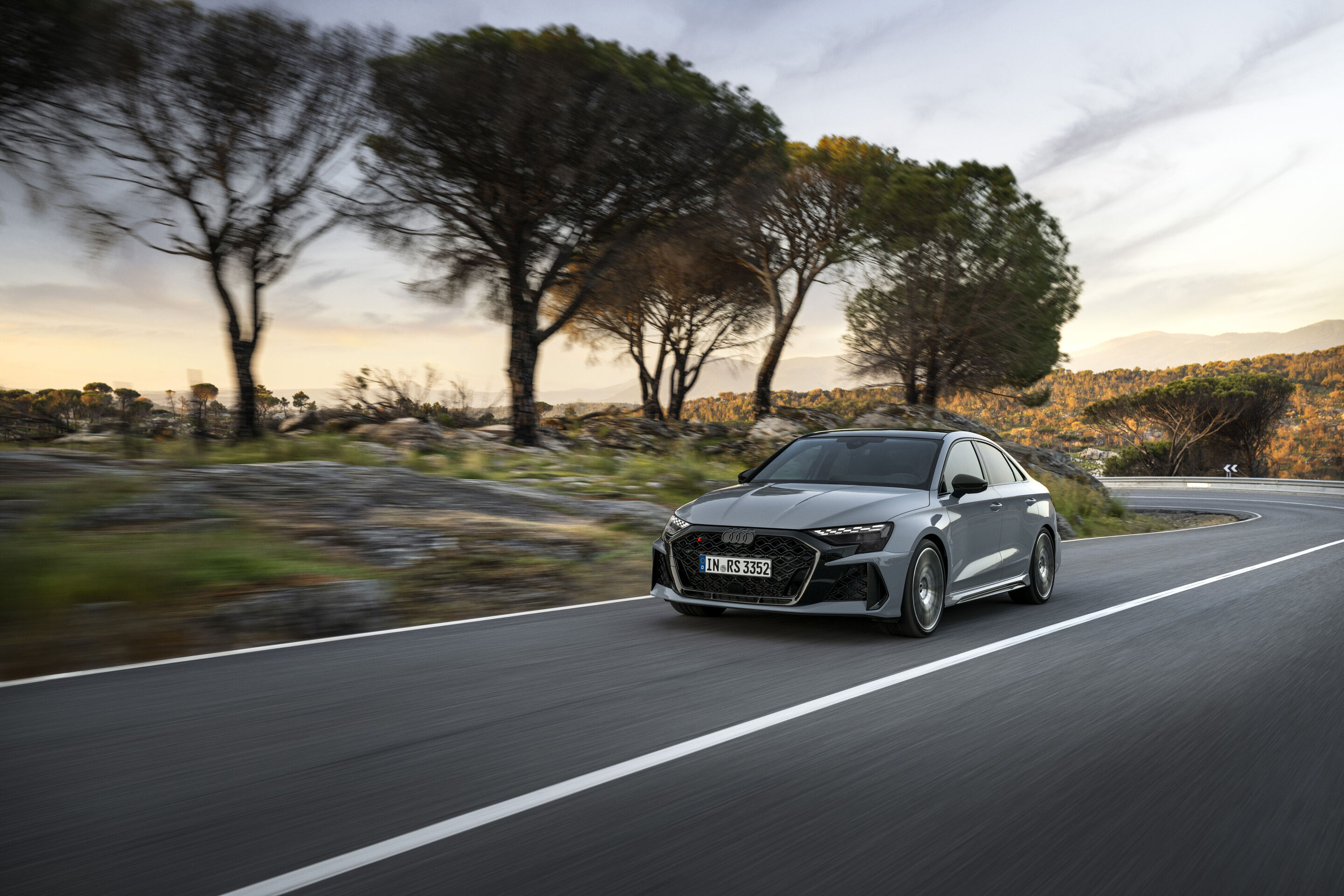
RS 3 Sportback
Fuel consumption (combined)*: 9.4–9.0 in l/100 km (preliminary figures); CO2 emissions (combined)*: 214–205 in g/km (preliminary figures); CO2 class*: G (preliminary figures)
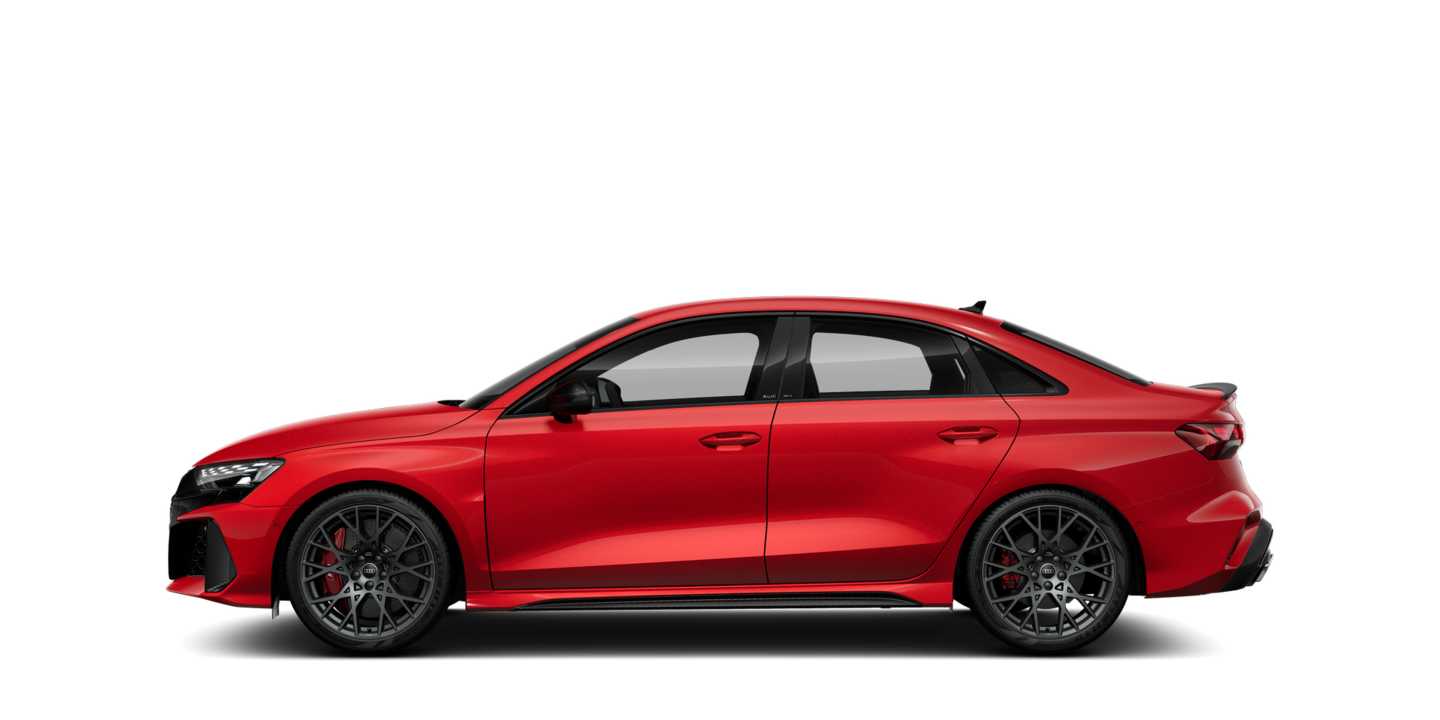
RS 3 Sedan
Fuel consumption (combined)*: 9.3–8.9 in l/100 km (preliminary figures); CO2 emissions (combined)*: 210–201 in g/km (preliminary figures); CO2 class*: G (preliminary figures)

BasicInfo
-
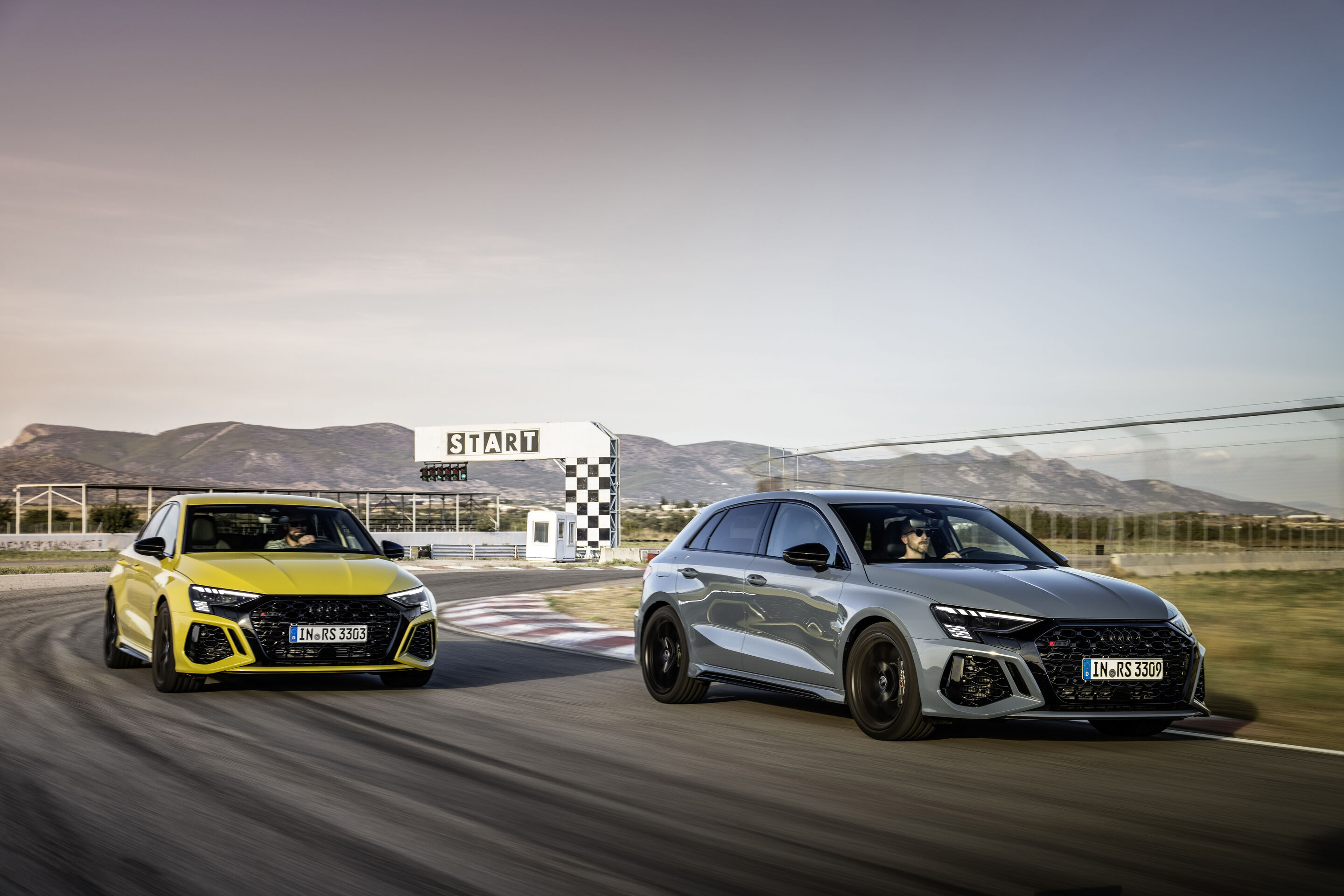
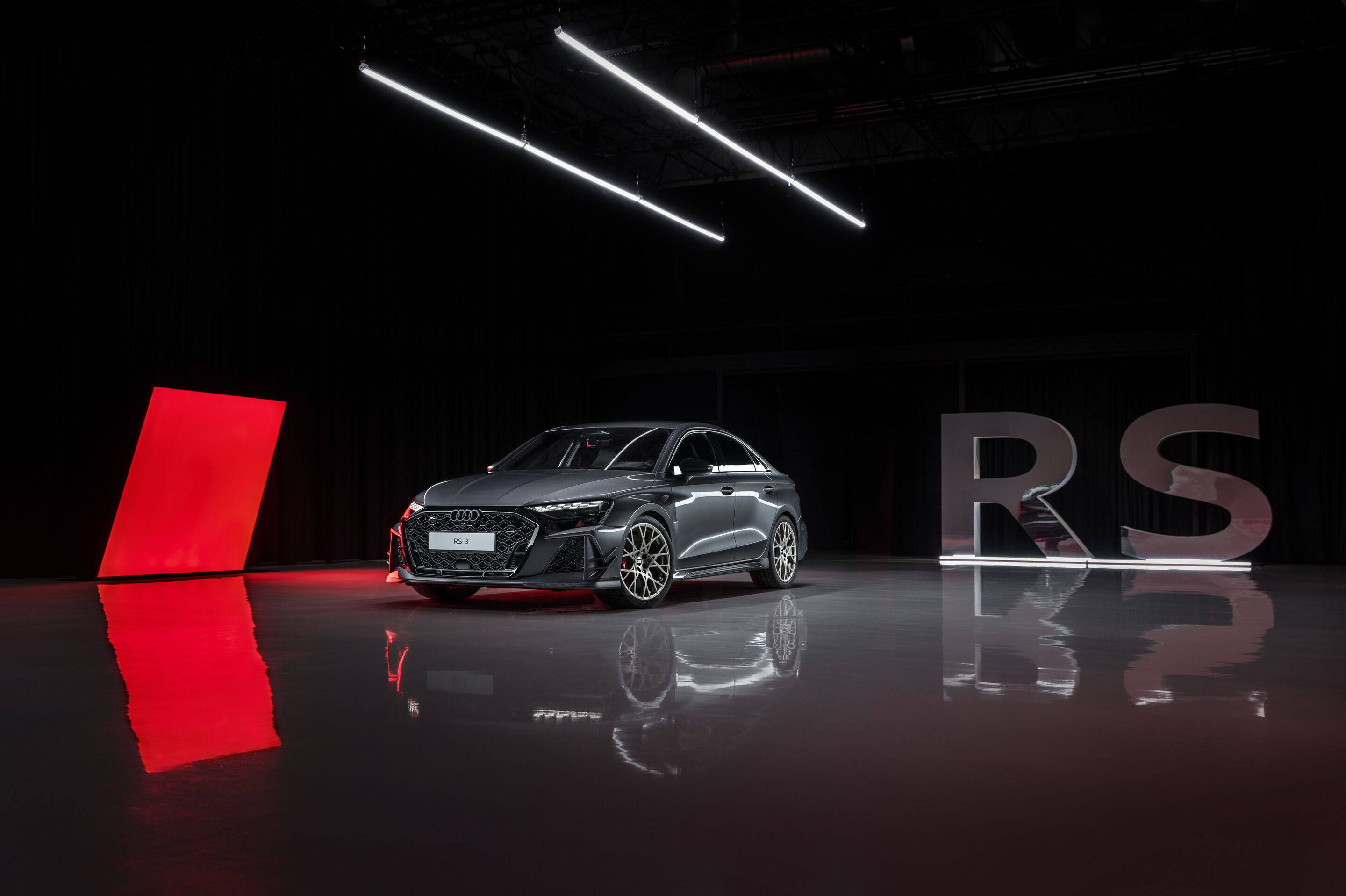
High-performance redefined: Audi RS 3 Sportback and RS 3 Sedan (2021)
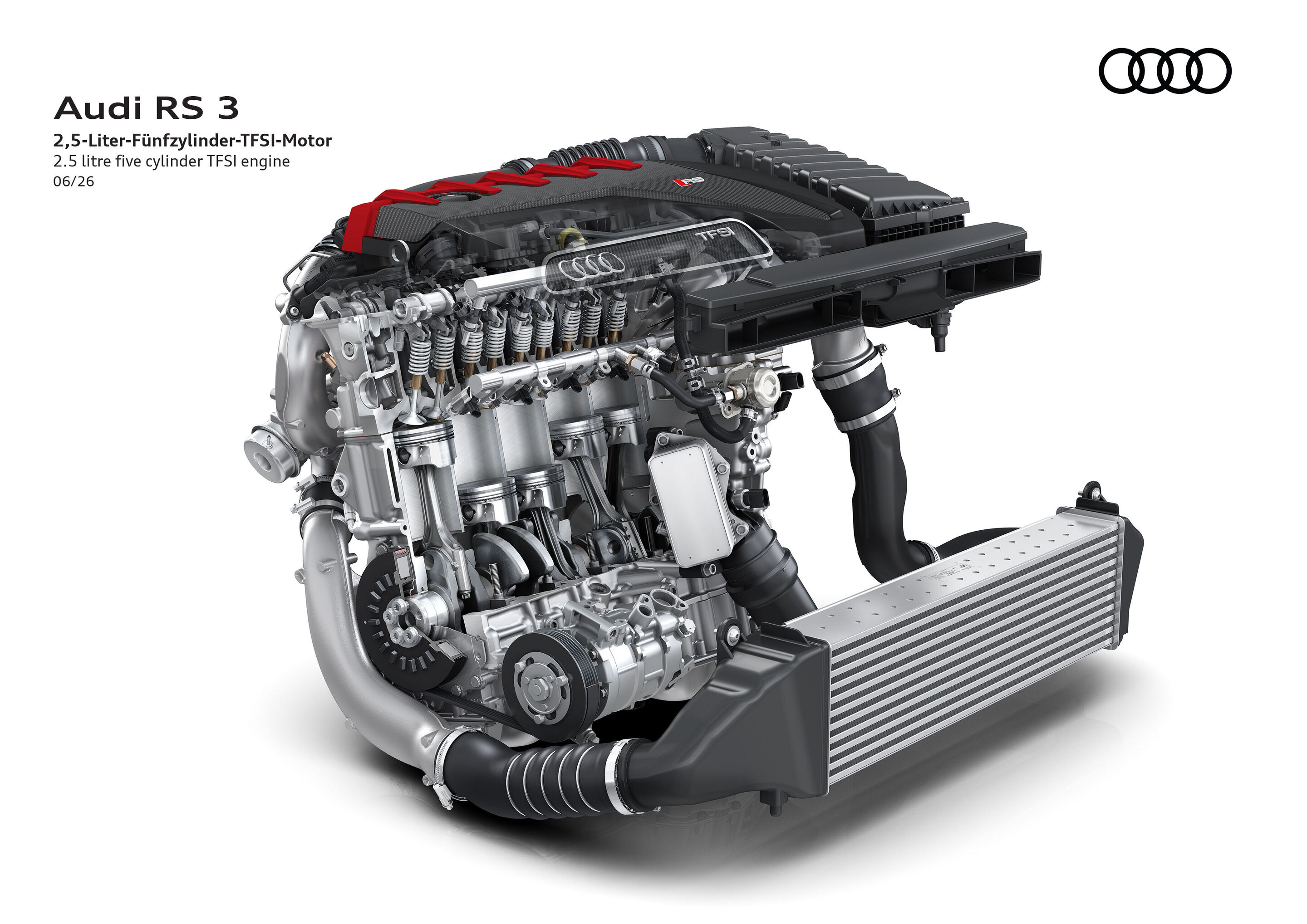
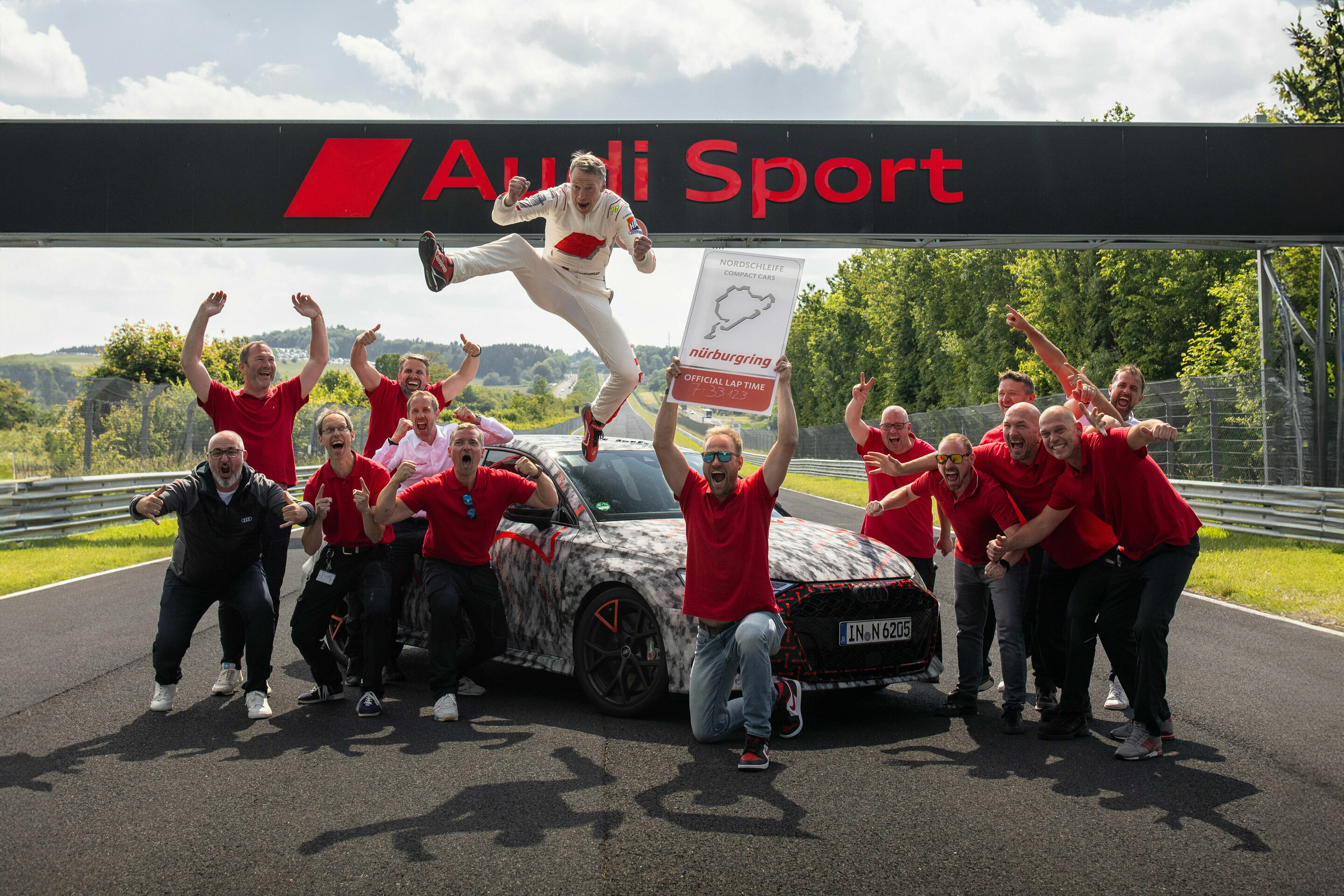
Audi has made the already legendary five-cylinder even better. The result is greater torque, greater pull, greater top speed. And the whole thing topped off with an unmistakable sound. These are the features that power the latest generations of the Audi RS 3 Sportback and RS 3 Sedan to the top of the compact segment. The torque splitter, used for the first time in an Audi, also plays a part in this, providing greater lateral dynamics and stability. The more expressive design combined with RS-specific controls turns the latest RS 3 models into premium sports cars suitable for everyday use.
Media set
-
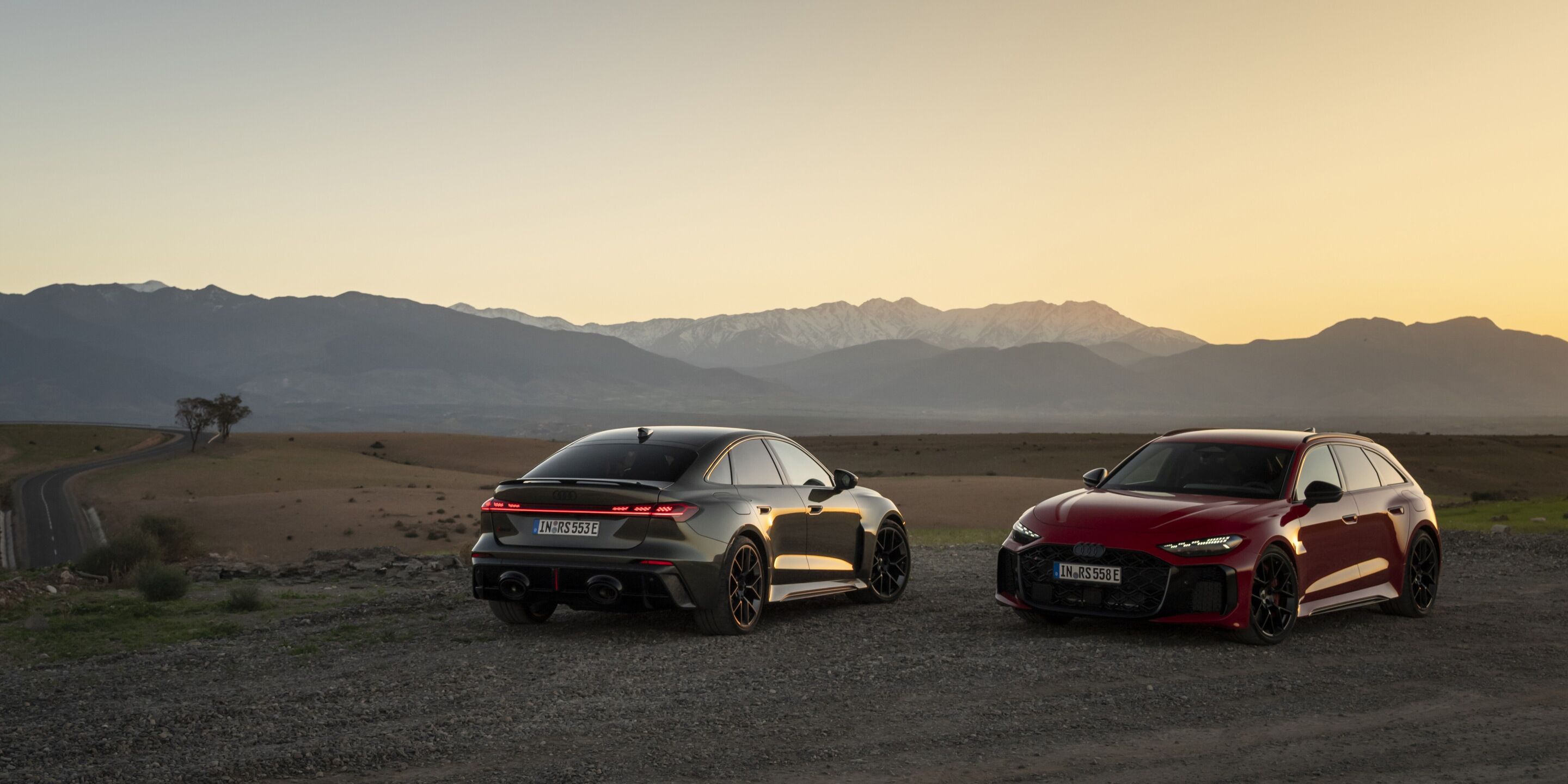
Maximum flexibility: Audi’s plug-in hybrids
In addition to fully electric vehicles, Audi is also focusing on plug-in hybrids. The new e-hybrid models combine electric efficiency with traditional combustion-engine technology. This makes them especially versatile and well-suited for everyday use. Short distances can be covered locally with zero emissions and near-silent electric driving, while the combustion engine ensures range and convenience on longer trips. The intelligent and efficient mix of drive types enables a sporty yet comfortable driving experience.