Search
All search results for "Audi Quattro 1983" (19)
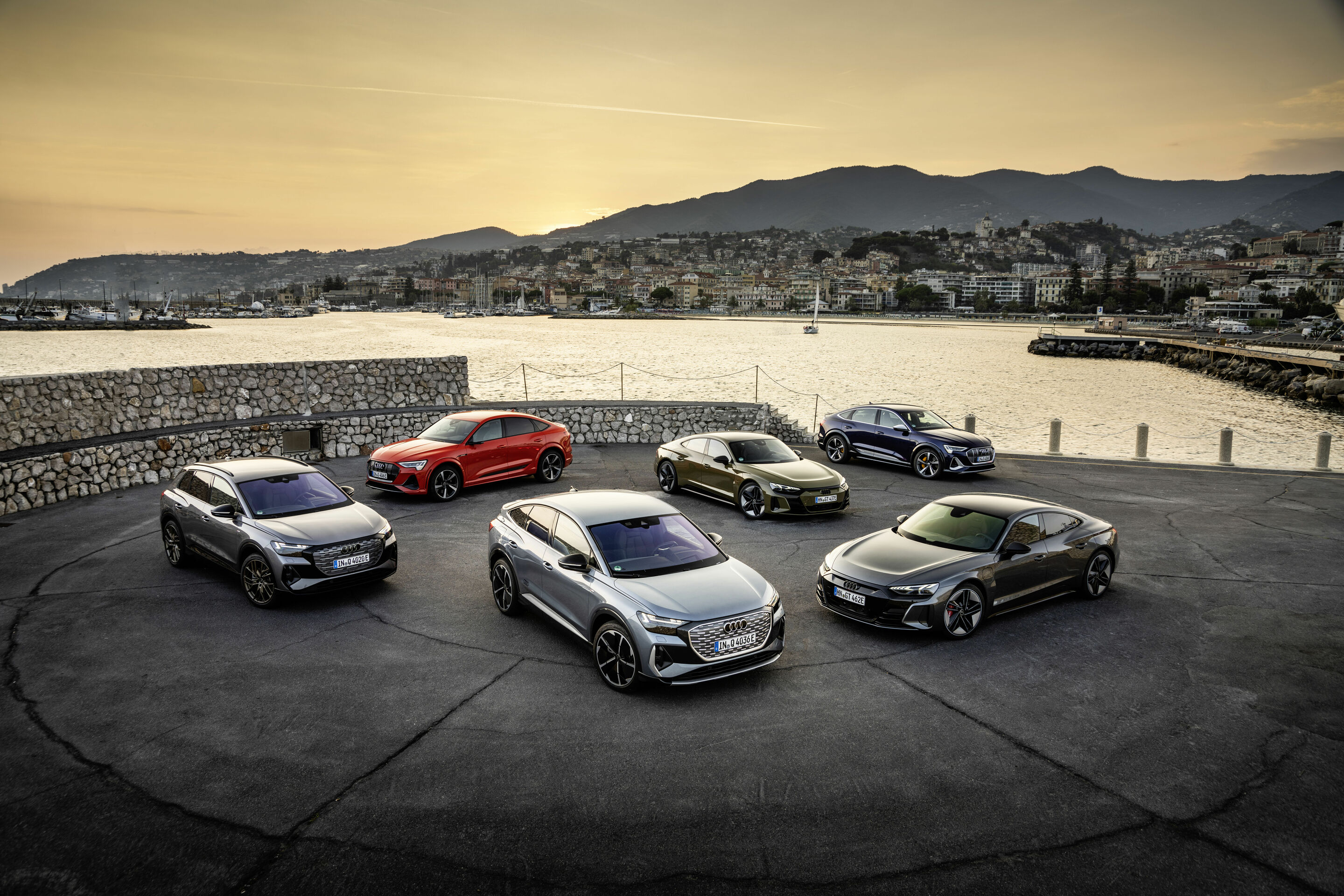
In search of driving pleasure: quattro drive and suspension of the Audi e-tron
quattro and e-tron – that is the perfect combination for powerful performance and high efficiency. In the Audi e-tron , the brand with the four rings introduced a new generation of quattro drive in 2018: electric all-wheel drive. In conjunction with the versatile suspension, the low center of gravity and the powerful electric motors, the electric SUV offers optimum traction, outstanding dynamics and unshakable stability on any terrain and in any weather – enormous driving pleasure in short.
Variable torque distribution: the electric all-wheel drive With the electric all-wheel drive Audi transferred the combined know-how from more than four decades of quattro drive into the electric age. The premium brand combined the efficiency of a single- axle drive with the driving dynamics and traction of an all-wheel drive. This technology also reached a new level of variability
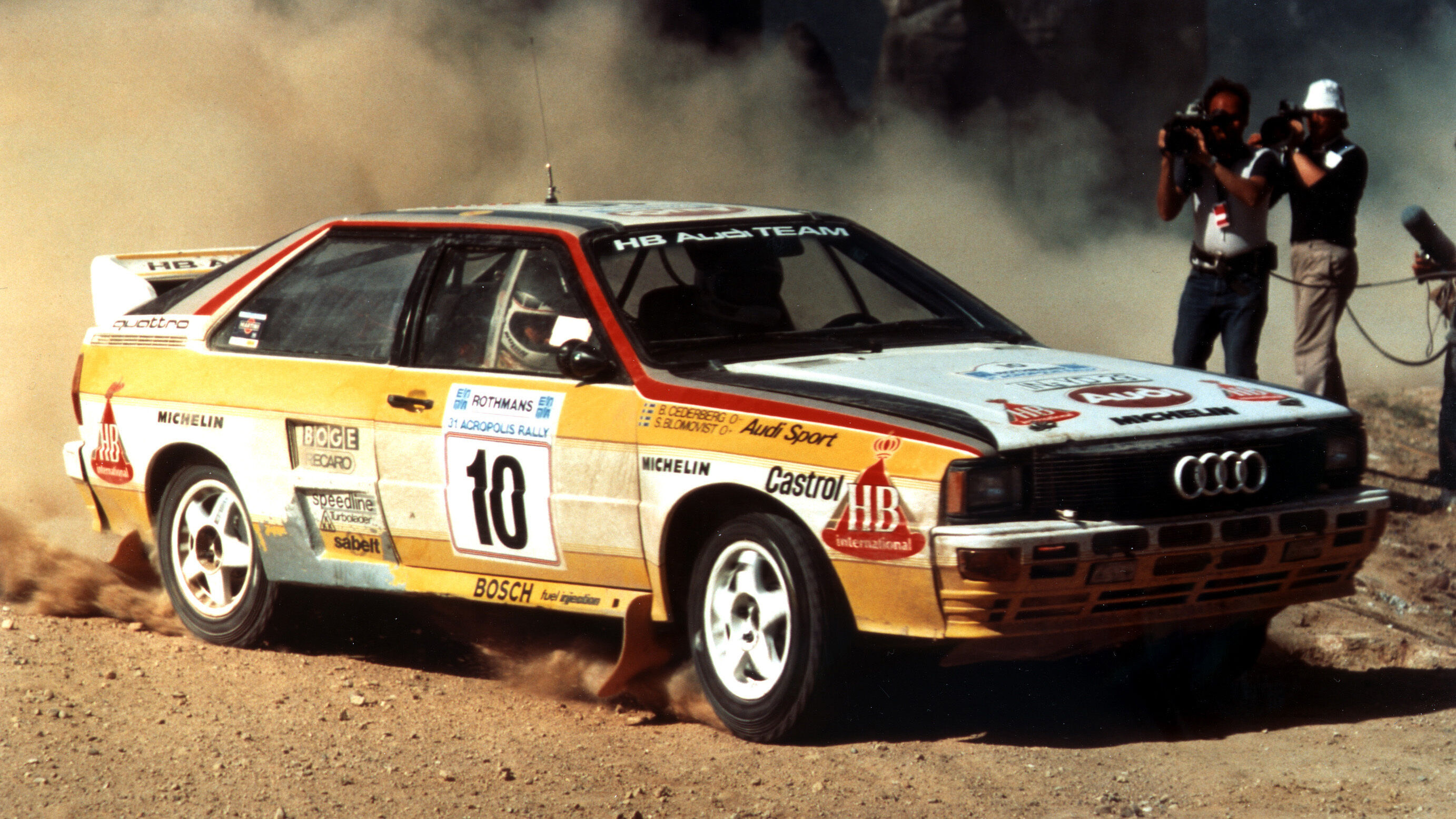
quattro in rallying
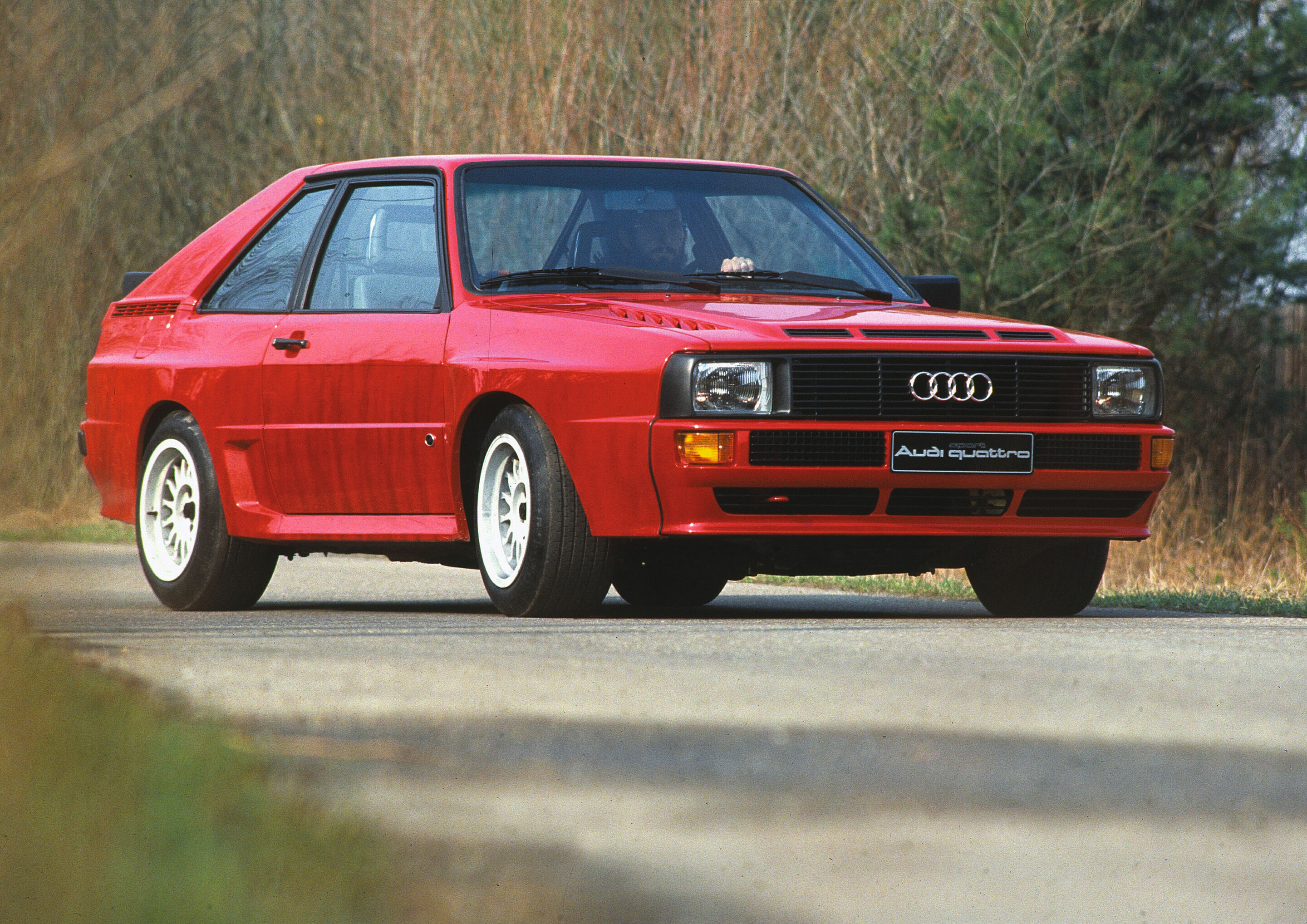
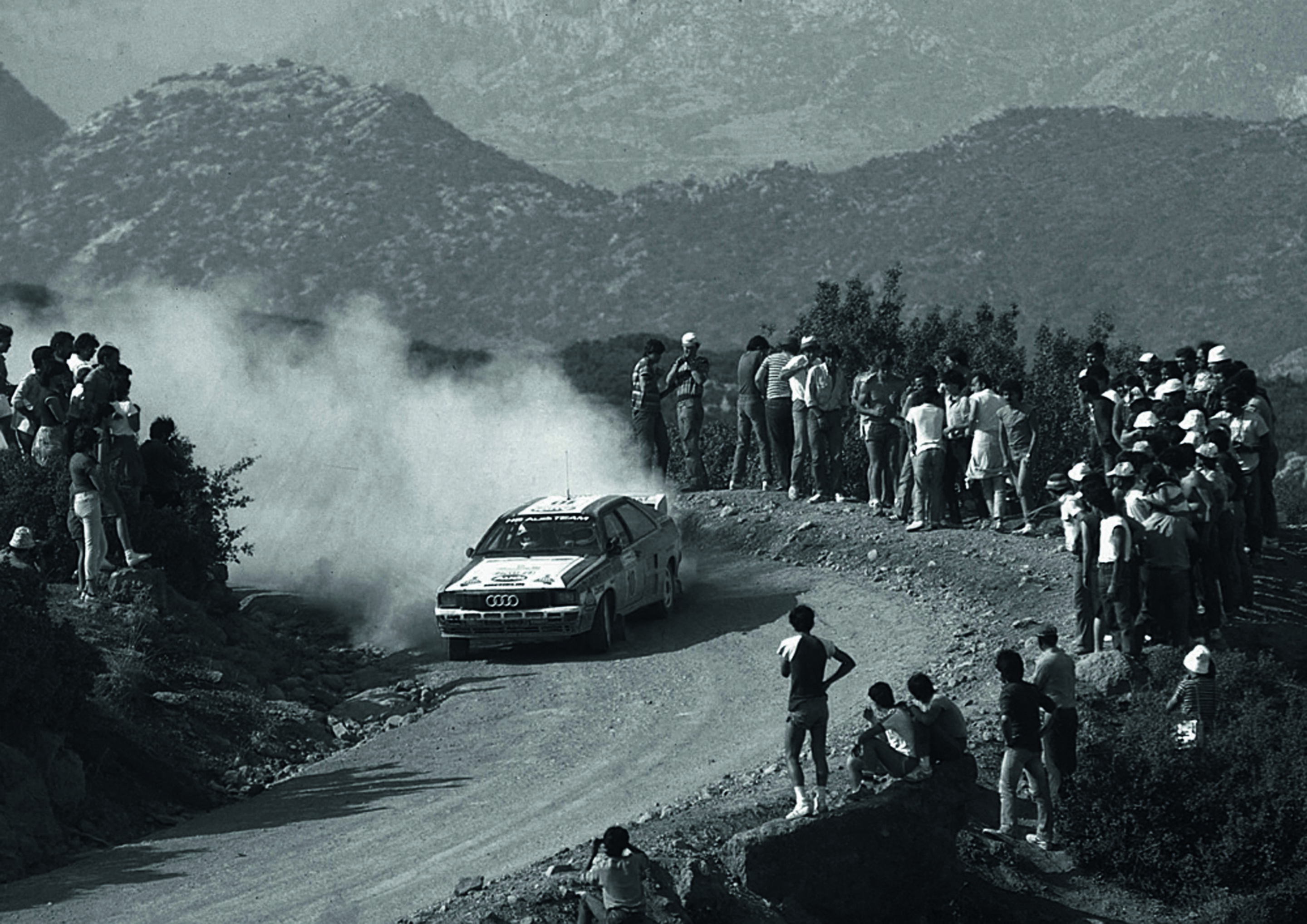
Audi made history with quattro: the four-wheel drive system caused a sensation in motorsport from 1981 onwards. The Audi quattro quickly became a winner. What’s more, Audi brought about a paradigm shift, as the competition was forced to follow suit. To this day, four-wheel drive is the benchmark in the World Rally Championship. In 1984, Audi offered quattro in all its model ranges for the first time.
Technical revolution
The Audi quattro won the Jänner Rally in Austria on its debut in January 1981. This was followed in Sweden during February by the driver crew of Hannu Mikkola and Arne Hertz taking the first triumph in a world championship round. When their teammates, Michèle Mouton and Fabrizia Pons, won the San Remo Rally in October, the first victory for a female driving crew was perfect. Audi continued to rely on the long-wheelbase quattro until 1984. In 1982, the company won the manufacturers’ world title for the first time, and in 1983, Hannu Mikkola and Arne Hertz were the first

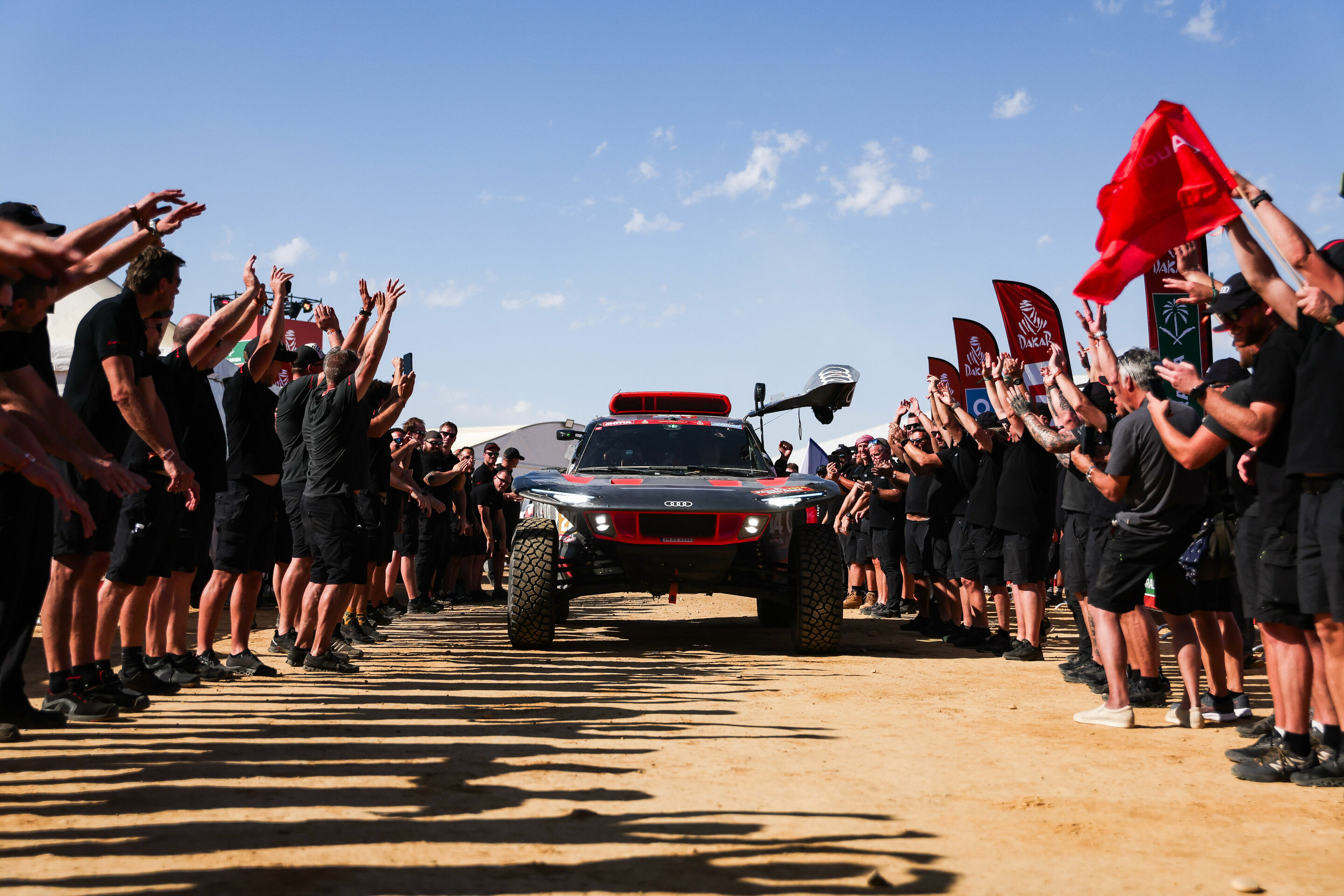
Audi’s most important motorsport successes
course of more than a century, Audi and its predecessor brands have achieved numerous successes in motorsport around the world. Here is an overview of the most important successes from the factory teams and customer racing.
2025 Winner Misano 12 Hours (Audi R8 LMS GT3) Winner Campionato Italiano Gran Turismo Endurance (Audi R8 LMS GT3) Winner DMV Super Touring & GT Cup (Audi R8 LMS GT4) Winner GT America powered by AWS GT2 (Audi R8 LMS GT2) Winner GT World Challenge Australia powered by AWS Pro-Am Drivers (Audi R8 LMS GT3) Winner GT4 European Series powered by Rafa Rafa Racing Club Silver Drivers (Audi R8 LMS GT4) Winner North Island Endurance Series 3 Hour (Audi R8 LMS GT3) Winner TCR Asia (Audi RS 3 LMS) Winner TCR Italy (Audi RS 3 LMS) 2024 Winner Dakar Rally (Audi RS Q e-tron) Winner Gulf 12 Hours (Audi R8 LMS GT3) Winner Dubai 24 Hours (Audi R8 LMS GT3) Winner Nürburgring 24 Hours (Audi R8 LMS GT3) Winner Belcar Endurance Championship TA Class (Audi RS 3 LMS) Winner British Endurance
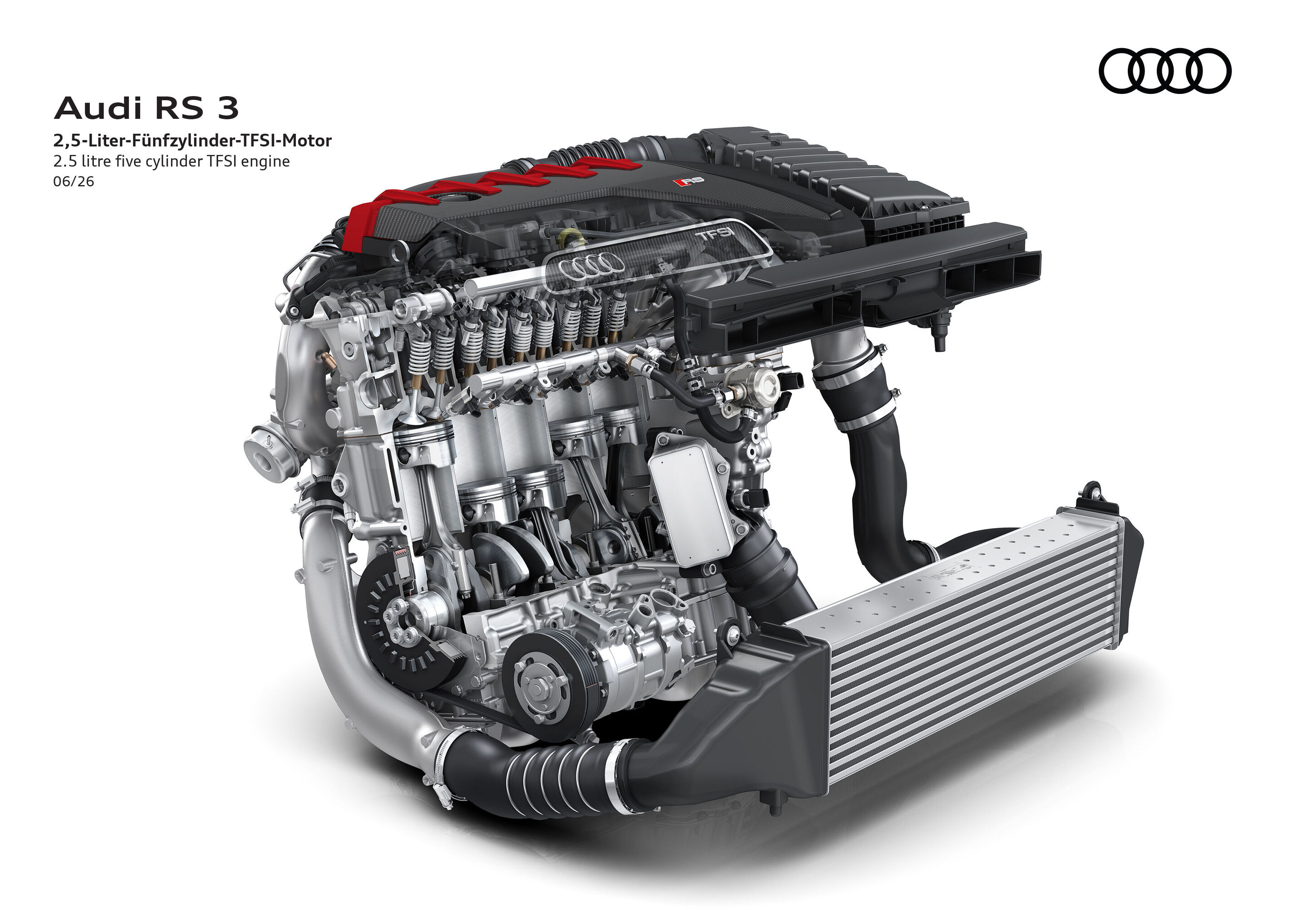
50 years of the Audi five-cylinder
The five-cylinder engine debuted in 1976 in the Audi 100 with 136 PS Successful engine concept for production models and rally sport Signature sound from its unique 1-2-4-5-3 firing order Audi RS 3 2.5 TFSI with 400 PS and 500 Nm torque Hand-assembled at the Bock plant in Győr, Hungary
Audi will celebrate a very special anniversary in 2026: 50 years of the five-cylinder engine. The brand with the four rings first introduced this engine in 1976 in the second-generation Audi 100. This was followed by upgrades and new developments with turbocharging, exhaust gas purification, and four-valve technology, rally engines, and five-cylinder diesel engines. Currently, the 2.5 TFSI in the Audi RS 3 continues the great tradition of five-cylinder engines
Audi’s five-cylinder engines have cult status and are deeply rooted in the Audi DNA. They have played a decisive role in shaping “Vorsprung durch Technik” – on the one hand with numerous successes in motorsport, and on the other, by virtue of their
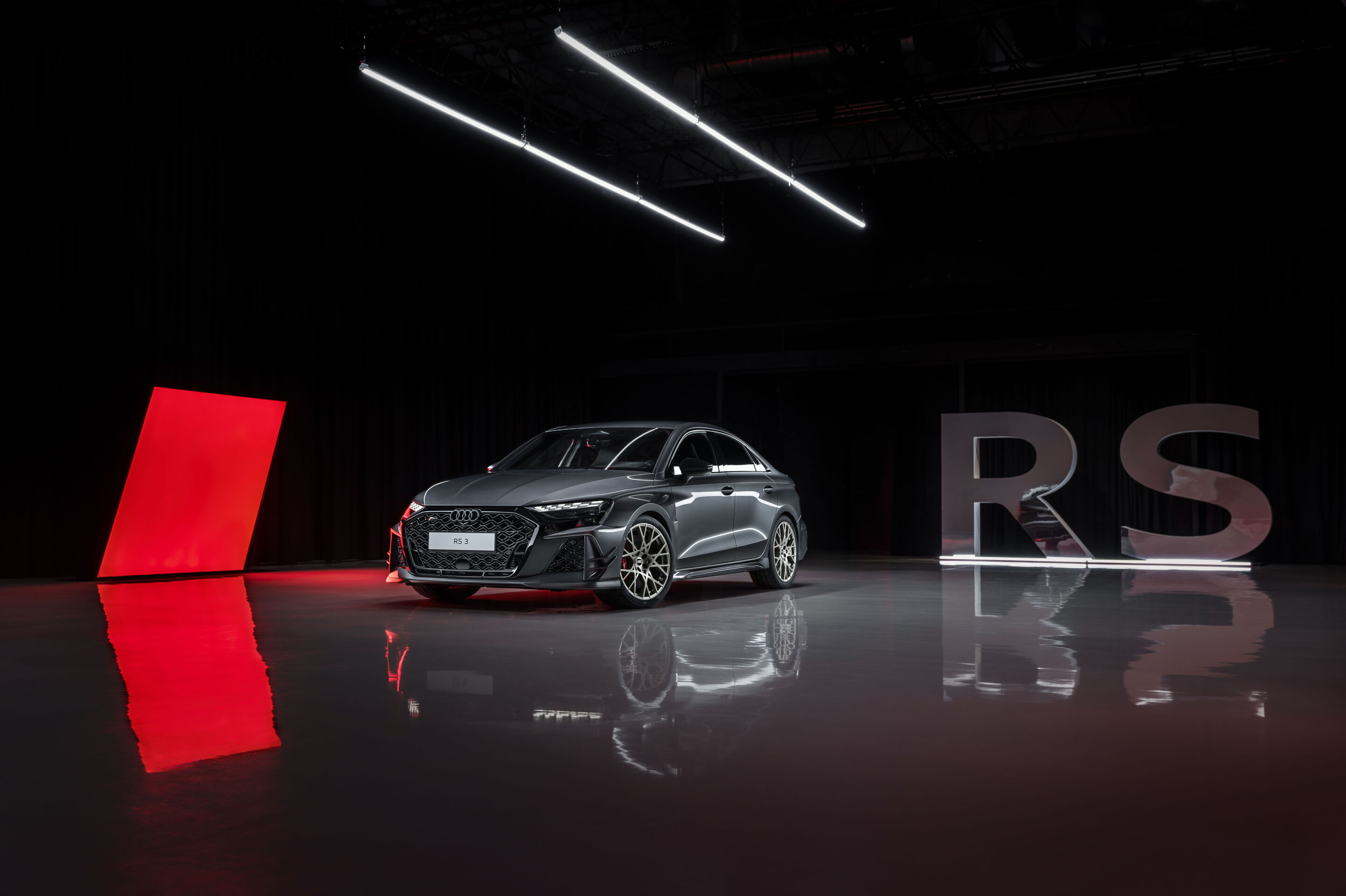
Glorious five: Audi RS 3 competition limited
gold and consecutive numbering
To celebrate the 50-year anniversary of the legendary five cylinder engine, Audi Sport is unveiling an exclusive special-edition model: the RS 3 competition limited. With 750 examples to be built, it stands for a five-decade-long success story from the brand with four rings. Its inline five makes the brawny compact unique in its segment, combining extraordinary performance with an unmistakable sound. When driven, the RS 3 competition limited lives up to its sporting pedigree thanks to a coilover suspension and a stiffer rear stabilizer. Visually, extra carbon elements leave no doubt about its credentials. Combined with the exclusive interior, the special edition evokes pure emotion.
A legacy that began in 1976 with the second-generation Audi 100 is now reaching new heights with the Audi RS 3 competition limited. To mark “50 years of five cylinders,” Audi Sport is endowing the RS 3 with numerous upgrades that will make the special edition highly sought after
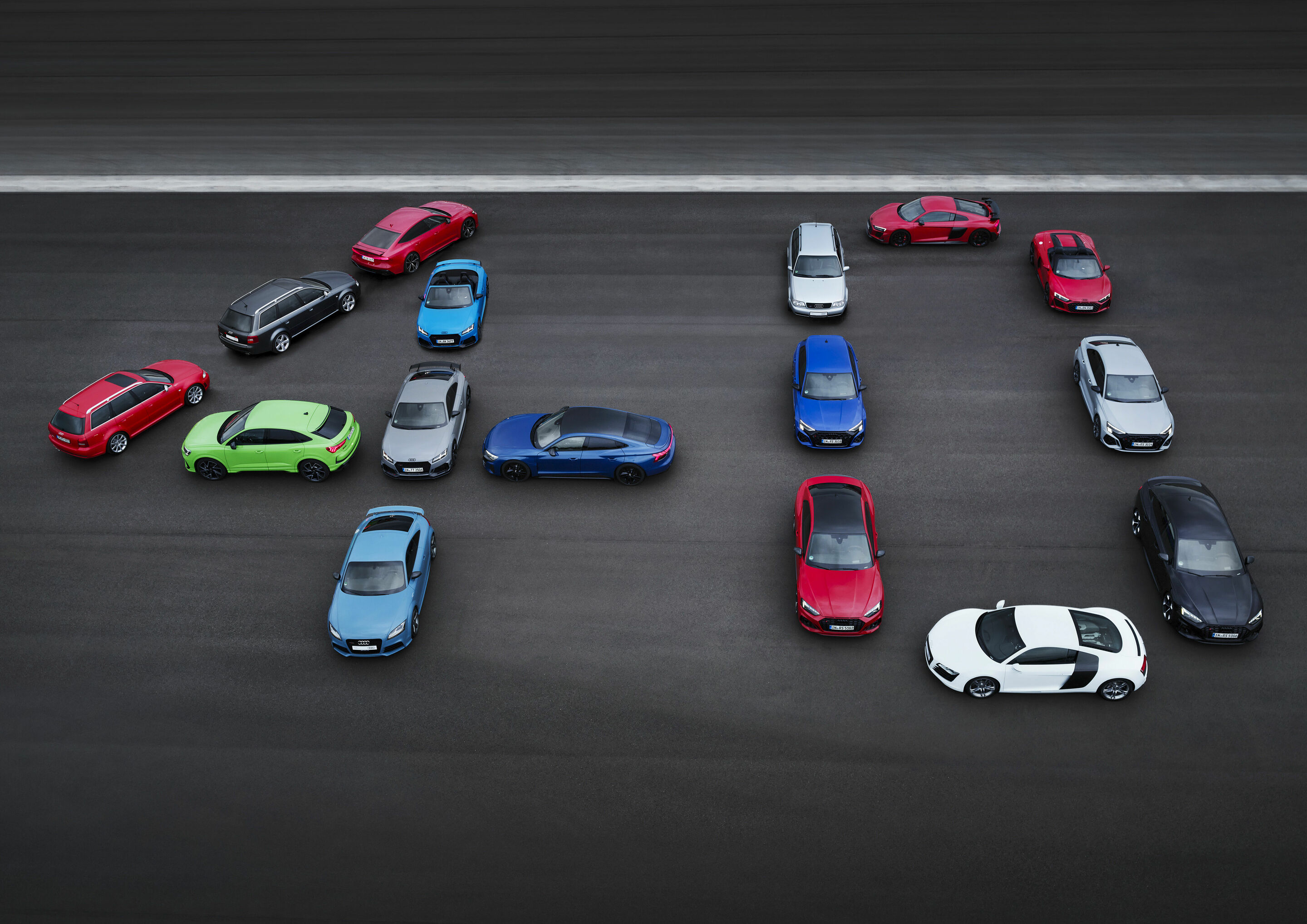
Audi Sport GmbH: 40th anniversary insights
event for customers and fans at Audi Forum Neckarsulm Exciting insights into four decades of Audi Sport GmbH Rolf Michl, Managing Director Audi Sport GmbH: “Proud past, even stronger future”
Today marks the 40th anniversary of Audi Sport GmbH, which evolved from quattro GmbH. In early summer, Audi started the events to celebrate this anniversary in parallel with the Nürburgring 24 Hours and an exhibition at the Neckarsulm facility. Next Saturday (October 14), an exclusive event will be hosted at Audi Forum Neckarsulm with exciting insights into the high-performance subsidiary that has been successful for 40 years.
quattro GmbH has existed since 1983, and in 2016, it was renamed as Audi Sport GmbH: Today, the wholly owned subsidiary of AUDI AG is shaping the sporty and exclusive image of the premium brand with the four rings even stronger than ever. “Audi Sport GmbH plans to further develop its model portfolio and selected service offerings together with AUDI AG. Specific measures will be
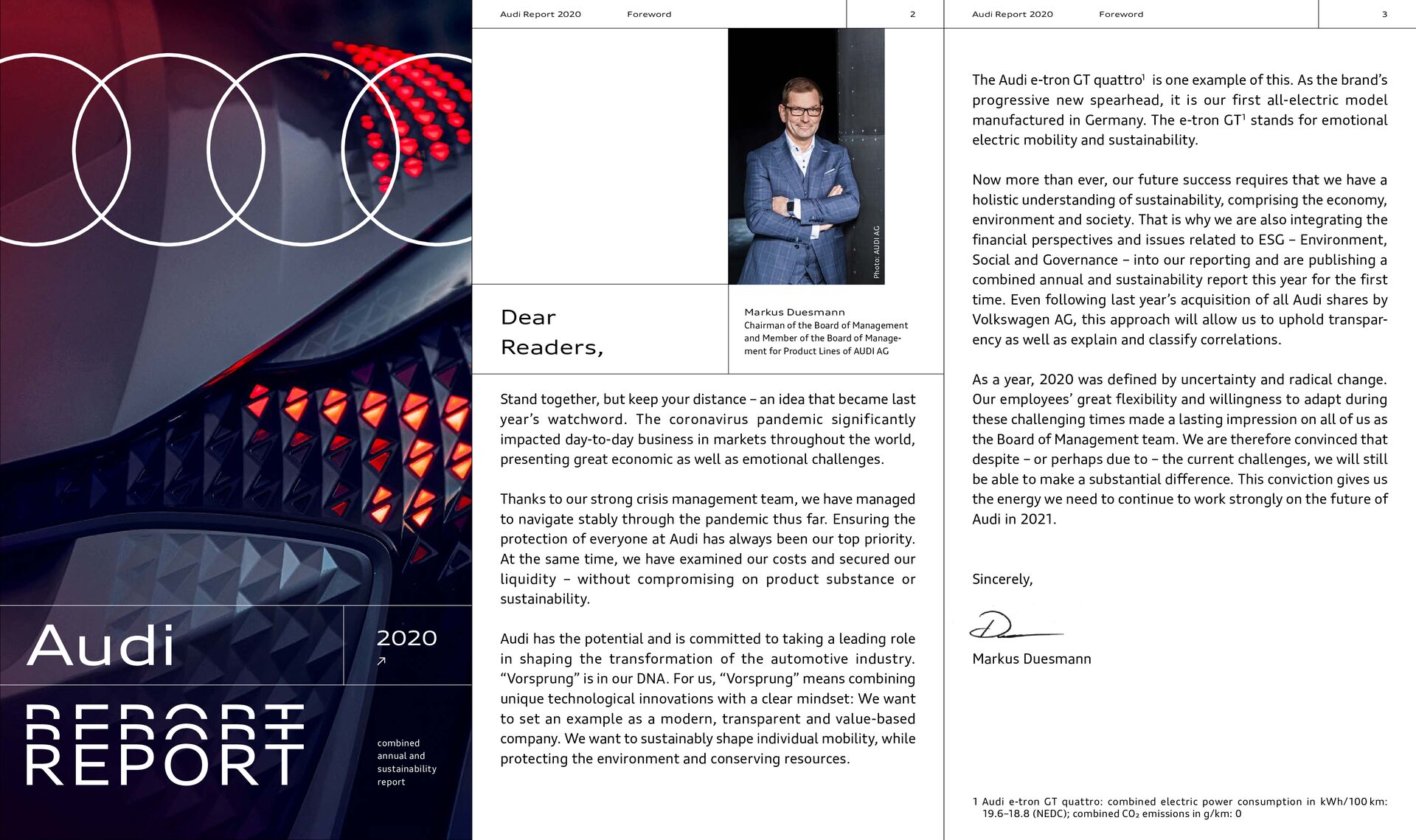
Audi Report 2020
The Audi Sustainability and Annual Report 2020 presents the company’s financial position, strategic direction and ESG activities.
REPORTREPORTREPORT Audi 2020 combined annual and sustainability report The Audi e-tron GT quattro1 is one example of this. As the brand’s progressive new spearhead, it is our first all-electric model manufactured in Germany. The e-tron GT1 stands for emotional electric mobility and sustainability. Now more than ever, our future success requires that we have a holistic understanding of sustainability, comprising the economy, environment and society. That is why we are also integrating the financial perspectives and issues related to ESG – Environment, Social and Governance – into our reporting and are publishing a combined annual and sustainability report this year for the first time. Even following last year’s acquisition of all Audi shares by Volkswagen AG, this approach will allow us to uphold transparency as well as explain and classify correlations. As a
Company history
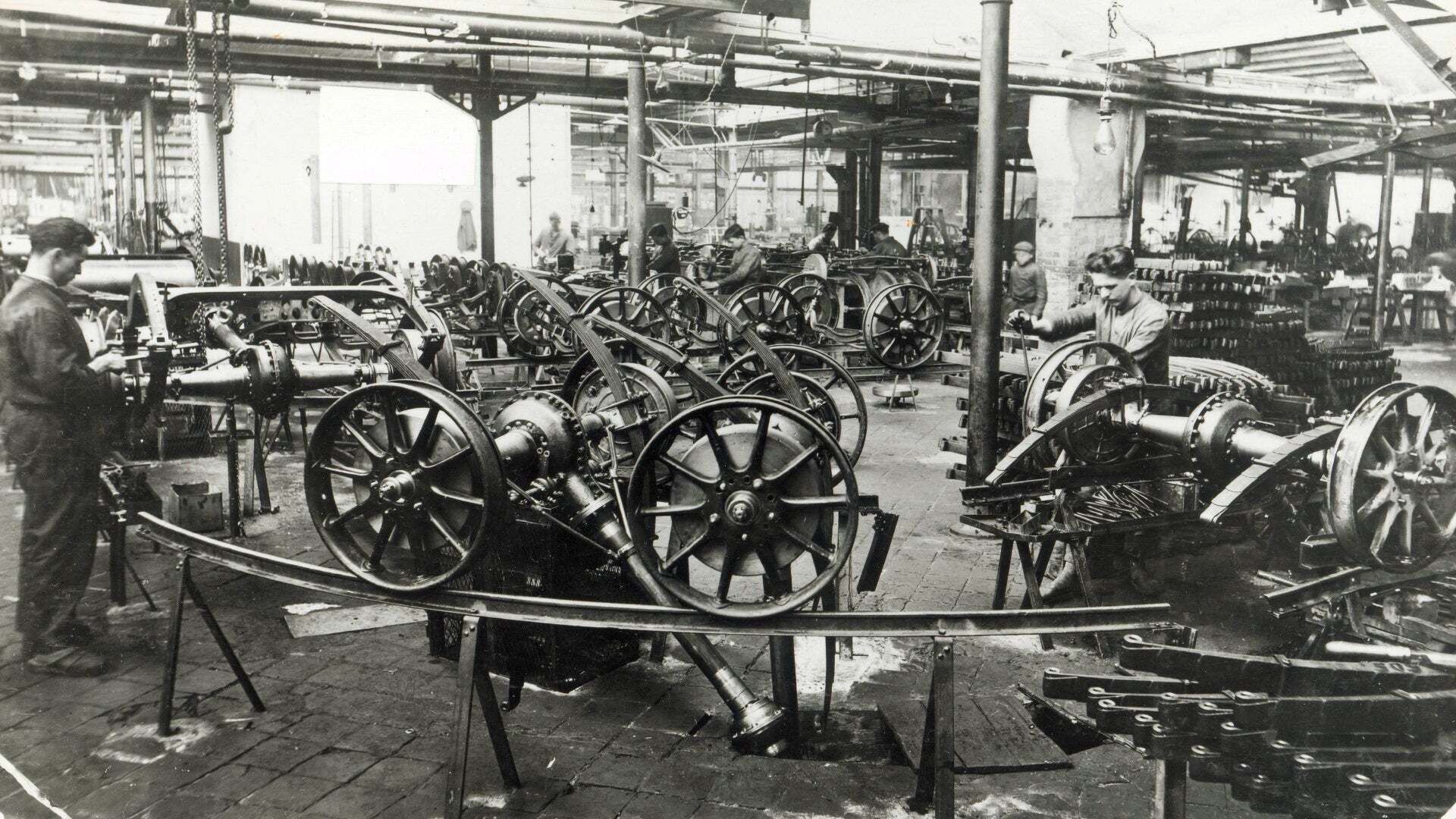
eventful history of Audi began in the 19th century, with the first chapter written by August Horch, one of the German pioneers of automotive engineering. After graduating from the Technical Academy in Mittweida, Saxony, he initially worked in engine construction and later as operations manager in motor vehicle production at the Carl Benz company in Mannheim. On 14 November 1899, with the establishment of the company A. Horch & Cie. in Cologne, he laid the foundation for what would become a world-famous brand.
A second chance – from Horch to Audi
In 1902, Horch relocated his company to Reichenbach in Saxony. And in 1904, he registered it as a joint-stock company and moved to Zwickau. However, just five years later, he left the company due to differences of opinion and founded a new car company. Because he was not allowed to use his own name again, it was translated into Latin. The idea of using the imperative form of the Latin word for “to hear” – that is, “Audi!” which in German would