Search
All search results for "avus" (55)
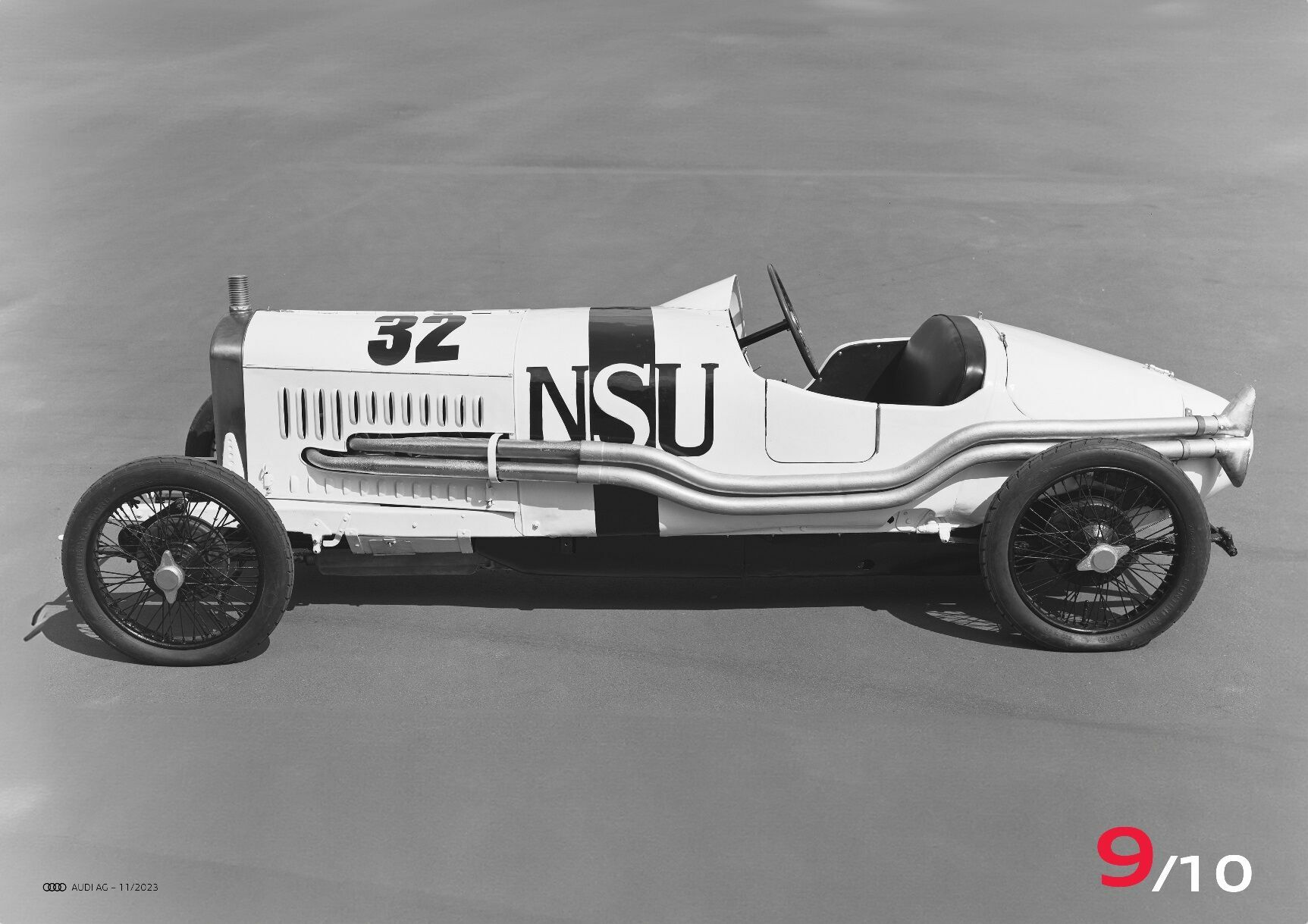
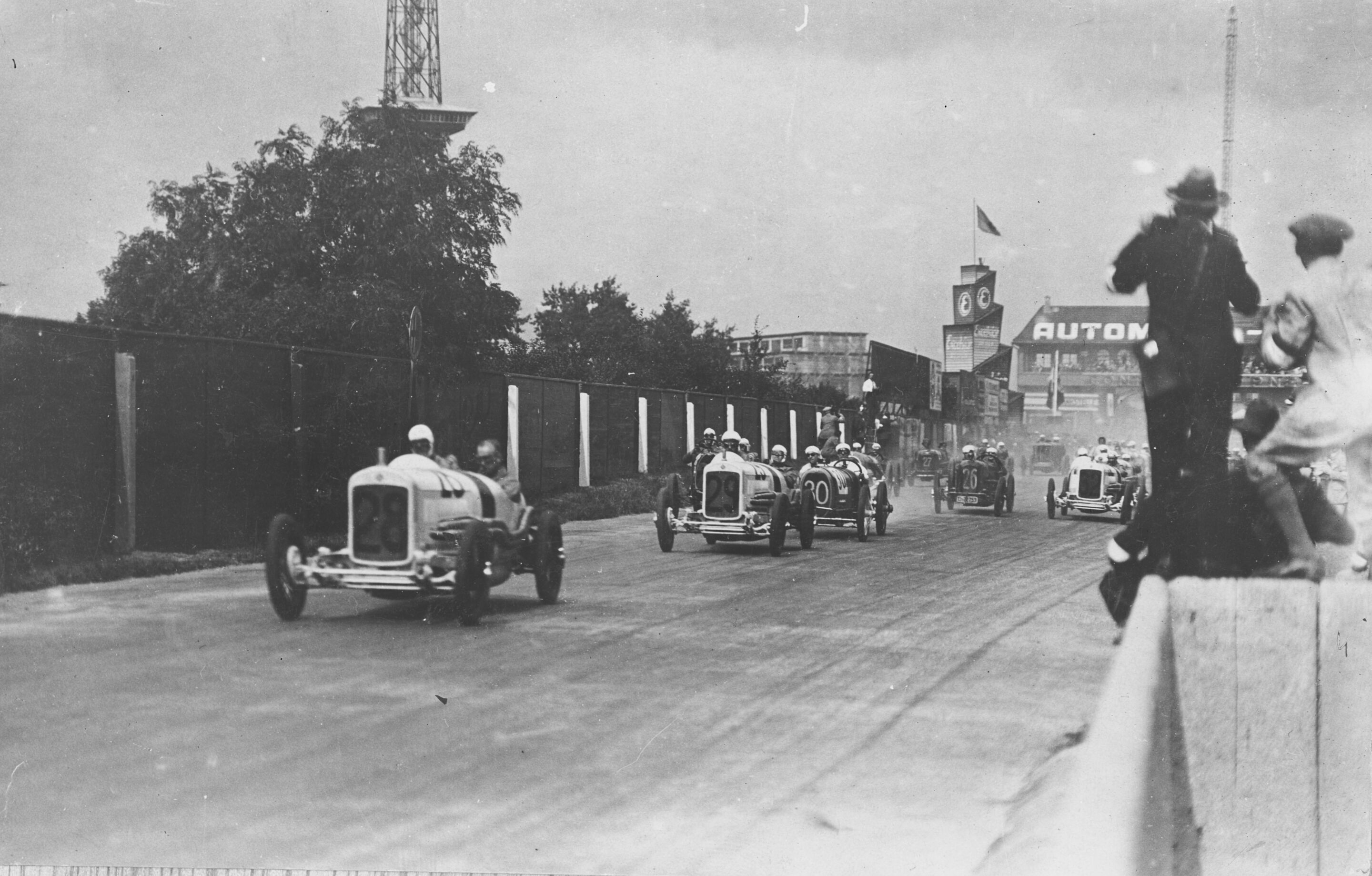
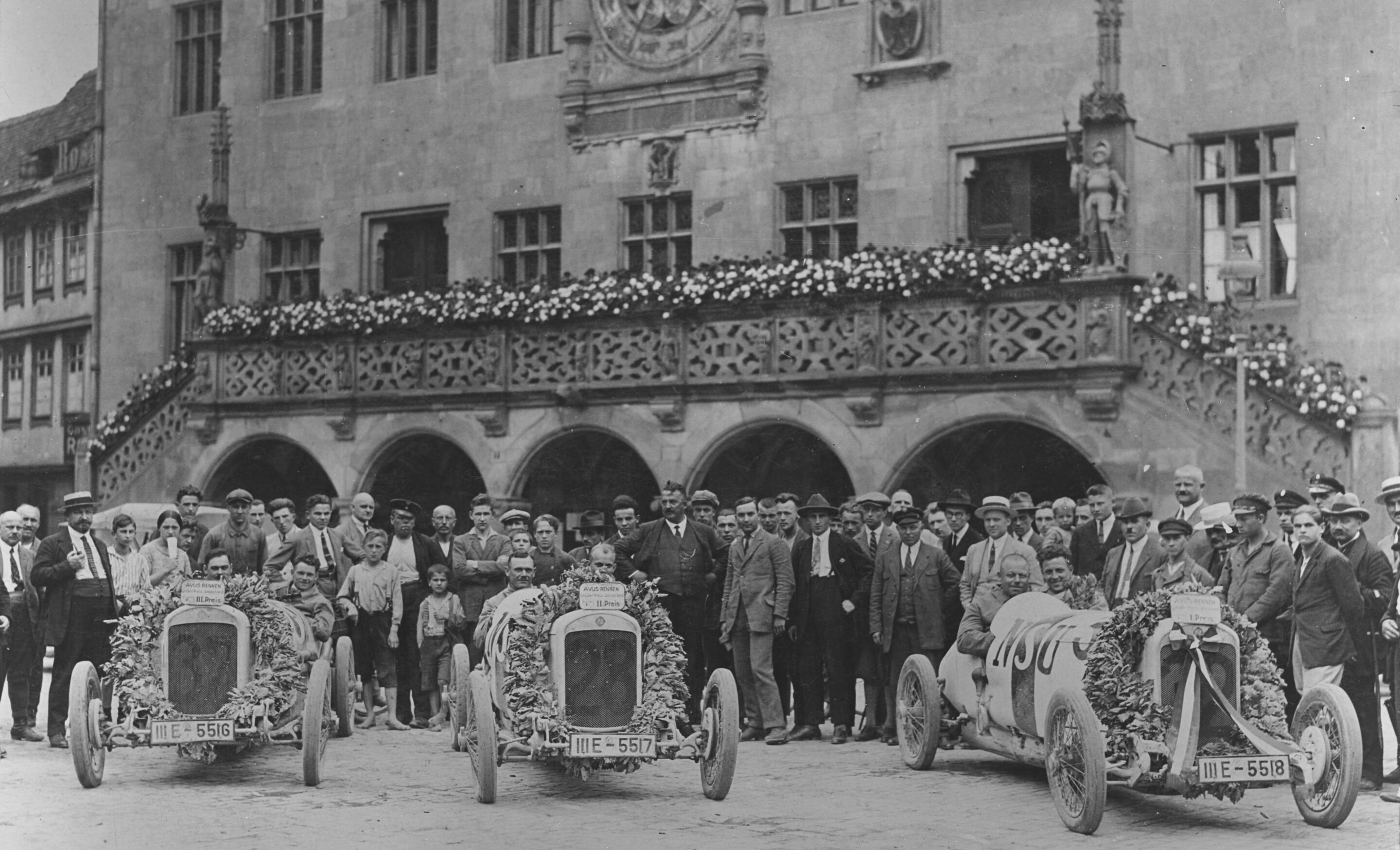
Quadruple victory for NSU Type 6/60 PS racing car at the German Grand Prix on the AVUS circuit
quadruple victory by the white supercharged six-cylinder cars in their class at the first German Grand Prix on the AVUS circuit in Berlin in 1926 stands out in the story of NSU racing between the two world wars. In this ninth episode on the history of NSU to mark the brand’s 150th anniversary, Audi Tradition presents the pre-war NSU Type 6/60 PS racing car.
NSU participated in international automobile races as early as 1908. The company’s participation in the 1909 Prince Henry Tour — and numerous endurance and reliability races — was a great success. After World War I, the Automobil-Verkehrs- und Übungsstraße (AVUS) opened in Berlin in 1921. The circuit, which was closed to public traffic until 1940, served as the first race and test track in Germany to demonstrate the competitiveness of the country’s automotive industry. A “small” NSU, the NSU 8/24 PS, won its class at the first AVUS race in September 1921. The basic design of the racing version was the same as the production model; all the
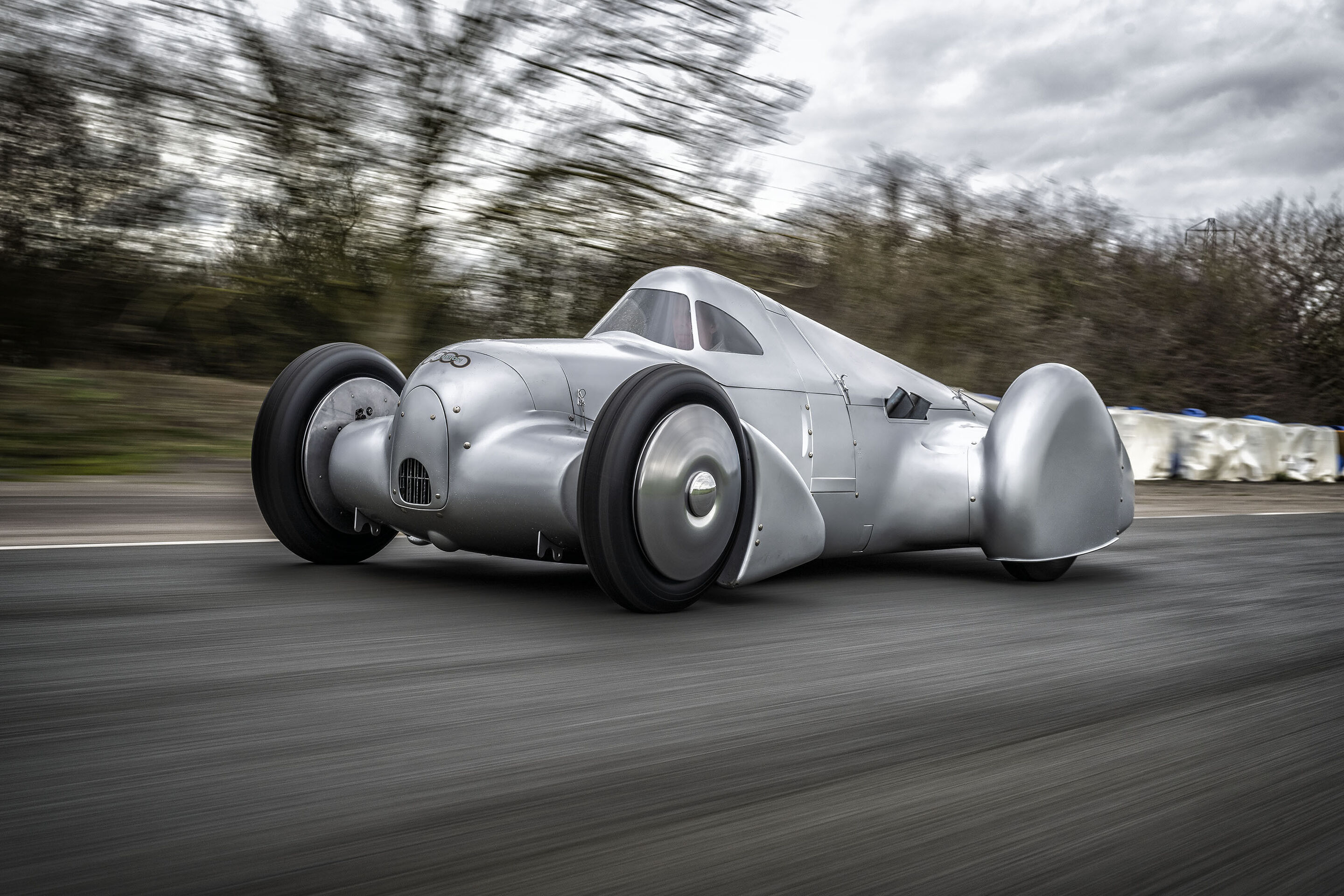
Audi Tradition unveils record-breaking car in Italy: Auto Union Lucca joins the Silver Arrow family
counterparts of the previous season. At the same time, these changes – which are primarily technical and functional in nature – give rise to an aesthetic of speed that makes the Rennlimousine – as the press dubs this high-speed car – one of a kind. Record-breaking route: from Gyón in Hungary to Milan to Lucca After just a few weeks of development work, the car in the workshop of Auto Union’s racing division in Zwickau is finished by December 1934. It is test-driven for the first time on Berlin’s Avus circuit on December 17, and at the end of January 1935, the decision is made: the record attempt will take place in Hungary – on the very same track near Gyón where Caracciola set the class record for a flying-start mile in a Mercedes the previous year. Auto Union makes all the necessary arrangements with the Hungarian Automobile Club; the high-performance record contender arrives in Budapest on February 4, 1935. The next day, the team sets off for the route about 40 kilometers further south;
How the “Silver Arrow” legend was born
first time on the Avus circuit in Berlin Auto Union and Mercedes Benz dominated international motor racing between 1934 and 1939
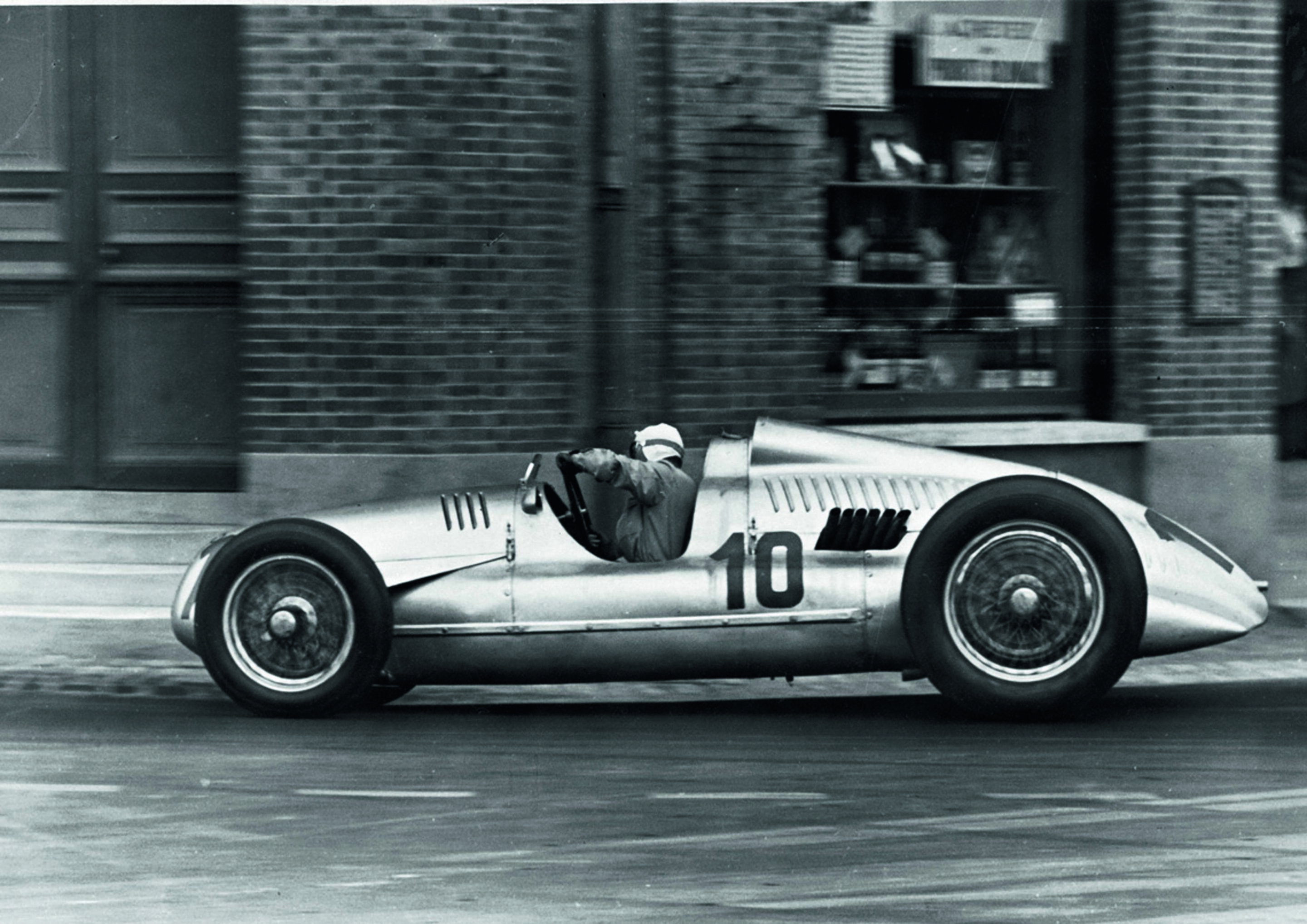
75 years ago, one of the most dramatic chapters in the whole of motor sport history began. On May 27, 1934 the German racing cars that were soon to acquire the nickname “Silver Arrow” were entered for their first race, on the Avus racetrack in Berlin. Although neither Auto Union, the company from which Audi in its present-day form developed later, nor Mercedes Benz won that event, it was not long before these two manufacturers began to dominate international Grand Prix racing, a situation that prevailed until the outbreak of the Second World War in 1939. It seems almost incredible today, but by 1936 the Auto Union racing cars were reaching speeds of up to 380 kilometres an hour on the long straights of the Avus circuit – truly, the birth of a legend.
The racing cars bearing the four-ring emblem were entered for the race to be held on Berlin’s Avus circuit on May
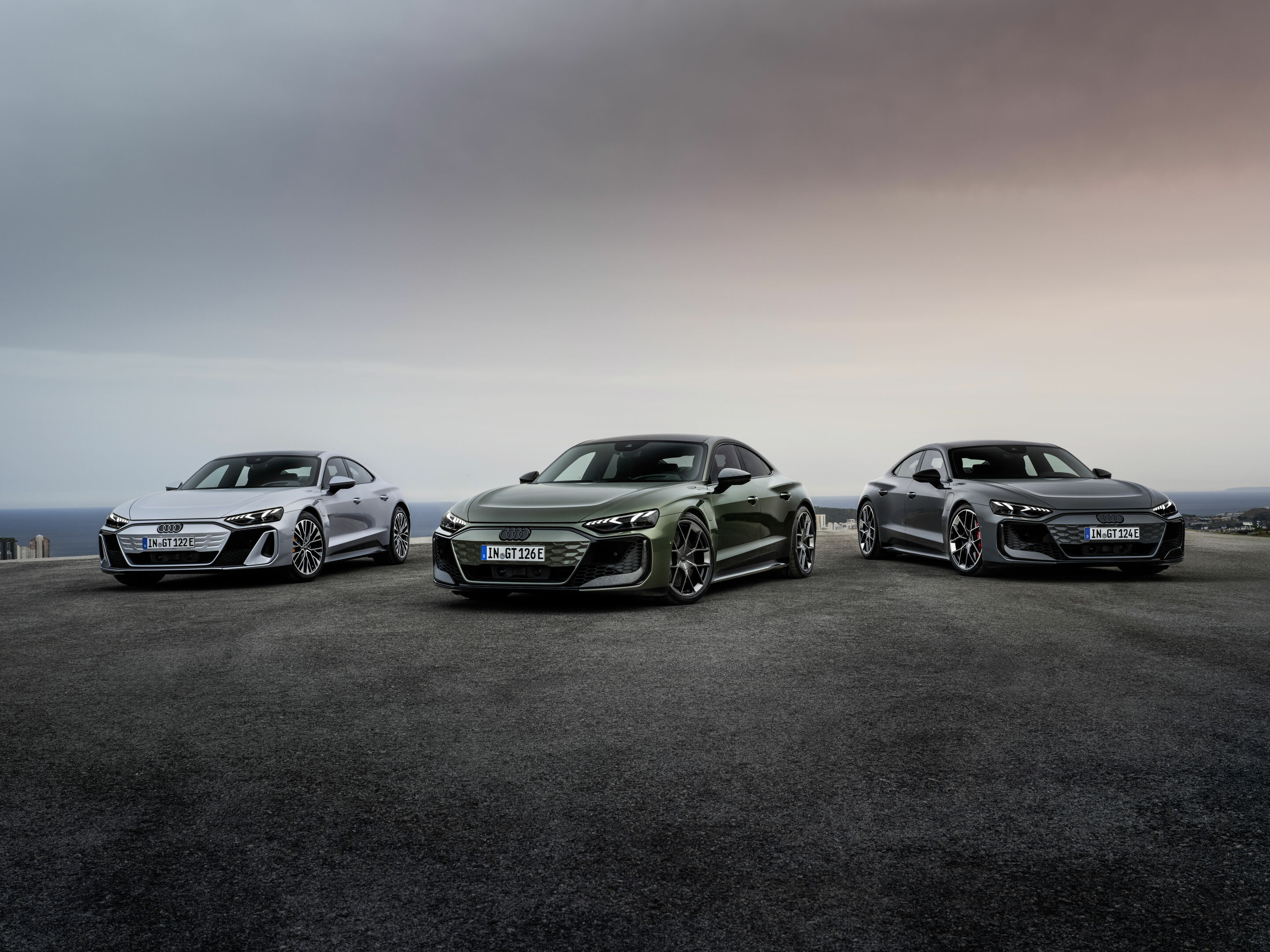
The new Audi e-tron GT: An electrifying masterpiece
exterior mirror housings are available as an option. Audi has also reworked the wheel range. New 20‑inch multi-spoke wheels are available for the S e-tron GT and RS models. In addition, Audi has added two new six-twin-spoke wheels for the RS models. The forged and milled 21‑inch wheels are reminiscent of the so-called “AVUS wheel”, which Audi unveiled in 1991 on the Audi Avus quattro study. With its clear and uncompromising lines, this iconic wheel belongs to the DNA of the Audi brand. The entire wheel surface is matte and darkened for the RS e-tron GT performance, which intensifies the vehicle’s sporty ambitions. The interior: Sporty elements and sustainable materials Audi’s
History of the Four Rings
Auto Union-styled body in 1936. Influenced by contemporary American cars, this styling would be found from that time on – modified to a greater or lesser extent – on all the Group’s new models. Motor sport To achieve widespread public awareness of the Auto Union name, the Chemnitz-based company was actively engaged in motor sport from the outset. As early as 1933 it concluded an agreement with Ferdinand Porsche for the development of a Grand Prix racing car, which then debuted in May 1934 on the Avus circuit in Berlin. The car’s design was unusual in many respects: V 16 engine with Roots supercharger, engine located behind the driver (we would speak today of a “mid-engine” car) and torsion-bar front suspension with trailing arms. Between 1934 and 1938 the 16-cylinder racing car was continually improved and its power output raised from the initial 295 hp (Type A) to 520 hp (Type C). Outstanding victories on international racetracks – with stars such as Hans Stuck, Achille Varzi and, above all
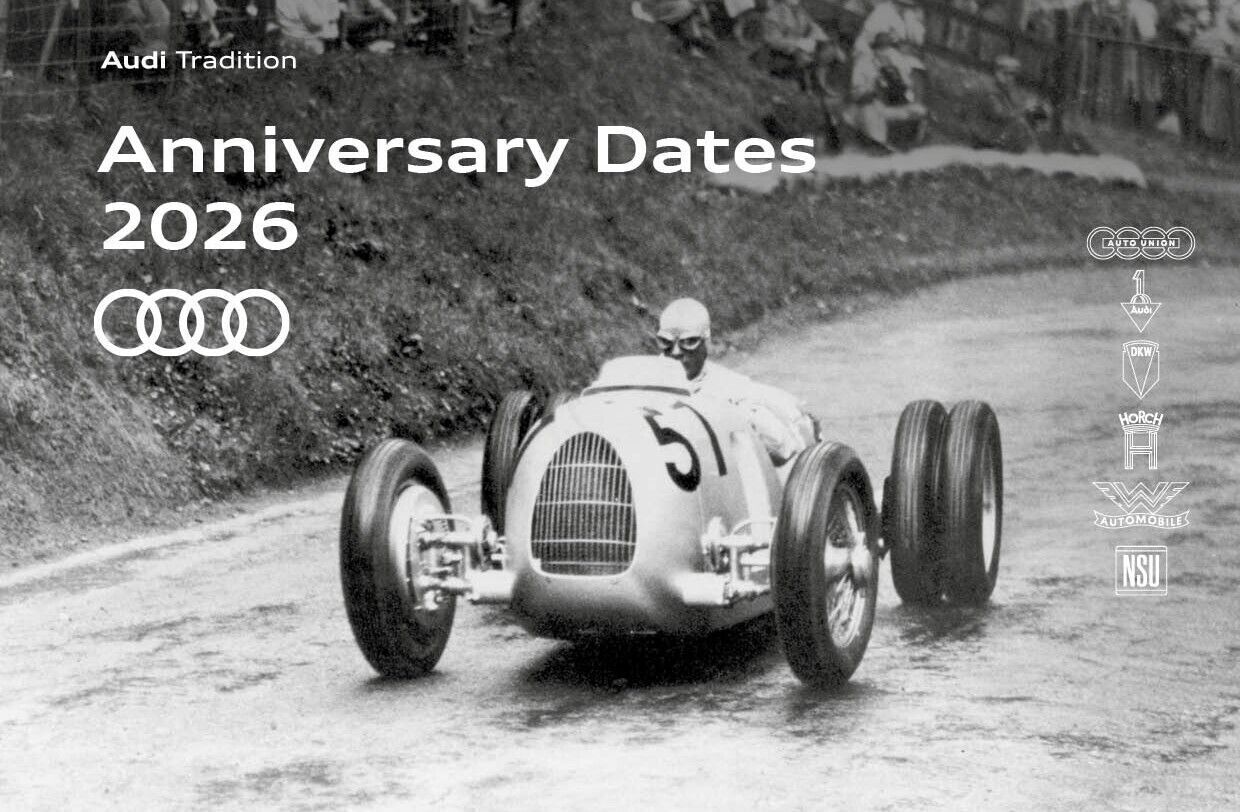
Audi Tradition to commemorate numerous anniversaries in 2026
competitive motorsport at an early stage. Just five years after automotive pioneer Horch built his first car, the Horch 18-22 PS claimed overall victory in 1906 at the Herkomer Trial, one of the most demanding long-distance events of its time. The publication “Anniversary Dates 2026” also honors further sporting achievements by Audi and its heritage brands. One hundred years ago, NSU scored a remarkable quadruple victory in the 1.5-liter class with the NSU 6/60 PS at the first “German Grand Prix” on the AVUS circuit in 1926. Ninety years ago, the Auto Union Type C dominated the 1936 racing season, winning three of five Grand Prix events, half of the circuit races, and every hill climb entered by Auto Union AG. Six decades later – in 1996 – Audi achieved seven wins in seven countries: at touring car championships in Germany, Italy, Great Britain, Belgium, Spain, Australia, and South Africa, the 285 PS Audi A4 quattro STW impressively demonstrated the superiority of quattro all-wheel drive. Further
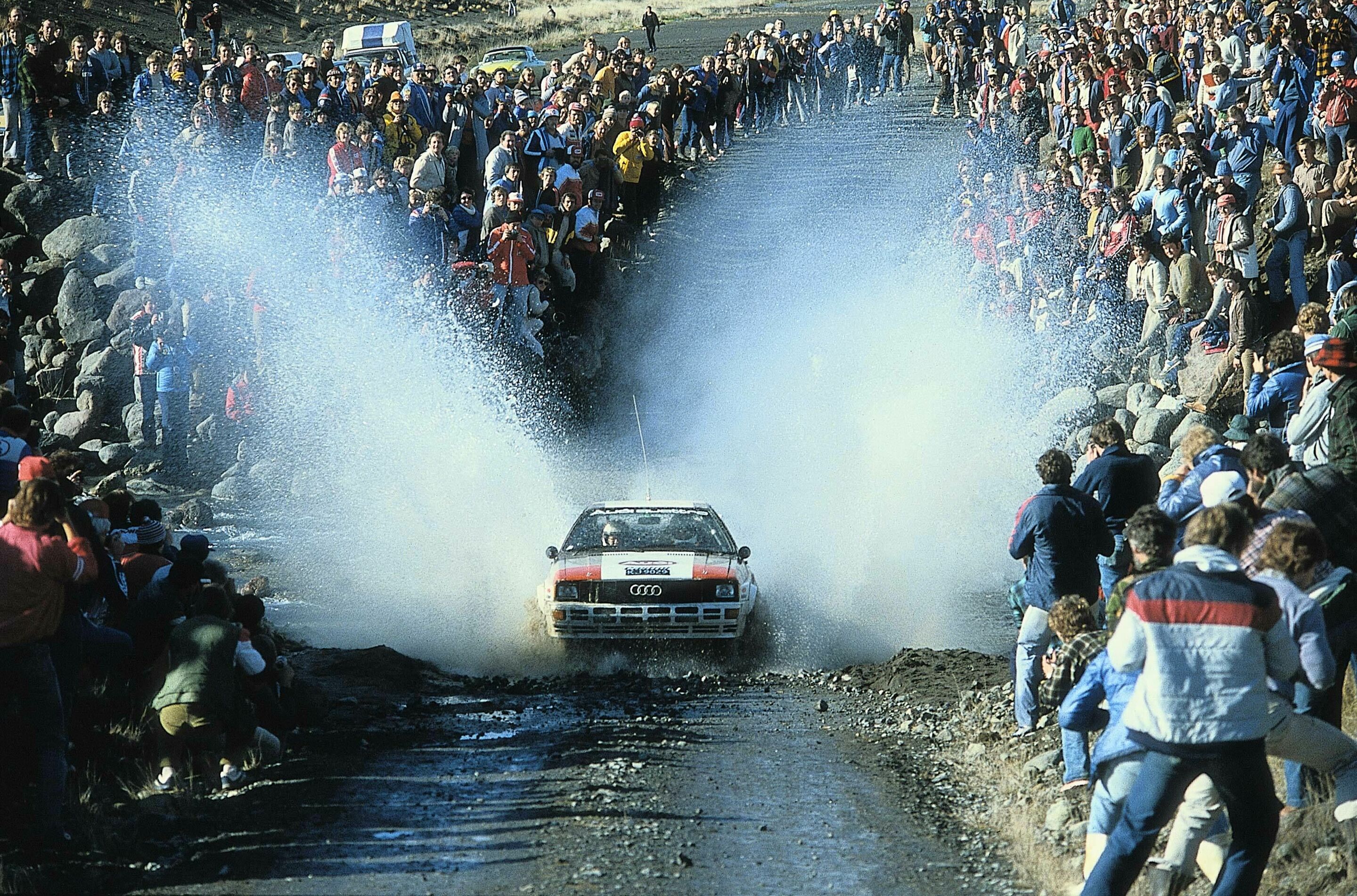
More than 100 years of pioneering spirit
victories in motorsport. Added to this was the factory’s involvement in motorcycle racing, motocross and off-road racing. In addition to the four Auto Union brands, another traditional company contributed its motorsport record: The NSU brand merged with Auto Union GmbH in 1969 to form Audi NSU Auto Union AG. Even before the war, factory entries of solo and sidecar motorcycles shaped the brand’s sports program. With the NSU 6/60 Kompressor sports car, the brand achieved a quadruple class victory on the Avus in 1926. Models such as the Wankel Spider or the TT touring car further enhanced the sporting record in the sixties and into the early seventies. Pioneering achievements in the first half of the century The Horch brand achieved an early success by winning the Herkomer-Fahrt in 1906. Audi then proved its long-distance qualities on the most adventurous mountain passes in Europe at the time. Conquering the Alps was a great challenge in the early days of the automobile. From 1912 to 1914, Audi won
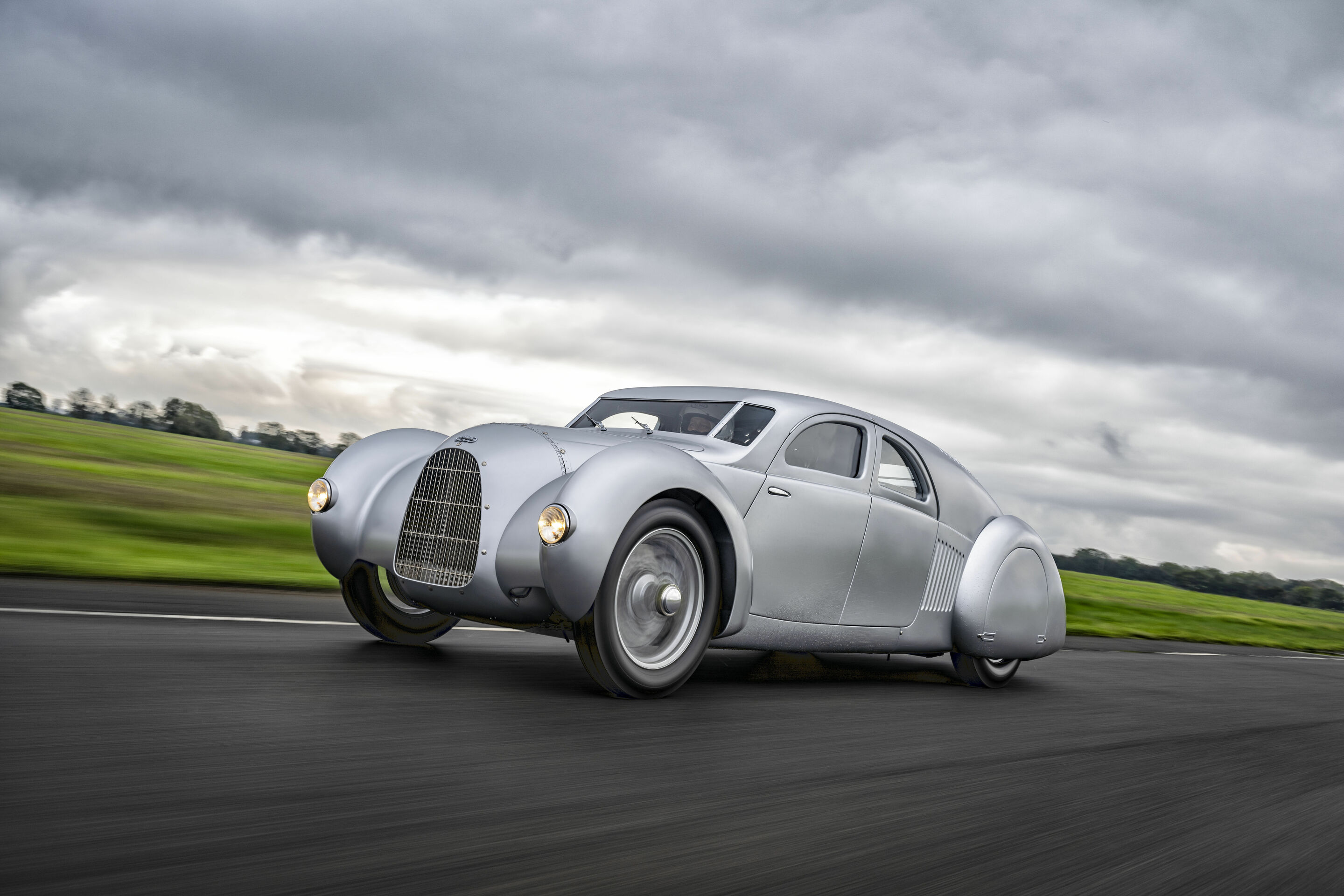
Imagined over 90 years ago, now brought to life: Audi Tradition presents the Auto Union Type 52
on to make its new logo, the four rings, a household name around the world. The same year, the rules were published for the new 750 kg formula used in the Grand Prix held from 1934 to 1936. In 1933, Auto Union AG commissioned the Stuttgart design office of Ferdinand Porsche to develop a race car based on the 750 kg formula. Work on the Auto Union Type A (internally, Porsche called it the Type 22) began in March of 1933. Just one year later, Hans Stuck set a world record driving the car on the AVUS circuit in Berlin. When the innovative Auto Union and Mercedes-Benz race cars burst onto the international racing scene, the legend of the Silver Arrows was born. Swift as an arrow, these legendary powerhouses captivated audiences with their futuristic design and revolutionary technology. While Mercedes-Benz favored front-mounted engines, Auto Union was the first to place the engine behind the driver. This mid-engine layout remains the standard in Formula One today. In the years that followed