Search
All search results for "moni islam" (11)
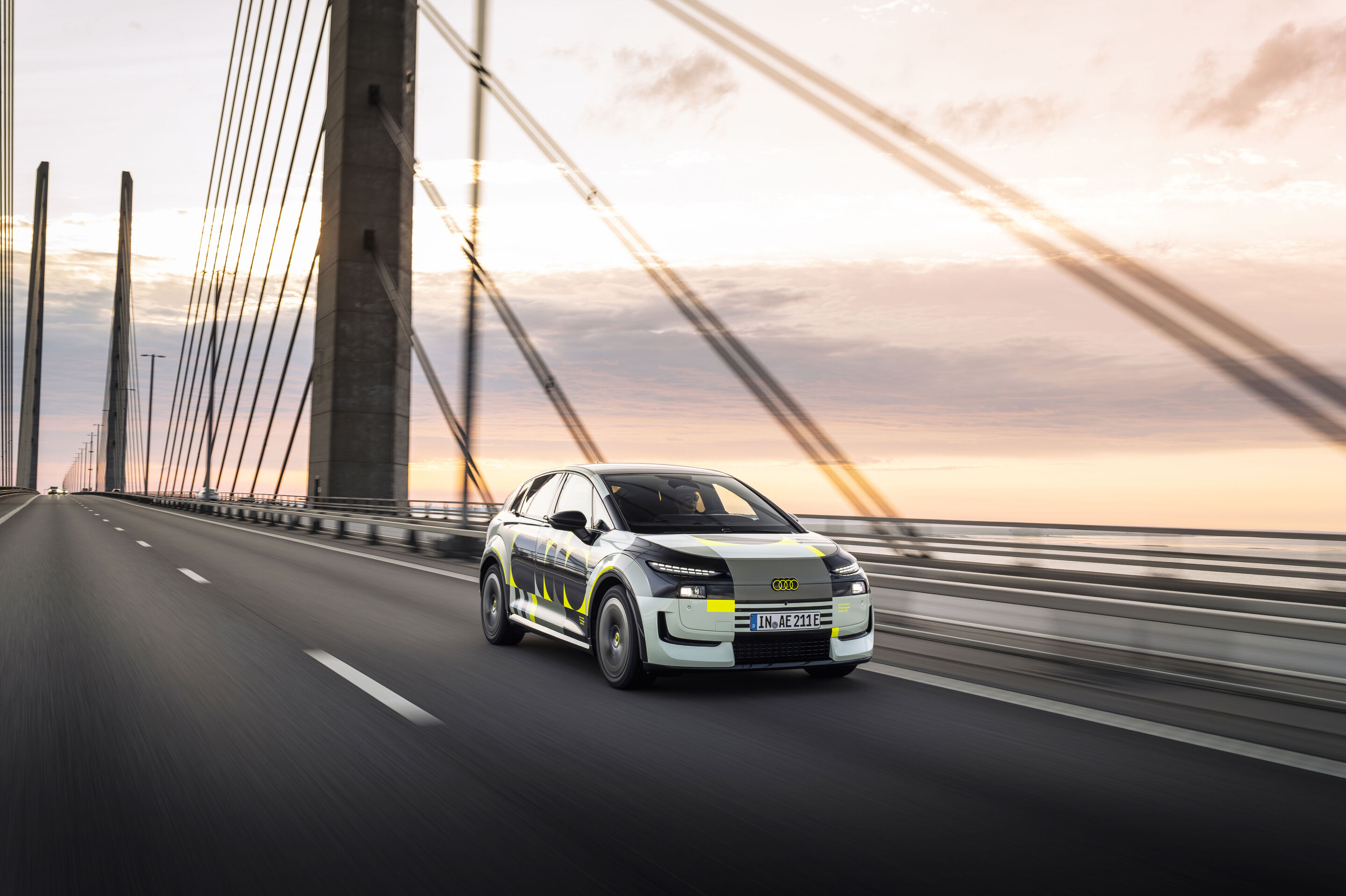
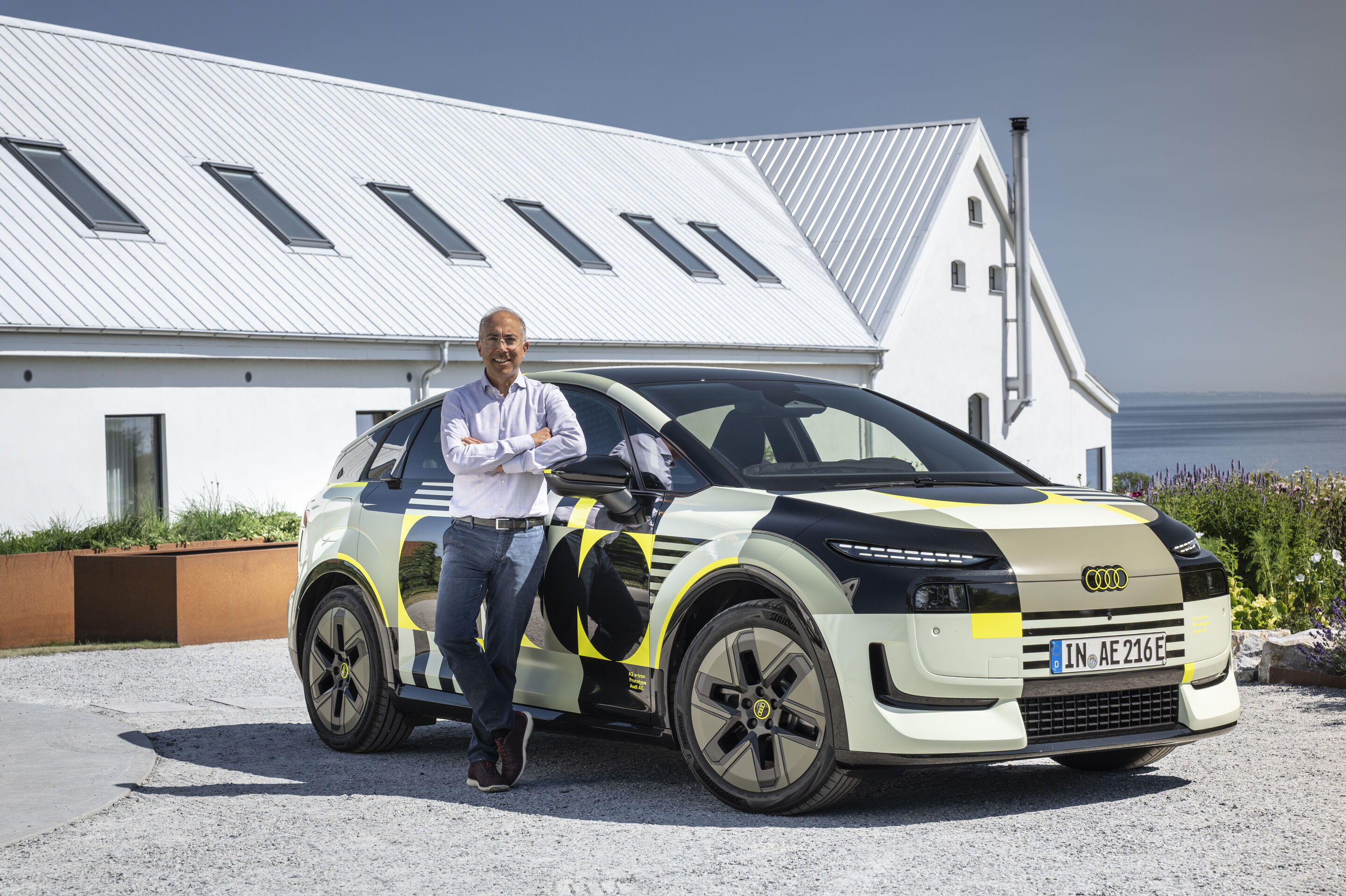
A2 e-tron: How aerodynamics improves range and efficiency
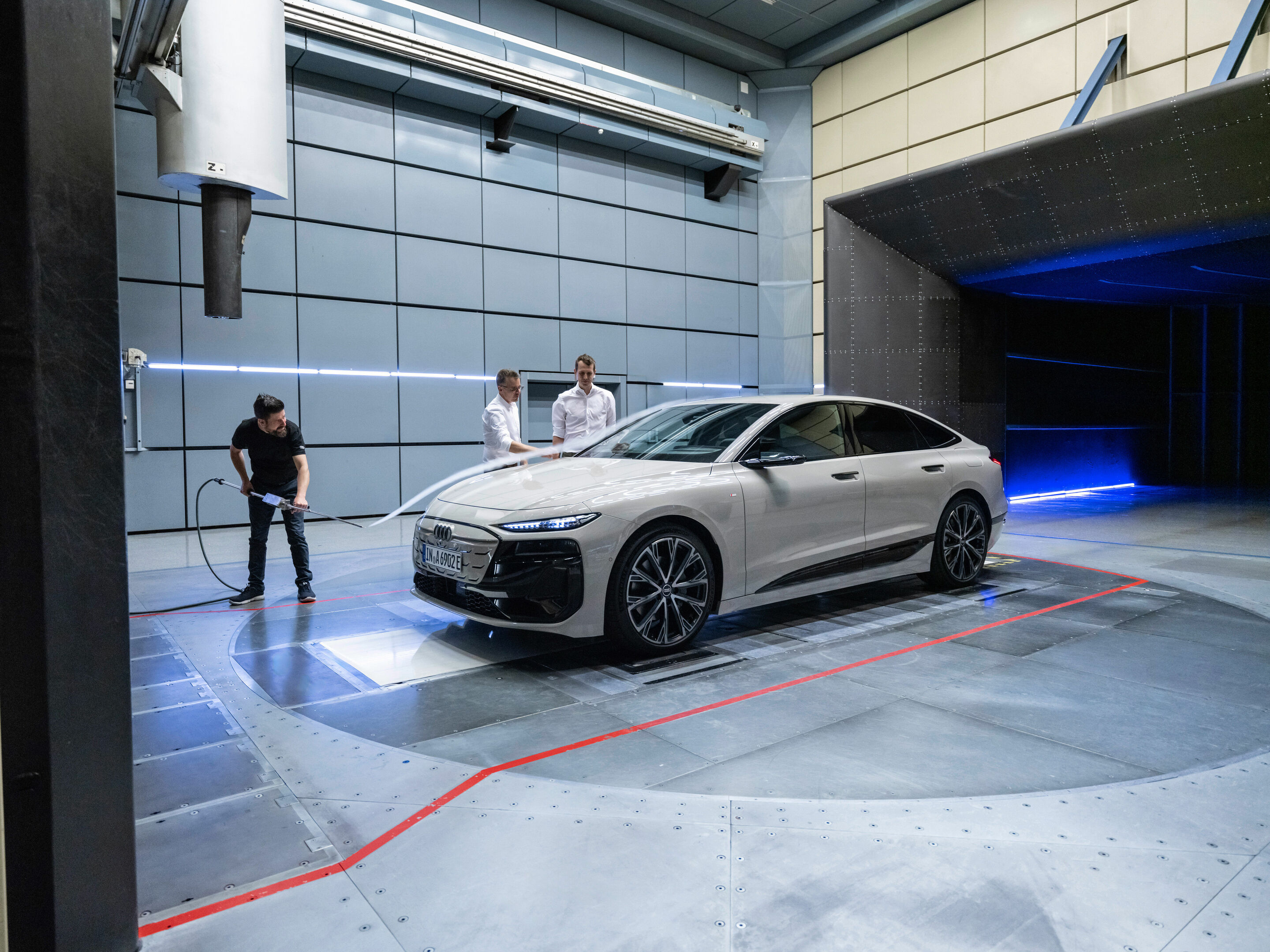
with its rounded front end, gently sloping roofline and sharply defined rear end, follows the principles of streamlined vehicle geometry,” explains Dr. Moni Islam, Head of Aerodynamics/Aeroacoustics Development. “This basic shape forms the basis for very good aerodynamics.” With a drag coefficient of 0.24, the Audi A2 e-tron 140 kW with efficiency package is best in class within the Audi compact segment, even outperforming its predecessor from 1999, the Audi A2.
“What sets the aerodynamics of the Audi A2 e-tron apart is the multitude of detailed refinements that collectively deliver an outstanding overall result.”
Dr. Moni Islam, Head of Aerodynamics/Aeroacoustics Development, AUDI AG
Through the combined effect of the individual aerodynamic measures, Moni Islam and his team have reduced the energy consumption of the Audi A2 e-tron 140 kW with efficiency package by up to 0.9 kWh
Audi Report 2020
R ob er t Fi sc h er Audi RS e-tron GT: combined electric power consumption in kWh/100 km: 20.2–19.3 (NEDC); combined CO₂ emissions in g/km: 0 Audi Report 2020 140 Products & Services Dr. Moni Islam is standing in front of an oversized LED wall that displays an aerodynamics simulation of the Audi e-tron GT.1 He throws his arms wide open and follows the simulated airflow along the vehicle’s silhouette. Brimming with pride, he declares: “With the Audi e-tron GT1 we’ve succeeded in blending fantastic design with very good aerodynamics.” The Canadian makes no secret of the huge challenge his specific discipline has faced: “For system reasons, electric vehicles can carry less energy on board in their battery than conventional vehicles have in their fuel tank. So we need to take special care Dr. Moni Islam, Head of Aerodynamics/ Aeroacoustics Development Active aerodynamics improve range P h o to : R ob er t Fi sc h er P h o to : R ob er t Fi sc h er 1 Audi e-tron GT quattro: combined electric

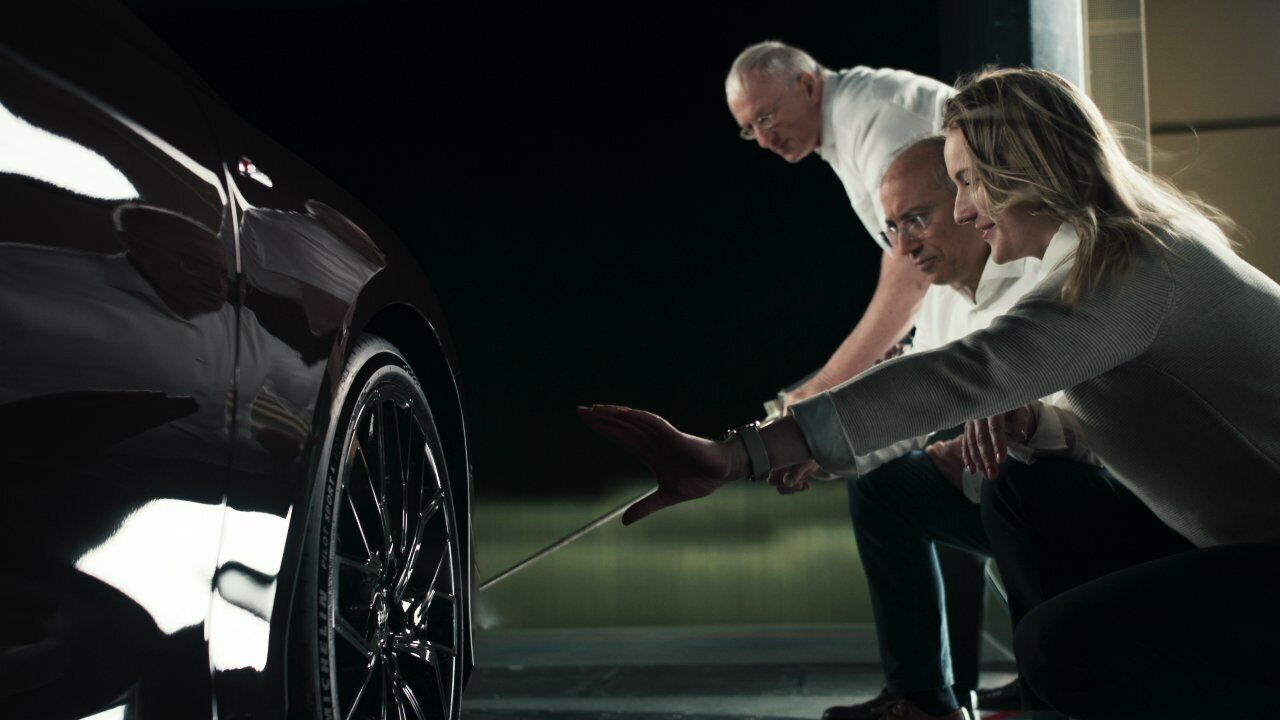


Record-breaking aerodynamics
What makes the Audi A6 Sportback e-tron the most aerodynamic Audi ever?