Search
All search results for "munga" (6)

Audi Tradition to commemorate numerous anniversaries in 2026
in seven countries: at touring car championships in Germany, Italy, Great Britain, Belgium, Spain, Australia, and South Africa, the 285 PS Audi A4 quattro STW impressively demonstrated the superiority of quattro all-wheel drive. Further anniversaries compiled by Audi Tradition historians include: 30 years of the Audi A3, 35 years of the Audi Cabriolet, 45 years of the Audi research car, 50 years of the second-generation Audi 100, 70 years since the DKW 3=6 Monza record run, 70 years of the DKW Munga off-road vehicle, and 70 years of NSU speed records. A comprehensive overview of these milestones is provided in “Anniversary Dates 2026,” available in the Audi Media Center.
Recommendations
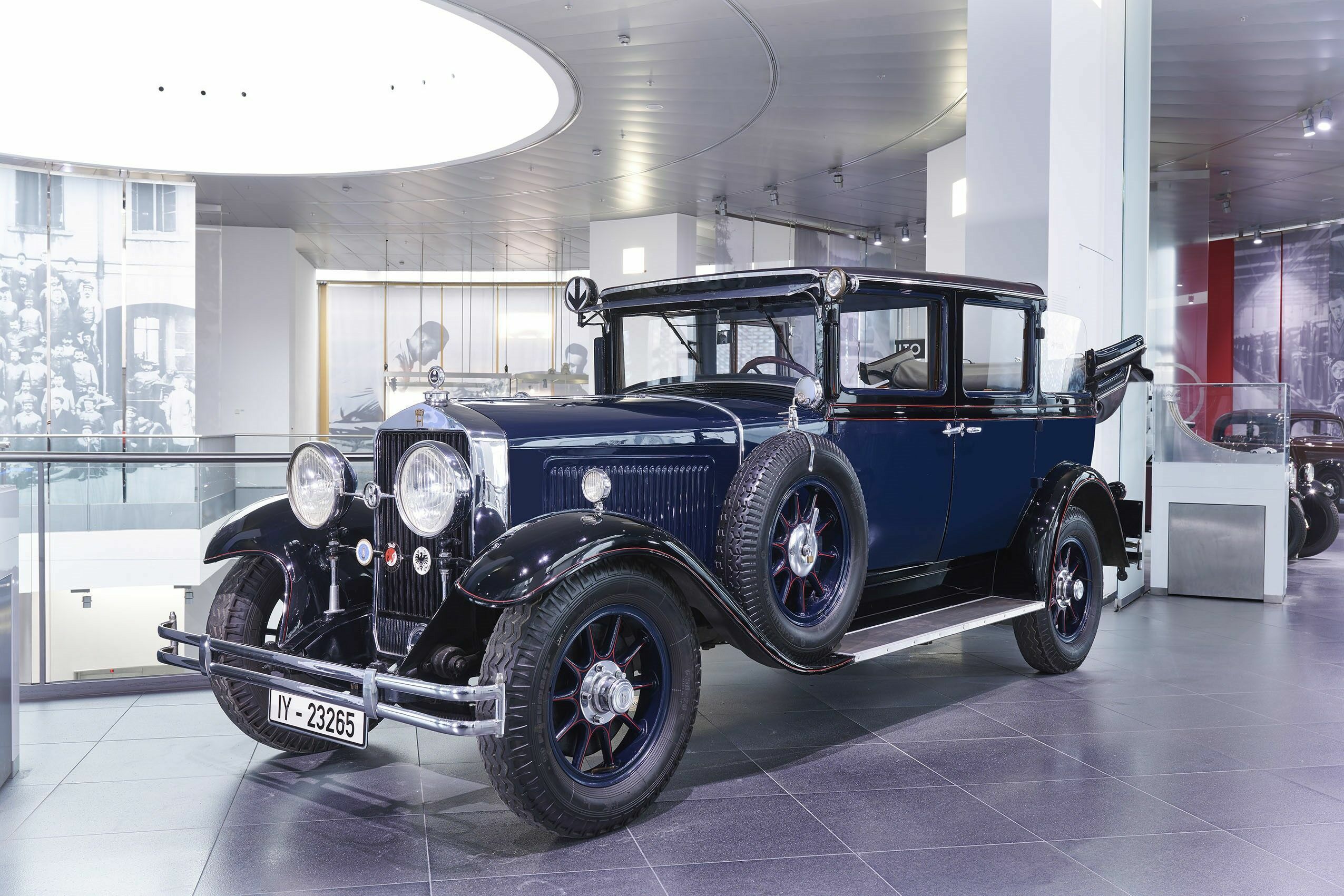
Audi museum mobile celebrates its 20th birthday
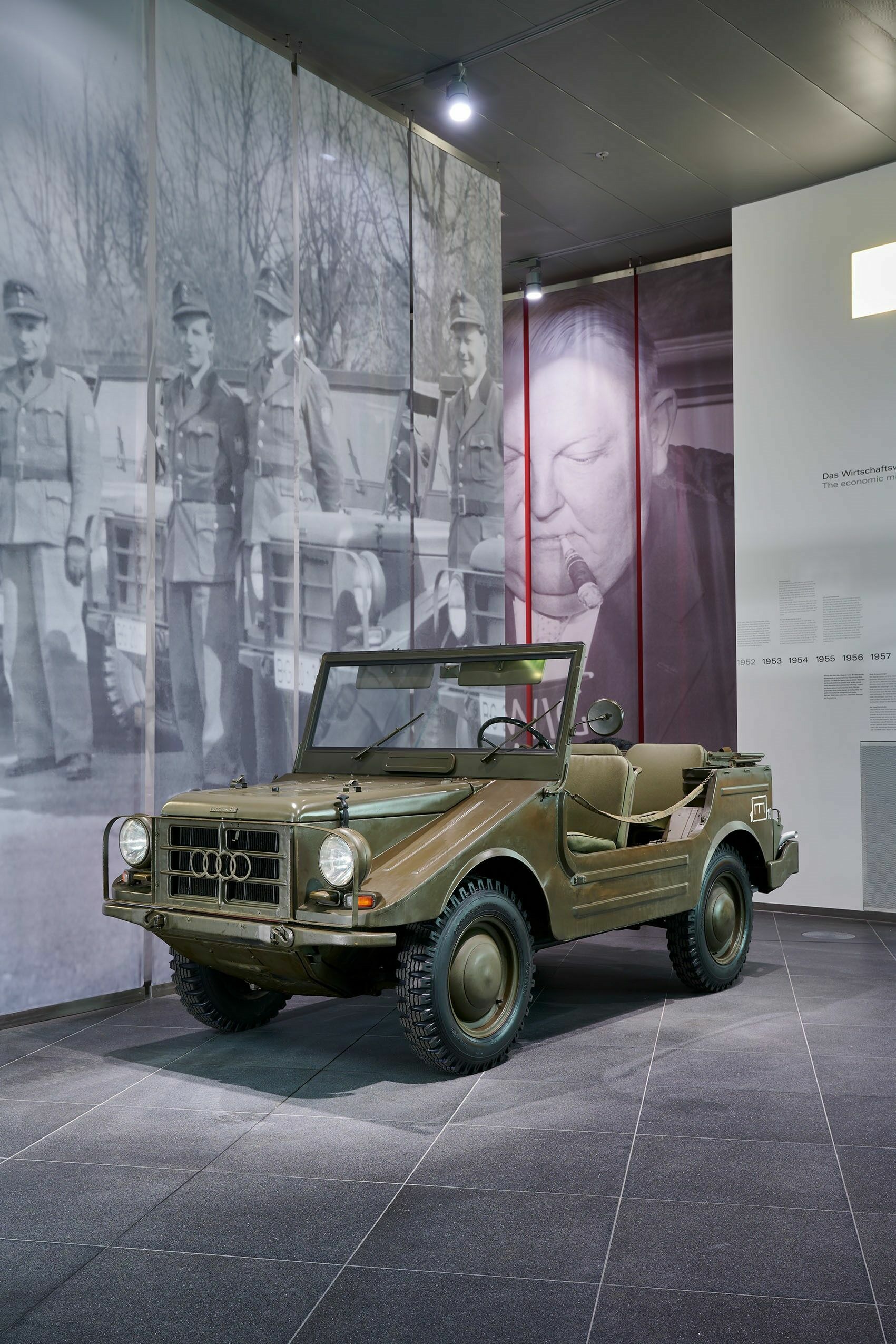
study with a streamlined body at the automotive show in Berlin. Another vehicle to be included in the permanent exhibition is the DKW F 9 prototype from 1940. The war prevented the series production of both models. Visitors to the Audi museum mobile can see them now. There is yet another special contemporary automotive witness to find its way into the exhibition - however not as a replacement for another exhibit but to represent an extremely important moment in the company's history: the DKW Munga which was built by Auto Union GmbH from 1956. The off-road vehicle was ordered by the German armed forces founded 65 years ago. It thus helped the young company from Ingolstadt to survive the hard post-war era and contributed towards making the future possible where AUDI AG finds itself today.

Audi Tradition - Anniversary Dates 2026
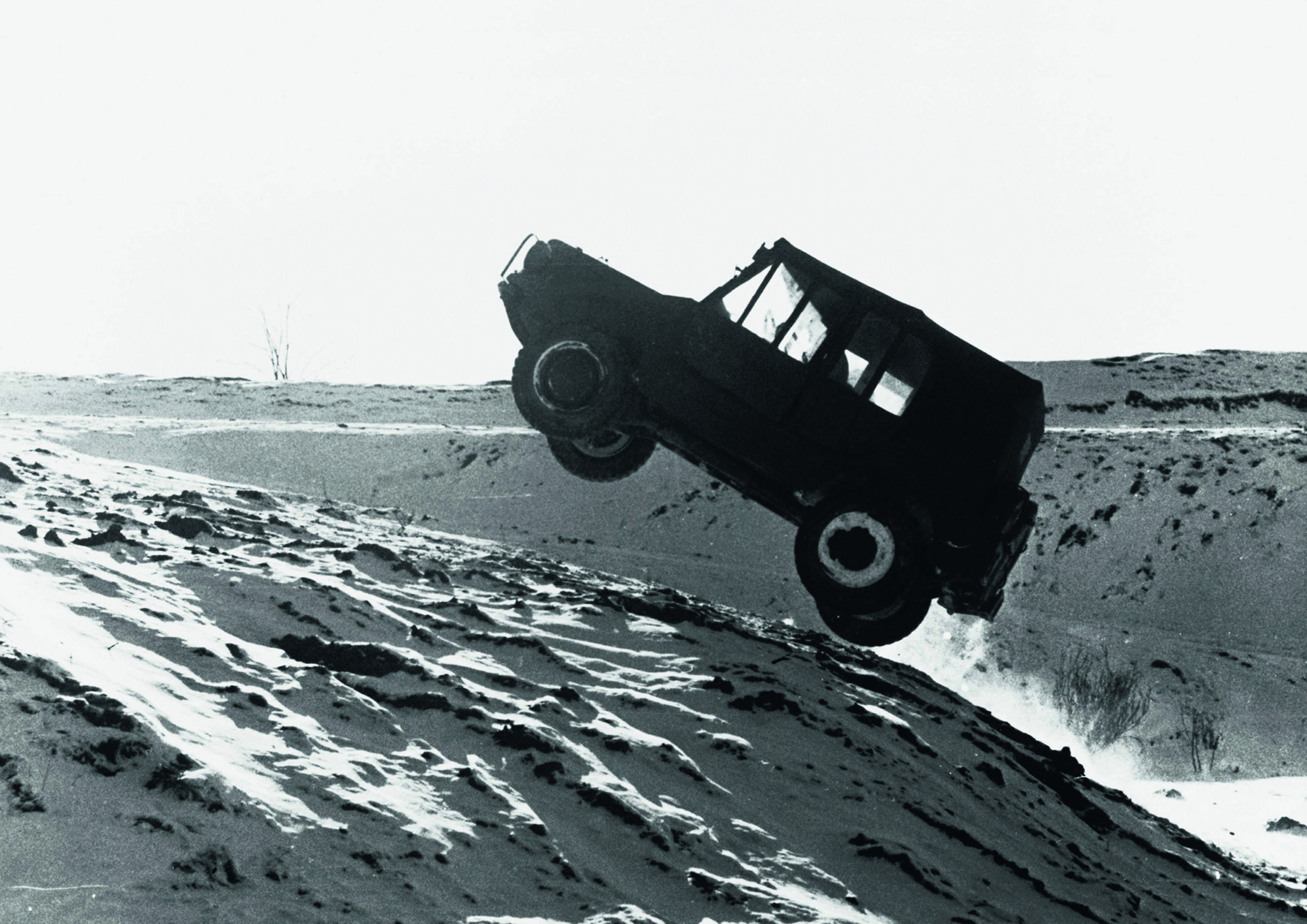
regarding the “vehicle equipment of a future German Wehrmacht,” which the VDA had provided to all German automobile manufacturers under strict secrecy. At the end of 1956, the DKW F 91/4 – its model de signation standing for “DKW F 91 with four-wheel drive” – built at the Auto Union plant in Ingolstadt, was introduced into service with the newly established German Bundeswehr as the standard vehicle in the 0.25-ton payload class. In 1962, the DKW off-road vehicle received the model designation MUNGA, an acronym for “Mehrzweck UNiversal Geländewagen mit Allradantrieb” (multi-purpose universal all-wheeldrive off-road vehicle). With the end of Bundeswehr procurement contracts, production of the last DKW two-stroke vehicle ceased in December 1968 after a total of 46,750 units had been built. 70 years Audi Tradition 14 Anniversary Dates 2026 Death Anniversary August Horch The son of a blacksmith, Dr. August Horch was born on 12 October 1868 in Winningen on the Moselle River. After completing his
Audi Tradition - Anniversary Dates 2025
Initially conceived as a three-seater (StM II), a four-seater variant (StM III) was also developed in parallel. In late 1955, when eleven DKW off-road vehicles were to be delivered to the newly forming German Bundeswehr for testing, Auto Union decided to equip these vehicles and several additional long-term test units with fiberglass-reinforced plastic bodies. These bodies were manufactured at the Ingolstadt plant using mono lithic press molds. However, by the time series production of the DKW MUNGA began in fall 1956, the company opted for steel bodywork, which could be produced at slightly lower costs. 70 years Audi Tradition 24 Anniversary Dates 2025 In addition to the technical uncertainties of mass- producing plastic bodies – an area with no comparable references at the time – the departure of the two key figures, Eberan-Eberhorst and Kurt Schwenk, in September 1956 led to the termination of all work on DKW plastic cars. Nevertheless, foundational research on plastic body components