Search
All search results for "power electronics" (497)

The new Audi E³ 1.2 electronic architecture brings “Vorsprung durch Technik” to life
Scalable: in the E3 1.2 electronic architecture developed jointly with CARIAD, a future-oriented foundation with new hardware and software debuts in the Audi Q6 e-tron Update and upgrade capable: high-performance domain computer network and high-power connectivity for new functions and user experience Comprehensive safety concept: security-by-design and update-by-design
With the launch of Premium Platform Electric (PPE), Audi is introducing a completely new electronics architecture. The E³ will be used for the first time in the 1.2 specification in the Audi Q6 e-tron series. The name E³ stands for end-to-end electronic architecture. Its core element consists of five high-performance computers (high-performance computing platform, HCP) that cover all vehicle functions – from the drive system and assistance systems to the infotainment and comfort systems

A technological leap for electric mobility: the Premium Platform Electric and the E³ 1.2 electronic architecture
“The PPE enables us to launch high-volume, technologically advanced models in various segments and thus further electrify our portfolio” E3 stands for an electronic architecture that takes digitalization to a new level; it will be used scalably across the Volkswagen Group
With the Premium Platform Electric (PPE) and the new E³ electronic architecture, Audi is continuing to assert its status as a leading provider of networked and fully electric premium mobility. The PPE platform, which was developed jointly with Porsche, and the E³ 1.2 electronic architecture, which was designed with CARIAD, are important milestones for the expansion of Audi’s global electric vehicle range, and they mark the beginning of the biggest product initiative in Audi’s history. With the world premiere of the Audi Q6 e-tron, the brand with the four rings is introducing its first


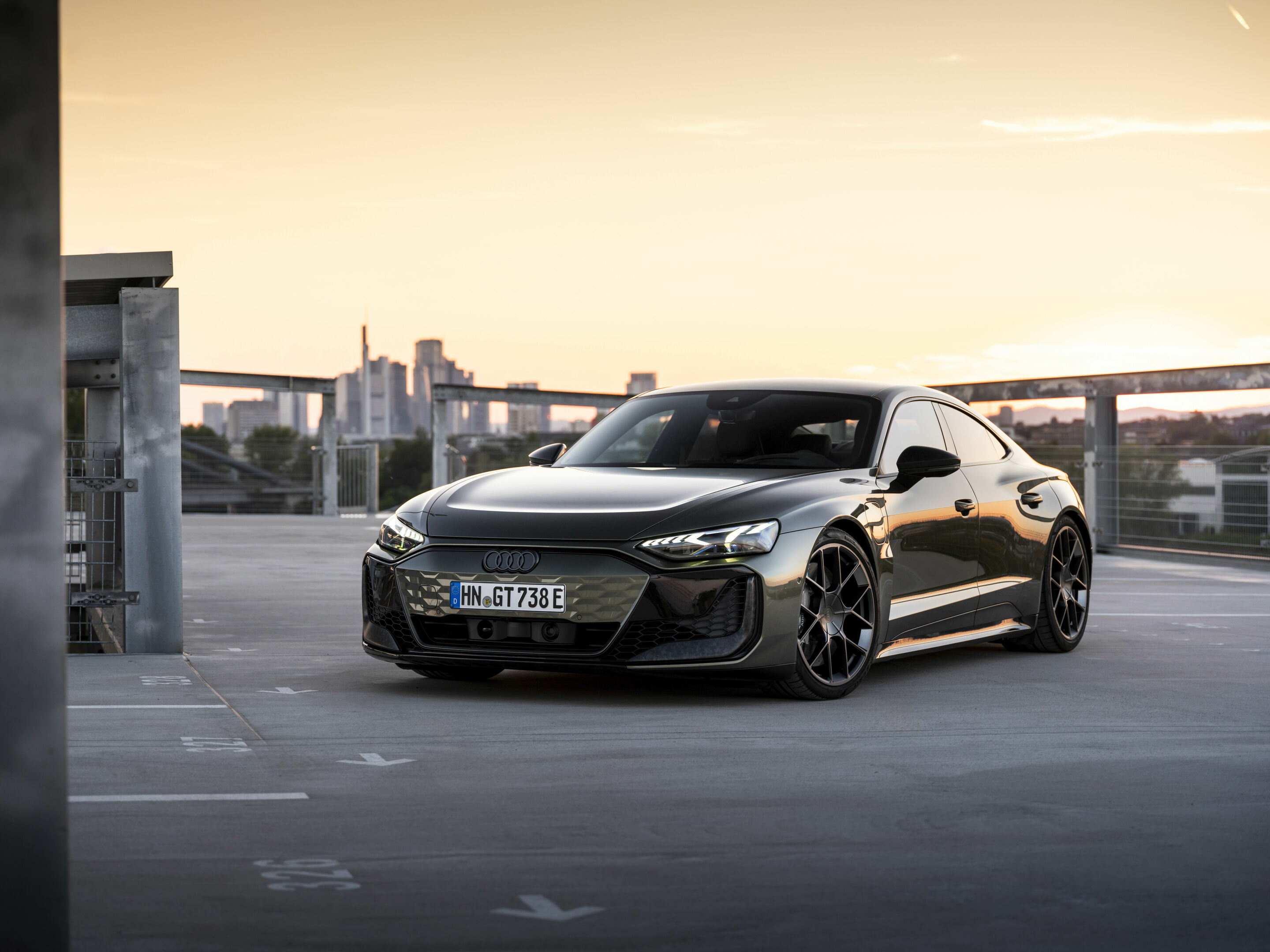
Audi’s most powerful production vehicle: The new RS e-tron GT performance
mountain passes Dynamic duo: High-performance tires with more grip at high lateral acceleration or innovative tires with improved sustainability and optimized rolling resistance
With the Audi RS e-tron GT performance, Audi is debuting its first fully electric RS performance model. The four-door coupé demonstrates bundled technical expertise – and Audi’s passion for details. Powerful, sporty, and confident, it reflects the brand’s high standards for developing and building cars. The RS e-tron GT performance is the dynamic flagship for electric mobility at Audi.
In addition to a permanent-magnet synchronous motor (PSM) on the front axle with a reinforced driveshaft

Development of the Audi Power Unit for Formula 1: “Significant milestones and goals achieved”
interview Complete F1 Power Unit runs on the test bench and has already covered simulated race distances Development at the Neuburg site with 22 state-of-the-art test benches
Work on the Power Unit for Audi’s Formula 1 entry has been underway for more than two years. The specially created Audi Formula Racing GmbH (AFR) in Neuburg a. d. Donau is responsible for the development of the F1 hybrid drive (“Power Unit”) and has successfully completed the set-up phase. Together with the Hinwil facility, the team from Neuburg will form the future factory team with which Audi will compete in the top class in 2026. The Audi F1 Power Unit “Made in Germany” is making great progress behind closed doors. AFR CEO Adam Baker and AFR CTO Stefan Dreyer provide an insight into the current status.
Work on the development of the Audi Power Unit for Formula 1 has been underway at the Neuburg facility since spring 2022. What has been achieved so far? Baker: After just two years, our Power Unit, consisting of a

Audi Q6 SUV e-tron
Audi Q6 SUV e-tron
The Audi Q6 SUV e-tron marks an important step in Audi’s electrification strategy. A new platform, electronics architecture, and charging and battery technology define the model. Added to this is a powerful SUV design that points the way forward for Audi. The Q6 SUV e-tron therefore expands the brand’s all-electric product portfolio.
Images
Videos
Electric power consumption, combined in kWh/100 km (62.1 mi) 18.5 – 15.6
CO2 emissions, combined in g/km (g/mi) 0
CO2 class A
Electric power consumption, combined in kWh/100 km (62.1 mi) 19.3 – 16.2
CO2 emissions, combined in g/km (g/mi) 0
CO2 class A
Electric power consumption, combined in kWh/100 km (62.1 mi) 18.9 – 15.9
CO2 emissions, combined in g/km (g/mi) 0
CO2 class A
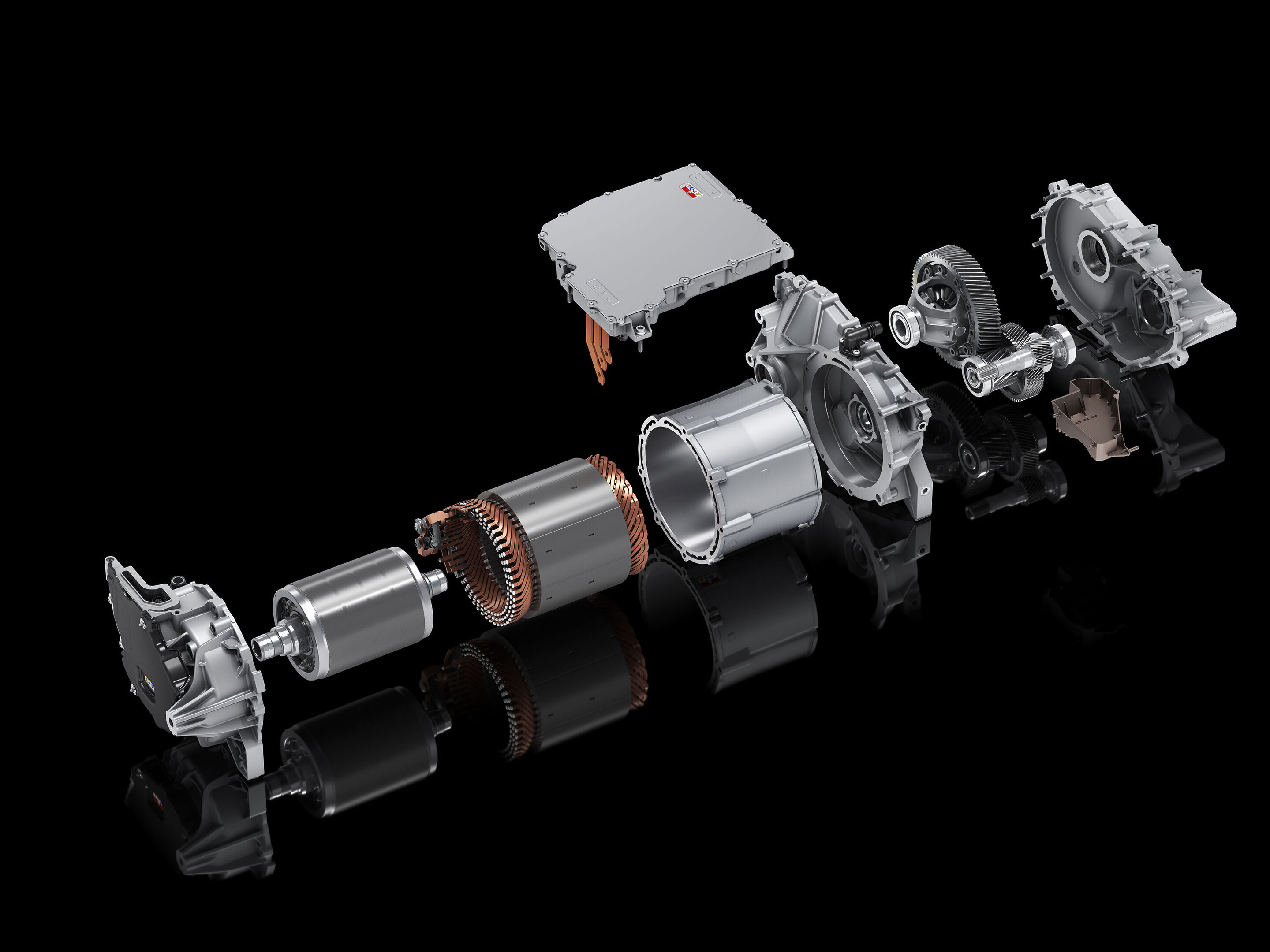
Low energy consumption and high comfort: the electric drive in the new Audi A2 e-tron
is the most efficient Audi ever. Numerous development measures contribute to this. Alongside aerodynamics and battery technology, the further developed drive technology plays a decisive role. Improvements to the power electronics, the electric motor, and the transmission complement one another in the new electric compact model from Audi. The result: Customers benefit from low consumption, long range, and pleasant acoustics.
The key facts about
The A2 e-tron is designed with a focus on low energy consumption, making it the most efficient Audi ever With 140 kW of power and the optional efficiency package, the electric compact model consumes 12.8 kWh/100 km according to the WLTP cycle Silicon carbide semiconductors in the power electronics minimize switching

Audi Sport GmbH’s most powerful SUVs: The new RS Q8 performance and the updated RS Q8
With 471 kW (640 PS) and 850 Nm of torque, the new RS Q8 performance takes the top position among models from Audi Sport GmbH An expressive exterior and new, lighter* wheels significantly sharpen the appearance of Audi’s most powerful SUV yet again With a time of 7:36.698 minutes, the RS Q8 performance sets a new best time for production SUVs on the legendary Nürburgring Nordschleife circuit Audi Sport boss Rolf Michl: "The RS Q8 performance owes its lap record to the interplay of the V8 engine and chassis components as well as the passion of the Audi Sport GmbH team for absolute

Simulator driver for development of Audi’s Formula 1 power unit signed
simulator driver for powertrain development Focus on concept work and energy management Simulator at Neuburg site as development tool for hybrid powertrain
Audi is taking the next step in the development of the power unit for the Formula 1 project by signing a simulator driver. Swiss racing pro Neel Jani (39) is going to support the development of the Audi power unit with his versatile experience from various motorsport programs. An update of the dynamic driving simulator for the work on the Formula 1 hybrid powertrain is being run at the Neuburg site in parallel. In 2026, the brand with the four rings is going to enter the top category of motorsport.
“Just like in production development, simulation plays a major role in our Formula 1 project. Our simulator is an important tool for the power unit development. It requires a development driver who in addition to a grasp of technology brings versatile experience to the project, especially in terms of energy management in racing conditions,” says