Search
All search results for "r10 v12" (13)
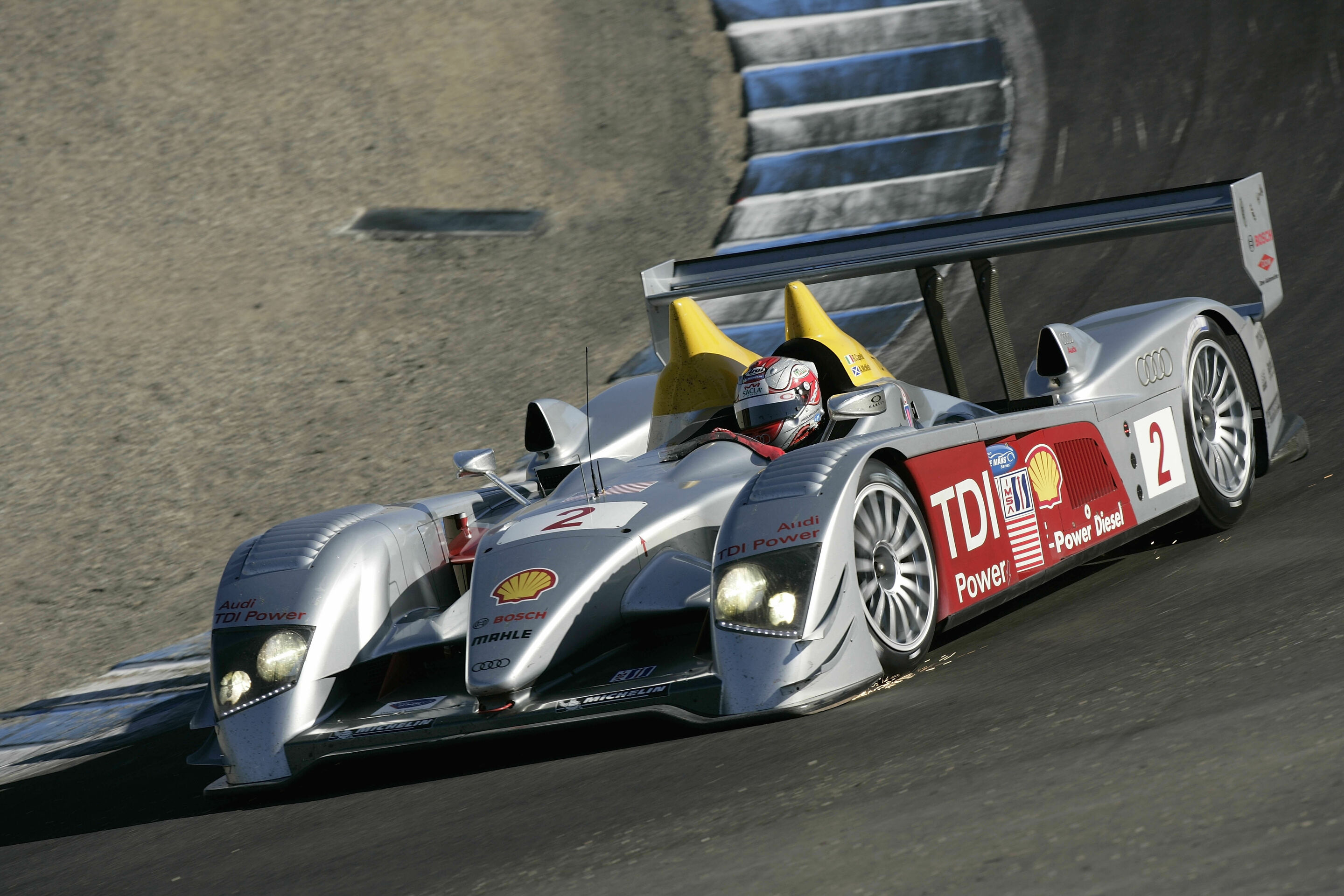
Audi R10 TDI ends début season undefeated
1-2 victory in American Le Mans Series’ finalé Low consumption of Audi’s TDI engine proves decisive Eighth victory in the eighth race for the R10 TDI
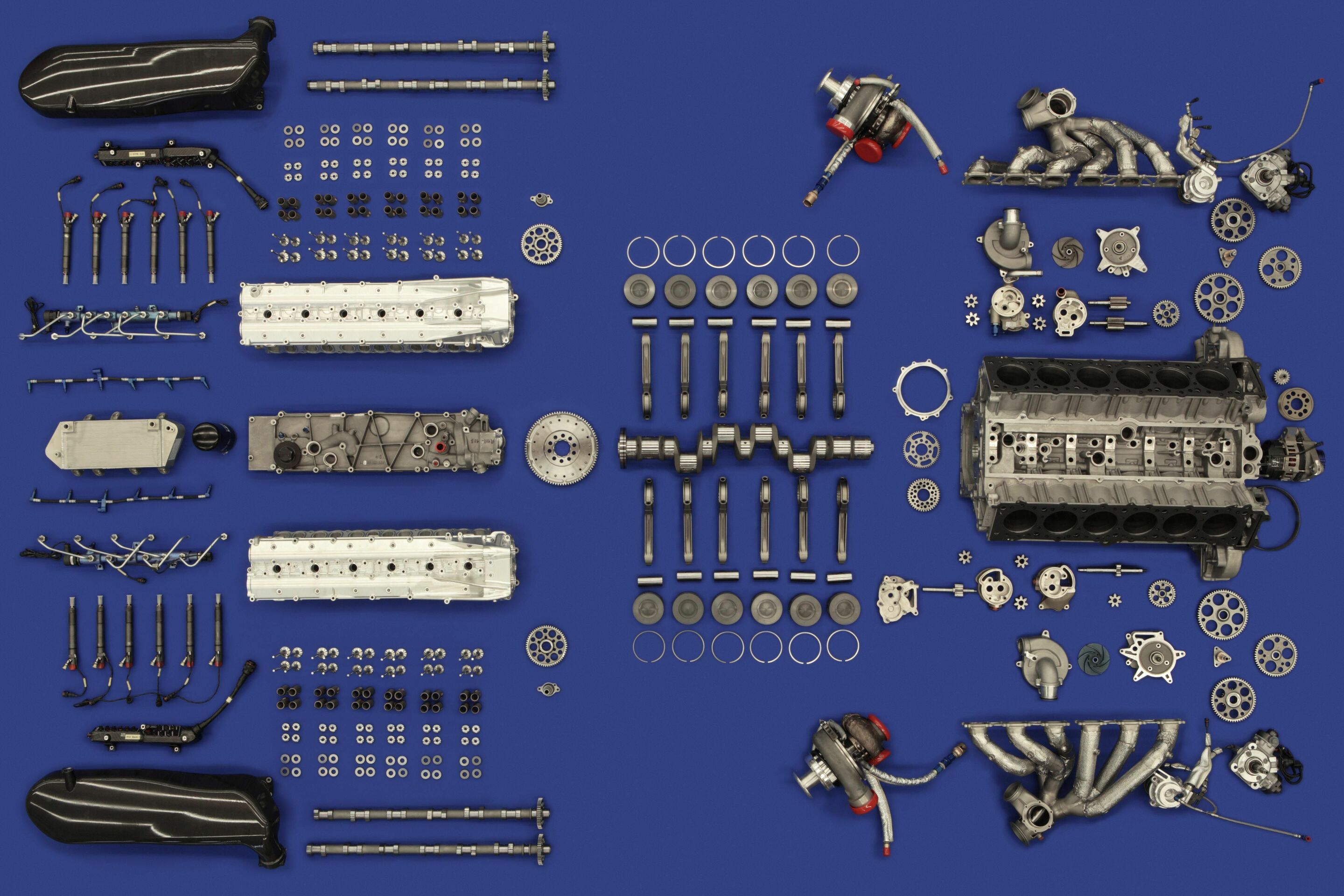
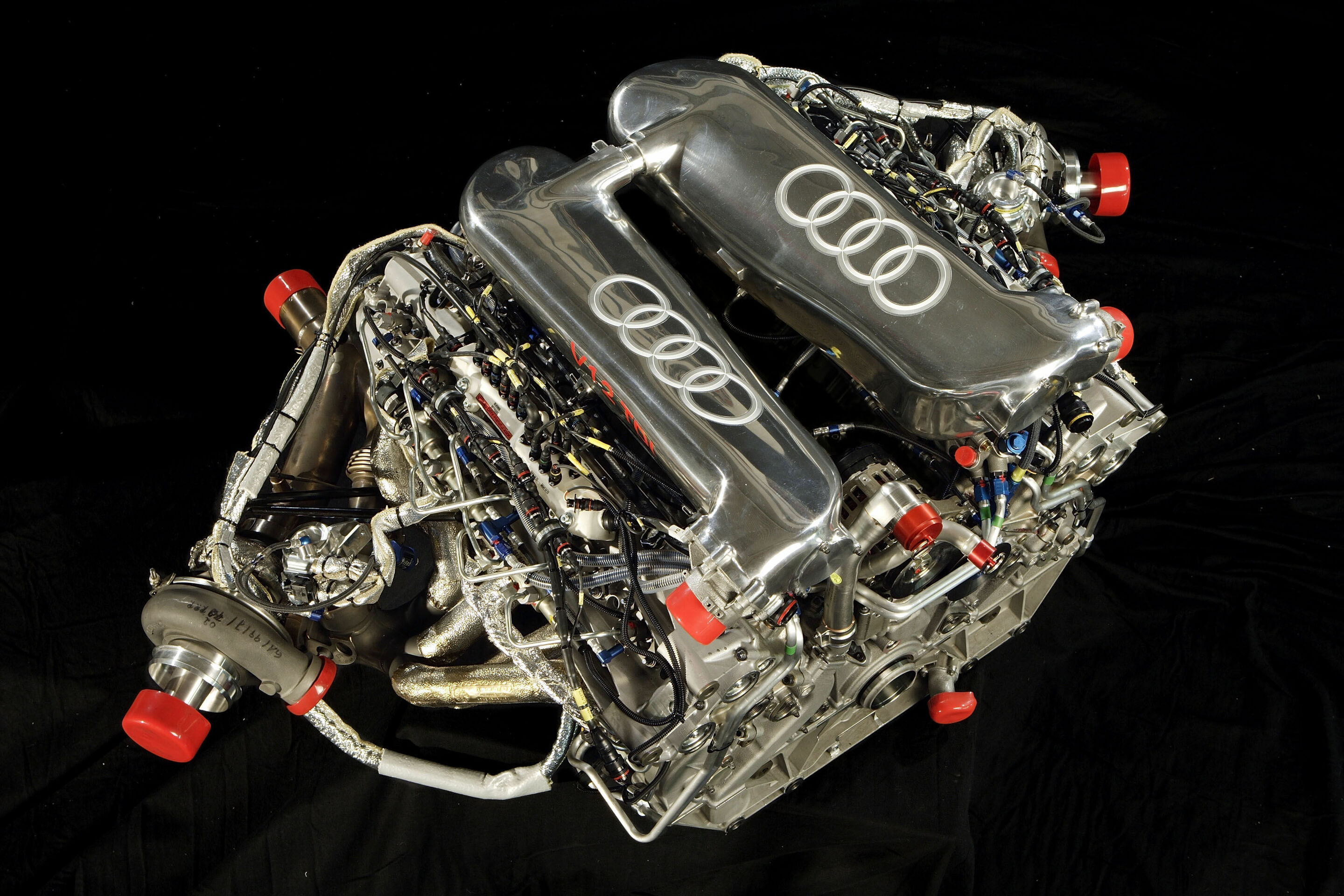
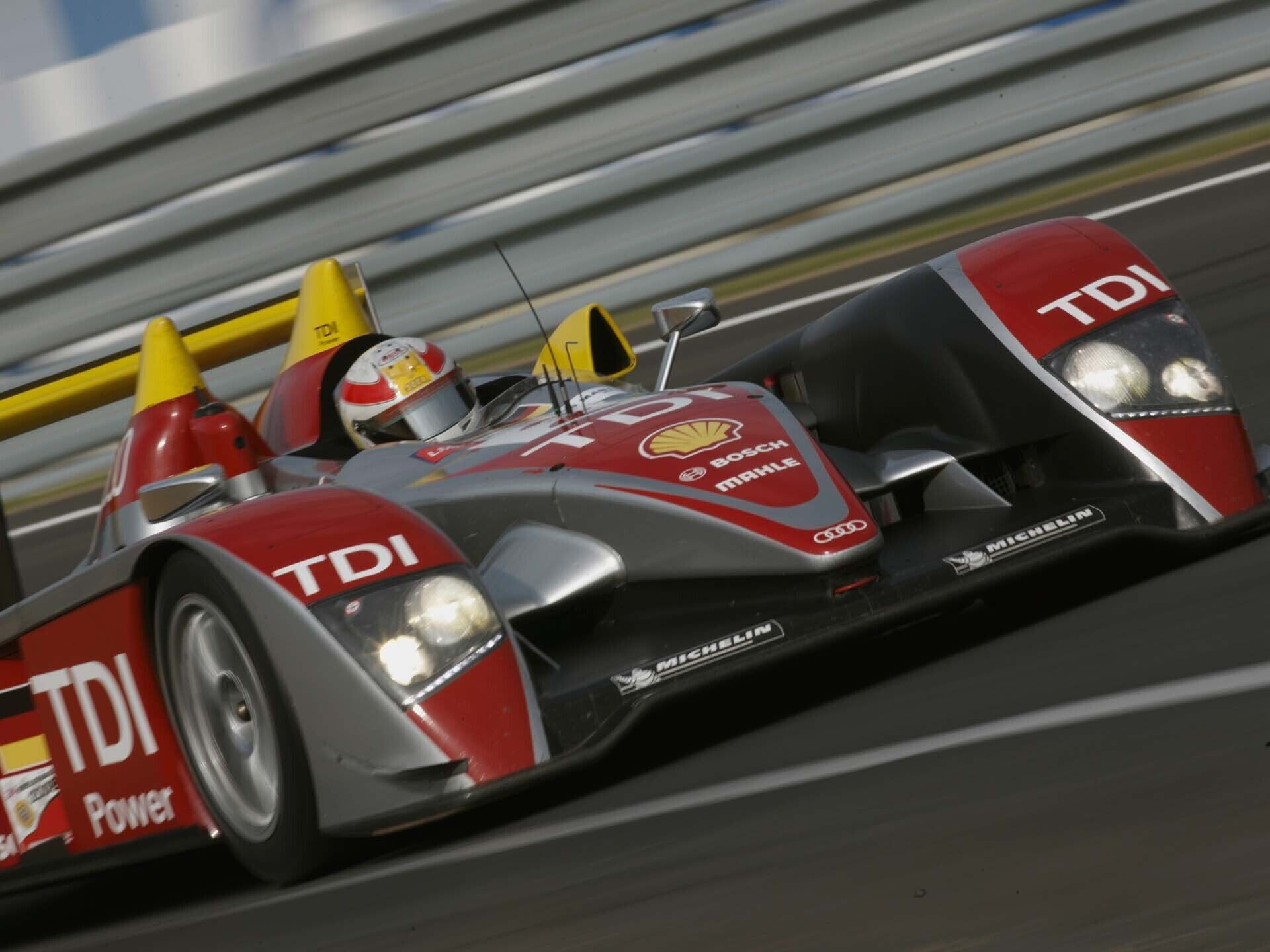
With a 1-2 victory in the finalé of the American Le Mans Series at Laguna Seca (California), AUDI AG yet again has written a piece of motorsport history: The Audi R10 TDI is the first Le Mans Prototype to remain unbeaten in its début season. The revolutionary diesel sportscar competed in eight races since the début in March, crossing the finish line eight times as the outright winner.
Decisive in the triumph at Laguna Seca was the consumption advantage of the modern V12 TDI engine. Starting from fourth and fifth positions on the grid, both Audi R10 TDI sportscars lost a lap in a turbulent first half of the race. Emanuele Pirro had to come into the pits after just three laps when part of the onboard camera worked lose and dropped between the pedals. Just before the end of the second hour, Allan McNish collided with a competitor while braking
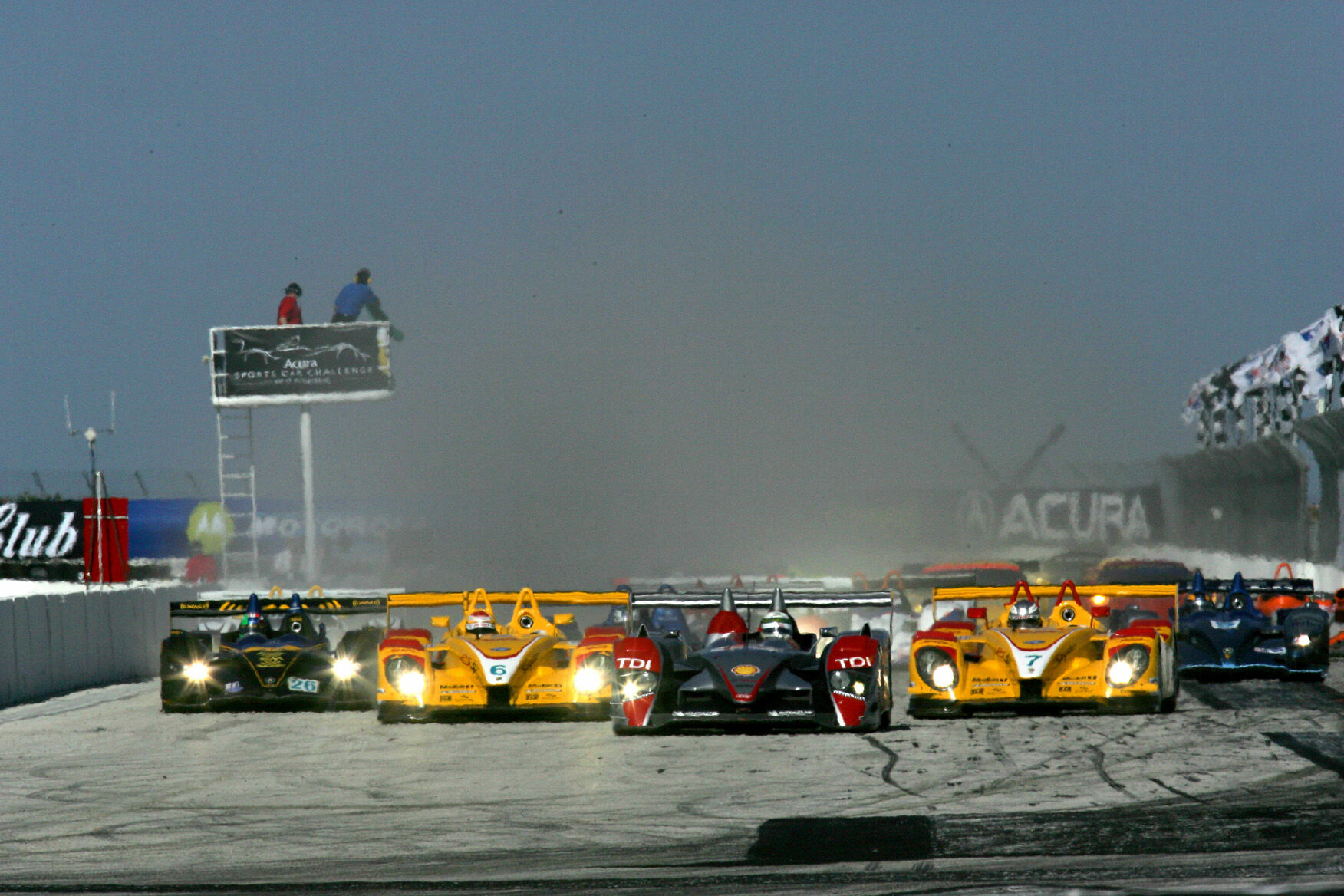
Audi R10 TDI remains undefeated
Diesel sports car also wins on street course in Florida 1-2 victory in St. Petersburg Tenth consecutive victory for the Audi R10 TDI
The outstanding series of victories of the Audi R10 TDI continues: Dindo Capello/Allan McNish (Italy/Scotland) and Emanuele Pirro/Marco Werner (Italy/Germany) claimed an unexpected 1-2 victory for Audi in a turbulent and exciting race in St. Petersburg (Florida). This proved that the Le Mans sports car is capable of also winning on a “city” street course.
In Friday’s qualifying, Audi had to settle for third position. And also in the race, the 150 kilograms lighter LM P2 cars recorded the fastest lap times. But the spectators in St. Petersburg were able to witness an impressive demonstration of Audi TDI Power: In duels, the Audi drivers were able to take advantage from the high torque of the V12 TDI engine, overtaking their competitors under acceleration. They remained faultless over the entire 2:45 hours and recorded consistent lap times. During all five
Le Mans
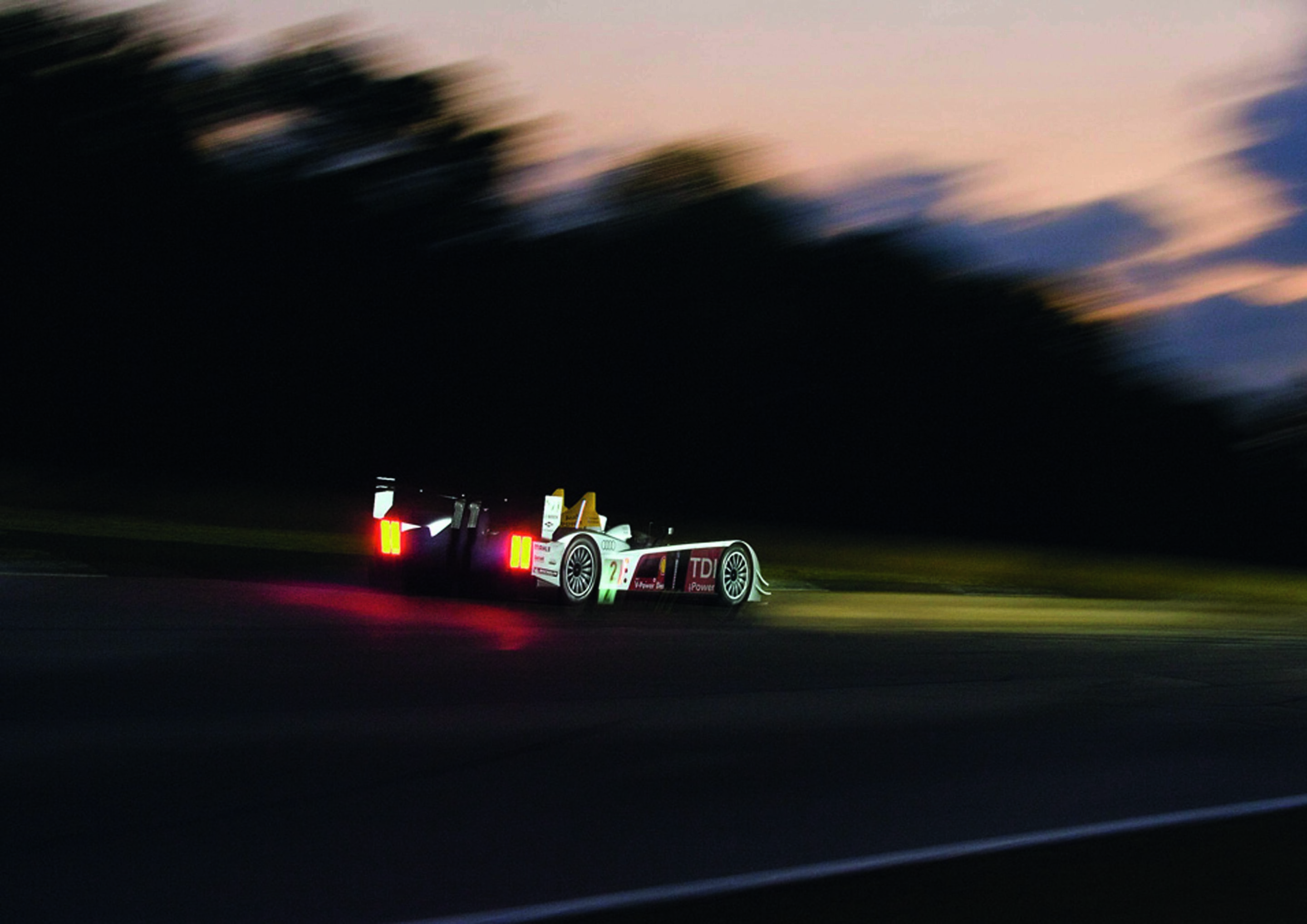
Audi’s entry into the world of sports prototypes in 1999 marked a heyday for the company’s motorsport programme. The Le Mans 24 Hours not only generated worldwide interest. With endurance, high-tech technology and increasingly production-relevant efficiency developments, it also characterised the sport. The R8, R10 TDI, R15 TDI models and the versions of the Audi R18 helped the brand to a victory rate of 72 per cent at Le Mans. A new distance record at the 24-hour race, historic milestones such as the first victories for a diesel-powered car and a hybrid car, as well as championship victories in the American Le Mans Series, the Le Mans Series in Europe and the FIA World Endurance Championship (WEC), complete the four rings’ successful sports car record.
Audi R8
Strong right from the start
Audi’s history at Le Mans began with two models: The Audi R8R roadster and the R8C coupé represented the brand at its debut in 1999. The roadster immediately achieved a podium result with third place
Audi TDI Power remains unbeaten in LM P1
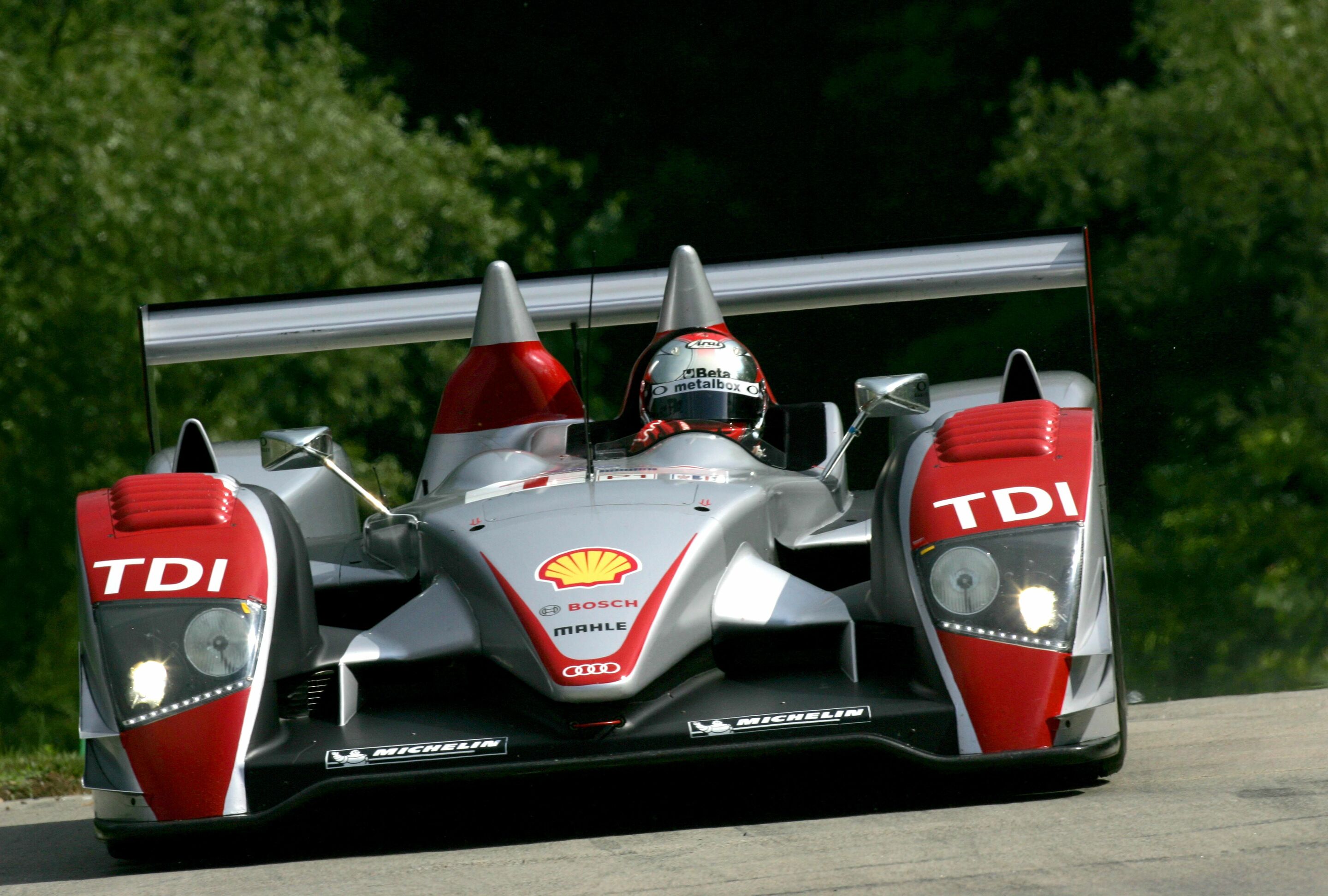
state of Connecituct) scoring their fifth consecutive class win and thus retaining the 100 percent LM P1 category winning record of the Audi R10 TDI in its 15th race. Their team mates Emanuele Pirro (Italy) and Marco Werner (Germany) finished fourth in the LM P1 class despite an unfortunate accident.
The race on the shortest track of the season was incident packed as expected. Taking advantage of the enormous torque of his V12 TDI engine, Allan McNish moved from seventh position on the grid to third at the start. After 30 minutes, the Scotsman was running second just behind the pole sitting LM P2 Porsche when he was blocked twice in a row by the same backmarker at the end of the start-finish straight. On the first occasion, the Audi driver spun dropping from second to fifth position. The second time, contact caused damage to the front of the Audi R10 TDI. The spins and front bodywork change cost McNish and Capello a total of three laps and any chance to fight for overall glory. From tenth
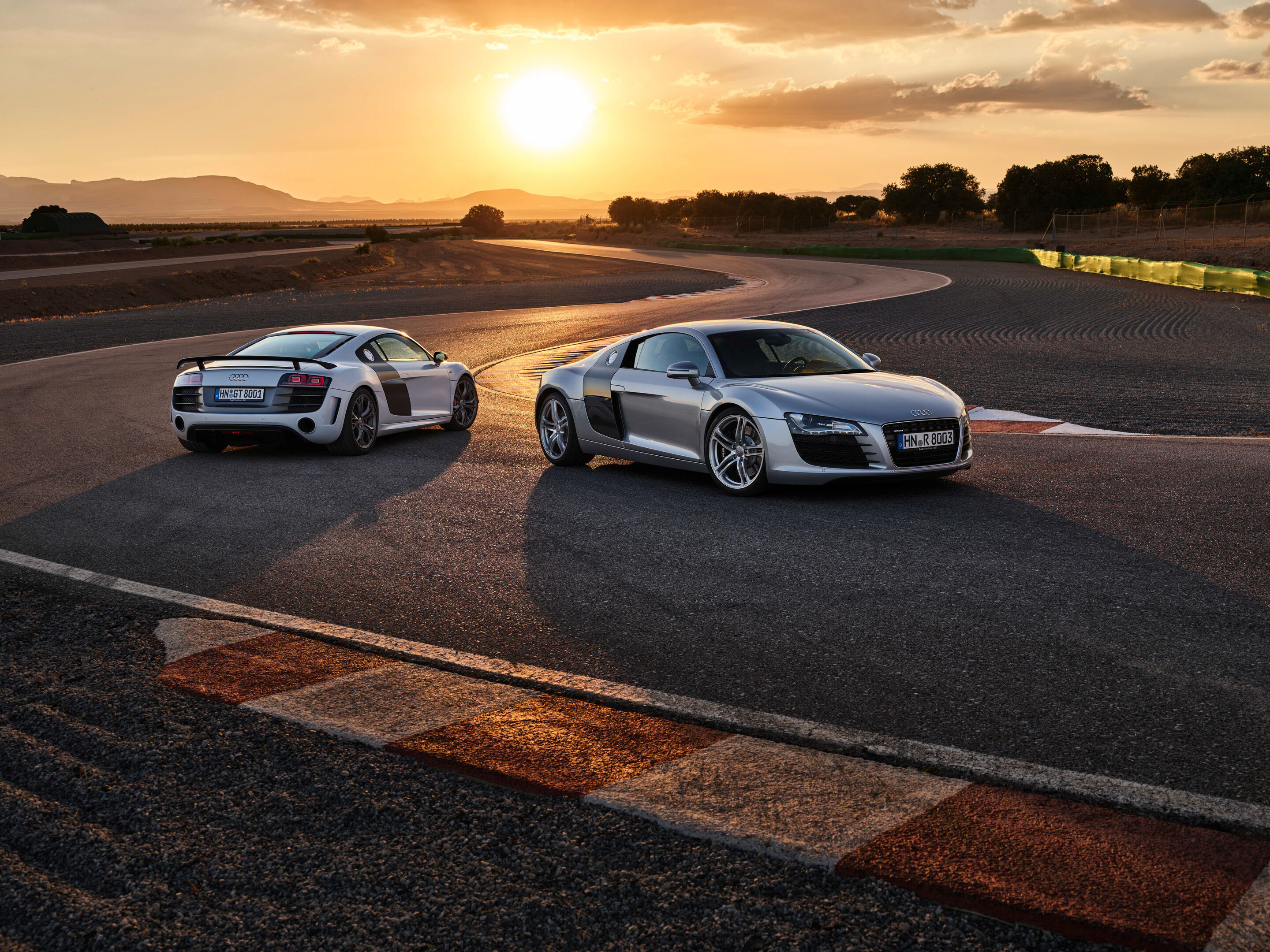
The Audi R8: a captivating legend
are the Audi R8 GT Coupé and the R8 Gt Spyder with an aspirated V10 engine upgraded with 560 PS. The models weighed around 100 kilograms less than the standard R8 V10 models and were designed much more for use on the racetrack. For instance, they featured roll bars and a firefighting system. Both the Coupé and the Spyder variants were limited to 333 units. One concept car that never made it to series production was the R8 with a turbocharged V12 diesel engine; the R8 V12 TDI concept. Background: In the 2010s, Audi was successful at Le Mans with the R10 TDI and wanted to establish diesel technology for sports cars, which had not existed until then. With 500 PS and a maximum torque of 1,000 Nm, the concept went from zero to 100 km/h in about four seconds – with an average consumption of less than ten liters. The final evolution of the first-generation R8 was the Audi R8 LMX, a special edition released in 2014 that was limited to 99 units and – like the R8 GT a few years earlier – was inspired
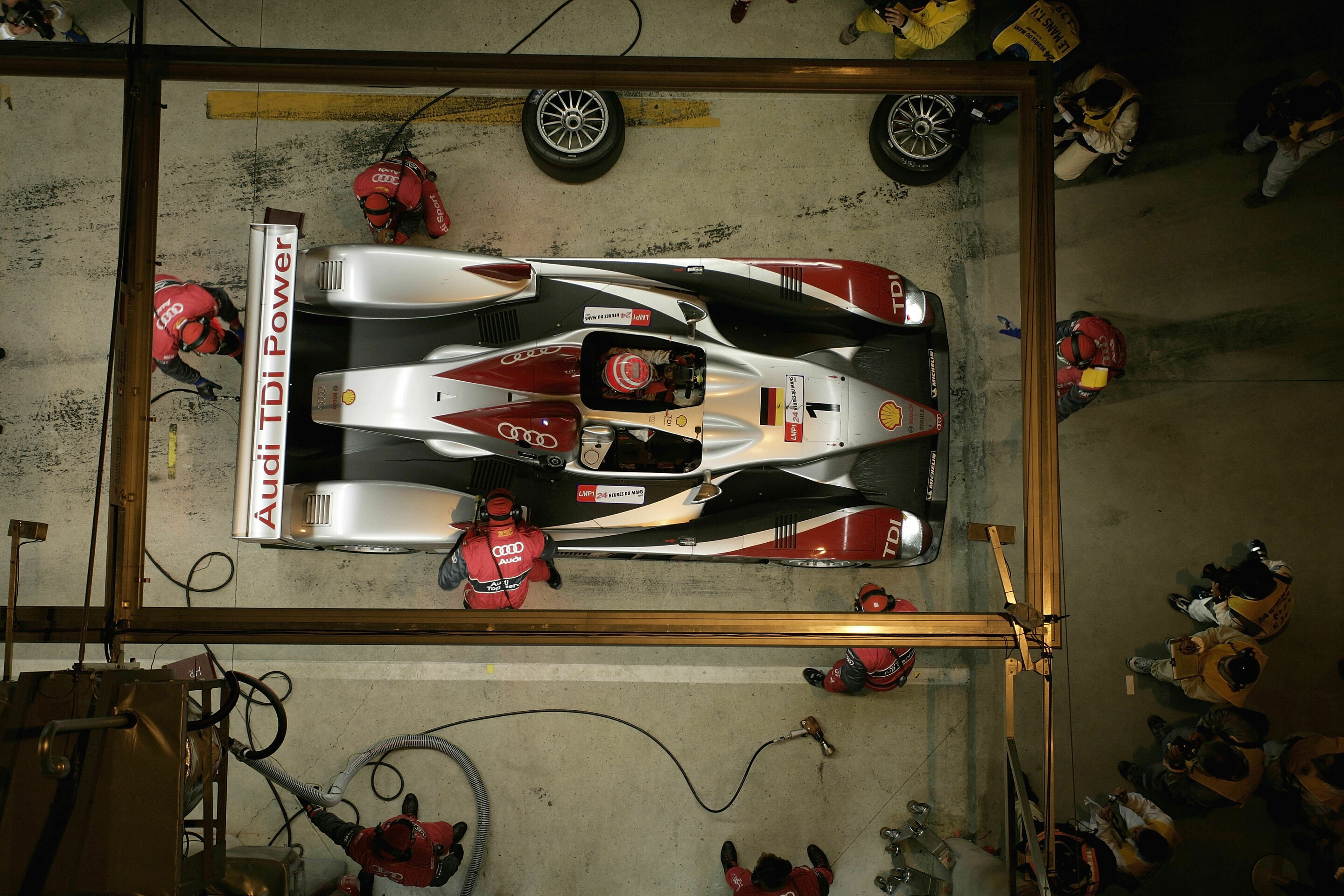
Facts about Audi’s seventh Le Mans victory
long-distance classic. At the same time, Audi presented the German automobile industry with its 25th Le Mans victory. Allan McNish drives the Le Mans winning car at the “Festival of Speed” at Goodwood this coming weekend. The spectators at the Norisring can also see Audi’s revolutionary diesel sportscar in action: Frank Biela spools off several demonstration laps with the R10 TDI on Sunday at 1:10 p.m., just before the start of the DTM race.
Facts and figures about Audi’s latest victory at Le Mans: 250,920 spectators watched the 75th running of the 24 Hours of Le Mans “live” at trackside – a new record. The victorious Audi R10 TDI at Le Mans had the chassis number 202. This car had already won the 12-hour race at Sebring (USA) in March, followed up that victory by completing another 12 hour test at Sebring and completed a 30-hour test at Paul Ricard (France) in April. With its seventh win – from only nine starts – Audi jumped to third position in the Le Mans all-time winners list. Only Porsche
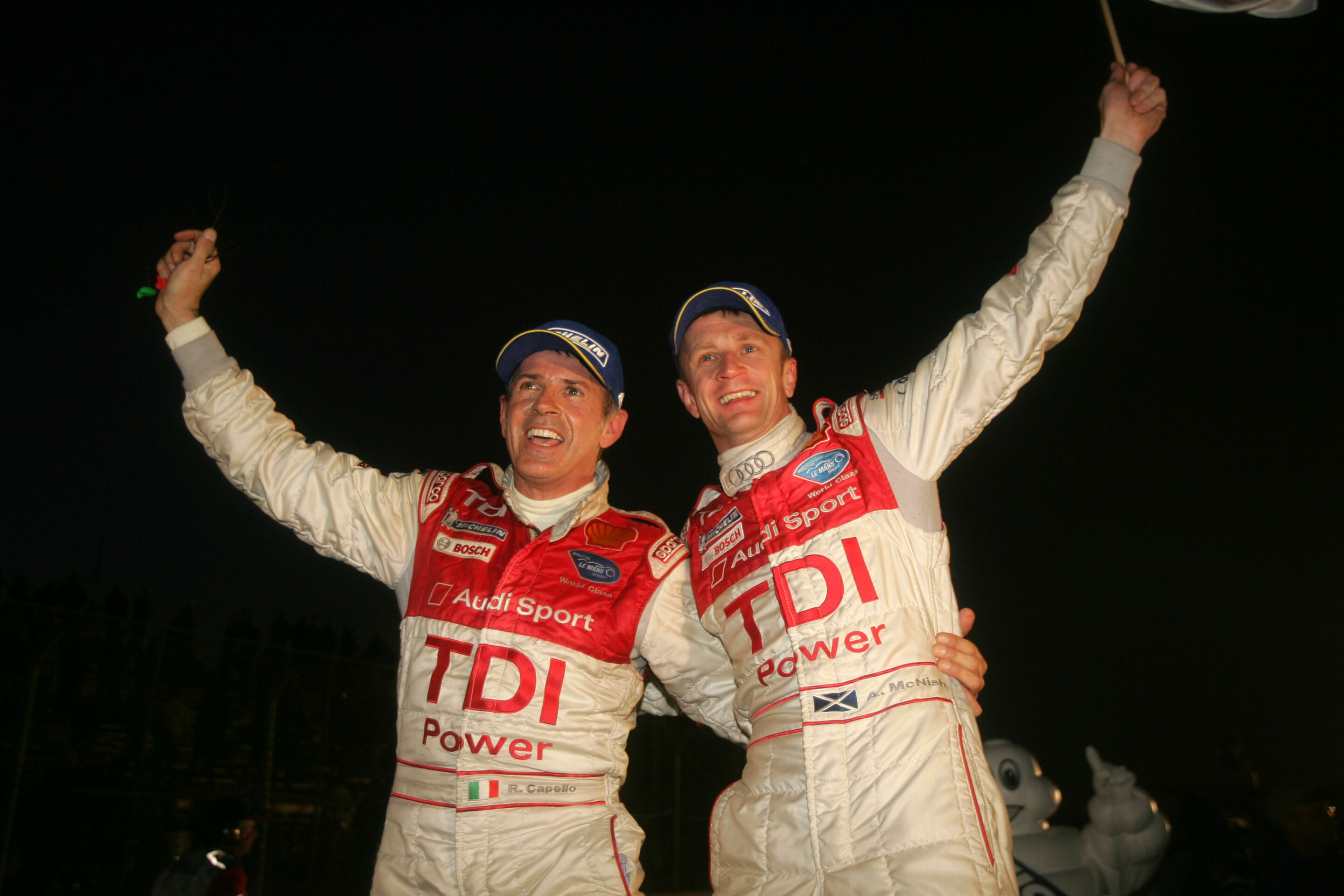
Audi TDI Power triumphs in ALMS finale
Mike Rockenfeller and Marco Werner finish third 13th outright victory for the Audi R10 TDI
In the finale of the American Le Mans Series at Laguna Seca (US state of California), Team Audi Sport North America has once again given impressive proof of the performance of Audi TDI Power. With the Diesel technology which is set to enter the US market for road cars in 2008, Dindo Capello (Italy) and Allan McNish (Scotland) were able to beat the best Porsche in a photo finish. Mike Rockenfeller (Germany) and Marco Werner (Germany) completed Audi’s triumph in the final race of the season with a third place finish.
It was the 13th outright victory for the revolutionary Audi R10 TDI in its 21st race – on a track that favoured the LM P2 cars, lighter due to the regulations. In the 4-hour race, however, in the end the weight handicap of the LM P1 cars was not so decisive but the enormous torque of the 650-hp Audi V12 TDI engine. Despite the Audi drivers dropping behind the lighter LM P2 cars during
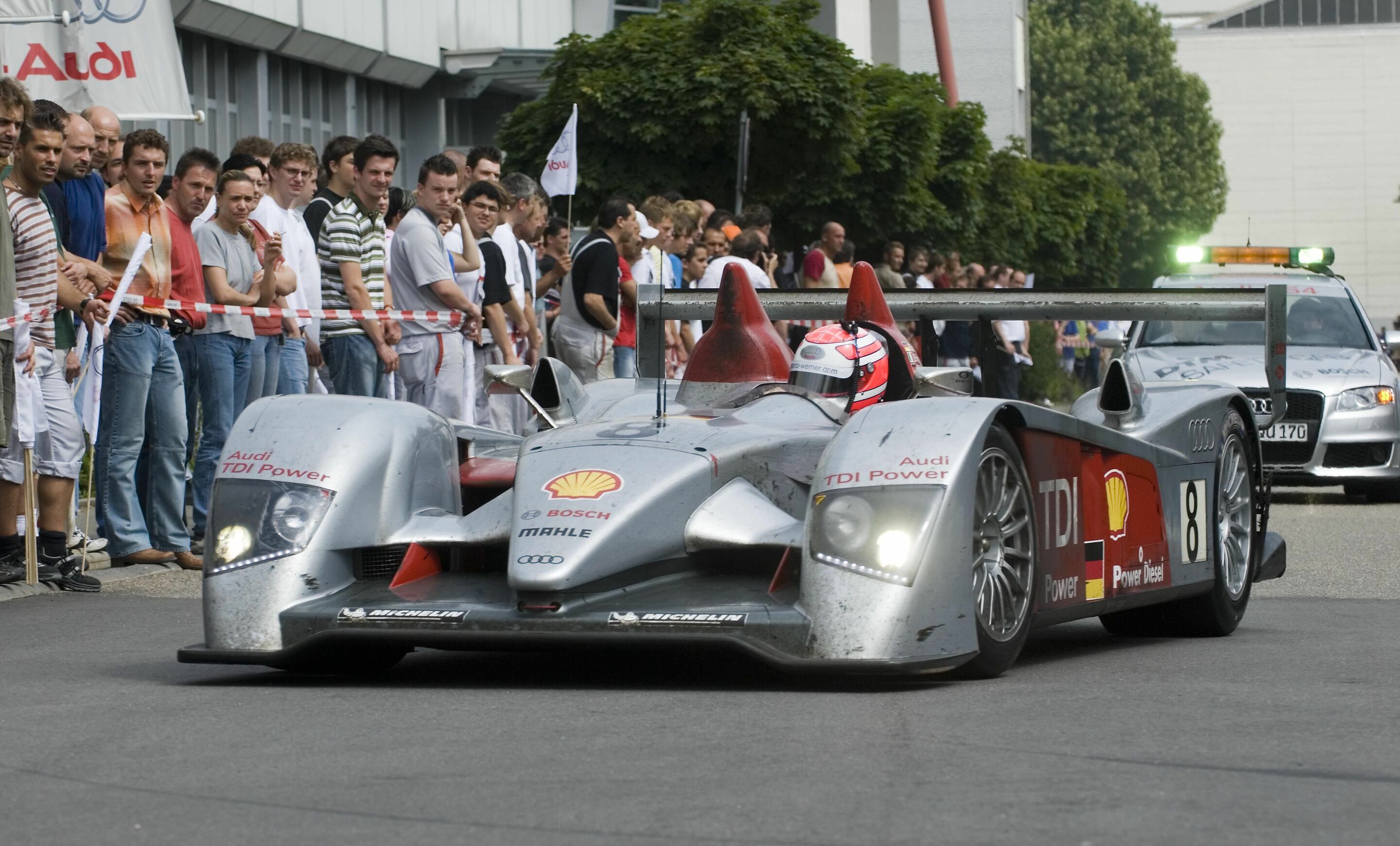
Le Mans win accelerates TDI development
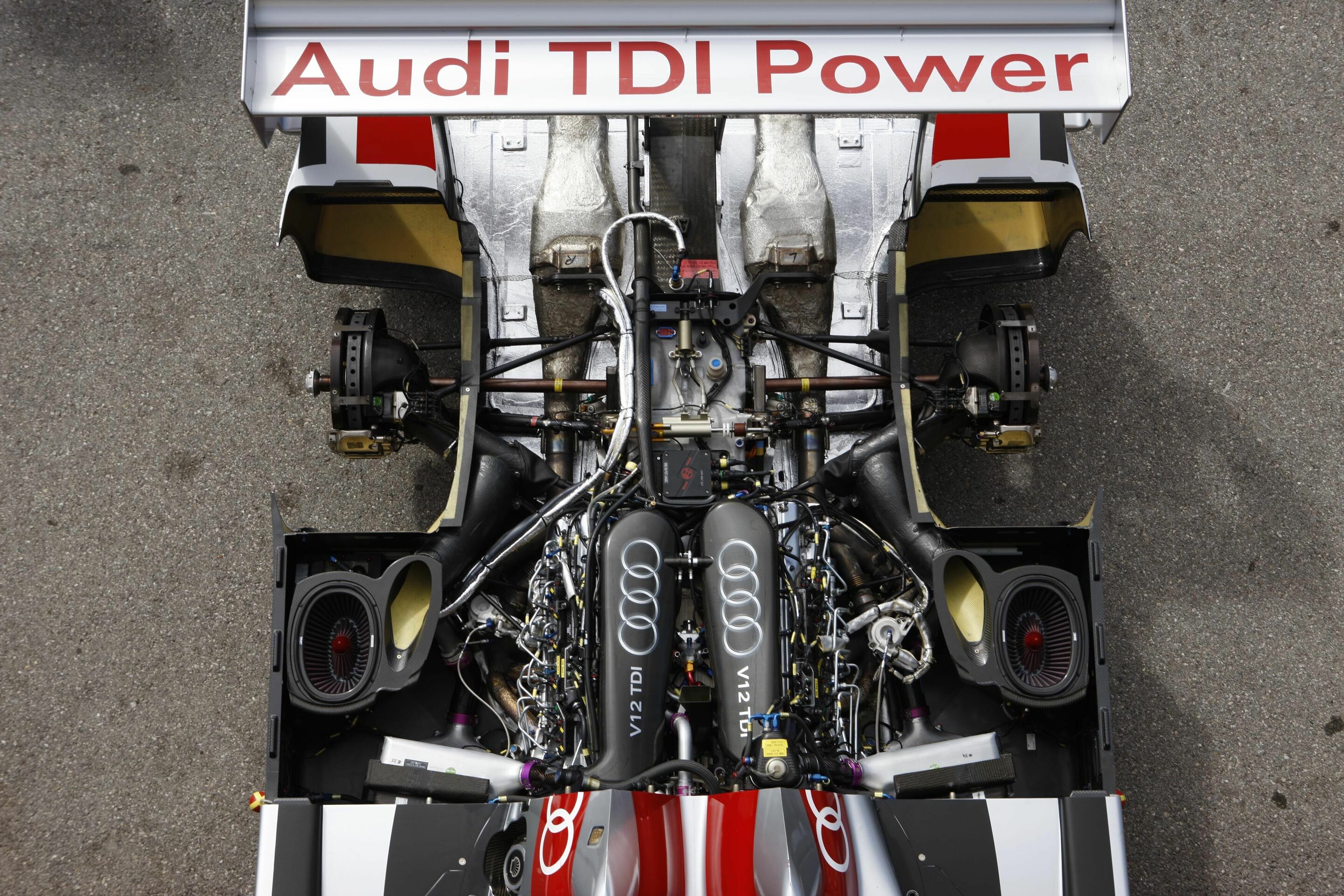
95 sensors gather data in Audi R10 TDI Transfer between motorsport and production technology Audi R10 TDI makes demo laps at Neckarsulm factory
Audi celebrated the historical first triumph of a Diesel engine at the 24 Hours of Le Mans by making several demonstration laps at the Neckarsulm factory. Marco Werner, who won the French endurance classic together with Frank Biela and Emanuele Pirro last weekend, was at the controls of the winning Audi R10 TDI.
Thousands of Audi employees cheered Marco Werner as he reeled off the laps around the factory grounds. Several of the employees were either directly or indirectly involved on the success of the Audi R10 TDI in Le Mans. The V12 TDI engine, which produces more than 650 hp, was created at Audi Sport in the Sport and Special Engine Department which is located at the factory in Neckarsulm. “The direct link between Audi Sport and the AUDI AG Technical Development (TE) is one reason why we are so successful in motorsport”, explains der Head of