A2 e-tron: How aerodynamics improves range and efficiency
The new Audi A2 e-tron is the most efficient Audi ever. Aerodynamics plays a major role in this.
12.8 kilowatt-hours per 100 kilometers (provisional figure according to WLTP) – this electric power consumption figure makes the Audi A2 e-tron 140 kW with optional efficiency package an ideal companion for everyday use. The model places the focus on efficiency, with one clear objective: to maximize range, reducing the need for charging stops and helping customers keep energy costs low.
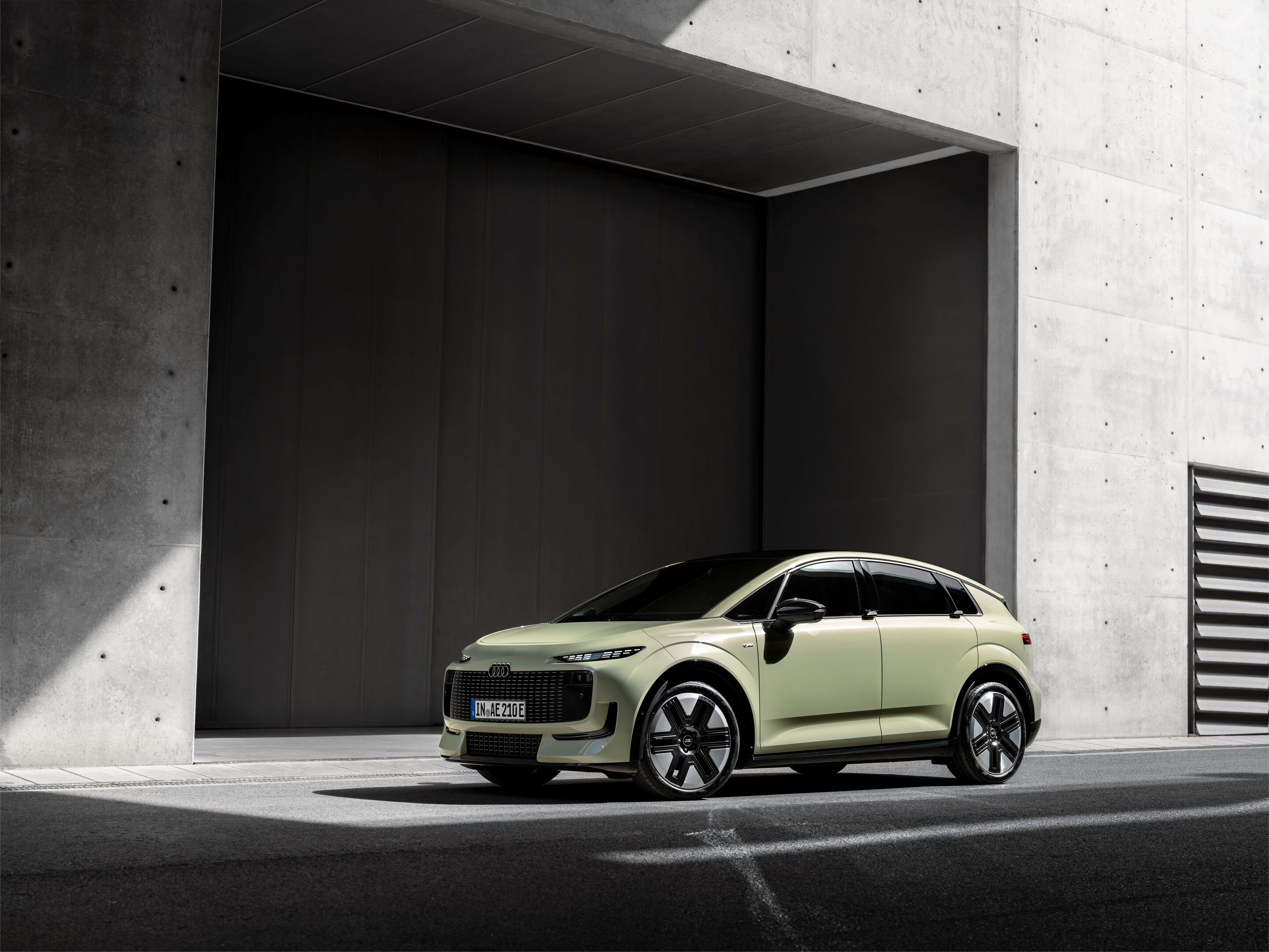
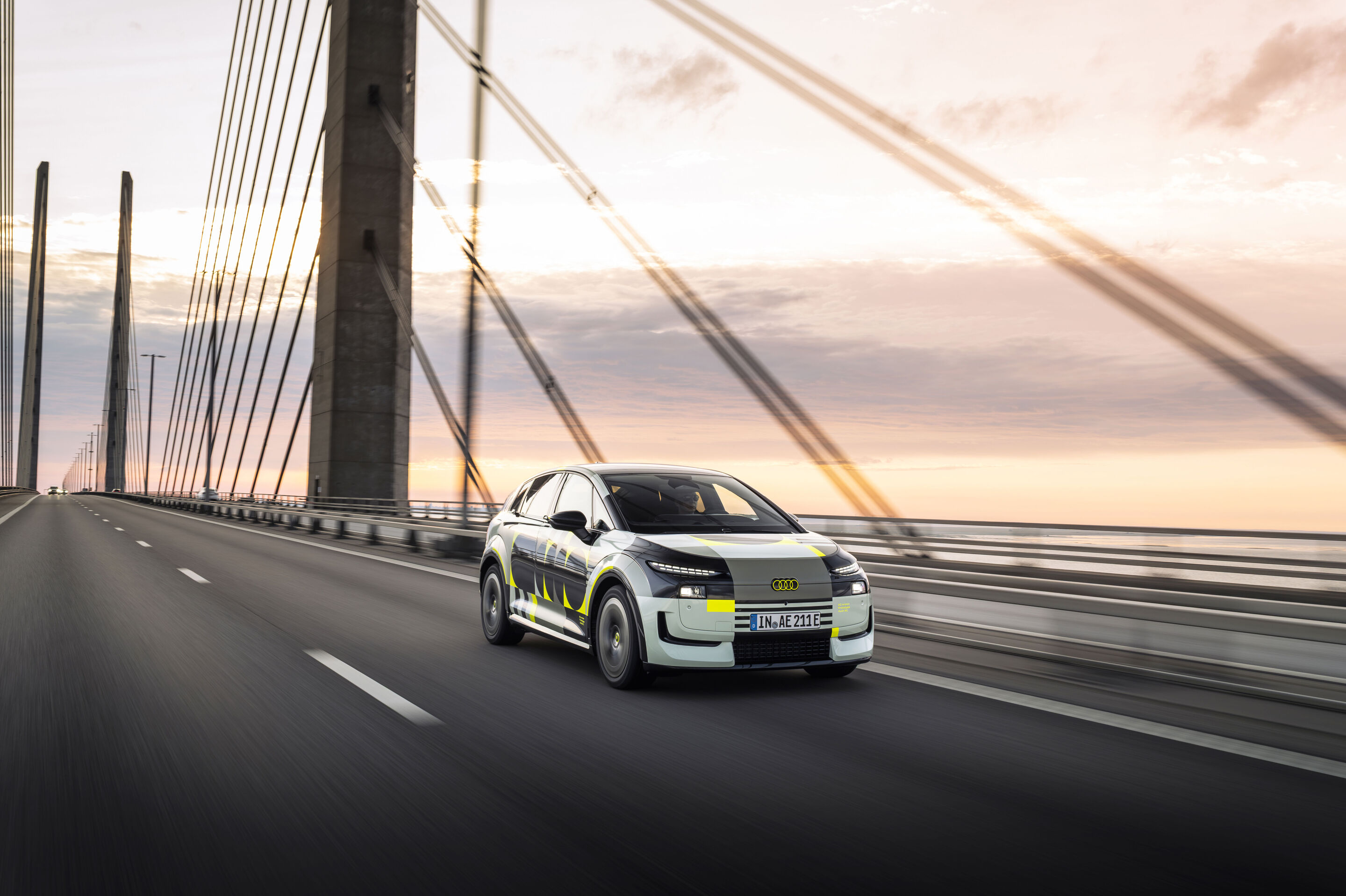
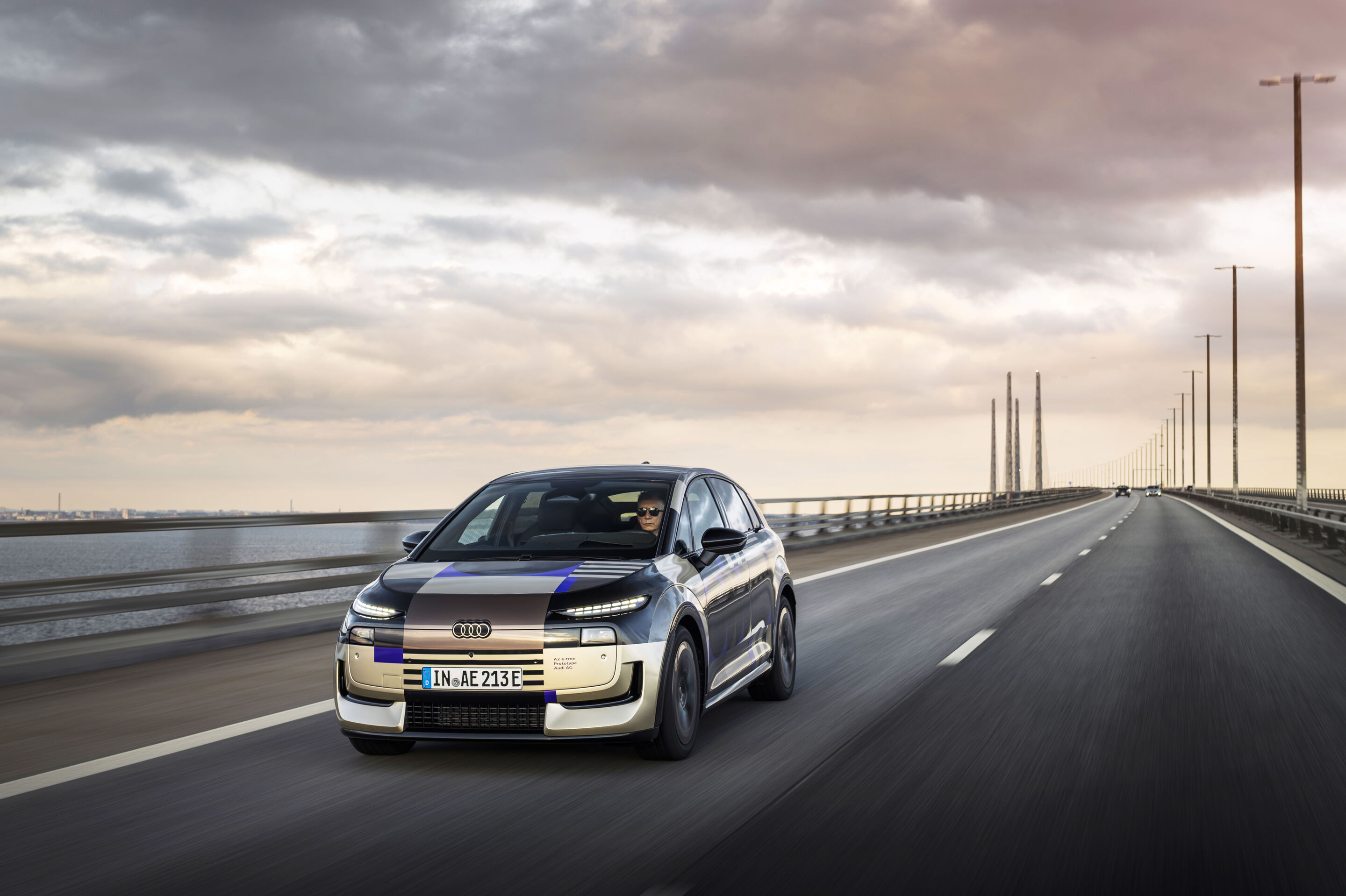
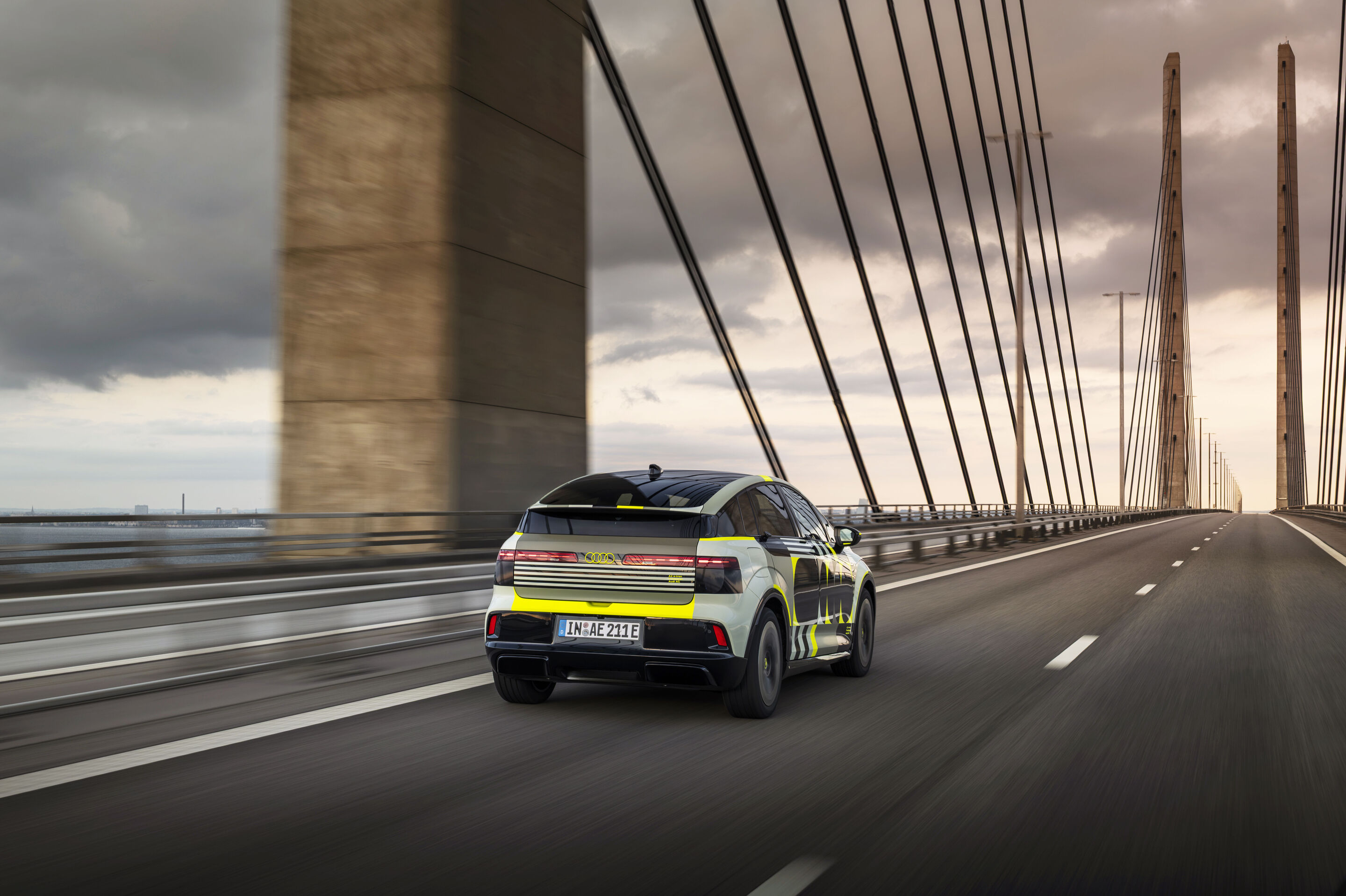
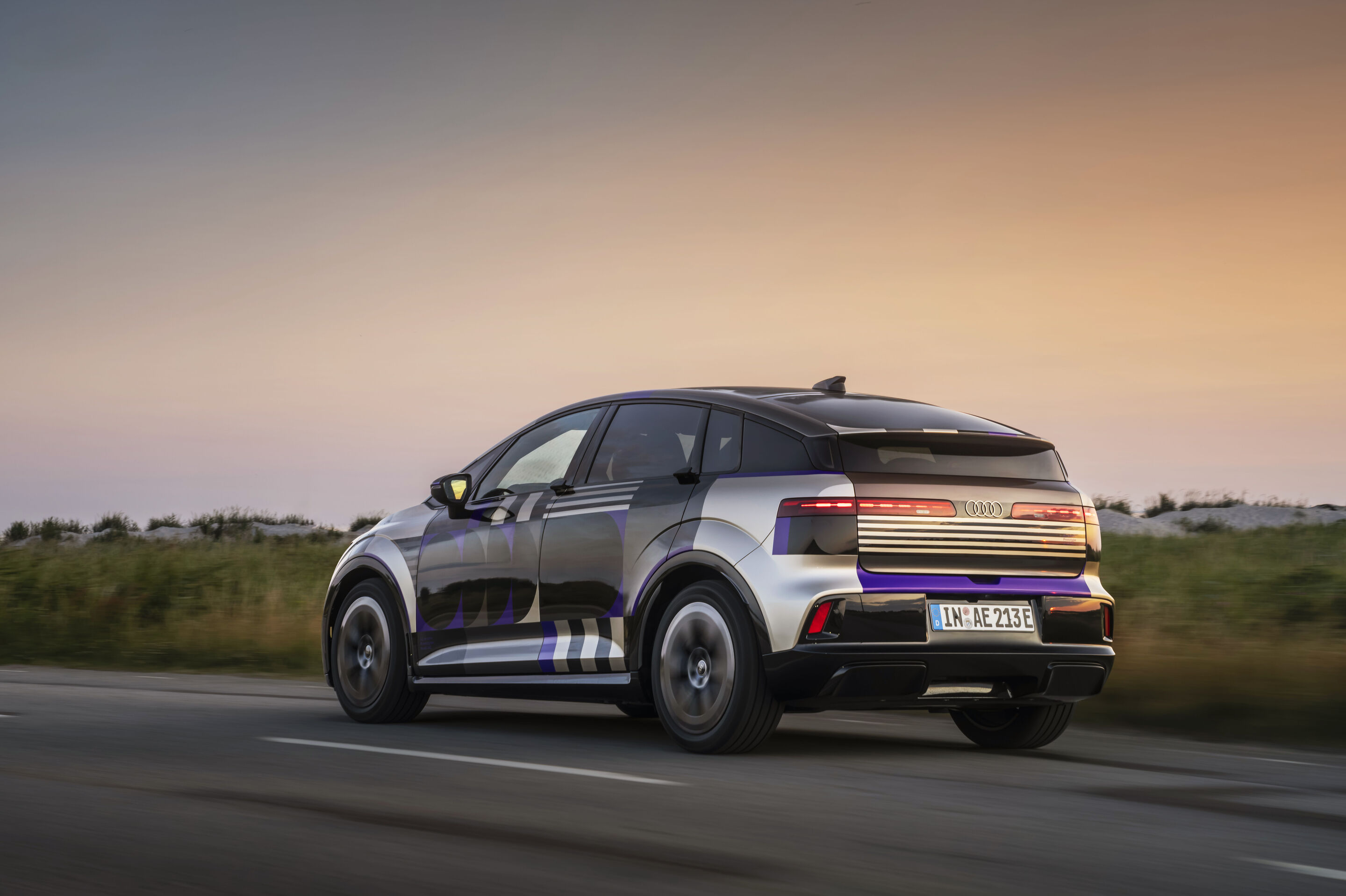
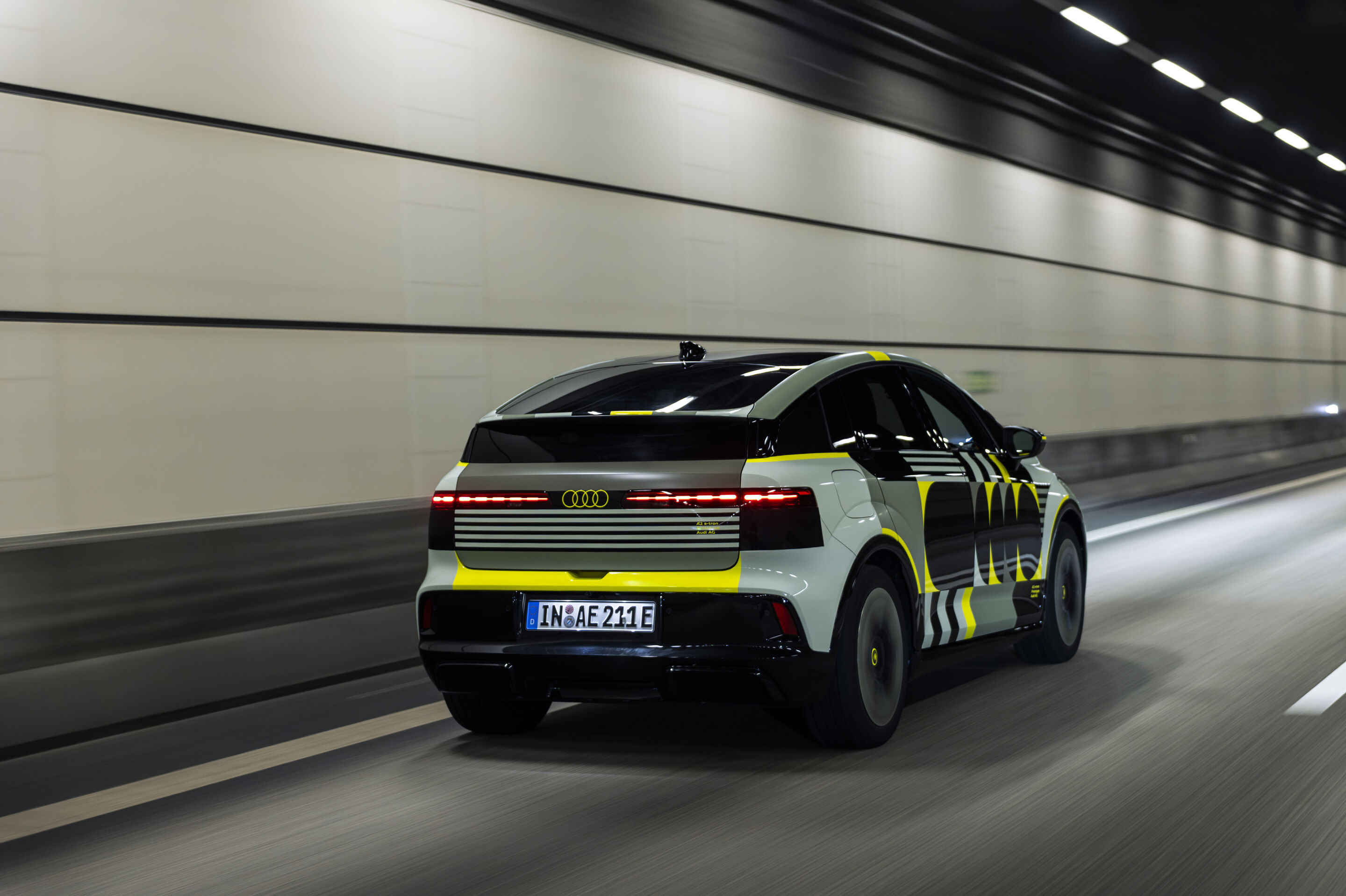
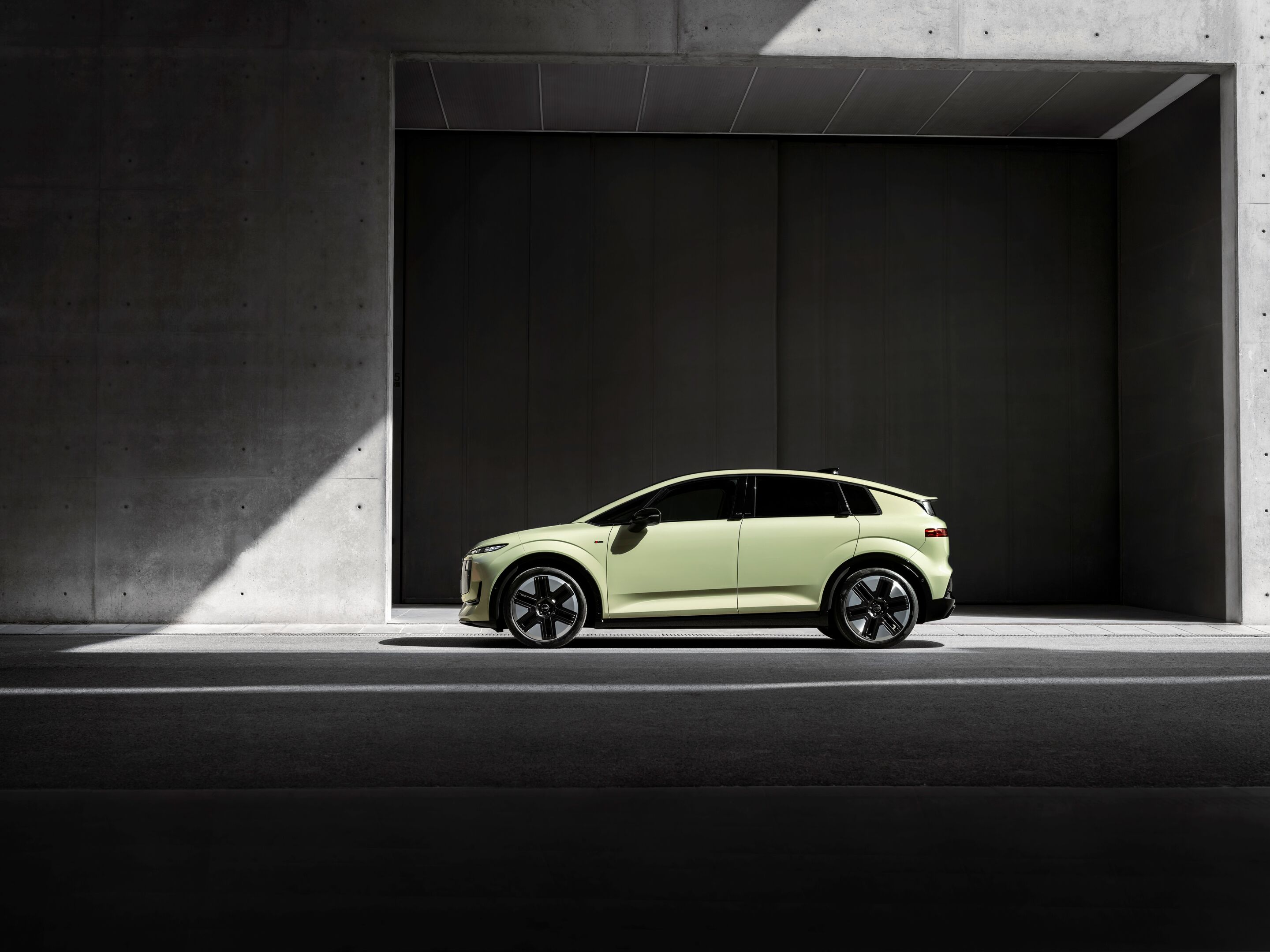
One of the most important drivers of greater efficiency is aerodynamics. At speeds of around 100 km/h and above, more than 50 percent of the energy consumed is used to overcome aerodynamic drag. Every improvement in aerodynamic performance has a direct impact on range. For this reason, the vehicle’s design consistently follows the objective of increasing efficiency. “The characteristic body of the Audi A2 e-tron, with its rounded front end, gently sloping roofline and sharply defined rear end, follows the principles of streamlined vehicle geometry,” explains Dr. Moni Islam, Head of Aerodynamics/Aeroacoustics Development. “This basic shape forms the basis for very good aerodynamics.” With a drag coefficient of 0.24, the Audi A2 e-tron 140 kW with efficiency package is best in class within the Audi compact segment, even outperforming its predecessor from 1999, the Audi A2.
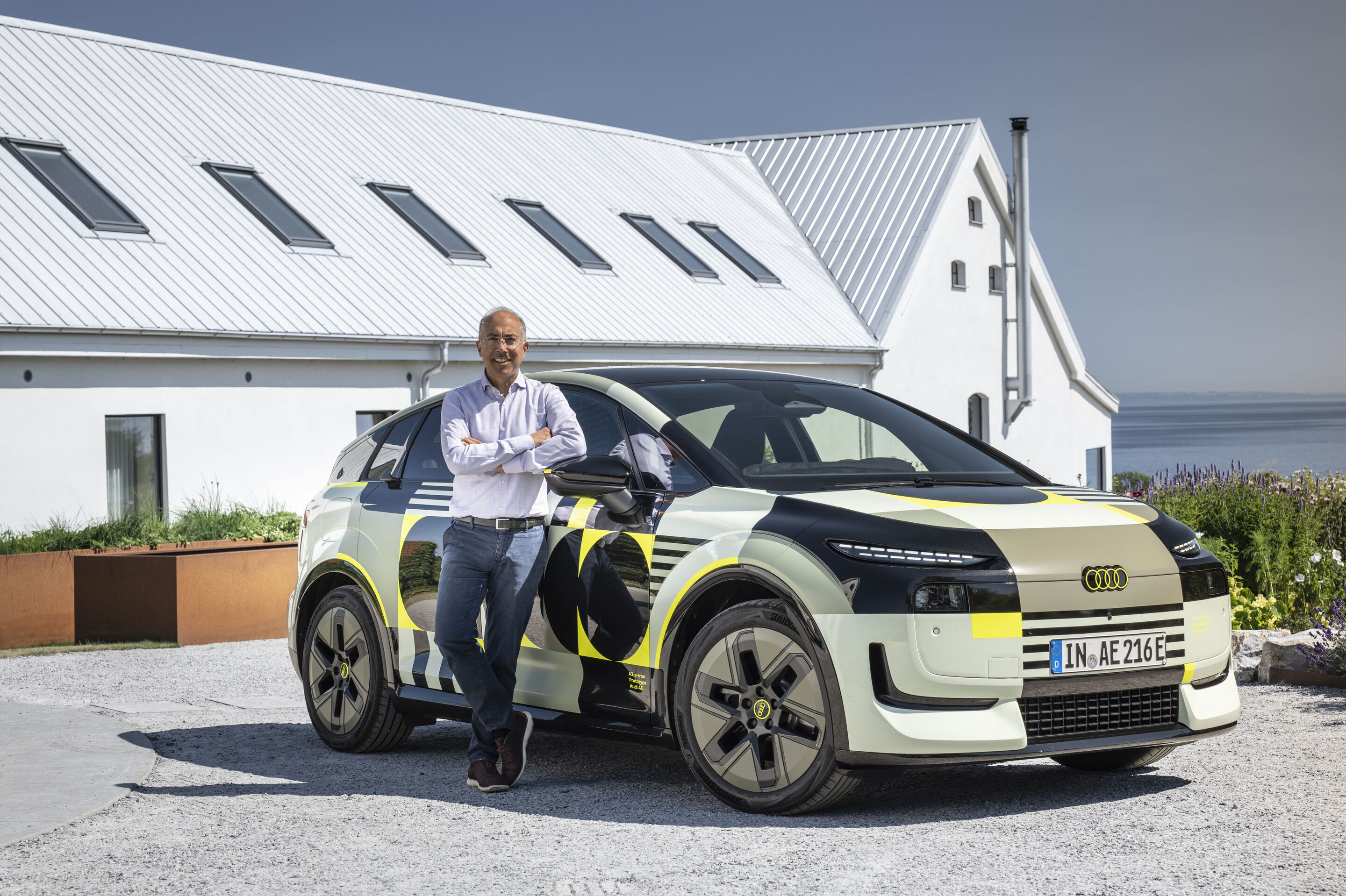
“What sets the aerodynamics of the Audi A2 e-tron apart is the multitude of detailed refinements that collectively deliver an outstanding overall result.”
Dr. Moni Islam, Head of Aerodynamics/Aeroacoustics Development, AUDI AG
Through the combined effect of the individual aerodynamic measures, Moni Islam and his team have reduced the energy consumption of the Audi A2 e-tron 140 kW with efficiency package by up to 0.9 kWh per 100 kilometers (WLTP), compared with an identical vehicle without these modifications.
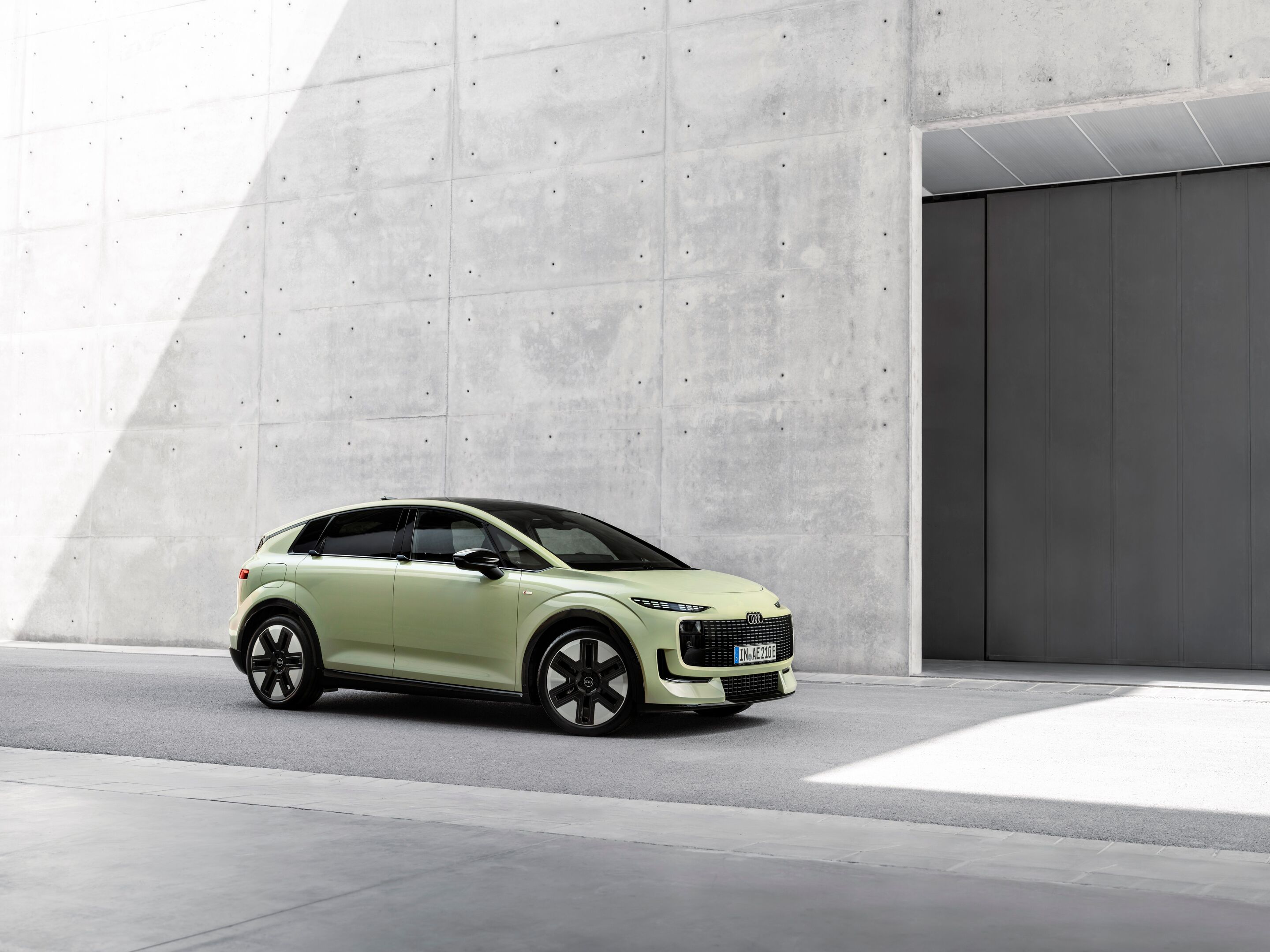
Overall concept
Large surfaces throughout the exterior have been consistently designed to reduced aerodynamic drag. The monolithic shape and clean surface design with special detail solutions all contribute to improved aerodynamics and, consequently, a longer range.
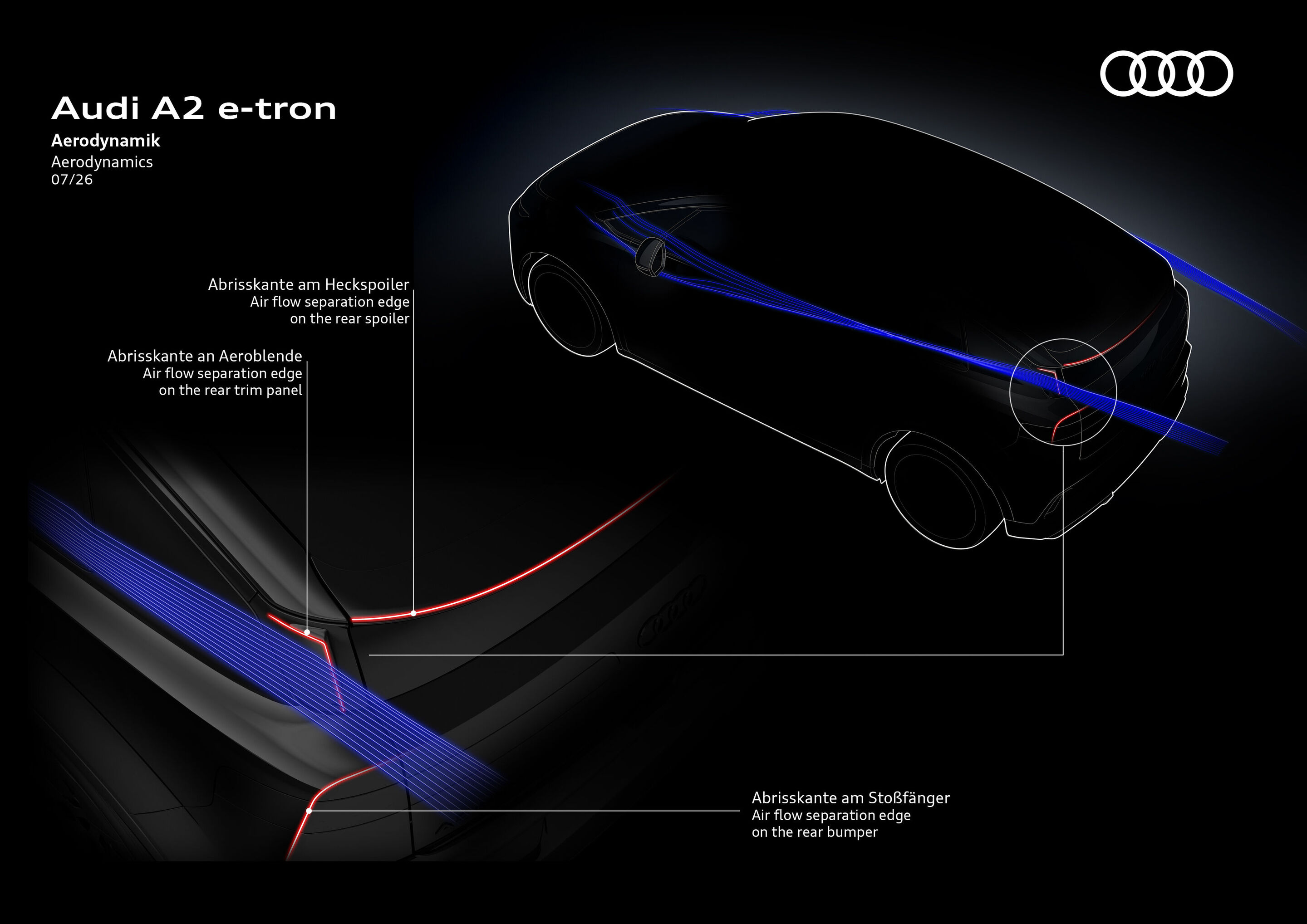
Roofline and rear end
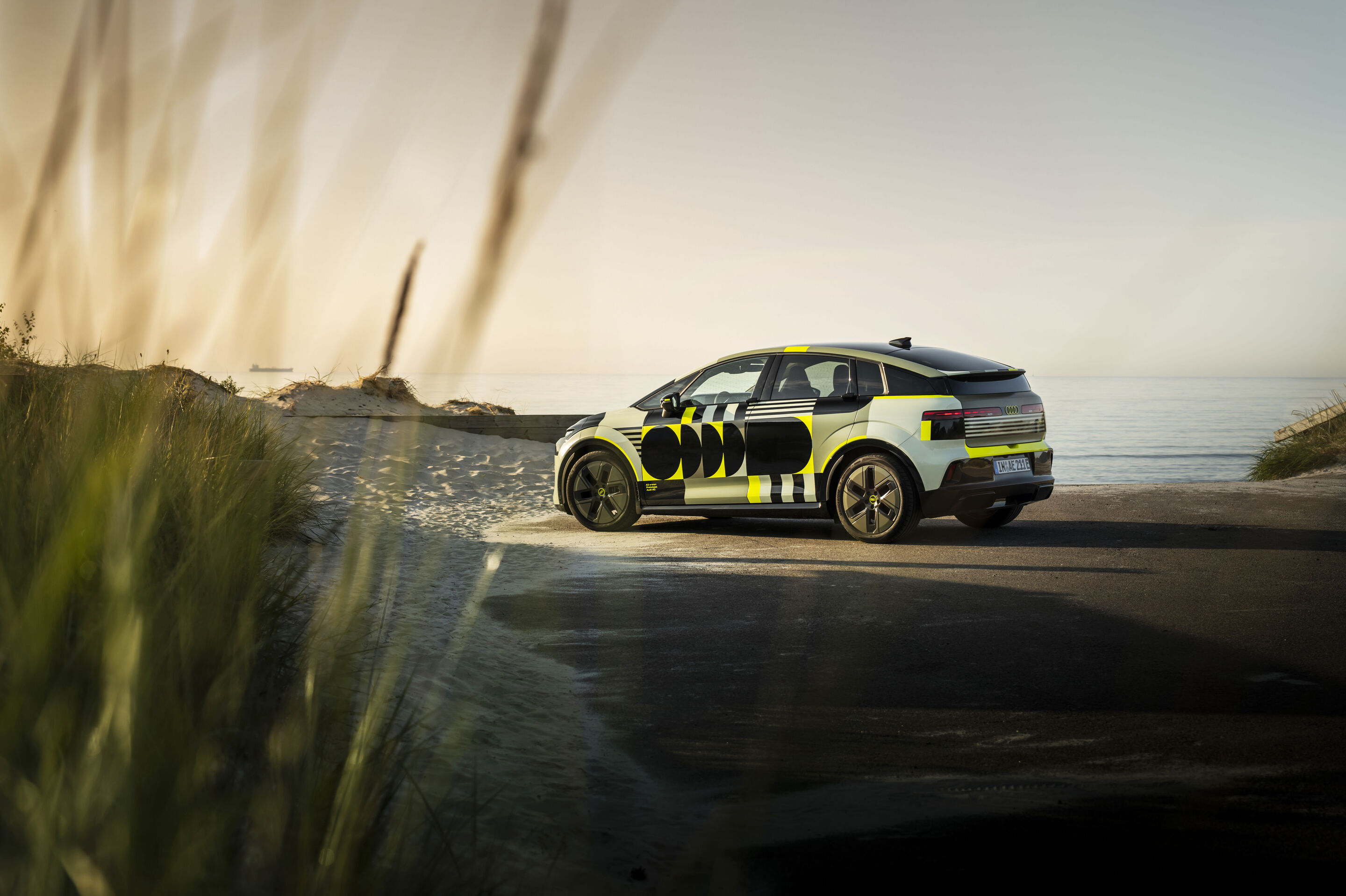
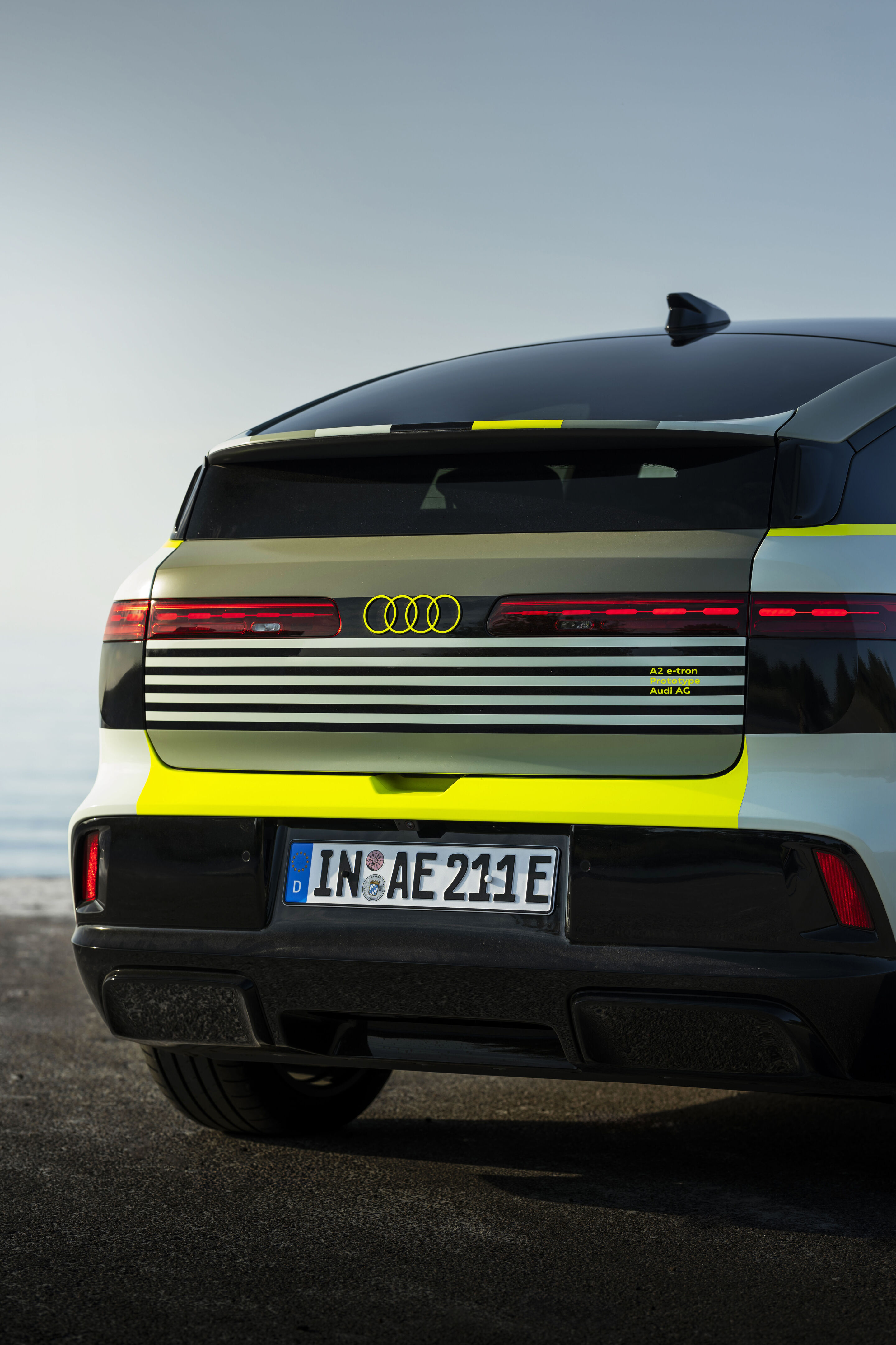
The A-pillar flows seamlessly into an extended roofline, creating an airy feeling of space. Toward the rear, the roofline slopes gently to start with, before ending abruptly at the spoiler. The contour of the C-pillar and the sharply defined edge of the rear bumper further help ensure that the air separates from the vehicle in a controlled manner, keeping losses caused by airflow turbulence to a minimum.
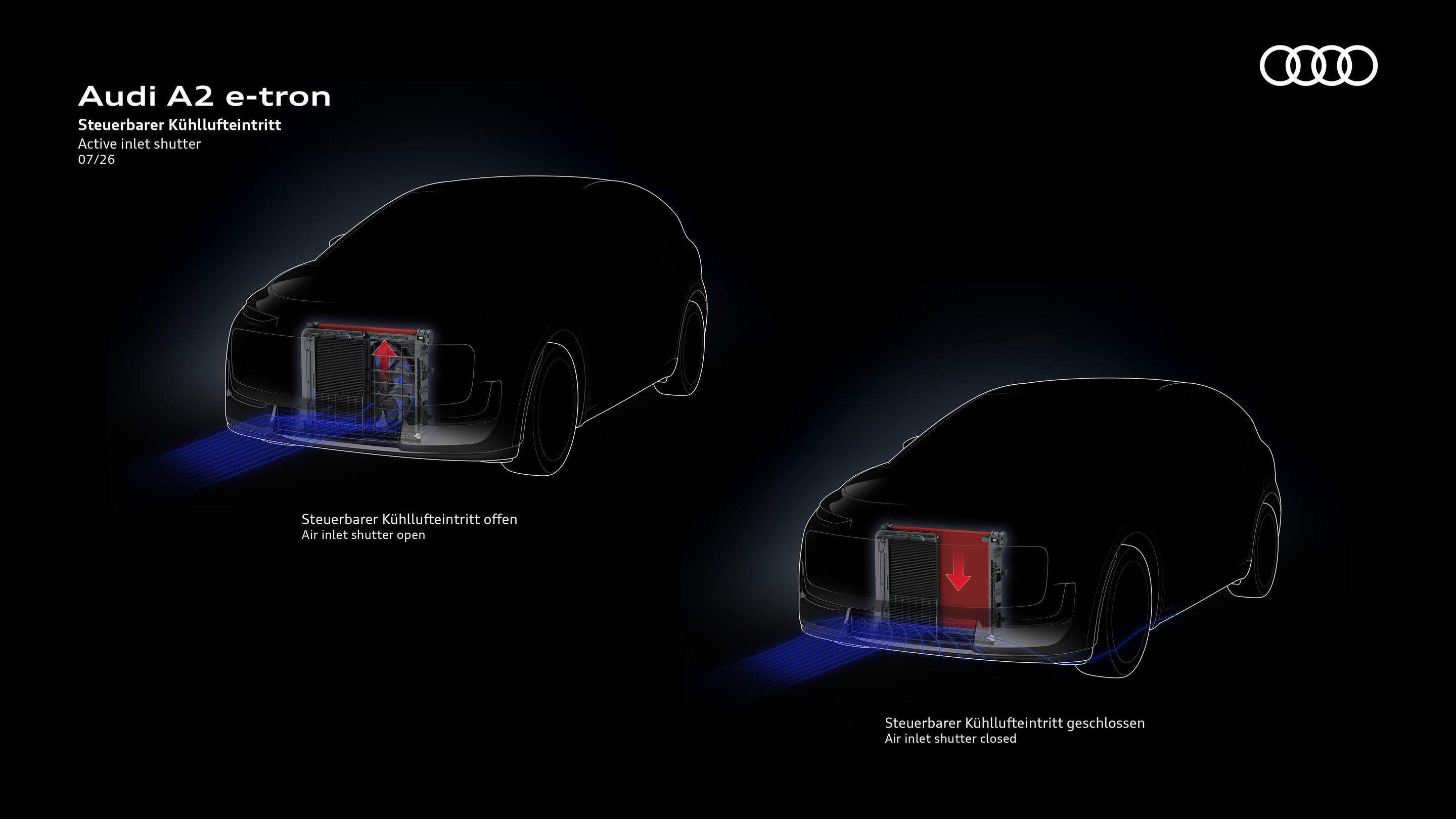
Active grille shutter
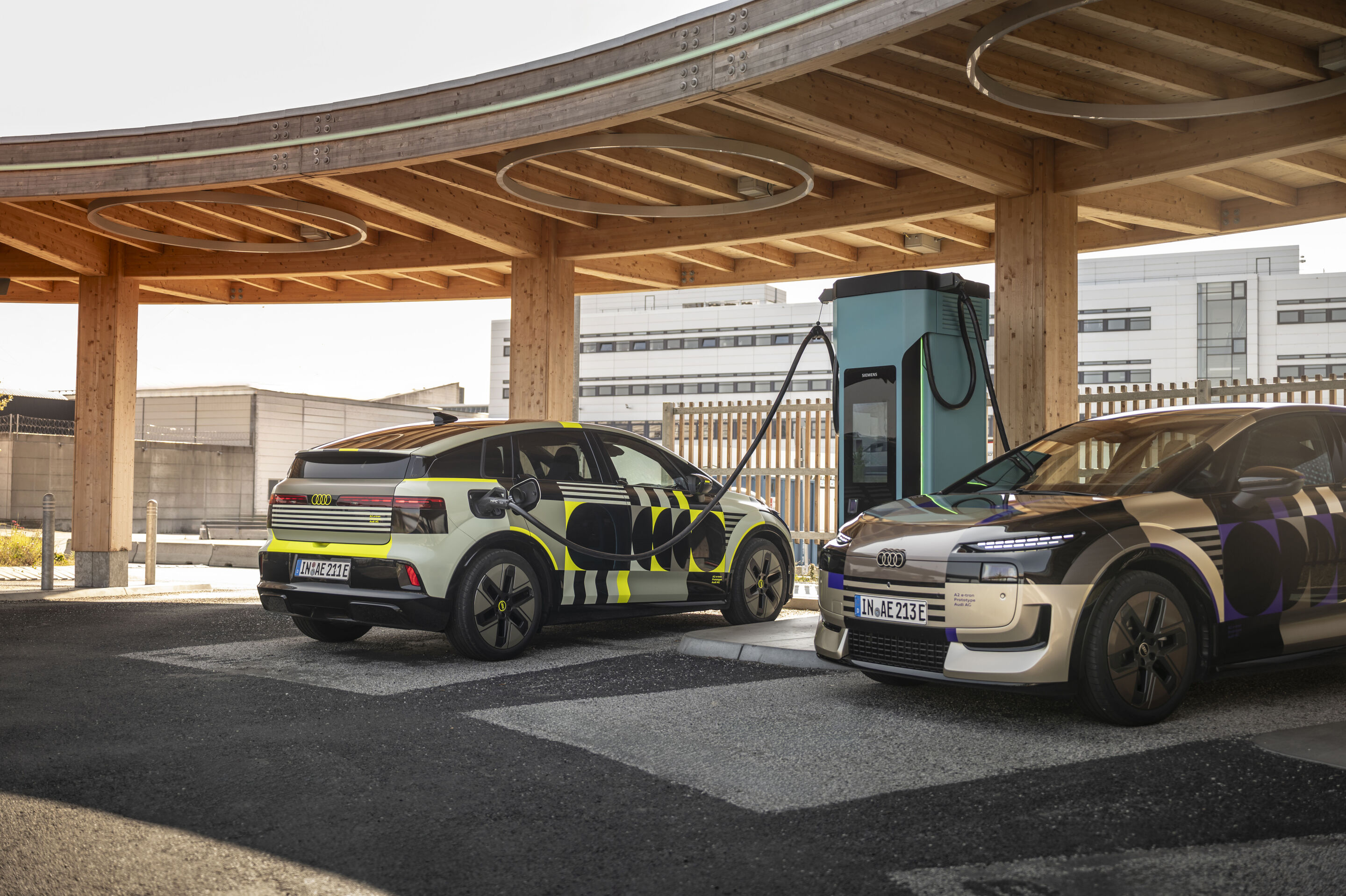
The targeted, automatic control of the cooling airflow is a particularly effective means of significantly reducing aerodynamic drag. When the air inlets are closed, most of the incoming air is directed underneath the vehicle. There, it flows past the front splitter, ensuring controlled airflow around the underbody.
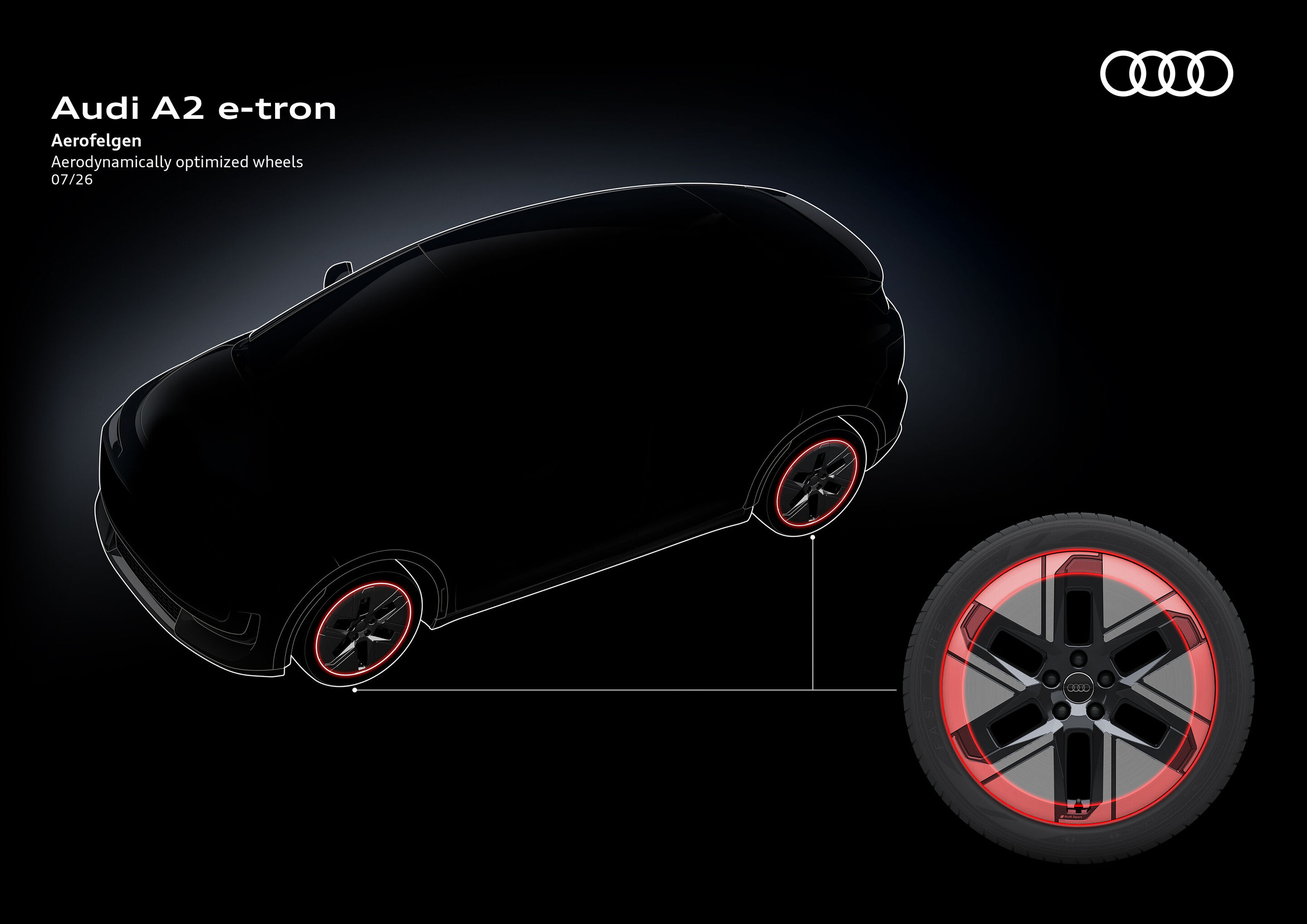
Aerodynamic wheels
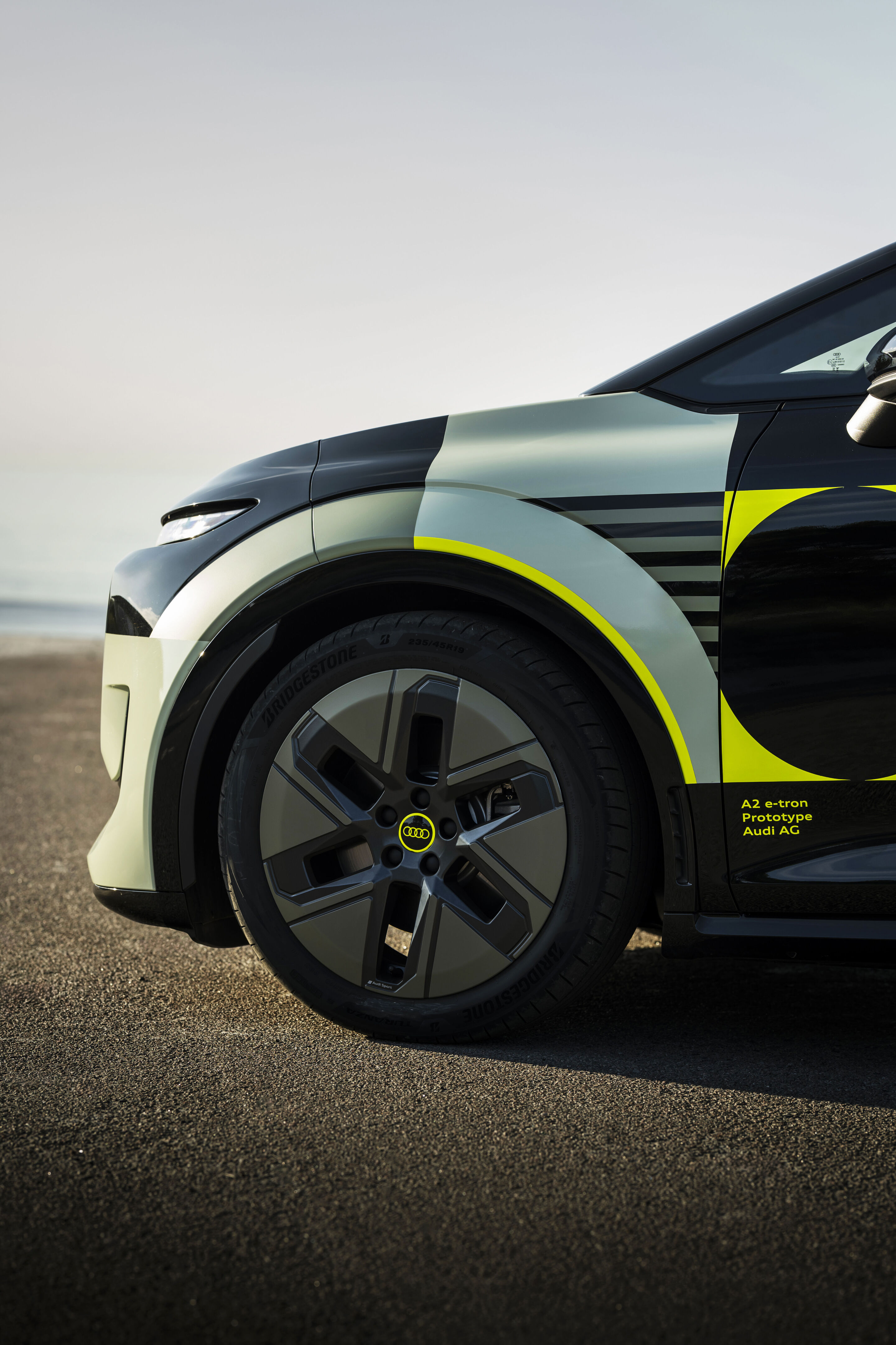
Audi has optimized selected wheel versions for the Audi A2 e-tron to reduce aerodynamic drag. The wheels feature a high proportion of closed surfaces and a particularly harmonious transition to the tire. This reduces air turbulence around the wheels and improves airflow around the vehicle as a whole.
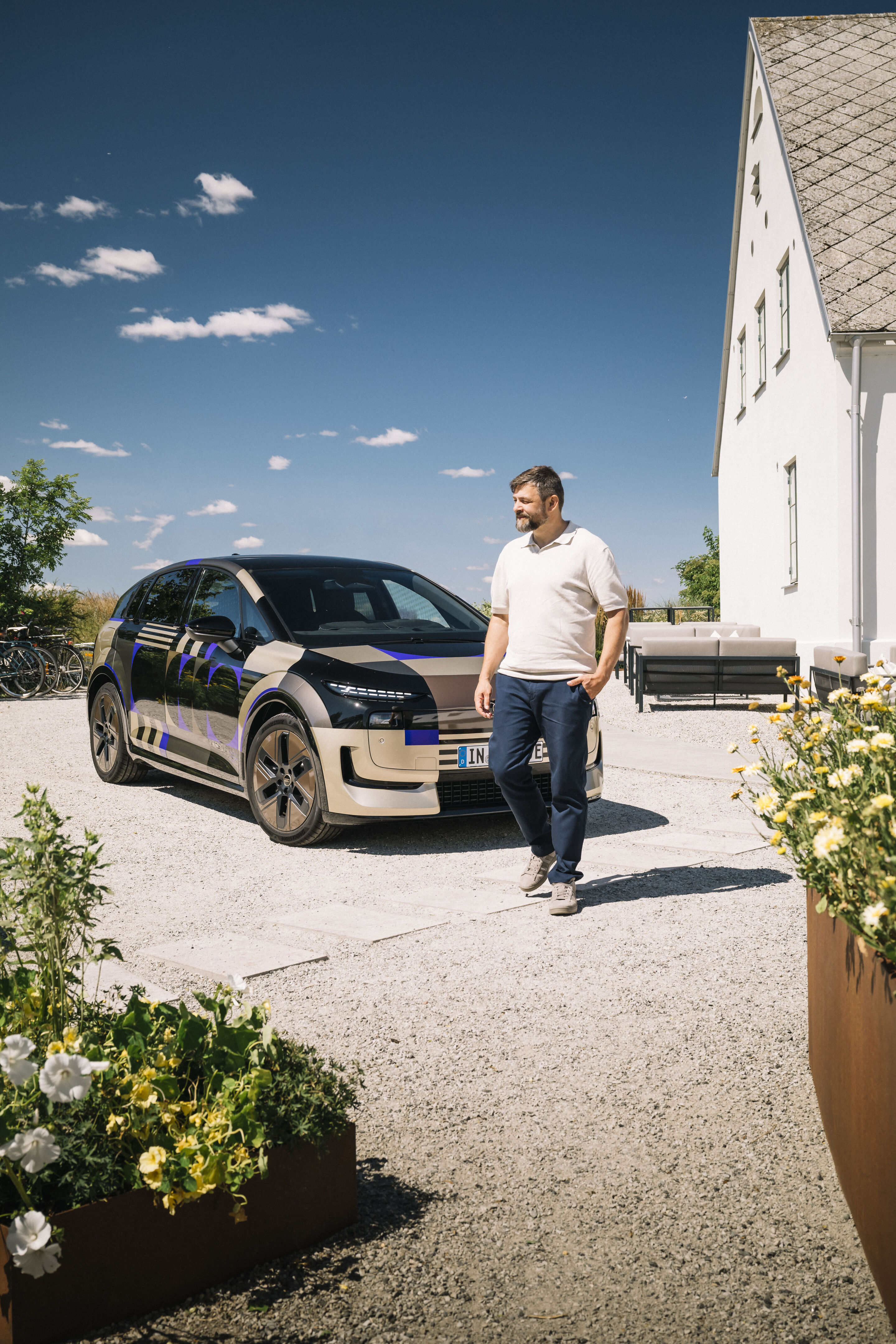
“I am particularly proud that each aerodynamic measure serves a clear purpose, while at the same time integrating harmoniously into the Audi design. This creates a design language that unites function and aesthetics.”
Robby Pyttel, engineer responsible for the aerodynamics and aeroacoustics development of the Audi A2 e-tron
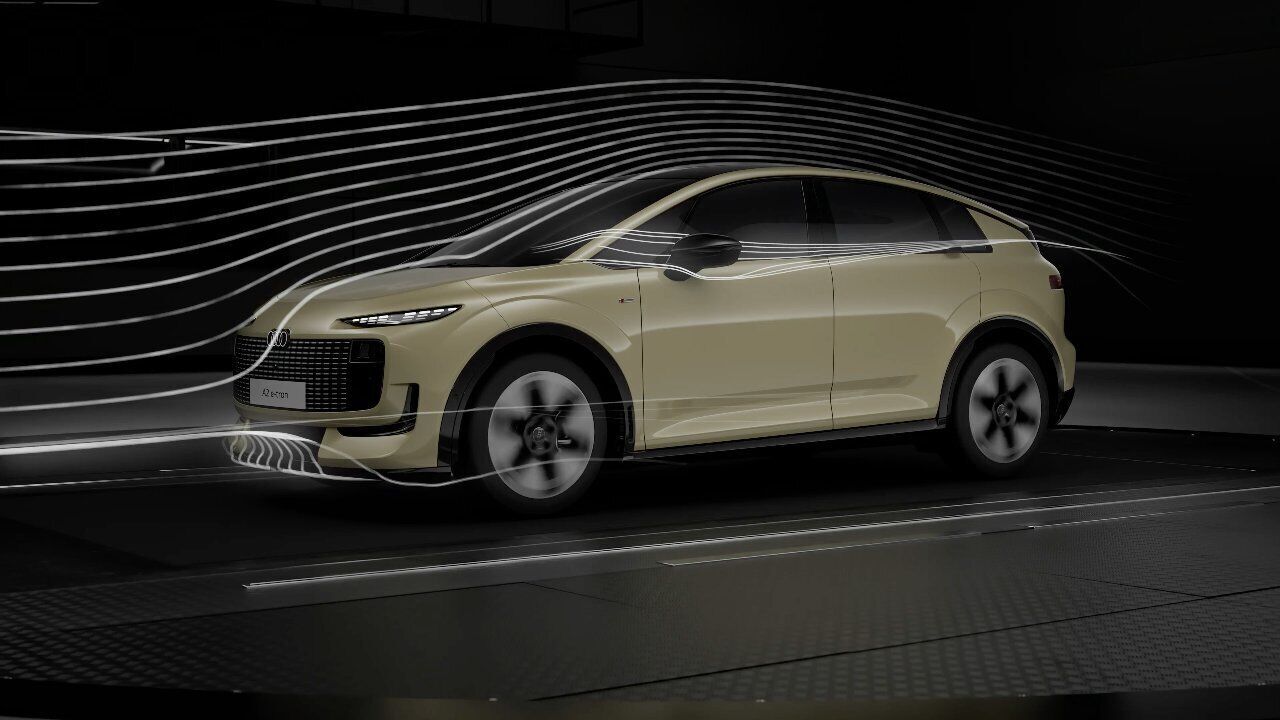
The underbody of the Audi A2 e-tron is largely enclosed. Smooth transitions from the front splitter via the battery to the diffuser ensure consistent airflow beneath the vehicle. “The underbody is one of the areas in which we invested the greatest development effort overall,” says Robert Pyttel. “Here, numerous small optimizations add up to make a significant contribution to overall efficiency.”
The Audi A2 e-tron marks Audi’s entry into the electric compact class. It will make its debut in autumn 2026 and will be available to order from then on. The first deliveries to customers will begin in 2026.