Biodiversity: every contribution counts
Sustainability is driven by many small but crucial projects. One example is Münchsmünster, where Audi has created a natural habitat for plant and animal species.
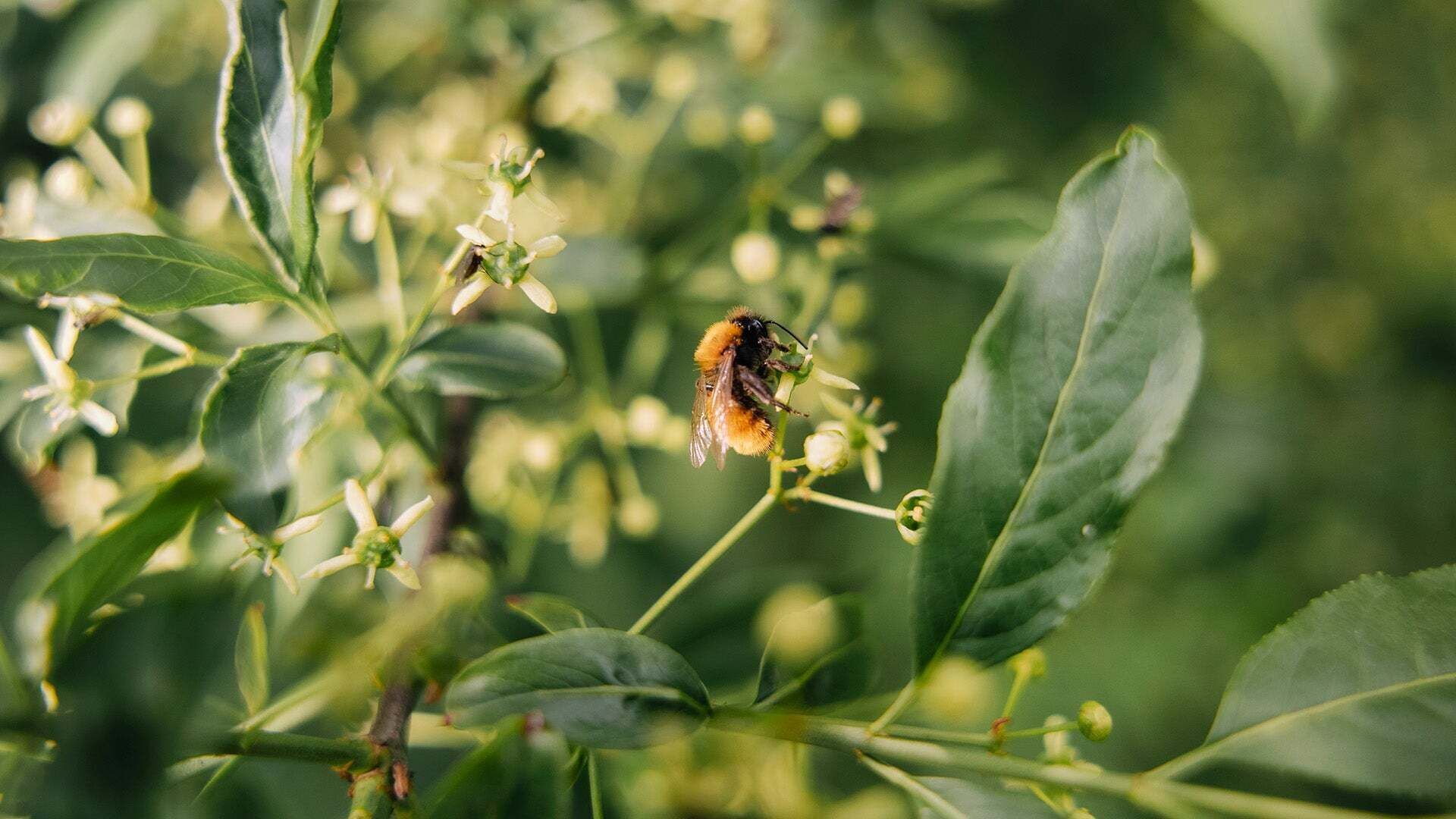
You have to look closely to spot them: The little wild bees that buzz from one flower to the next on the Audi production site in Münchsmünster have found a home on the more than 14-hectare grounds of the center of excellence for high-tech chassis parts, aluminum structural components and pressed parts.
When the production site in Münchsmünster was built in 2013, Audi created a habitat in harmony with nature for flora and fauna. Protecting biodiversity in Münchsmünster and other places is a small but essential part of the company’s efforts to ensure its own production facilities are as fit as possible for the future.
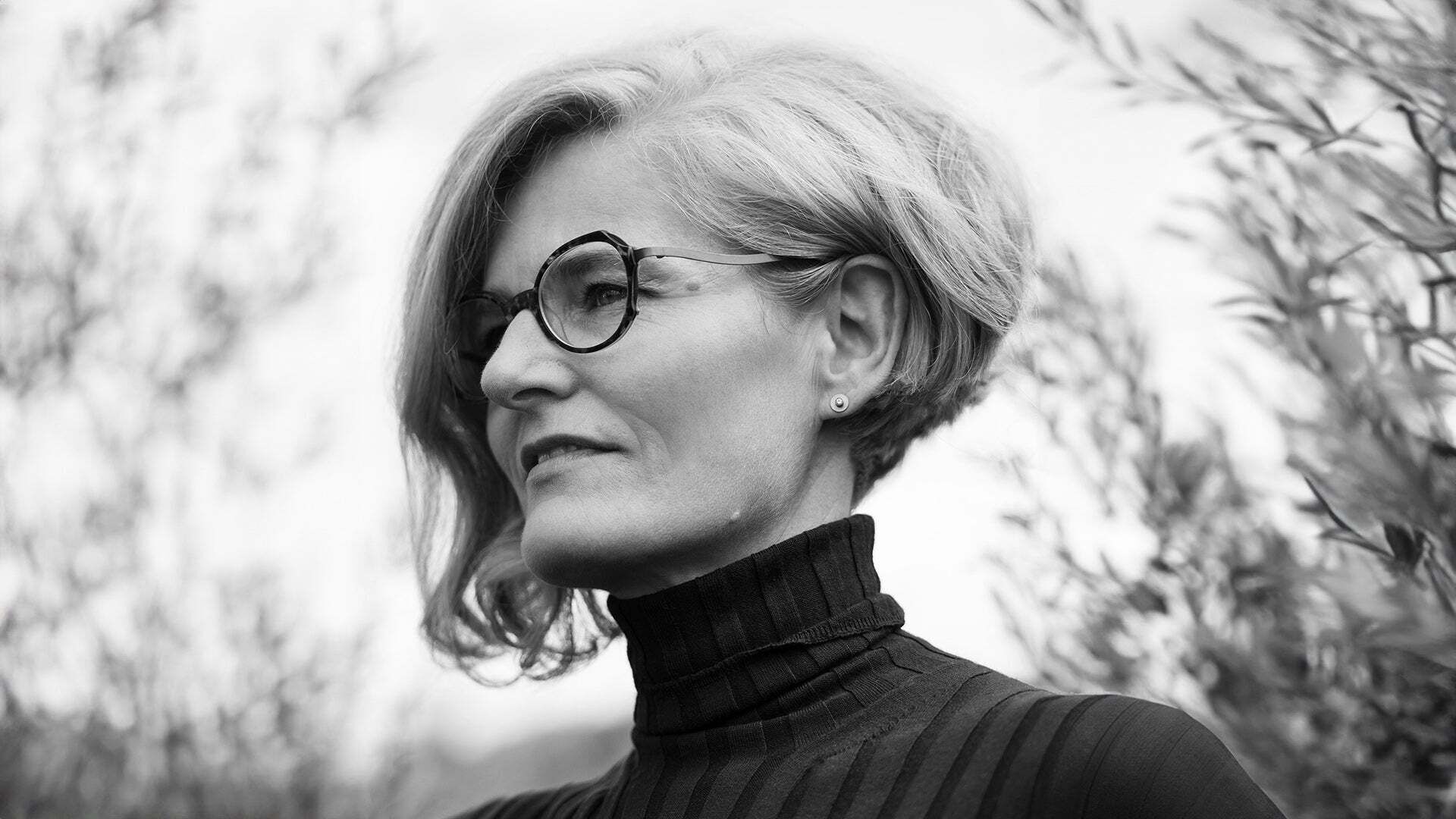
According to Dr. Antje Arnold, “Biodiversity is a key aspect of human existence.” The biologist and spokesperson for environmental protection at Audi coordinates all biodiversity initiatives as part of the Audi environmental program Mission:Zero. In 2015, Audi signed up to a nationwide initiative in Germany titled “Biodiversity in Good Company” – a commitment to biodiversity. Audi now combines all of its activities aimed at preserving biodiversity in its environmental program Mission:Zero. Antje spends most of her working time in conferences with Audi employees rather than out in the world of nature. That’s because one of her tasks is to raise awareness of the importance of biodiversity among the workforce.
„Biodiversity is a key aspect of human existence.“
Biodiversity is more than just a variety of species. “For one thing, there is the variety of ecosystems. In Europe alone, we have over 270 different habitats of this kind. If one aspect is altered by humans, the entire ecosystem changes,” explains Antje. “The variety of species is just as crucial.” Equally important is the genetic diversity within a particular species. Let’s look at an example: If there are just a few Bengal tigers left, this will one day lead to inbreeding and the species will face the threat of extinction. That’s because genetic variety makes it possible for living creatures to adapt to changing environmental conditions in the first place.
It goes without saying that there are no Bengal tigers in Münchsmünster. Instead, however, the site has become home to 160 flowering plant species and 100 different species of wild bees. By way of comparison, one would expect to find between 110 and 120 wild bee species in a conservation area. “We have discovered some species here that had been considered lost in the region for 20 years,” says Antje. These include the heath bumblebee, which had not been seen in Bavaria or the foothills of the Alps for decades. As such, it is currently listed on Bavaria’s Red List as “extinct or lost.”
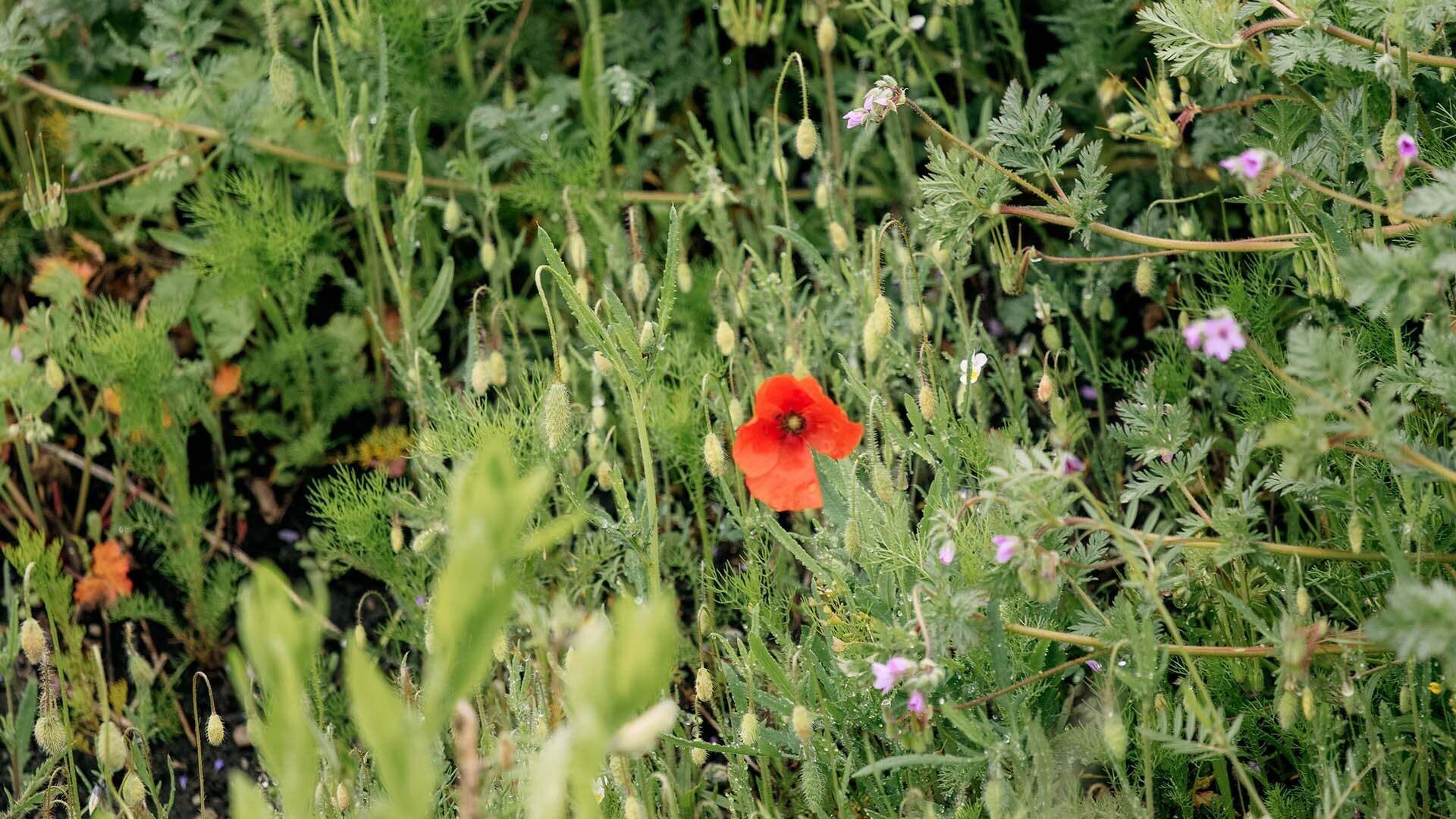
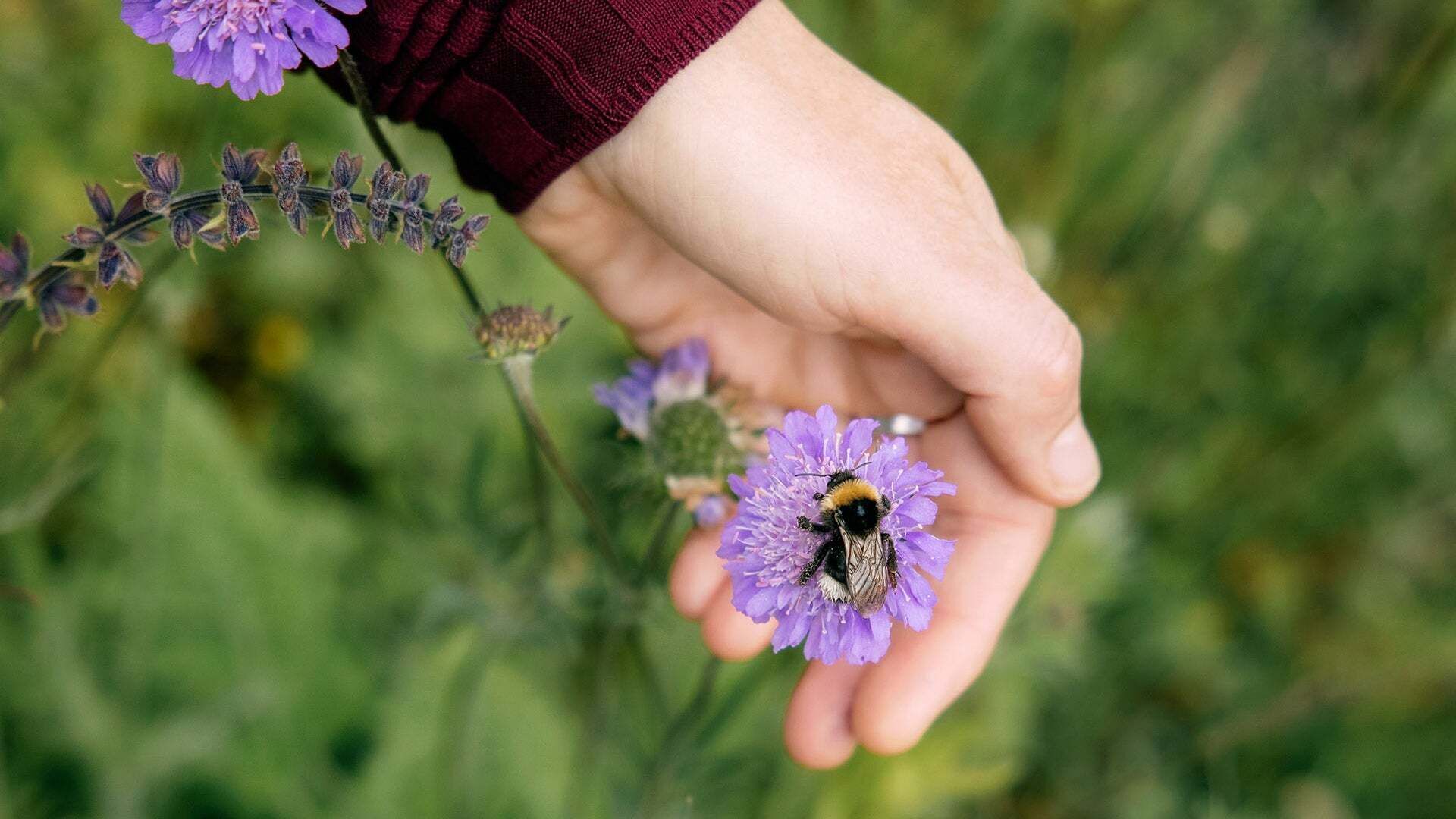
Humans also benefit from healthy biodiversity. “It provides the basis for business and life for us humans. You can think of biodiversity as a dense woven net in which we are lying. The more holes that appear in this net, the more likely it is that we will fall through,” says the biologist. Yet it is humans in particular who affect biodiversity through their actions and their consequences. Take climate change, for example: “It is suddenly becoming too hot for many species in some regions, and they are not managing to migrate quickly enough to avoid the heat,” explains Antje. “Everything we do has an impact on biodiversity. And biodiversity is silently dying. We will not even be aware of it if we do not pay attention.”
A holistic look at sustainability
If you want to live sustainably, you have to think holistically. To this end, the company keeps an eye on the entire value chain and works on four different pillars: supply chain, production, vehicles in use and recycling. The environment program Mission:Zero is anchored in the pillar of production. The four action areas of decarbonization, water use, resource efficiency and biodiversity provide the main focus for production. In addition, given increasing water scarcity and declining drinking water quality in industrialized regions, Audi is working on more efficient processes and closed-loop water systems at its production sites.
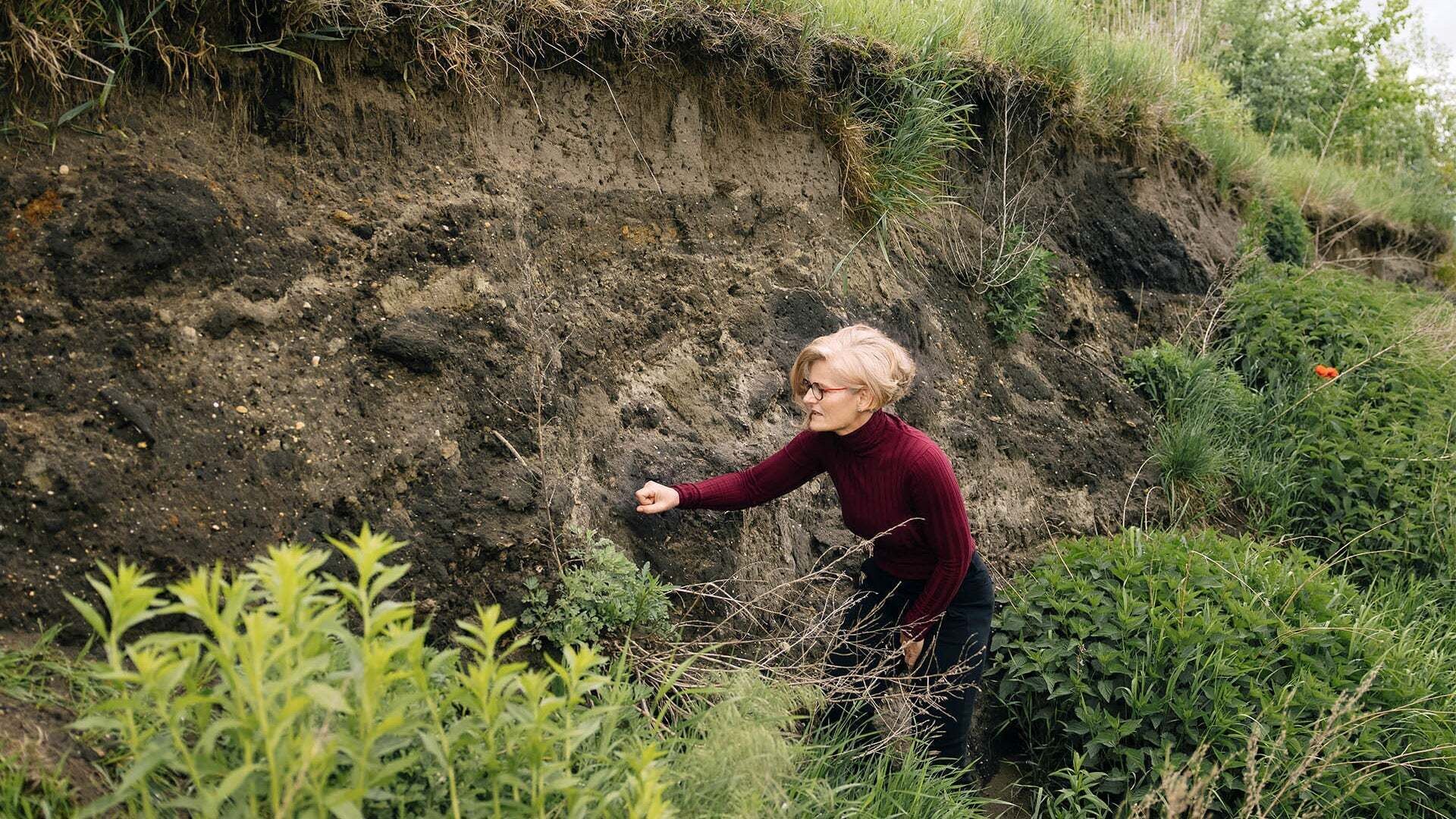
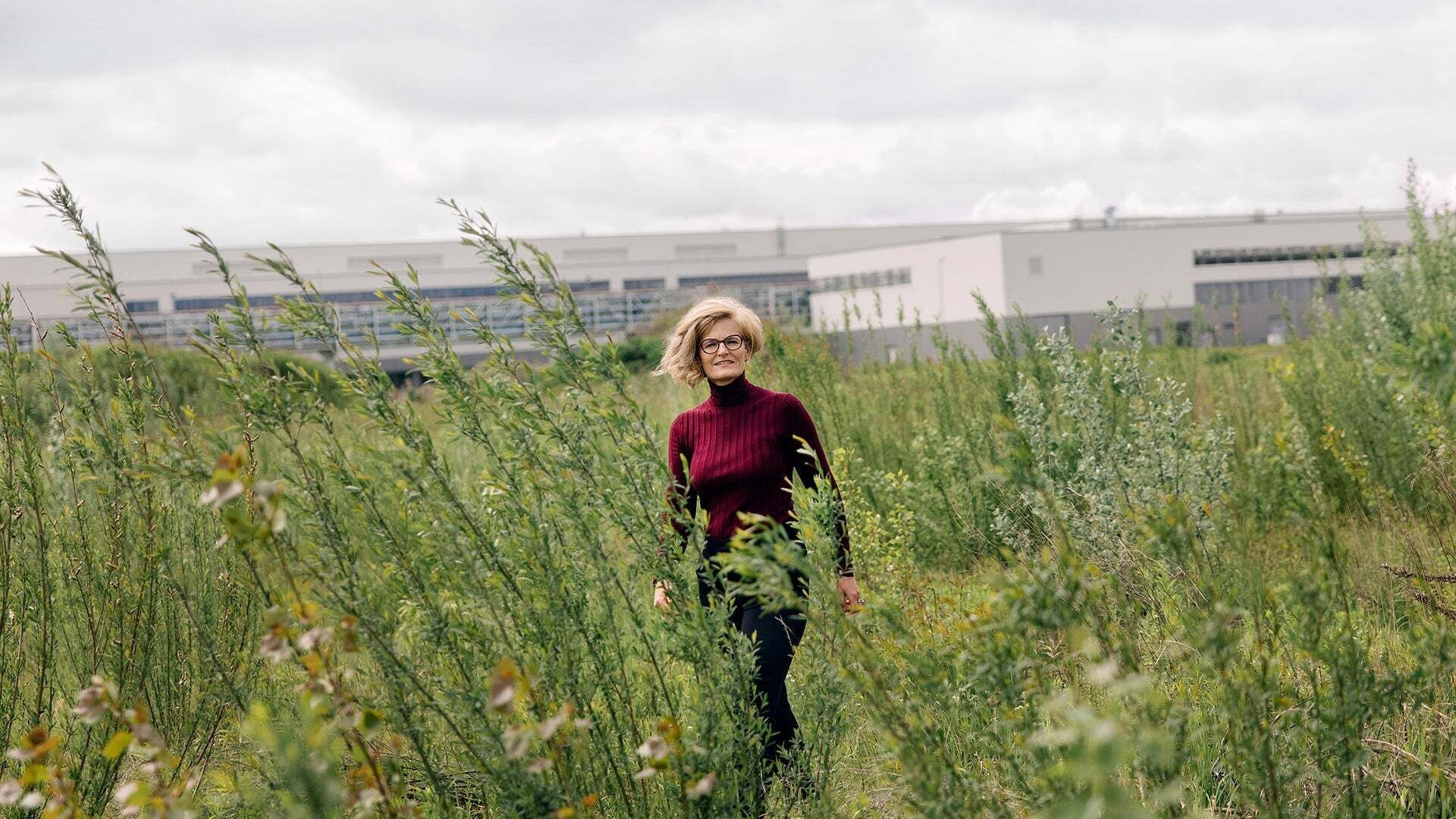
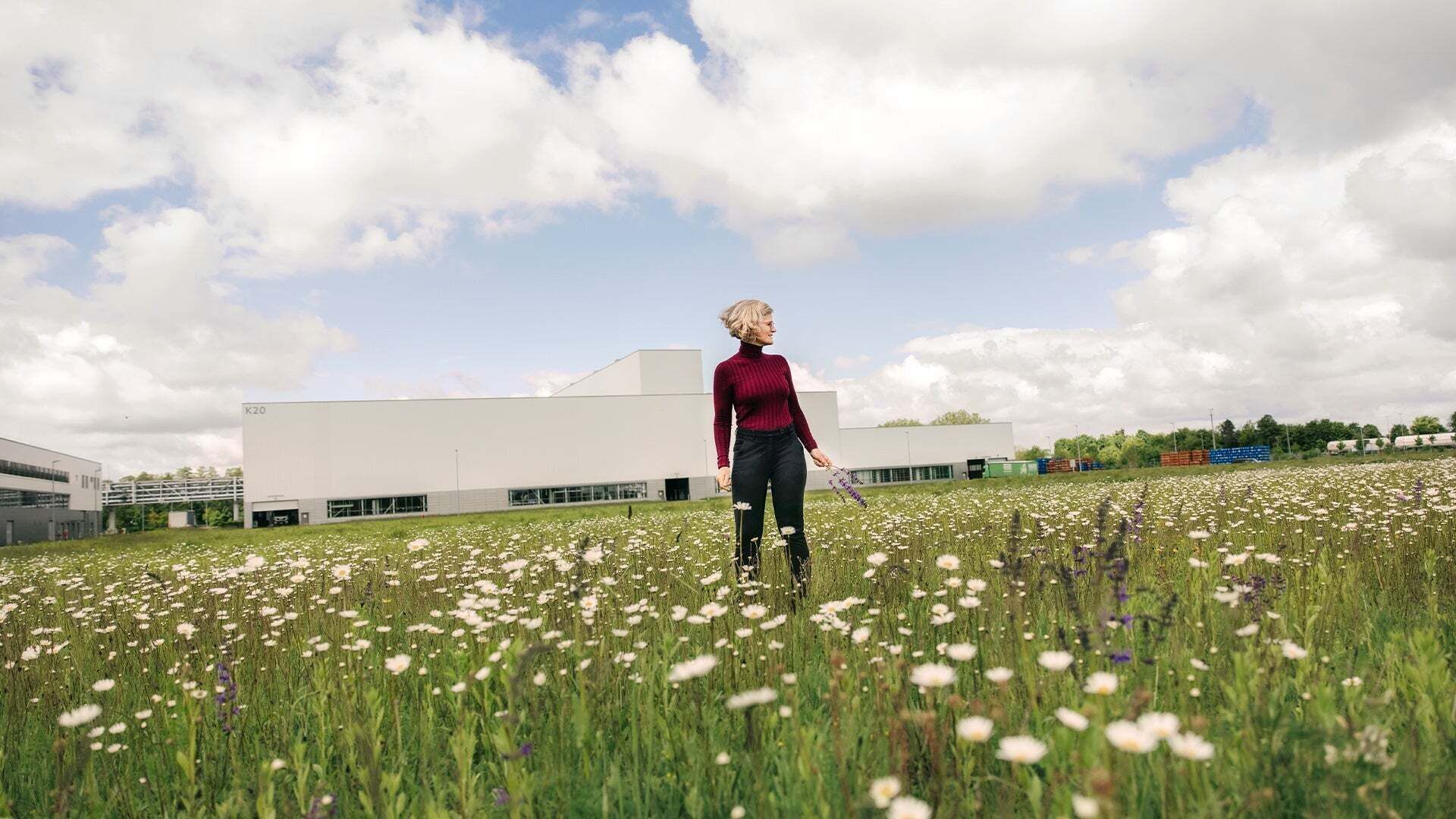
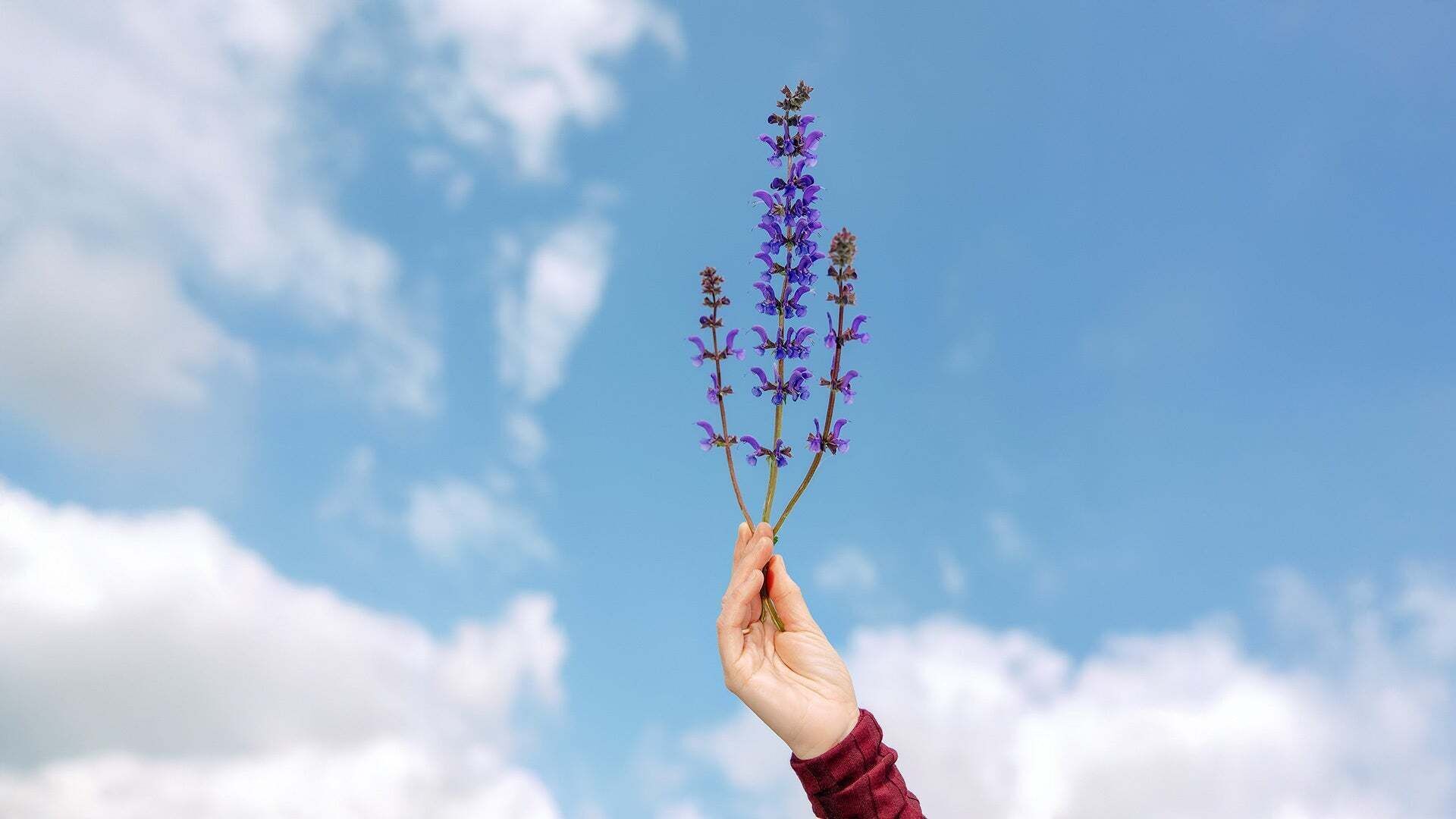
When Arnold walks through daisy fields and shrubby and wooded patches in Münchsmünster, her enthusiasm for the area is written all over her face. It is colorful here, because many different plant species are growing, including lady’s bedstraw, viper’s bugloss and sea thrift.
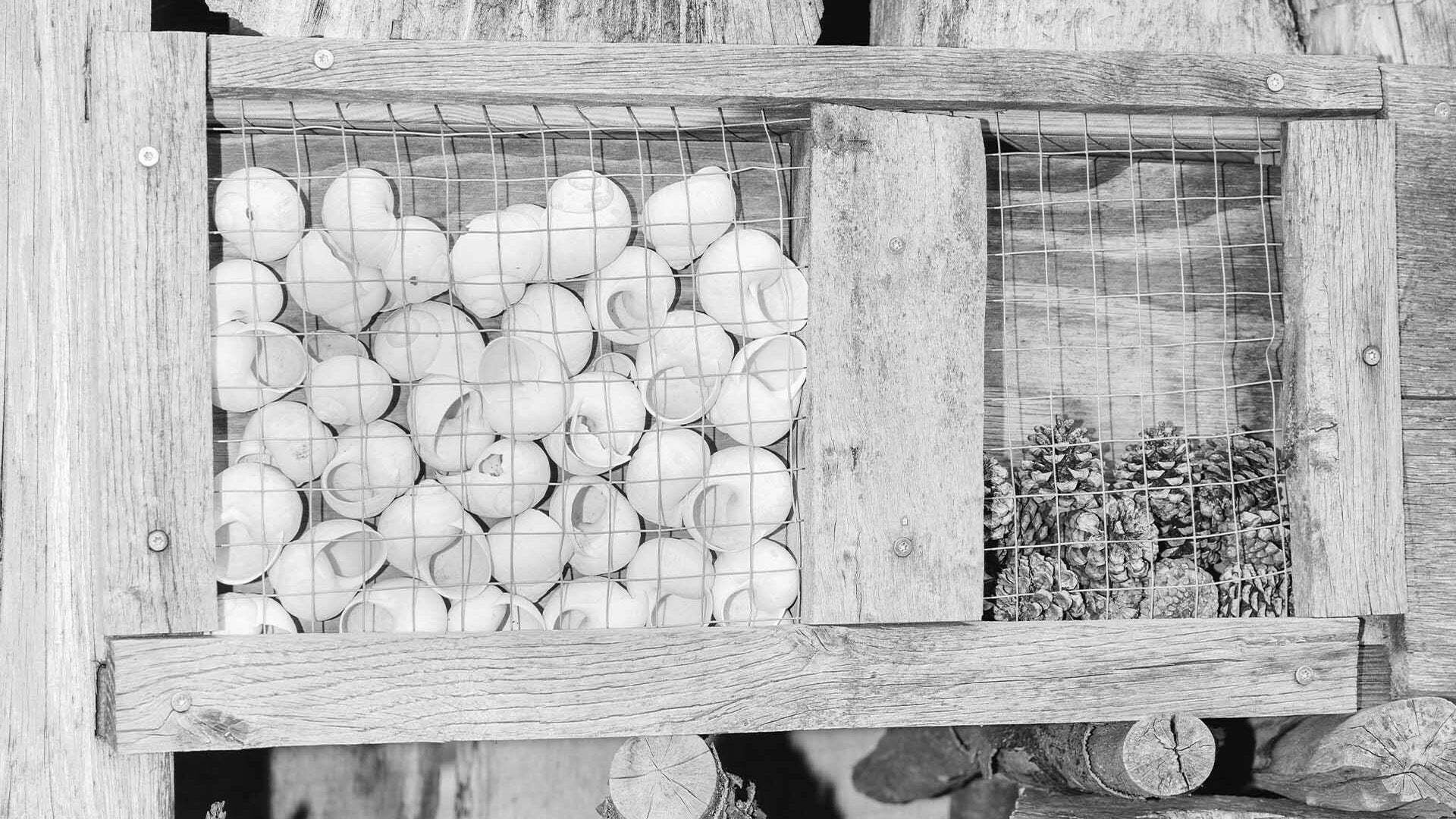
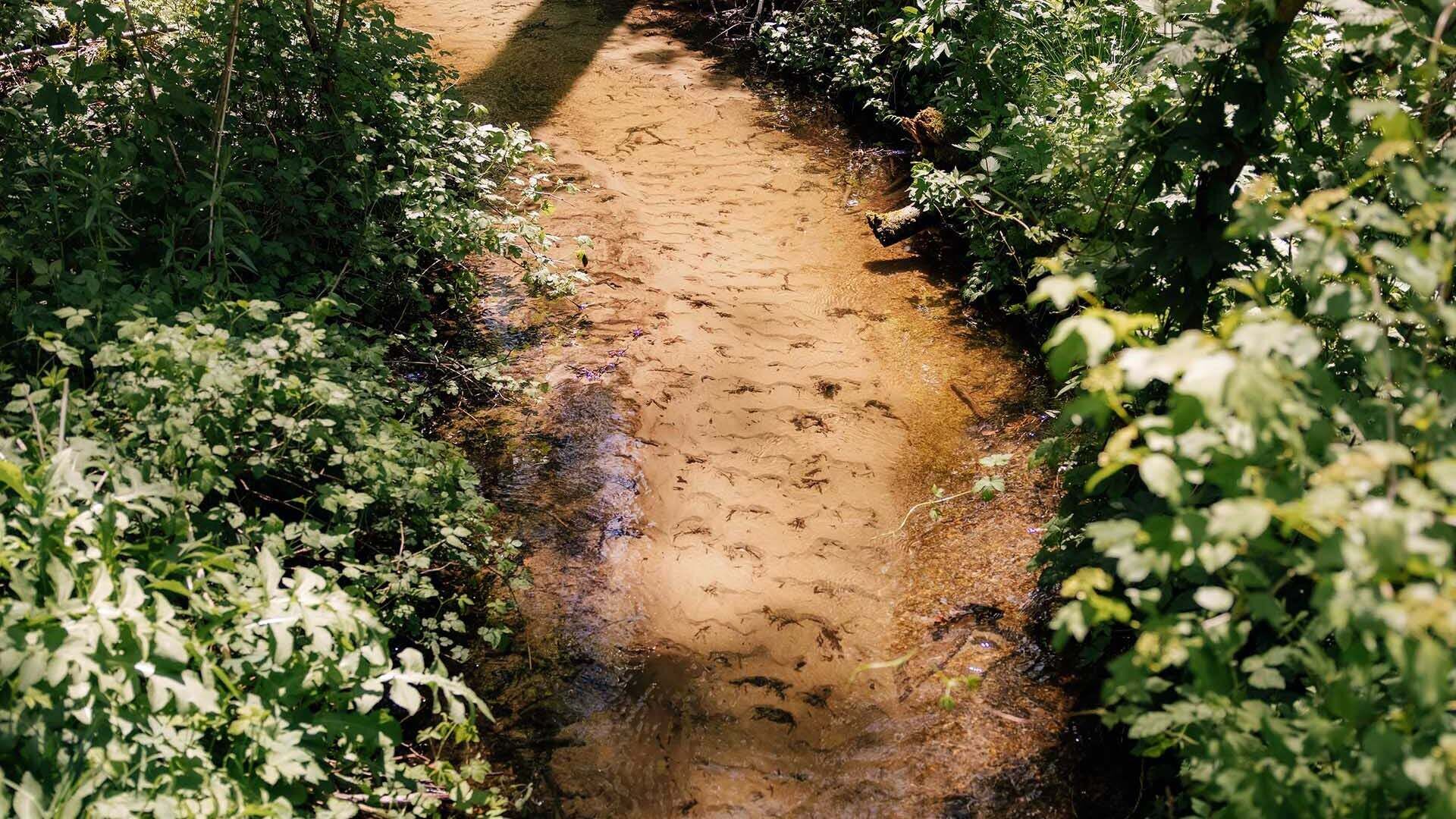
“Every measure designed to protect biodiversity counts, however small it may seem at first,” she says. Besides the meadow garden, deadwood areas and a stream, that is why there is also a beehive for native species here, such as the common carder bee, and a wild bee apartment built by the production site’s apprentices. Protecting bees is especially important for nature and mankind: They pollinate wild plants and agricultural crops and are thus ultimately responsible for feeding humans. Intensive farming has made nesting and feeding places rare for them.
„We must pay close attention to biodiversity. Because it is silently dying.“
Even though the 14-hectare site developed by Audi offers relatively little space, it can have a considerable impact. “We are creating a habitat here where various animal species can reproduce undisturbed. From here, they spread out further into the open countryside,” says Antje, comparing the place to a kind of delivery room.
In order to achieve the best possible impact, the biologist and her team are taking a strategic approach to the projects aimed at protecting species diversity. They use a biodiversity index to determine the biodiversity at the different Audi sites. This allows them to establish how biodiverse the sites are, draw up a strategy for a better eco-balance and measure its success. The more visible projects are, with brightly colored flower meadows and raised beds, the more likely it is that every employee will take these ideas home and continue the biodiversity mission there. That is why workshops, tours and participatory activities will also be held for everyone in the future. “I get goosebumps when I think of what we can initiate together,” says Dr. Antje Arnold.