Meticulous detail
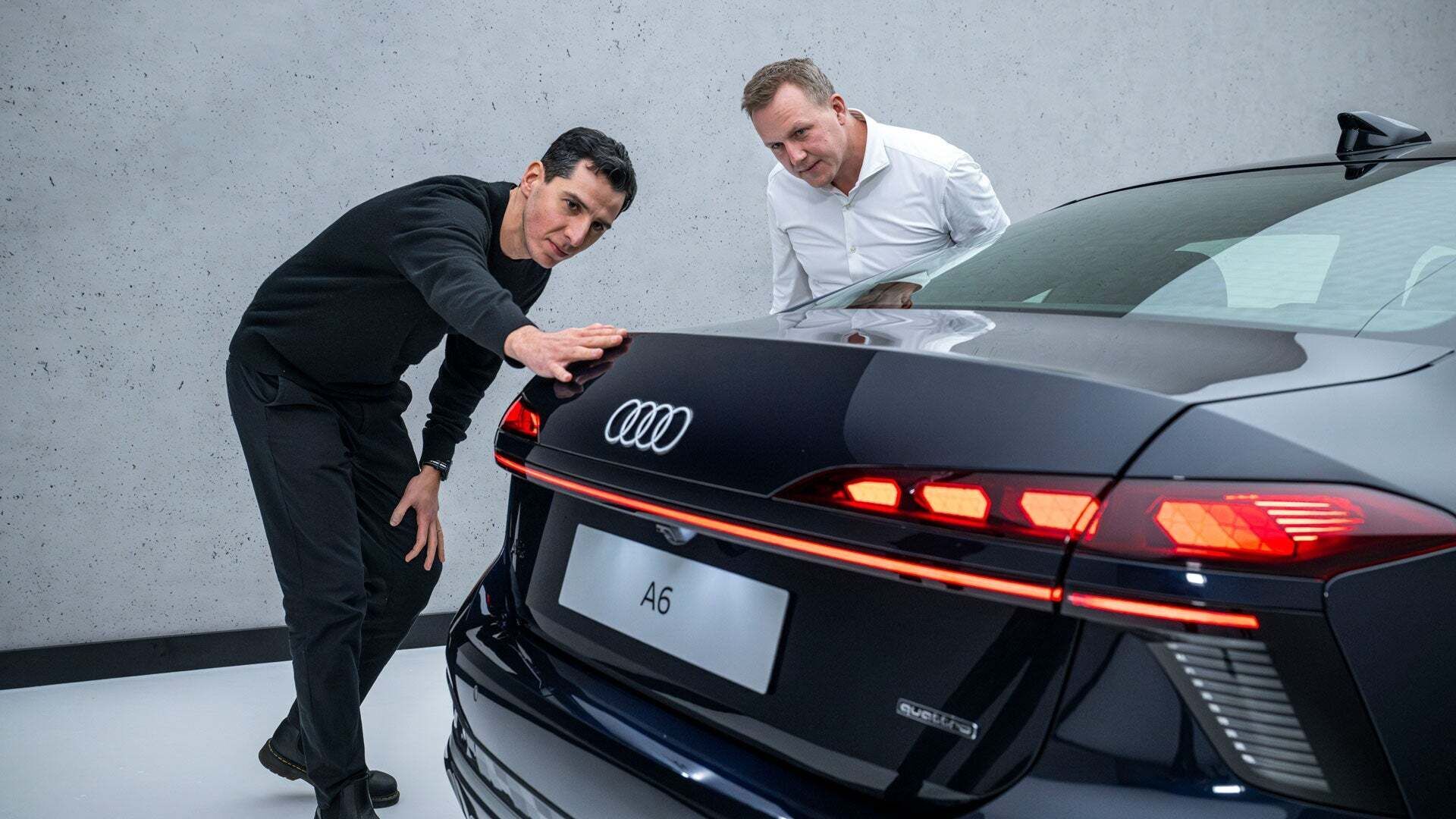
The Audi A6 Sedan sets standards in design and aerodynamics
The streamlined design benefits the aerodynamics of the Audi A6 Sedan. Experts describe the road to 0.23 – the best drag coefficient of a combustion-engine production model in Audi history.
Sebastian Weiper leans over the rear of the Audi A6 Sedan and traces its lines with his hand. “A vehicle’s aerodynamics are primarily determined by its basic shape. Sedans are inherently very aerodynamic thanks to their flat, streamlined bodies and elongated rooflines. With many additional measures, we were able to achieve the excellent Cd value of 0.23,” explains Weiper, aerodynamics developer at Audi. Exterior designer Francesco d’Amore nods in agreement and adds: “The body design of the new Audi A6 Sedan is clear and functional. Its minimalistic design combines elegance and sportiness. The most important design feature is the curve of the upper edge of the window, which flows elegantly and sweepingly from the front side windows into the fixed rear window. That is typical Audi, and it also showcases the streamlined body shape of the A6 Sedan.”

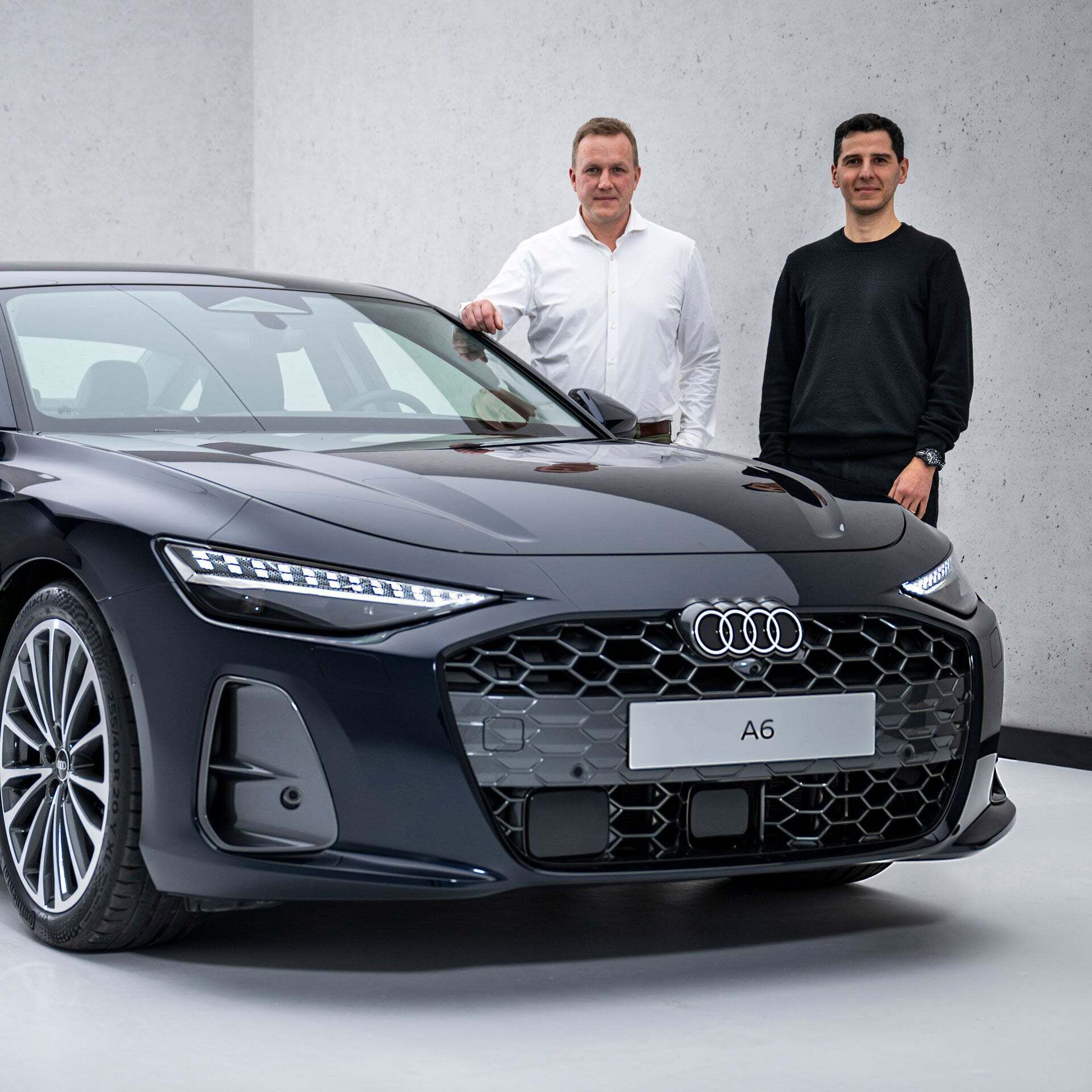

Side air intakes a decisive factor
One example of the successful collaboration between the designers and aerodynamics experts are the side air intakes at the front, the so-called air curtains. They channel the airflow around the front wheels and side of the vehicle as smoothly as possible. “From an aerodynamics point of view, the air curtains are the most important element at the front,” states Weiper. The aerodynamics team collaborates with the designers to optimize the initial design drafts in terms of functionality, whenever necessary. The teams know each other and work well together. “When you’ve been working together for a while, you know very well what the other team needs in the process. You know what solutions will be both popular and effective,” says Weiper.
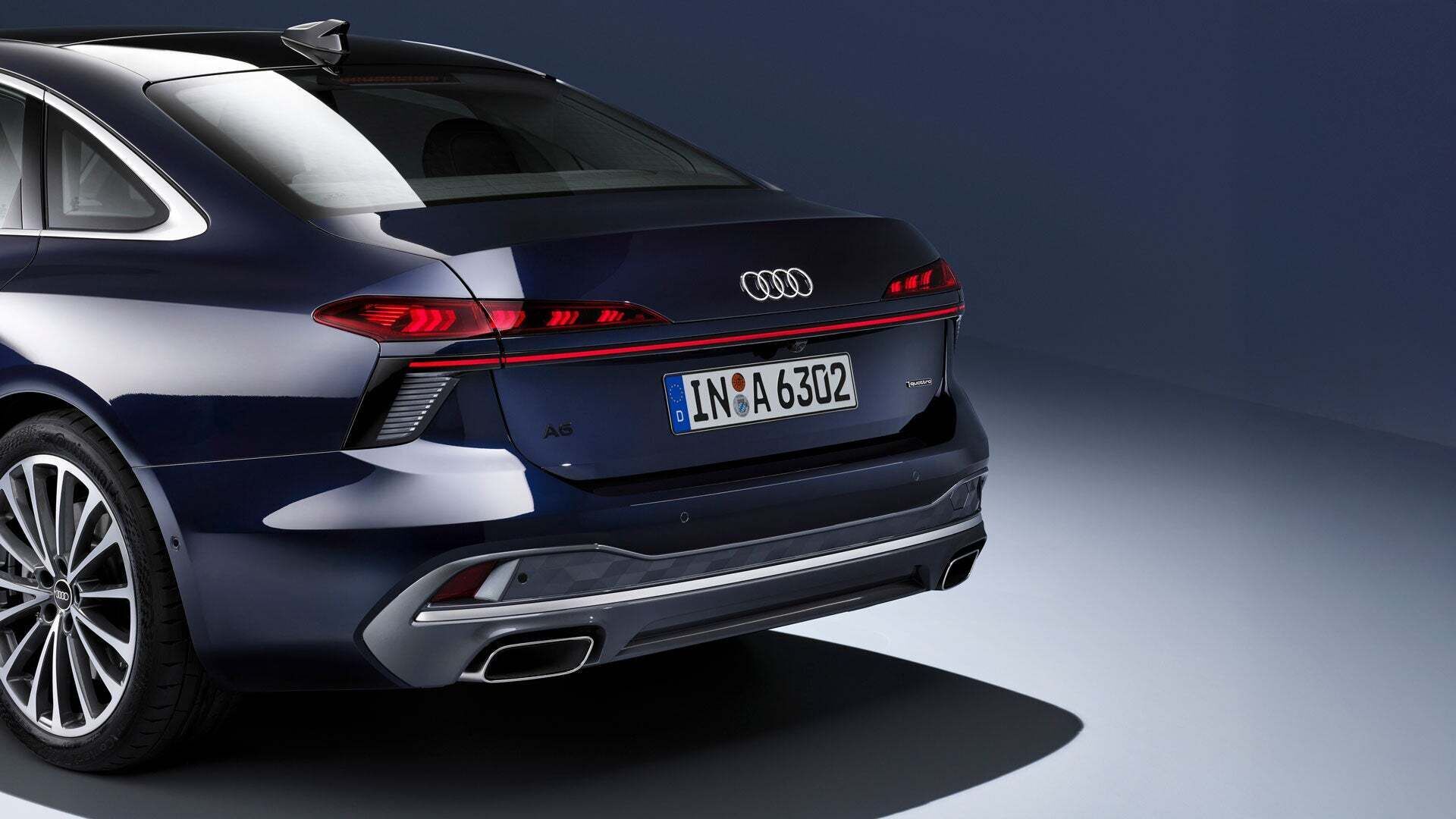
Edge integrated into the tailgate creates optimum stall
In typical Audi fashion, the elongated rear of the A6 Sedan is particularly progressive. It slopes slightly upward at the end – a design that is a crucial factor in the aerodynamics. The spoiler lip’s sharp angle, together with the “hollow groove” in front of it, creates an optimal stall. In combination with the large, wide diffuser, the wake area at and behind the rear is minimized. The result is an excellent balance between lift at the rear axle and drag. This in turn has a positive effect on the driving dynamics.
Hidden details
In addition to the obvious components, there are also many hidden aerodynamic measures in the A6 Sedan. For instance, two separately controllable cool-air intakes behind the Singleframe grille are part of the sophisticated aerodynamic concept. They cause the air to flow around the engine bay in a streamlined manner. To harness the full potential of this technology, Audi has also optimized the seal between the bumper and the cooling unit. That reduces airflow losses in this area by up to 70 percent. Furthermore, numerous panels on the underbody ensure controlled and harmonious airflow. These include wheel spoilers and specific covers on the transmission tunnel and rear axle.

Reduced wind and driving noise increases comfort
Audi has also improved the aeroacoustics of the A6 Sedan by up to 30 percent as compared to its predecessor model. More tightly sealed windows and optimized door seals ensure more pleasant acoustics in the interior, thereby enhancing onboard well-being. The use of a tailgate seal significantly minimizes wind noise compared to its predecessor as well. Moreover, all tires 19 inches or larger have noise absorbers. These are foam rings on the inside of the tire that reduce air vibrations there and thus have a positive effect on the noise level in the vehicle.
Form and function in perfect harmony
Minimal drag meets maximum driving comfort in the A6 Sedan – a testament to the meticulous work of the designers and aerodynamics experts. And to their close collaboration.