The future is created in the pilot hall: Hardware and software combined with passion

Raphaela Fritz coordinates the superstructure area in the Pilot Hall in Ingolstadt, where the first technology demonstrators and prototypes for the next generation of vehicles are created. With her technical expertise, she ensures seamless integration of hardware, software, and processes. Her daily work day? Her daily work? Extremely complex, internationally connected, and defined by challenges. Her goal: to actively shape the transformation toward a software defined vehicle and bring innovation to the road.
Why do you work at Audi?
Raphaela: Above all, I am passionate about the product focused work on our future vehicles – for me, it’s really about the car. This inspires me every single day. I see the vehicles at a very early stage and know what will enter the market in the coming years – and what our customers will ultimately experience. This knowledge and closeness to the product motivate me anew every day.
At the same time, Audi is particularly important to me as an employer because there are so many opportunities for further development. At Audi, I can work on various projects across different business units while contributing to the company’s future in an international environment.
What are you working on at Audi?
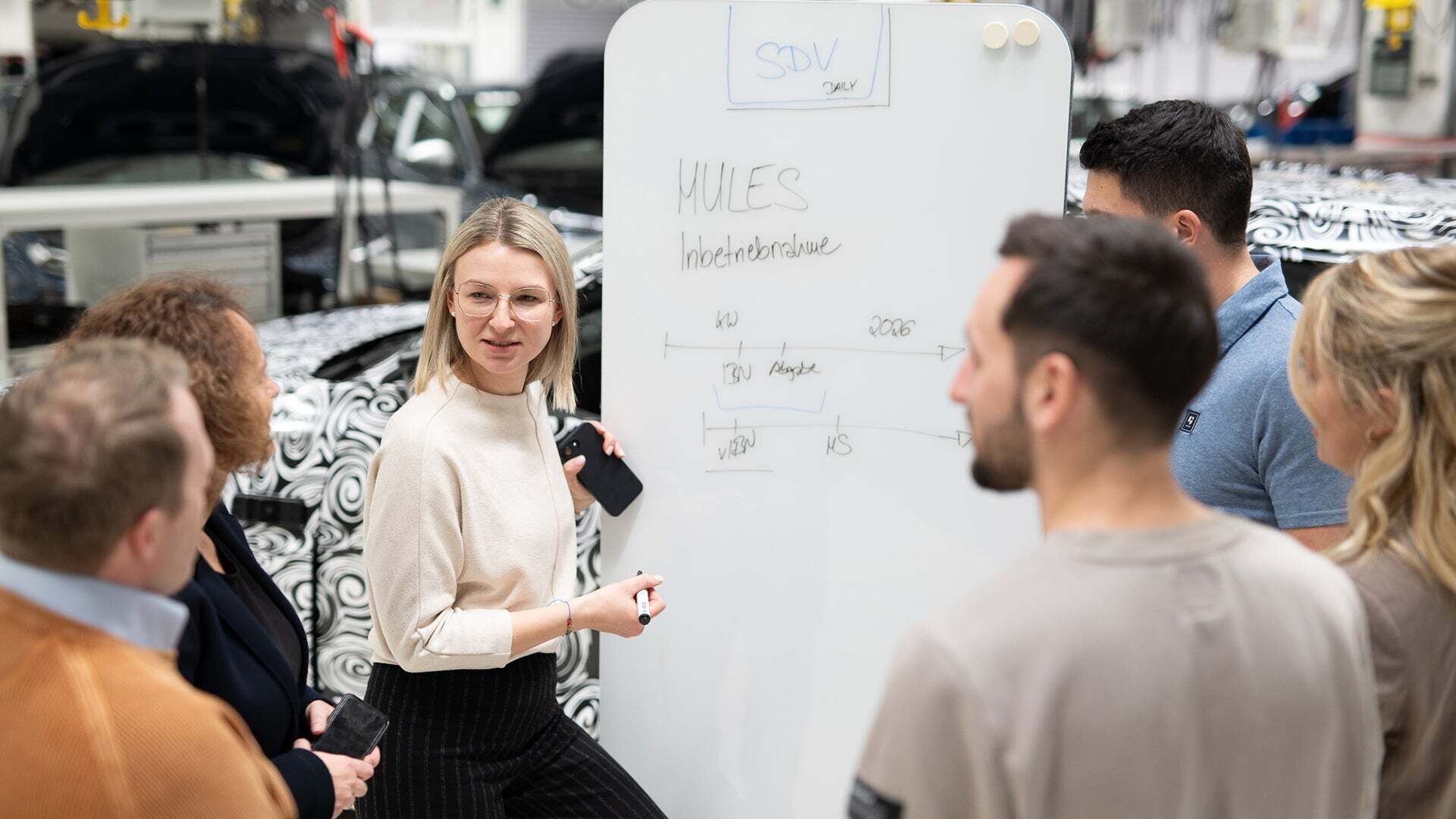
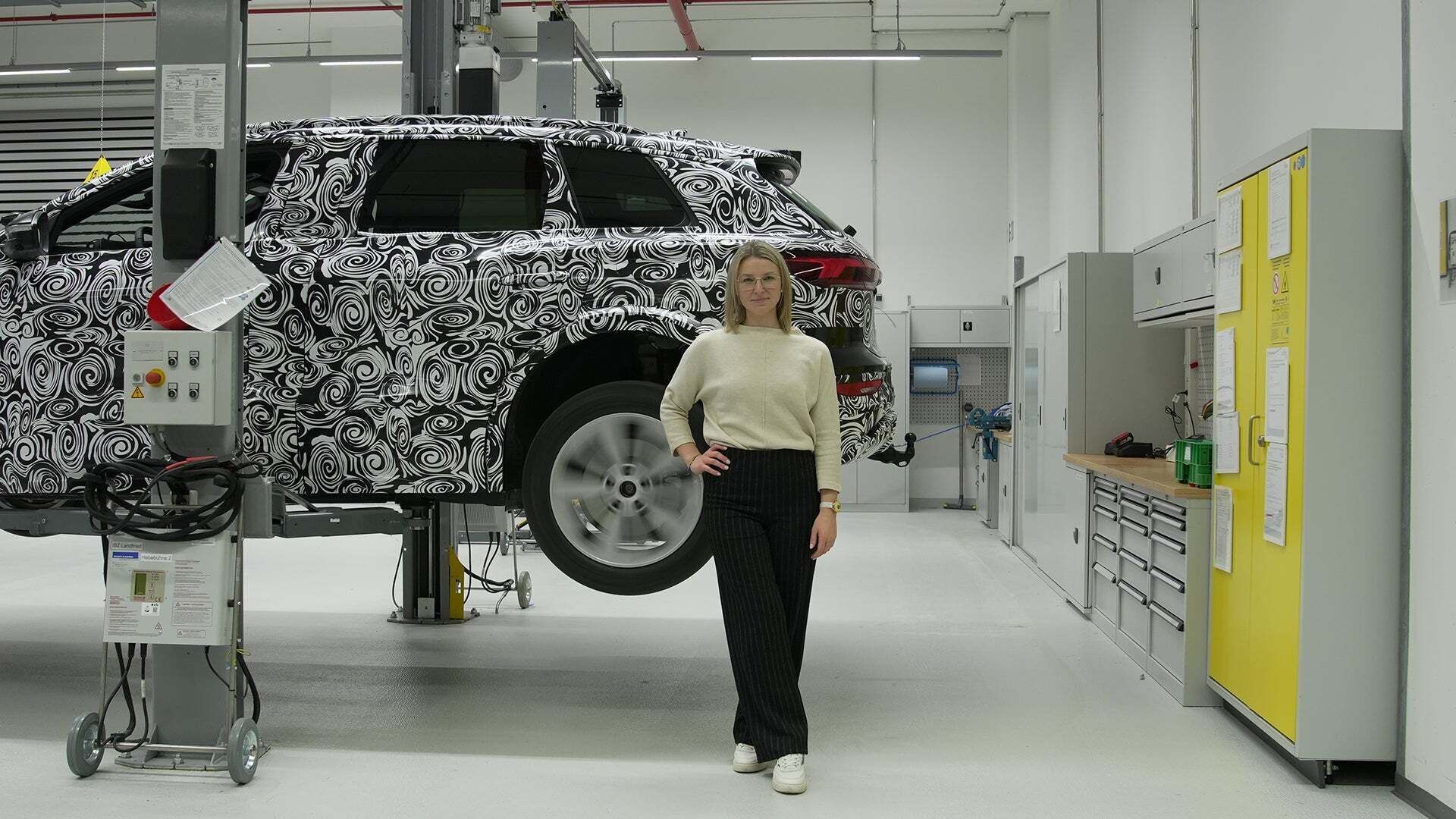
Raphaela: I currently work in superstructure coordination in Ingolstadt. We work in the Pilot hall, which has a particular dual role: On the one hand, we are responsible for building technology demonstrators and prototypes; and on the other hand, we accompany pre-series objects. This means that we build vehicles both stationary and across the line.
My role specifically involves coordinating the superstructure management team. We manage all activities required to build a prototype or a pre series vehicle: Are the parts available? Are the vehicles correctly specified? Can we ensure test readiness, and are all required functions implemented? It is somewhat comparable to ordering a vehicle at a dealership – only for prototypes.
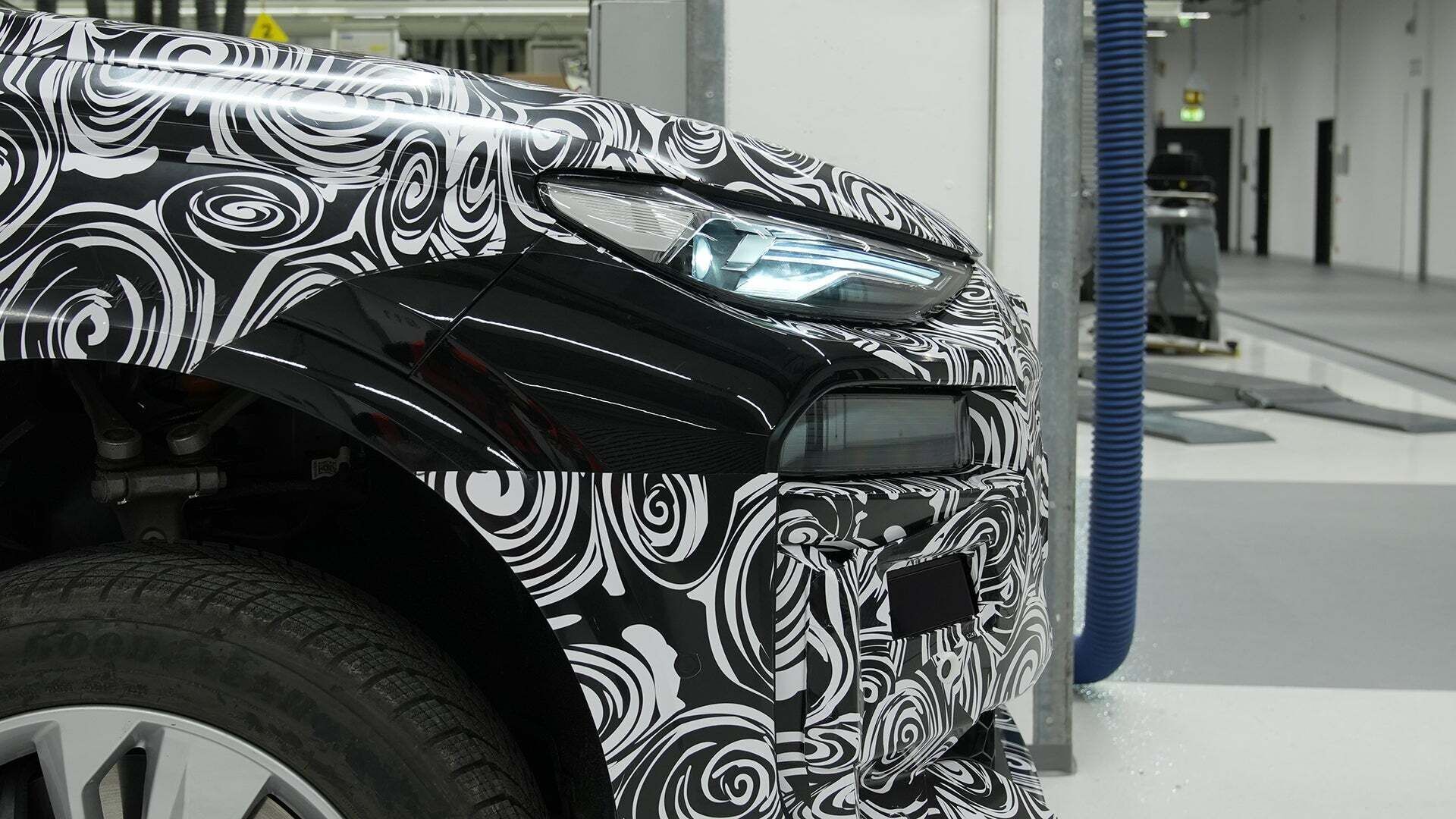
I am currently working with my team on the technology demonstrators and prototypes of a future Audi. This is particularly challenging because we are implementing the SDV architecture for the first time, supplied by our joint venture partner Rivian & Volkswagen Group Technologies. In concrete terms, this means: We build the commissioning vehicles for testing – they are also called mules.
This involves integrating the new architecture in close collaboration with the specialist departments and our joint venture partner. From there, we receive the hardware and software required to implement the SDV architecture into the first technology demonstrators. It’s an exciting step towards a software-defined vehicle – and I’m right in the middle of it.
What does a pilot hall look like?
Raphaela: Basically, Audi has two pilot halls – one in Ingolstadt and one in Neckarsulm.
We often describe ourselves as a ‘factory within a factory. The Pilot Hall is a fully self contained assembly and commissioning center. Here, everything is created under one roof. From body construction to commissioning, every stage follows seamlessly within our Pilot Hall. It is a complex but incredibly exciting process in which we are actively shaping the future of the software-defined vehicle.
The process begins with the construction of the first body, which is painted. This is followed by the technical assembly, in which we assemble the vehicle step by step For electric vehicles, we install the high voltage battery ,lay wiring harnesses and install control units, assemble seats and apply adjustments if prototype parts are not yet finalized. Everything happens in very small unit amounts and is assembled by us – right up to commissioning. And that’s exactly what is particularly exciting at the moment. We work with new tools and new hardware, such as zone control units. In addition, we are constantly integrating new software versions that we receive from our joint venture partner Rivian & Volkswagen Group Technologies from the USA. We have to combine this software with new control units, the secondary ECUs. In addition, there are new processes and test assets.
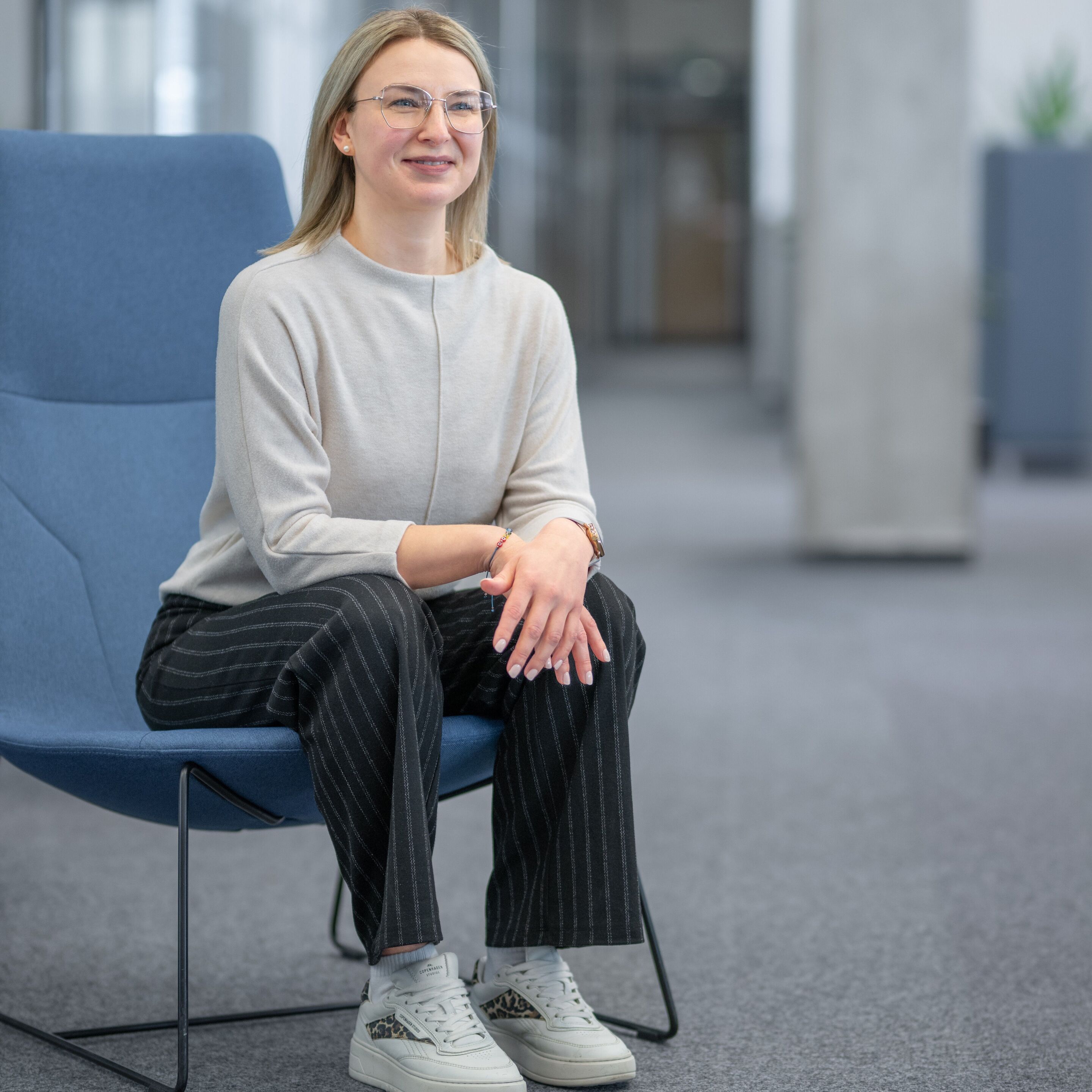
“Trust is our foundation: If someone says ‘We can do it,’ then I know it’s true – and that’s exactly what gives us scope for new ideas.”
Raphaela Fritz, Coordinator for Construction Management at the Ingolstadt Pilot Hall
What exactly happens during commissioning?
Raphaela: Commissioning describes the moment when the vehicle comes to life. After the mechanical completion has taken place, this exciting process begins. The first step is establishing drive readiness – with the key milestone being HV On. This means that we connect the high-voltage battery to the grid in electric vehicles and ensure that the vehicle has its own energy for the first time.
From there it continues: The wheels have to turn, and then the functions follow. There is a fixed list of functions for each vehicle. It states exactly what a technology demonstrator must be able to do in this phase. For the first vehicles we are currently building, for example: HV On, wheels turning, being able to drive.
With each stage of construction, the degree of maturity increases. As soon as these vehicles fulfill the defined functions and drive for the first time, commissioning is complete. This is always a special moment, when many individual components finally become a drivable vehicle.
Is there a technical experience that you particularly remember?
Raphaela: Yes, that wasn’t that long ago. For me, it was really very emotional when my colleagues in the USA got the wheels of my vehicle project running for the first time – with the new SDV architecture. That was a real goosebumps moment for me.
We installed new zone control units for the front, center and rear in the vehicles for the first time. For weeks, we worked with our colleagues at RV Tech to get the control units up and running to make sure everything worked. And then came the longed-for news: “The wheels are turning in the USA.” And a few days later I saw it live here in Ingolstadt. Then I thought: Yes! The new architecture is working, the wheels are turning.
You see the vehicle and notice: It’s working! It’s always great to experience and an absolute sense of achievement for the whole team.
How would you describe your collaboration?
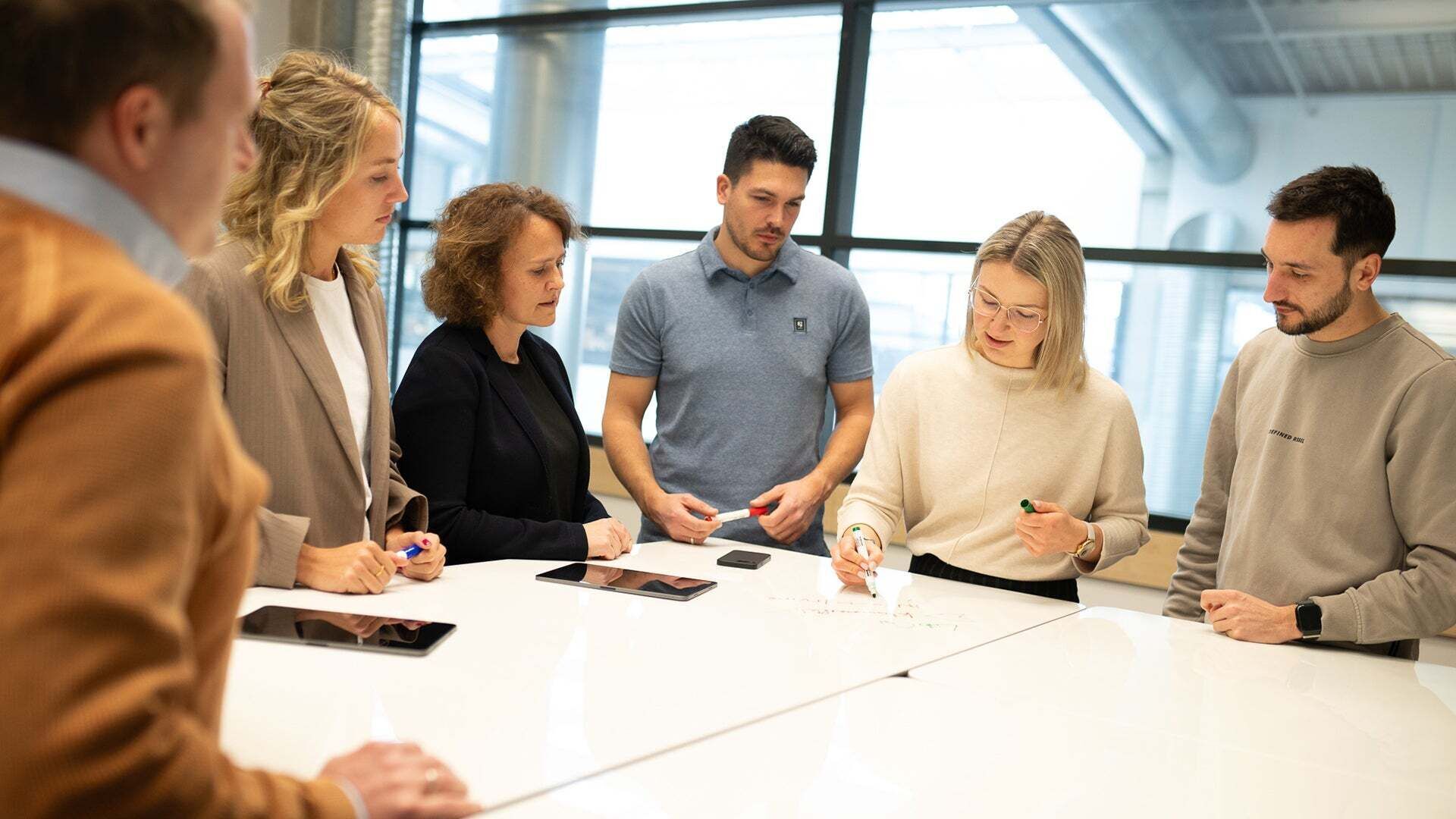
Raphaela: People from many different teams work together – across all hierarchy levels. I myself often stand in the workshop and look at things directly on the car. This makes the work special because everyone really works together.
What I appreciate most about it is the trust. If someone on the team says, ‘We can do it,’ I know it is true. I don’t have to question it because the expertise is there. This trust gives us freedom – and that feels good. Only with the right working environment, with trust in the team, can you really get involved and generate new ideas. That’s what good cooperation means to me.
What change are you currently experiencing in the collaboration?
Raphaela: Right now we are experiencing a strong change. Everything is new – hardware, software, processes and tools. We are no longer working in a traditional environment, but are in the middle of the transition to software-defined vehicles. This means that: We have to reorganize ourselves and work together flexibly.
In the past, the focus was heavily on mechanics and assembly. Today we have a shift towards commissioning and software. In my team, we even have our own role for this: software management. These colleagues take care of the software and hardware management exclusively – that didn’t exist before.
We have to react flexibly to the changed framework conditions. We break new ground, define new roles and work together across continents. This transformation is challenging, but it also makes our work incredibly exciting.
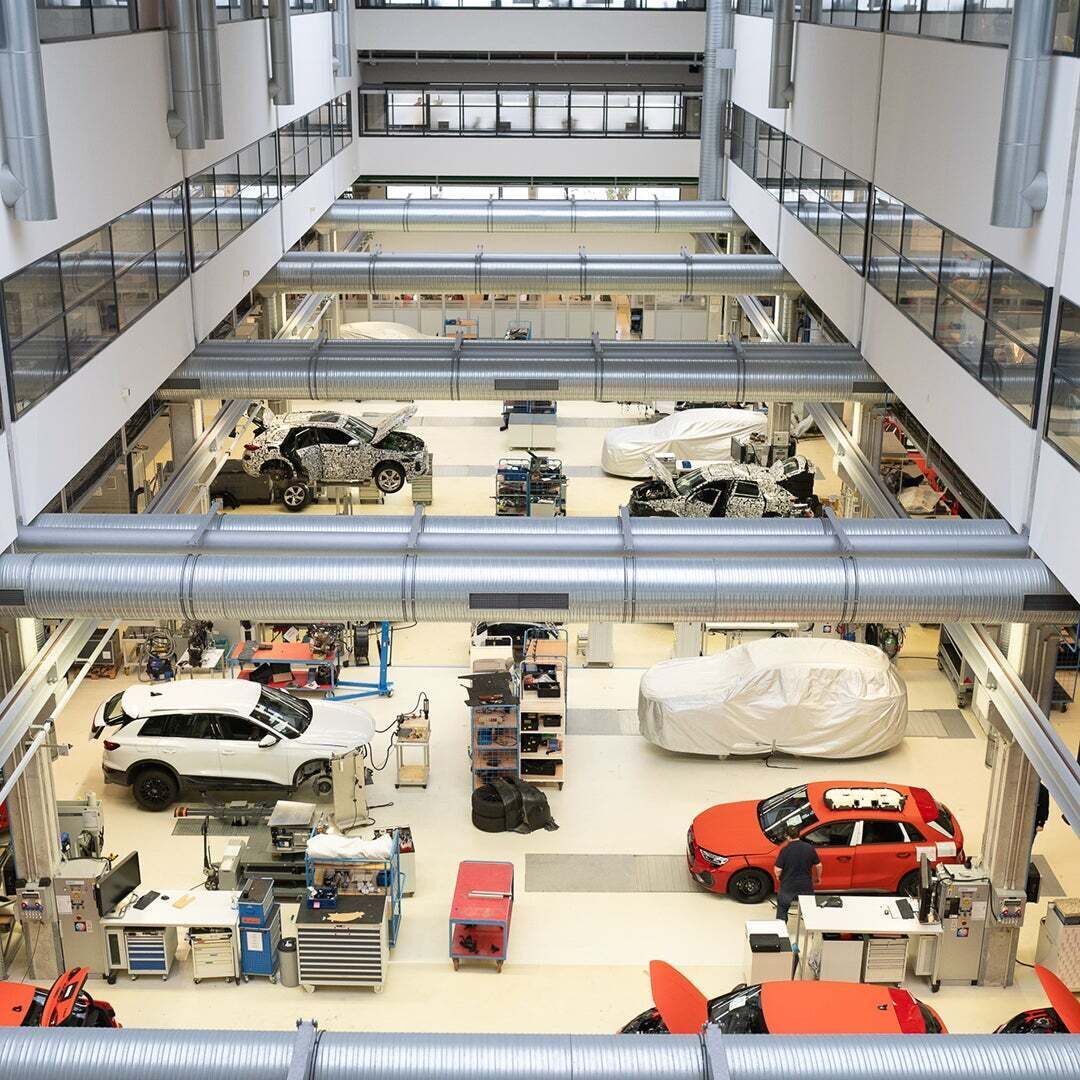
“Our pilot hall is a plant within a plant – this is where the future is created. From vehicle body to commissioning, everything is under one roof.”
Raphaela Fritz, Coordinator for Construction Management at the Ingolstadt Pilot Hall
Audi values of enthusiasm, trust, responsibility and courage reflected in your daily work?
Raphaela: How are the We are currently experiencing this with the construction and commissioning of the first SDV vehicles – both in the USA and here in Ingolstadt. When working on new test assets, new hardware, software, processes and tools are used. All this can only succeed because we are boldly breaking new ground, taking responsibility and facing the challenges with enthusiasm every day. Trust is the basis that makes us strong as a team.