Challenging first nine months: Audi is strengthening its measures to increase competitiveness
A challenging economic environment impacted the Audi Group’s financial performance in the first nine months of the year. Against the backdrop of markedly tougher and more competitive market conditions, particularly since the third quarter, Audi is consistently implementing targeted measures: investments are being channeled into future areas, costs and complexity are being further reduced, and efficiency is being significantly increased at all sites. At the same time, the company continues to renew its model range: starting in November, the Audi Q9 will be available as a new model series at the top of the portfolio. In December, the market launch of the fully electric compact model A2 e-tron begins in Europe.
The key facts (January–September 2026)
- Revenue: 42.1 billion euros
- Operating profit: 1.2 billion euros
- Operating margin: 2.7 percent
- Net cash flow: 2.4 billion euros
- Worldwide, 1,056,103 vehicles were delivered by the Brand Group Progressive; moderate growth for the Audi brand in Europe and in its home market Germany — significantly lower deliveries in China and the US
- Audi brand plug-in hybrids are up 103 percent
- Forecast for 2026 adjusted: revenue of 55–59 billion euros, operating margin of 3–5 percent, net cash flow of 2.5–3.5 billion euros

"The economic situation demands that we consistently renew Audi. To this end, we are setting clear priorities: reducing costs and increasing quality and productivity. At the same time, we are making targeted investments in new products and technologies and strengthening our presence in growth markets. These go hand in hand: we are transforming our company today so that we can succeed over the long term and secure the future of our sites."
Gernot Döllner, CEO AUDI AG
Audi sharpens its priorities and advances its measures
Audi’s deliveries, revenue, and operating profit declined in the first three quarters. Its financial performance, particularly in the third quarter, shows Audi must further intensify its measures and set clear priorities. To this end, the company is reducing costs and complexity, increasing the efficiency of its structures, and making targeted investments in new products and future technologies such as software, artificial intelligence, and driver assistance systems.
Business performance was particularly weighed down by the market slump in China — above all for vehicles with combustion engines — by intensifying competition, and by the growing export pressure from Chinese manufacturers on the European market. The dynamic ramp-up of electric mobility in Europe further increased competitive and transformation pressure. In addition, ongoing uncertainty stemming from the situation in the Middle East, the resulting rise in energy costs, and US tariffs have further weighed on performance. The ongoing transition of entry-level models — from the Audi A1 and Q2 to the fully electric Audi A2 e-tron — also had a negative impact.
Audi aligns new models with its core markets
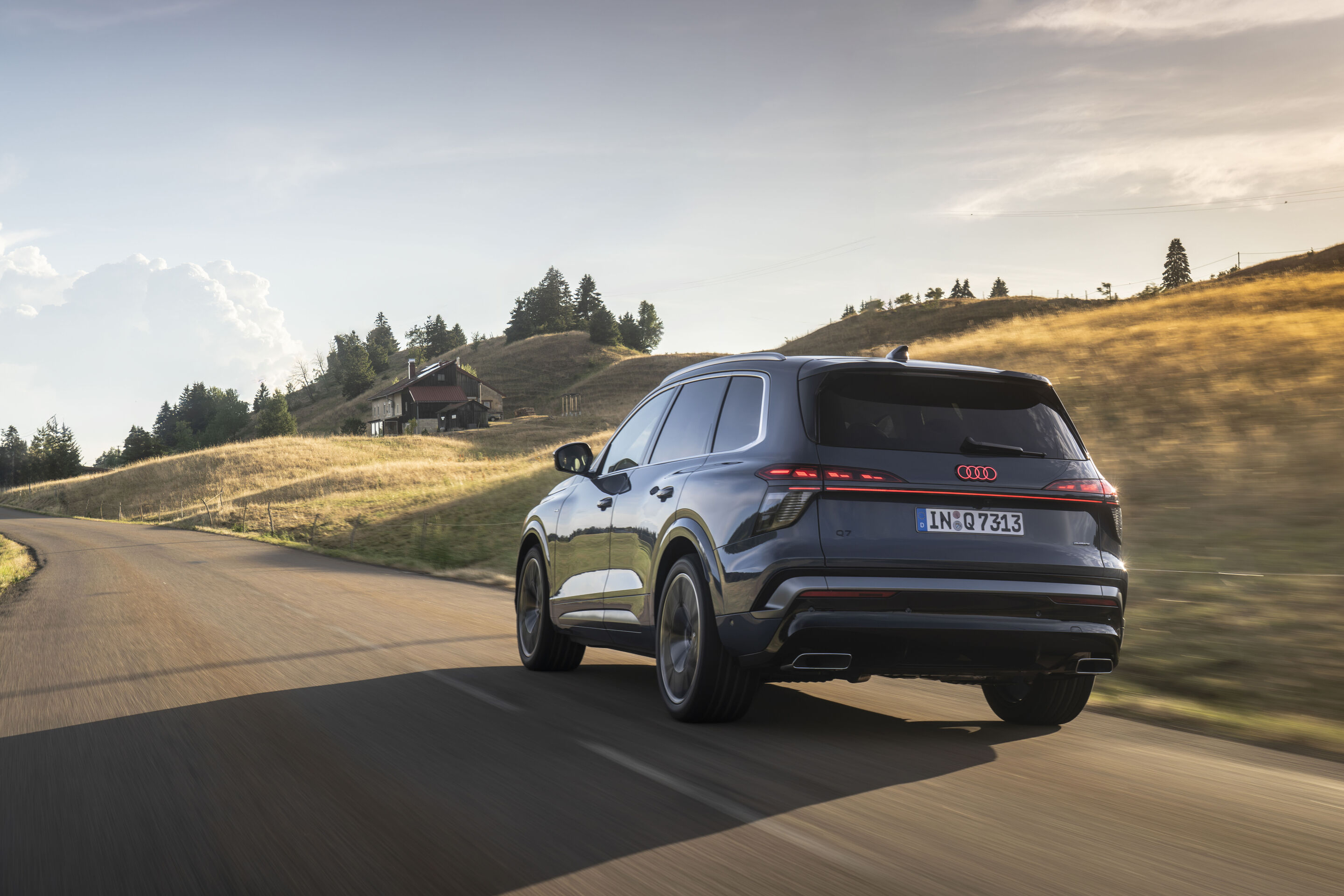
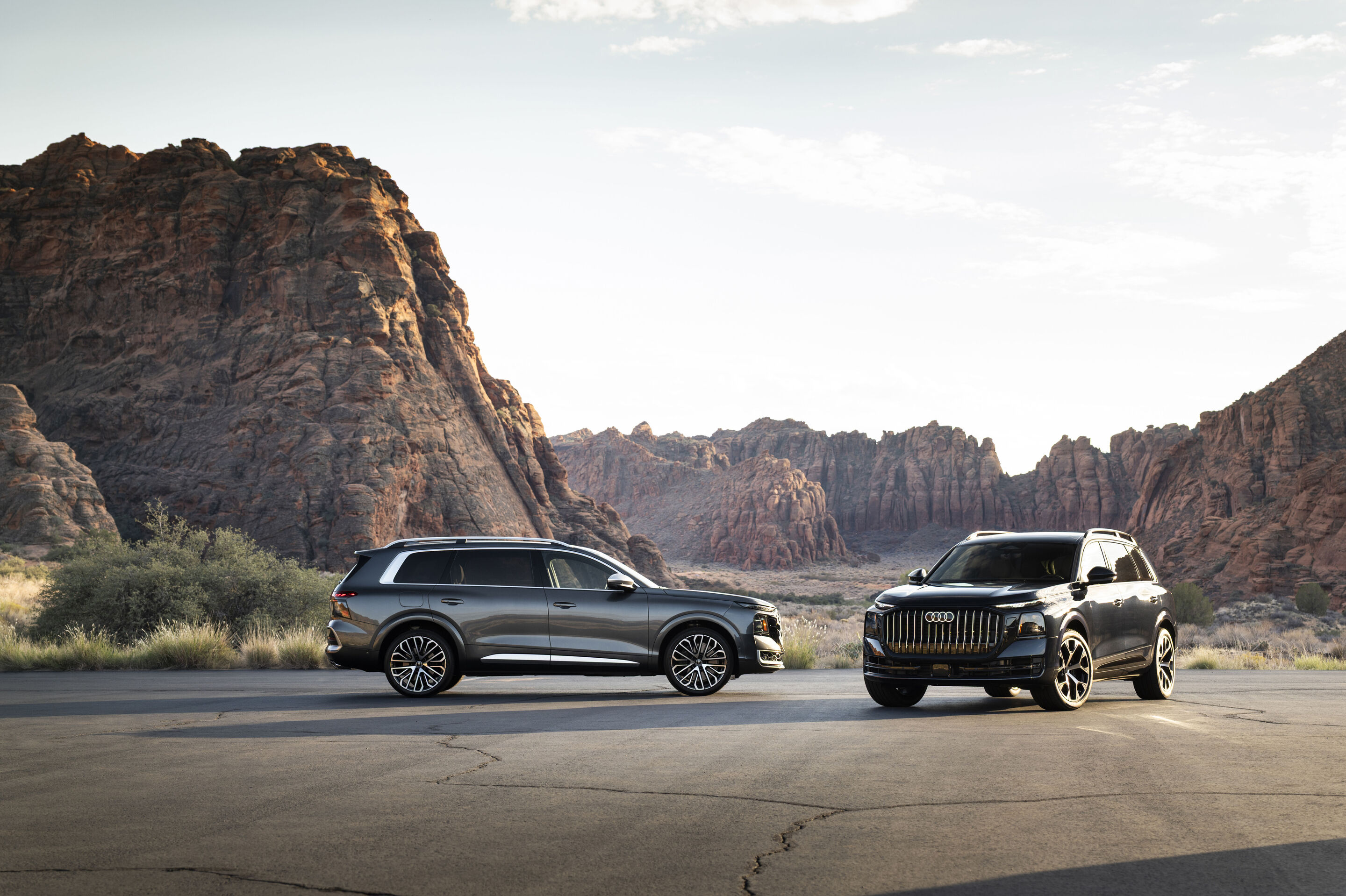
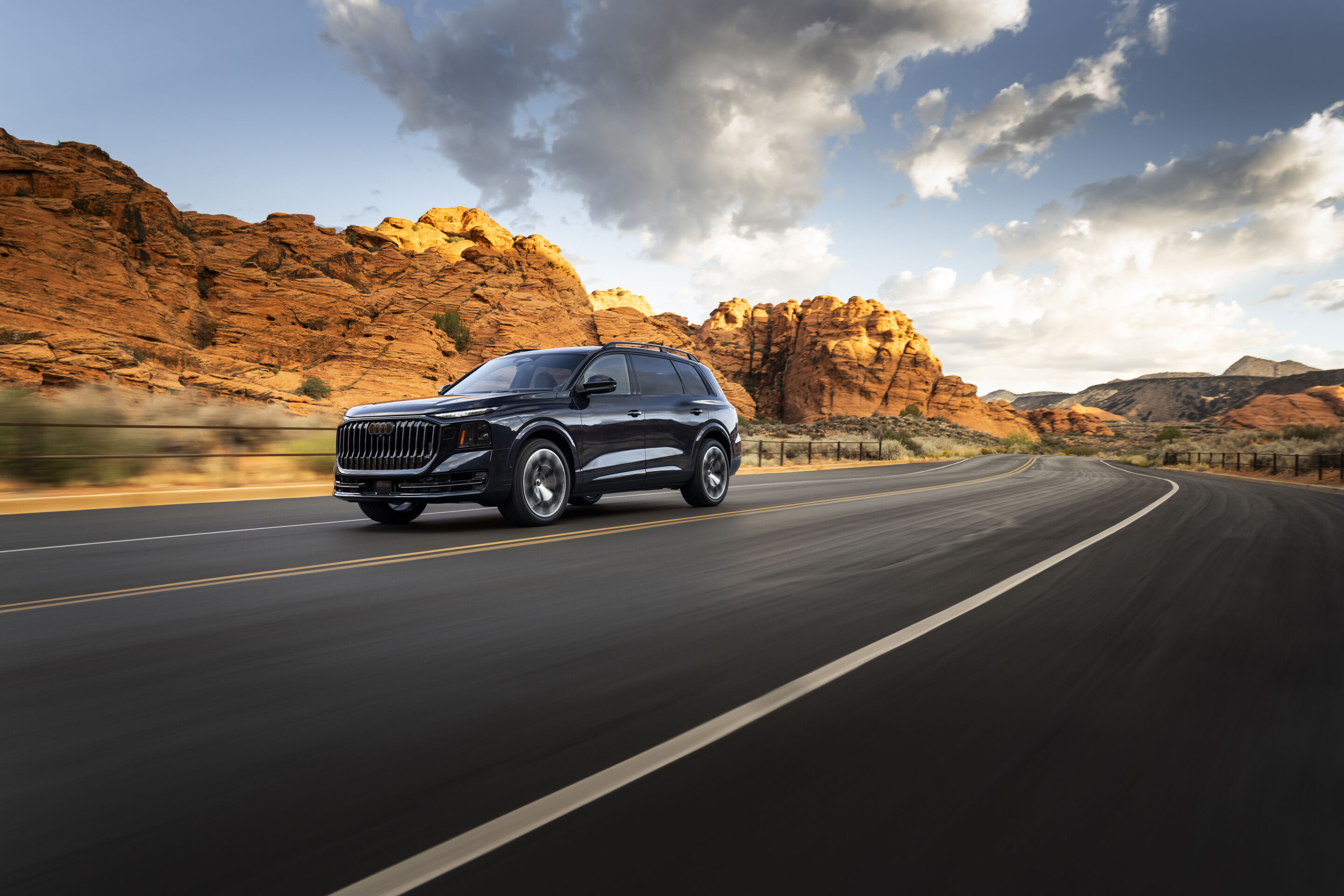
Progress is evident, among other things, in the rejuvenation of the model portfolio and in product development. Audi is specifically taking customer preferences in its core regions into account. The Audi Q7 and Q9, which are particularly relevant to the US market, strengthen the brand’s position in the United States. With the planned local production in the US, Audi aims to sustainably strengthen its business in one of its most important markets and lay the foundation for profitable growth.
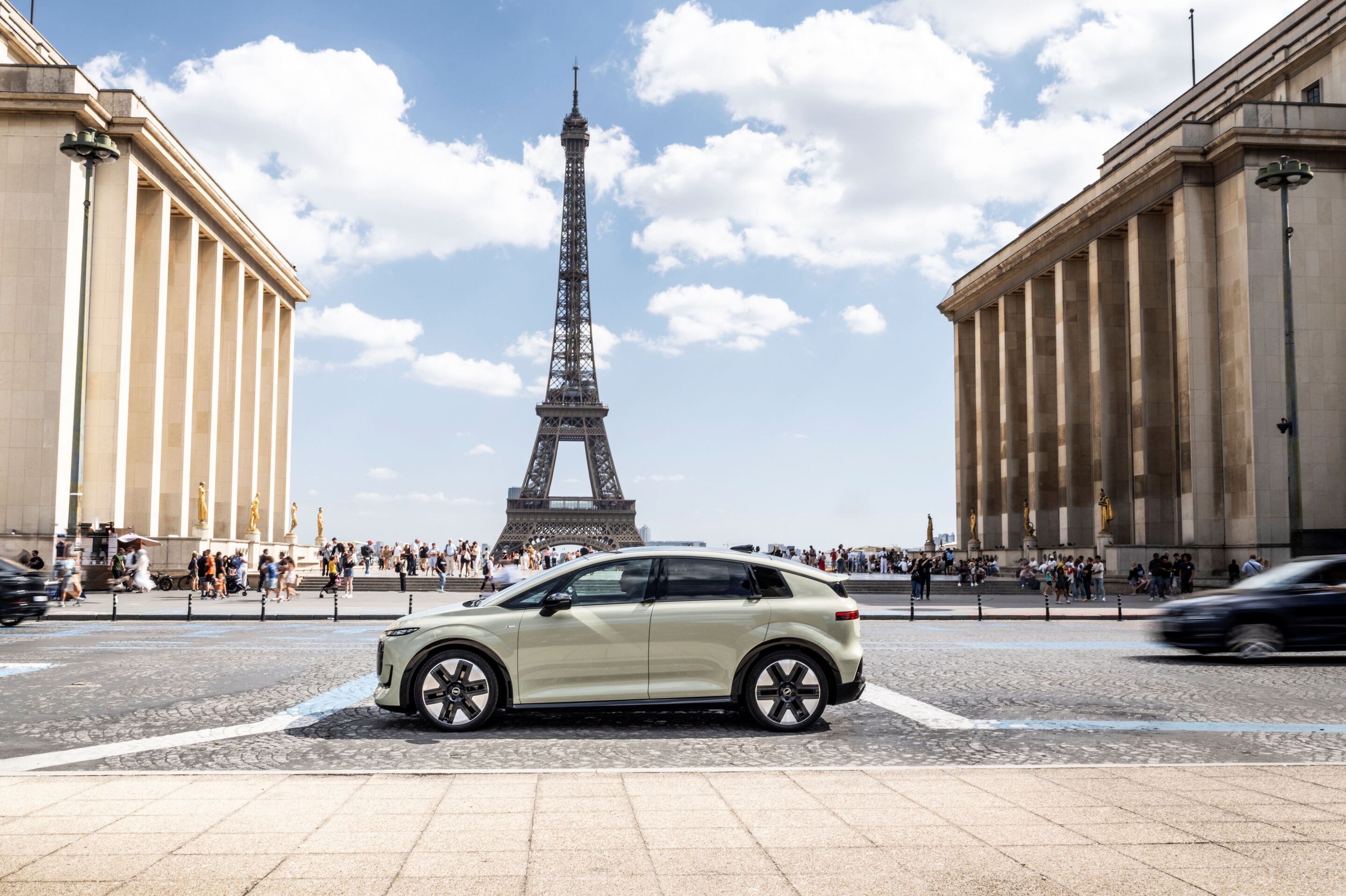
In Europe, the Audi Q7 has already launched successfully, and the Audi Q9 follows in early November. The A2 e-tron, presented in September — the brand’s first fully electric compact model — reaches dealerships in December. The Audi A2 e-tron took 21 months less to develop than comparable predecessor models and is produced in Ingolstadt.
In addition, Audi is further strengthening its position in the performance segment: the new Audi RS 5, the brand’s first RS plug-in hybrid, accompanies its Formula 1 commitment as a sporty road model. Demand is high: the production planned for 2026 is already sold out, and in Europe nearly twice as many orders have been received as expected. The Audi RS 5 is produced in Neckarsulm.
Strengthening the future viability of German sites
With the agreement for the future concluded in March 2025, Audi has set important measures in motion to strengthen the future viability of the company and its German sites. Building on this, further measures are to be developed to sustainably secure competitiveness and employment. The necessary steps are to be worked out in dialogue with the Group Works Council.
Business performance of the Audi Group and its brands

"The key figures make it clear: the need for action at Audi is high and brooks no delay. The environment deteriorated significantly again, especially in the third quarter. Our measures are having an effect, but given the enormous competitive pressure, we need to strengthen them further. That is why we are focusing on consistent cost discipline, reducing complexity, and increasing the efficiency of our structures. This is how we make Audi sustainably future-proof."
Jürgen Rittersberger, CFO AUDI AG
Audi Group key figures at a glance
| Selected key figures | January–September 2026 | January–September 2025 | |
| Brand Group car deliveries | 1,056,103 | 1,191,141 | |
| Revenue (million euros) | 42,063 | 48,380 | |
| Operating profit (million euros) | 1,150 | 1,555 | |
| Operating margin (%) | 2.7 | 3.2 | |
| Net cash flow (million euros) | 2,439 | 2,107 | |
| Financial result (million euros) | 513 | 965 | |
| Profit before tax (million euros) | 1,663 | 2,520 | |
| Profit after tax (million euros) | 1,218 | 2,064 |
Key figures for Bentley, Lamborghini, and Ducati at a glance
| Key figures January–September 2026 (January–September 2025) | Bentley | Lamborghini | Ducati | |
| Deliveries | 5,970 (7,236) | 7,983 (8,140) | 39,093 (41,943) | |
| Revenue (million euros) | 1,424 (1,887) | 2,532 (2,409) | 659 (732) | |
| Operating profit (million euros) | 49 (115) | 564 (592) | 29 (44) | |
| Operating margin (%) | 3.5% (6.1%) | 22.3% (24.6%) | 4.4% (6.0%) |
Development in key markets
From January to September, Audi brand deliveries worldwide declined 11.4 percent. Germany and Europe performed positively, as did plug-in hybrid models, which posted a worldwide increase of 103 percent.
In fully electric models, Germany and China grew significantly, while global BEV deliveries declined 12 percent to 143,748 vehicles.
Worldwide deliveries of the Audi brand
| Audi brand deliveries | January–September 2026 | Change vs. January–September 2025 (%) | BEV January–September 2026 | BEV change vs. January–September 2025 (%) | |
| Worldwide | 1,042,150 | -11.4 | 143,748 | -12.0 | |
| Germany | 152,011 | +1.8 | 39,476 | +39.1 | |
| North America* | 128,749 | -17.3 | 3,867 | -87.8 | |
| China** | 328,042 | -24.5 | 24,203 | +84.7 | |
| Europe*** | 360,649 | +1.3 | 70,637 | -12.5 | |
| Overseas and growth markets | 72,699 | -9.6 | 5,565 | -41.1 |
* North America excluding Mexico
** China including Hong Kong
*** Europe excluding Germany
Forecast for 2026
Due to a marked deterioration in market conditions in the third quarter, particularly in China, as well as persistent competitive and price pressure on global markets, the Audi Group is adjusting its financial forecast for fiscal year 2026. The updated forecast does not include any potential restructuring expenses beyond those agreed in 2025.
| Forecast for 2026 | ||
| Revenue (million euros) | 55,000–59,000 | |
| Operating margin (%) | 3–5 | |
| Net cash flow (million euros) | 2,500–3,500 |
Further information can be found in the Quarterly Update and Fact Pack for the third quarter of 2026.