Search
All search results for "Circular Economy " (54)
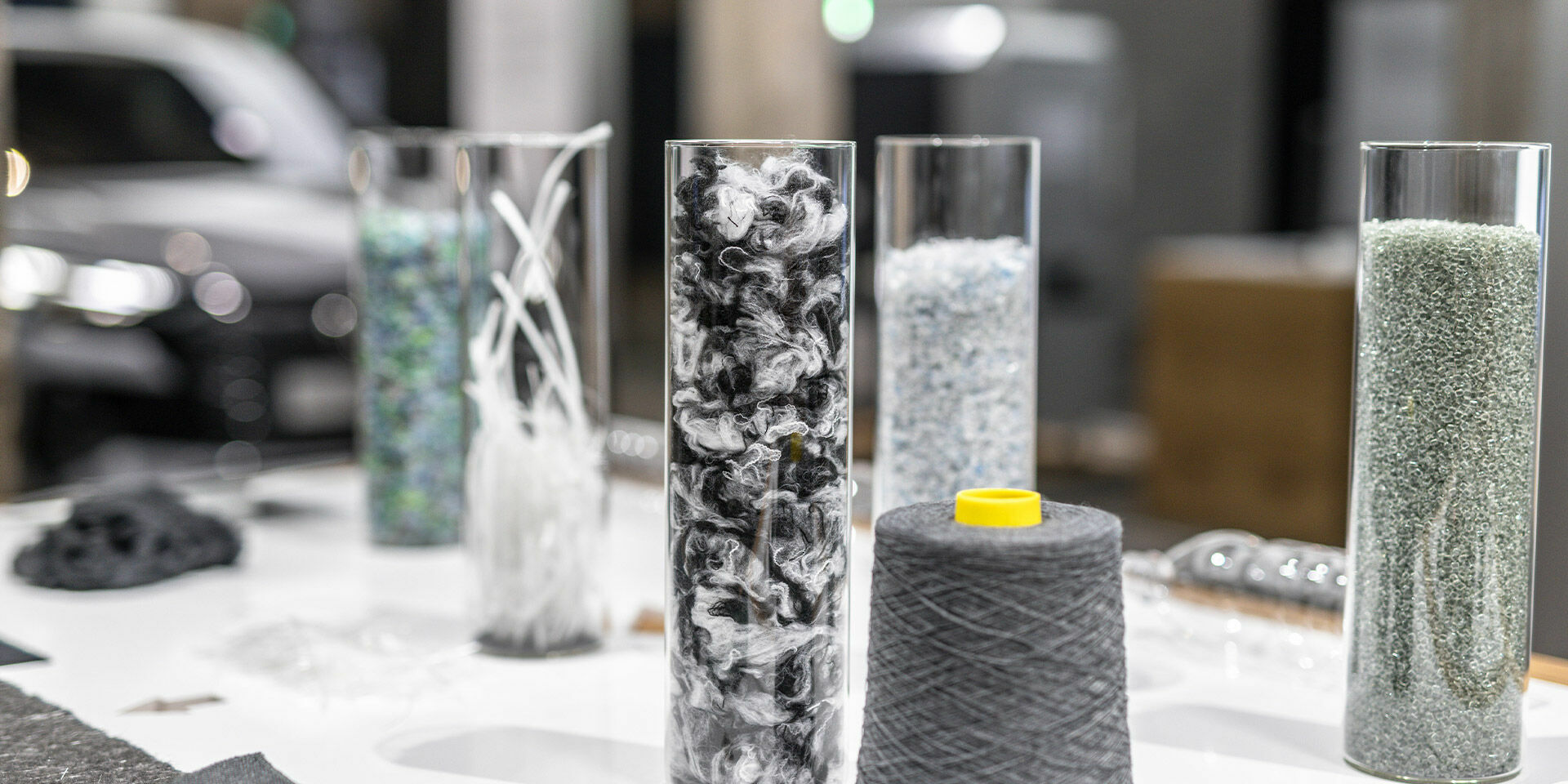
Circular economy at Audi
cycle for as long as possible and is implementing specific measures to further develop these cycles throughout the entire value chain.
Inhalt
How the circular economy makes a difference For Audi, the circular economy is a key strategy for further developing the use of resources along the value chain, while simultaneously tapping into new business opportunities over the long term. At Audi, the circular economy is built on three key pillars: Product, Business and Partnering.
“For Audi, the circular economy is about reducing resource consumption while at the same time unlocking new business opportunities. To this end, we design products with circularity at their core, forge strong partnerships, and establish viable business models.” Dr. Johanna Klewitz, Head of Sustainability Strategy, AUDI AG
Pillar 1
Product – The circular economy begins with development
With the next generations of vehicles, Audi will increasingly use materials derived from products that have already been used by
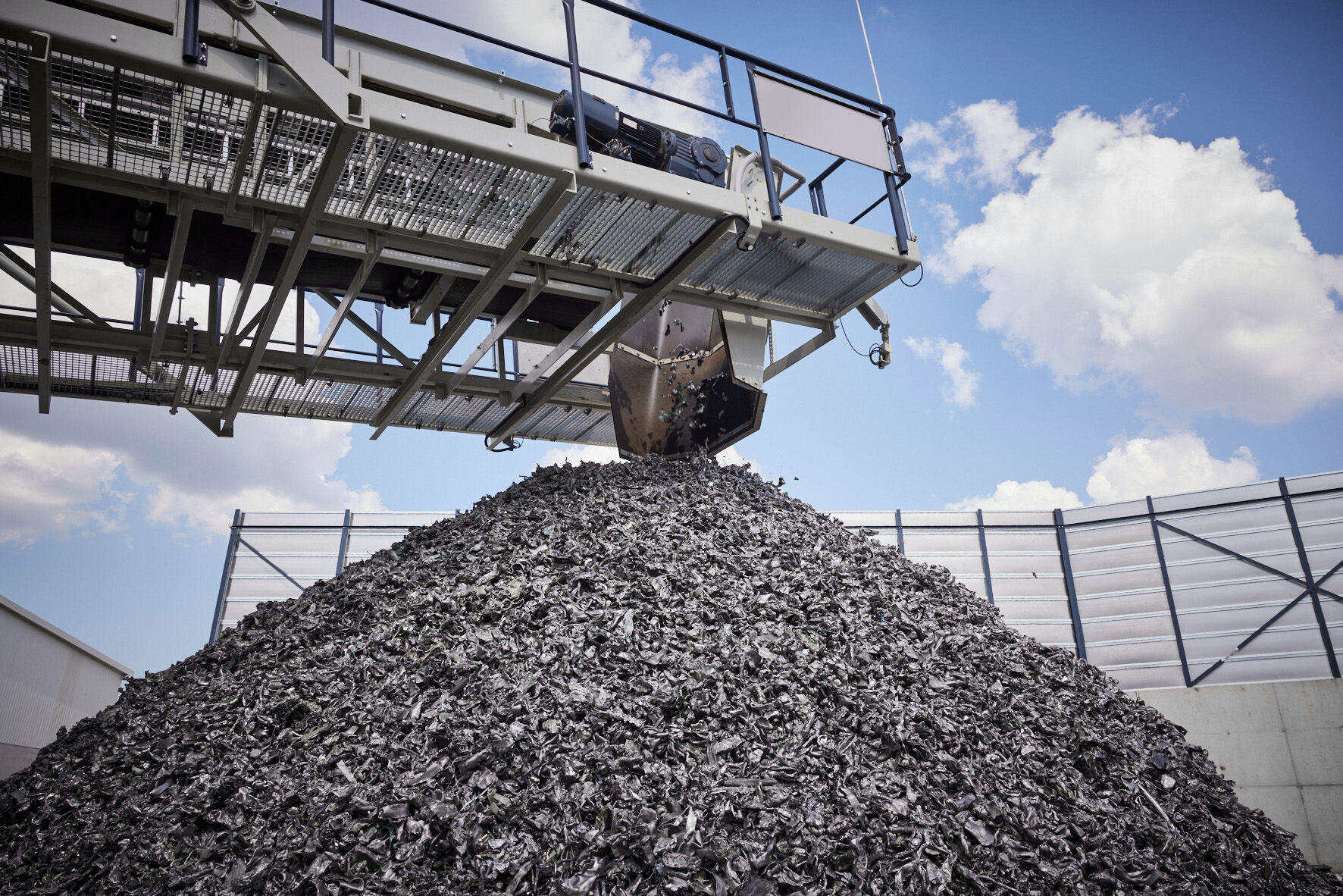
Circular economy: Audi secures strategic and cost-efficient supply of recycled raw materials
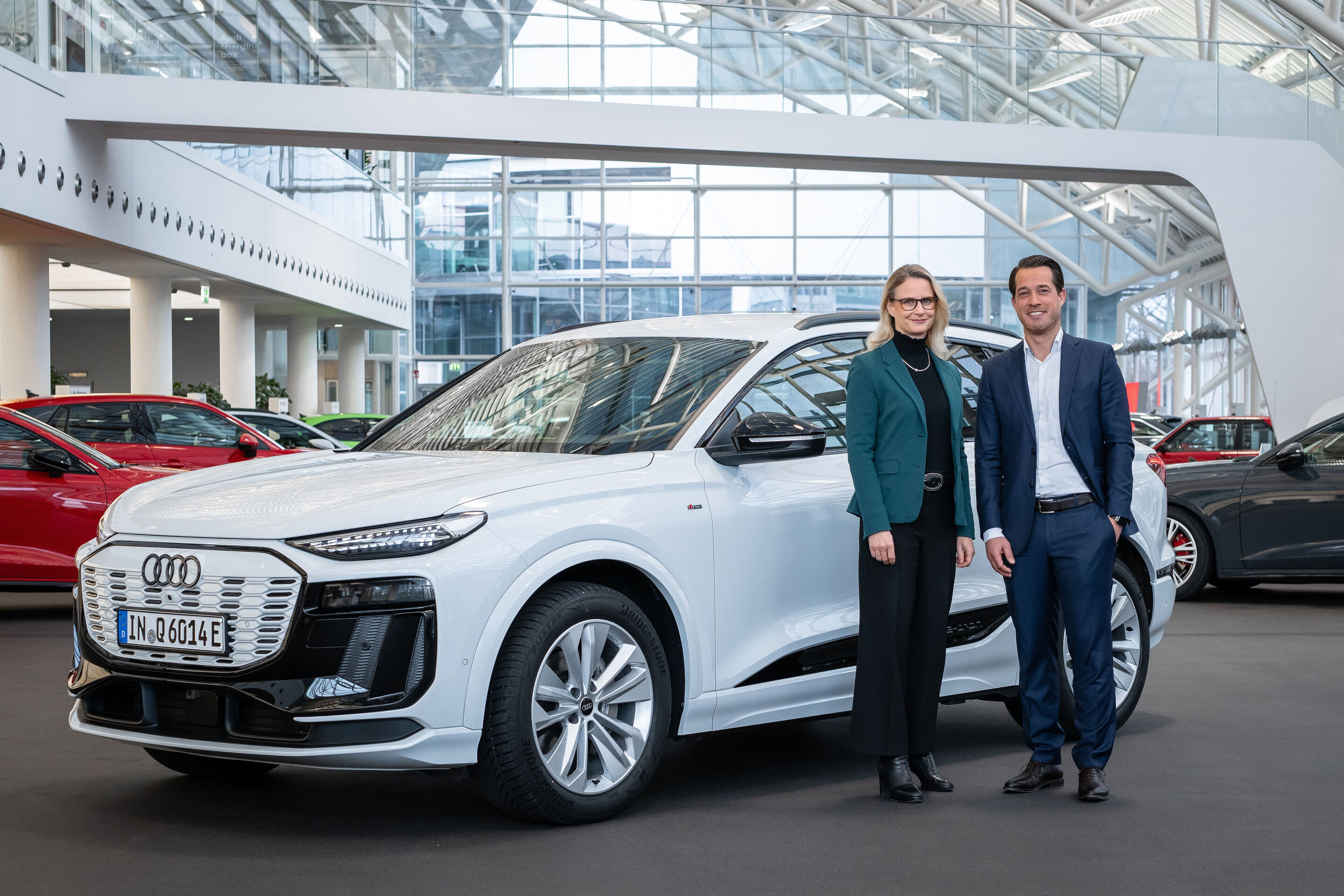
Audi establishes return concept for recyclates from end-of-life vehicles Unique in the industry: digital material account enables cost-efficient use of post-consumer secondary materials Board Member for Procurement Renate Vachenauer: “We are constantly working to increase the proportion of recycled materials in our vehicles. Audi demonstrates that sustainability and economics go hand in hand.”
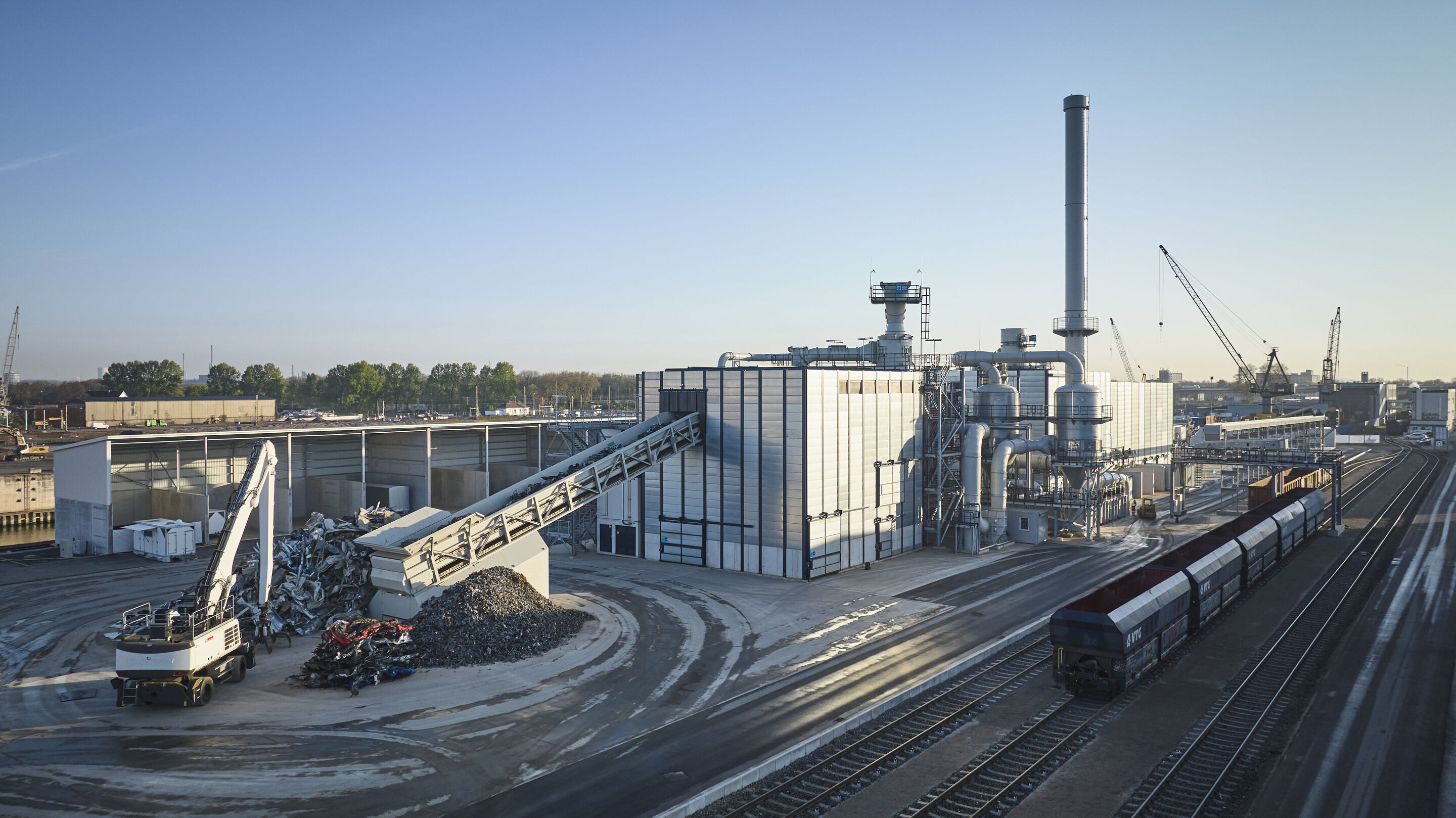
Audi reaches a milestone and continues to drive forward the circular economy in the automotive industry. The company wants to increase the use of secondary materials in vehicles where it is technically feasible and makes ecological and economic sense. The aim is to increasingly use raw materials for new purposes after their initial usage has ended. Audi has therefore been testing approaches to implement this in the MaterialLoop program since 2023. After initially focusing on technical feasibility, the company has now become the first car manufacturer to develop and implement an economically viable

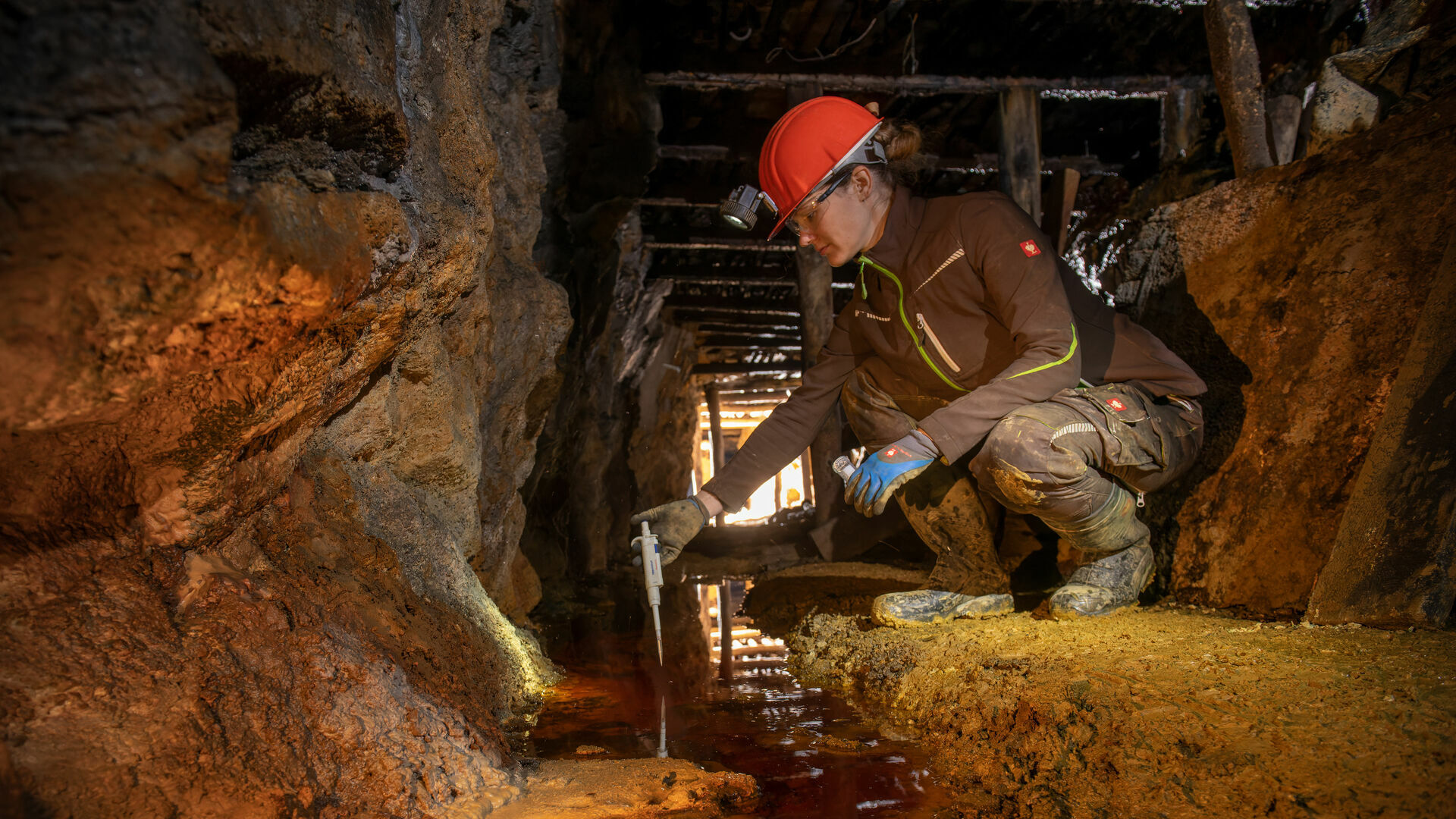
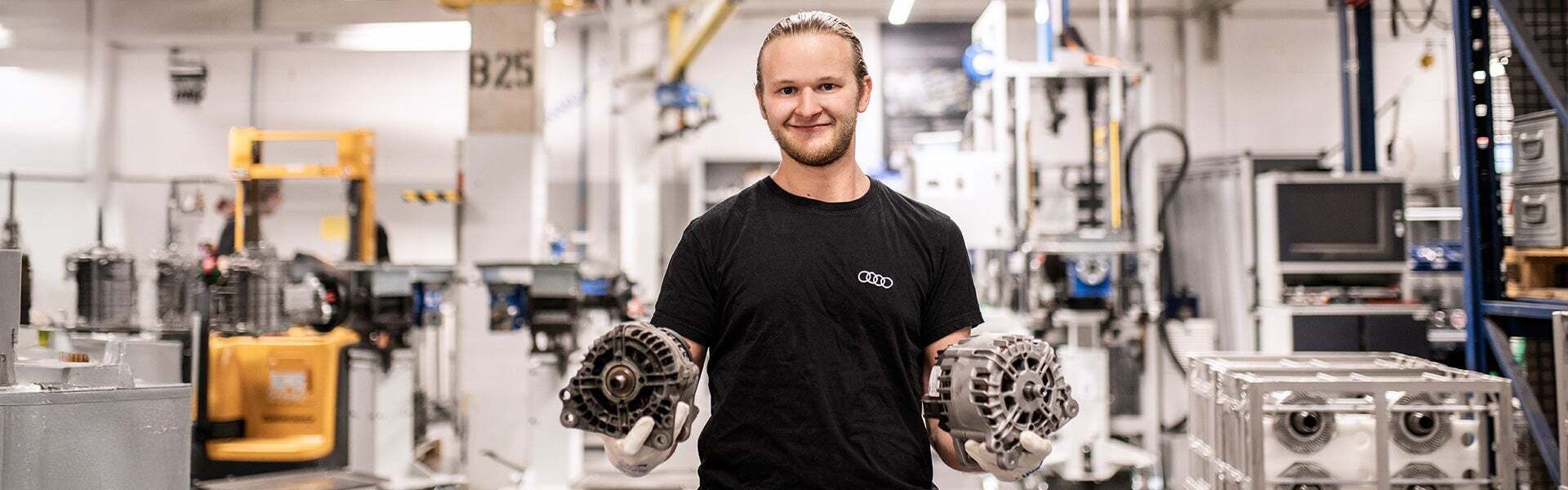
The circular economy in practice: Audi Genuine exchange parts
Audi Genuine Exchange Parts offer a resource-saving alternative to newly manufactured Audi Genuine Parts for selected components. They are an example of how AUDI AG is turning ideas for the circular economy into reality.
Audi is working to use resources more efficiently throughout the value chain and to embed the principle of the circular economy more firmly into the development, production and use of its vehicles . At the same time, Audi vehicles are subject to defined quality requirements. These take into account, among other things, a long service life and the ability to withstand sustained use. Should a part nonetheless need to be exchanged, Audi offers three different exchange options for selected parts: Brand new parts can be sourced by customers as Audi Genuine Parts. Audi Genuine Used Parts, on the other hand, are parts that are used but functional and can be resold without remanufacturing. Audi Genuine Exchange Parts are Audi Genuine Parts that have failed and been remanufactured

Stakeholder Management
stakeholders to include the fleet perspective to a greater extent in the future in the development of sustainability activities.
Dialogue formats for the circular economy
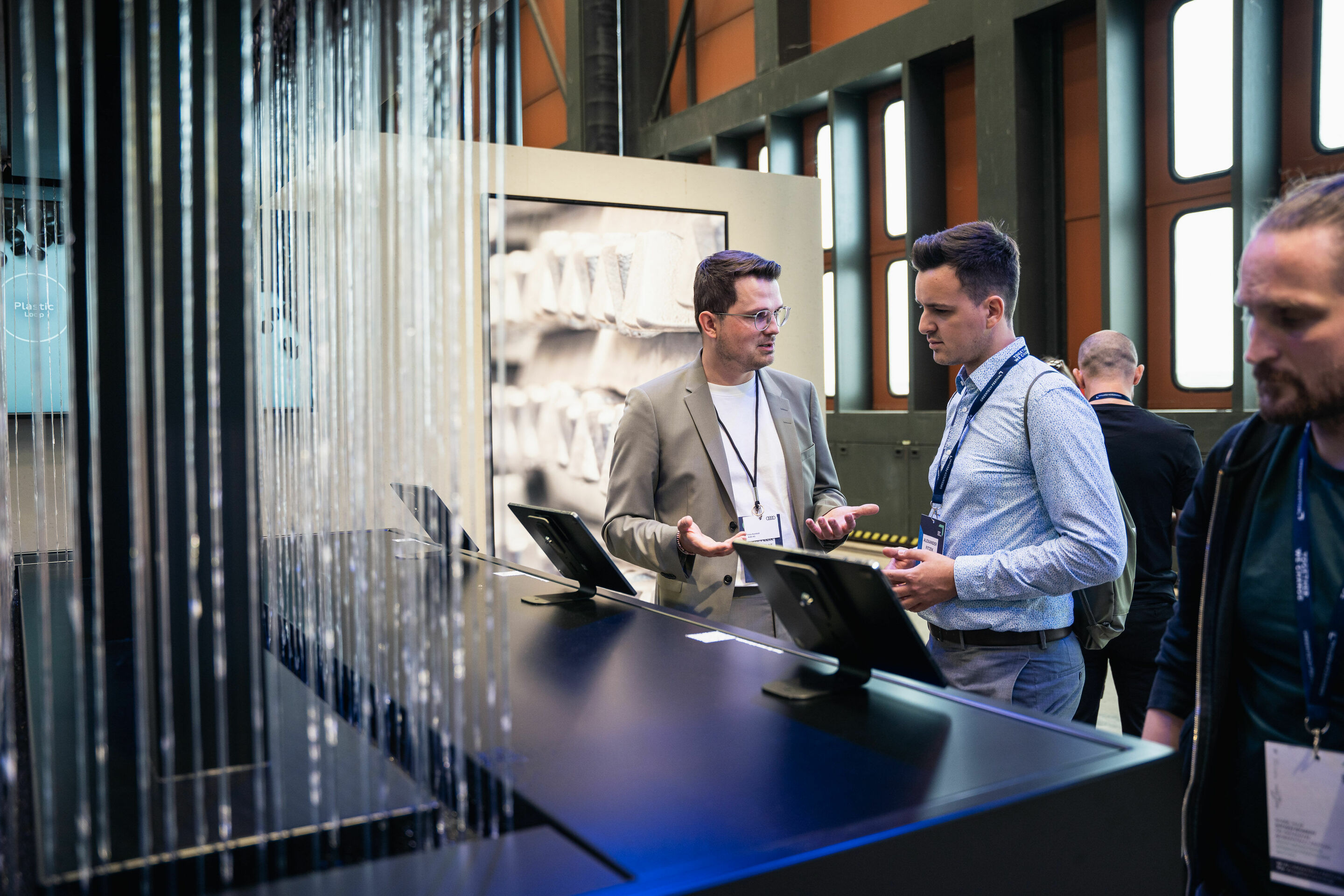
In the spring of 2025, Audi engaged with representatives from along the automotive value chain to gain a deeper understanding of how stakeholders interact with each other in the context of the circular economy. Key challenges in relation to the recirculation of end-of-life and damaged vehicles, requirements in respect of Design for Circularity and necessary validation processes were discussed and potential forms of collaboration explored. In addition, the Act4Impact Circular Economy Day took place during which specific use cases were analyzed, taking into account regulatory developments, and recommendations for Design for Circularity were derived. The hands-on Design for Circularity workshops focused on strategies for remanufacturing and recycling based on examples of key parts such as headlights or bumpers, supplemented by insights

Audi A2 e-tron: Rethinking efficiency
quality or customer experience. Audi is taking a new approach to materials in the A2 e-tron as well. Depending on the configuration, the Audi A2 e-tron features more than 300 components made from recycled materials, including steel, aluminum, and plastics. More than 100 components use post-consumer recycled materials. At the same time, Audi is designing components so that they can be recycled and reused more easily at the end of their life cycle. The A2 e-tron paints a picture of how the circular economy is to become an integral part of modern premium mobility in the future.
Efficiency in production
The A2 e-tron is not only an efficient vehicle; it also represents more efficient development and production processes. Audi brought its entry-level electric model to the road 21 months earlier than comparable predecessor models. This was made possible by streamlined development processes and greater vehicle maturity earlier in pre-series production. The A2 e-tron thus exemplifies how Audi

Act4Impact Playbook
Over the next pages, we will start by summarizing various statutory requirements as well as the basic expectations arising from our Code of Conduct for Business Partners and the Sustainability Rating process. Use the Act4Impact Playbook as a source of inspiration, a basis for discussion and guidance – together let’s build a robust and more sustainable supply chain. Together let us act as impact agents and make a real difference. 2 As supply chains are essential for achieving a more sustainable economy, working closely together makes all the difference. This is why we launched Act4Impact. The program unites suppliers to make an economic, ecological and social difference. By collaborating with more than 12,400 direct business partners around the globe, we want to develop solutions for our shared challenges. Our aim is to achieve positive change for a more sustainable future. The Act4Impact Playbook is a key aspect of this. It focuses on the three most important pillars of our sustainability
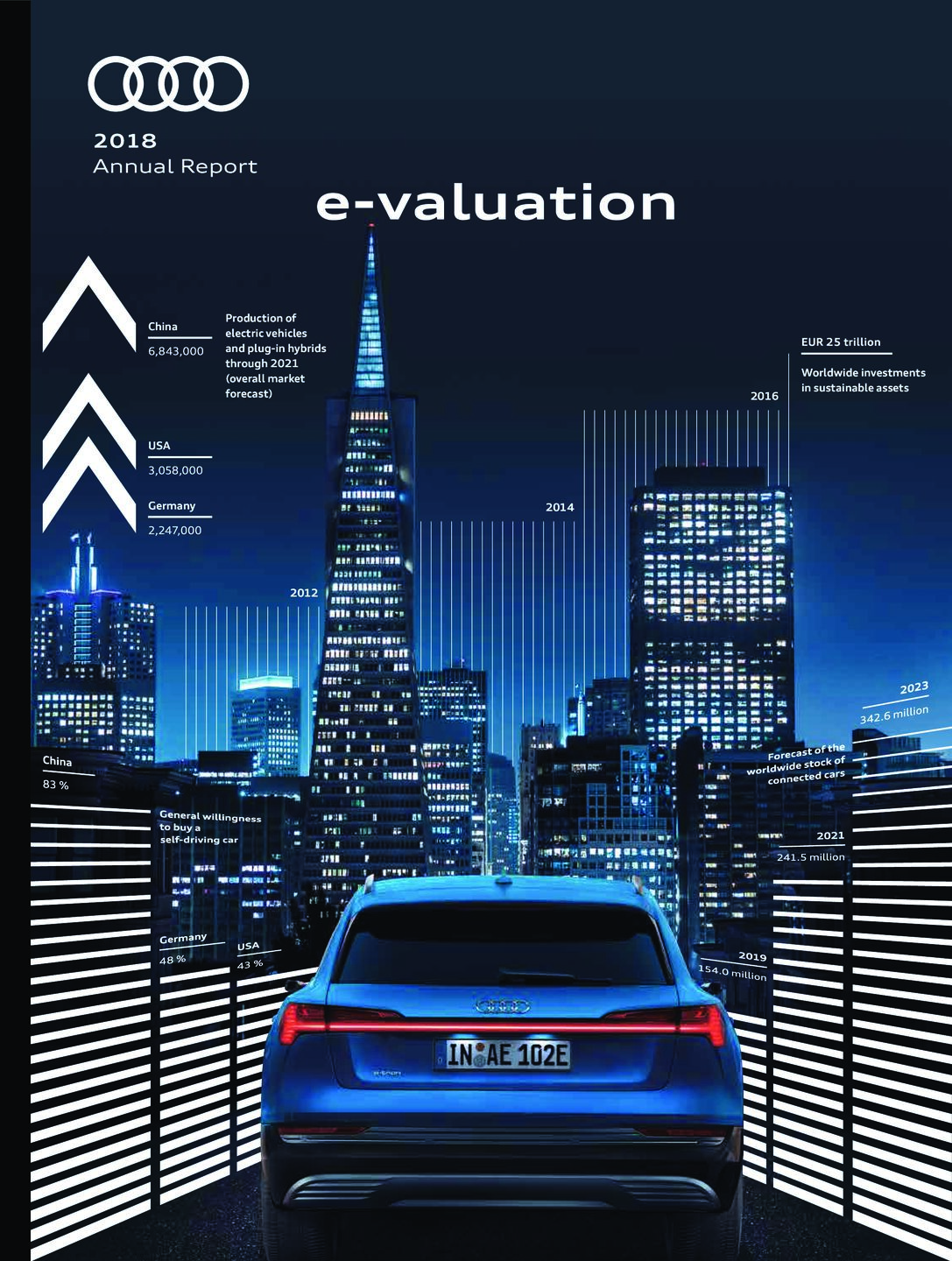
Audi Annual Report 2018
Urus catapults Lamborghini for ward� 44 – 45 audi.com/talking-business https://www.audi.com/en/company/investor-relations/talking-business.html Report of the Super visor y Board� 84 – 88 Combined Management Report� 89 – 172 Consolidated Financial Statements of the Audi Group� 173 – 260 Future market China 46 – 53 Rethinking respon- sibility 62 – 67 Open to new technologies: “Vorsprung” in Chinese� 54 – 57 Out and about in the smart cit y: Always on� 58 – 61 In the loop: Audi promotes the circular economy� 68 – 71 Next? IT! Audi and Microsof t in dialogue� 72 – 75 Retail in transformation? Retailers in transformation!� 76 – 81 Finances What drives us: projects of the Board of Management » My aspiration: To set new standards with Audi. We are currently in a challenging phase. Our sustainable economic success, our profitability and our future viability are at stake. That is why 2019 is the year of new beginnings for us. We at Audi are all pitching in and giving our company and the brand with
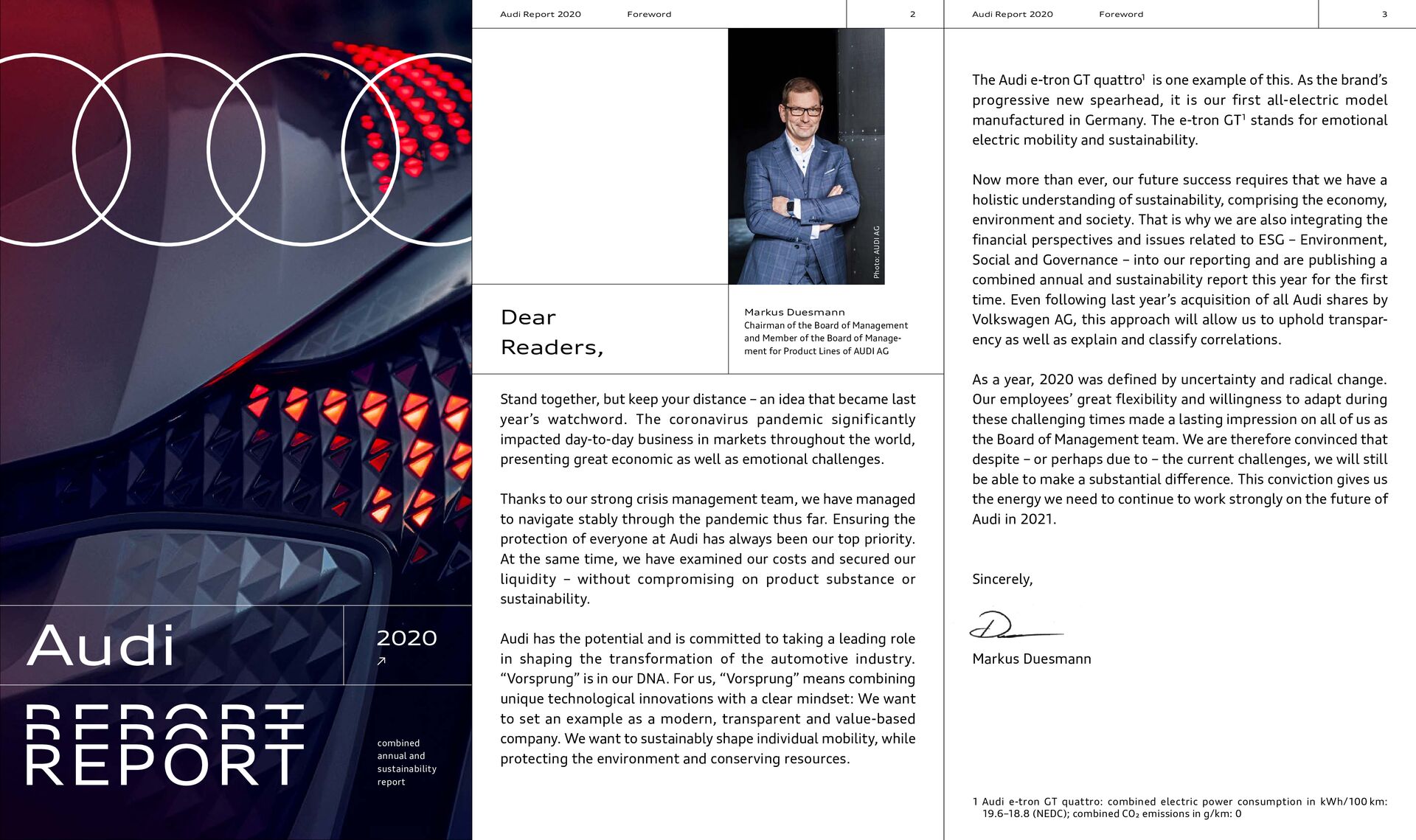
Audi Report 2020
presents the company’s financial position, strategic direction and ESG activities.
REPORTREPORTREPORT Audi 2020 combined annual and sustainability report The Audi e-tron GT quattro1 is one example of this. As the brand’s progressive new spearhead, it is our first all-electric model manufactured in Germany. The e-tron GT1 stands for emotional electric mobility and sustainability. Now more than ever, our future success requires that we have a holistic understanding of sustainability, comprising the economy, environment and society. That is why we are also integrating the financial perspectives and issues related to ESG – Environment, Social and Governance – into our reporting and are publishing a combined annual and sustainability report this year for the first time. Even following last year’s acquisition of all Audi shares by Volkswagen AG, this approach will allow us to uphold transparency as well as explain and classify correlations. As a year, 2020 was defined by uncertainty and radical change