The circular economy in practice: Audi Genuine exchange parts
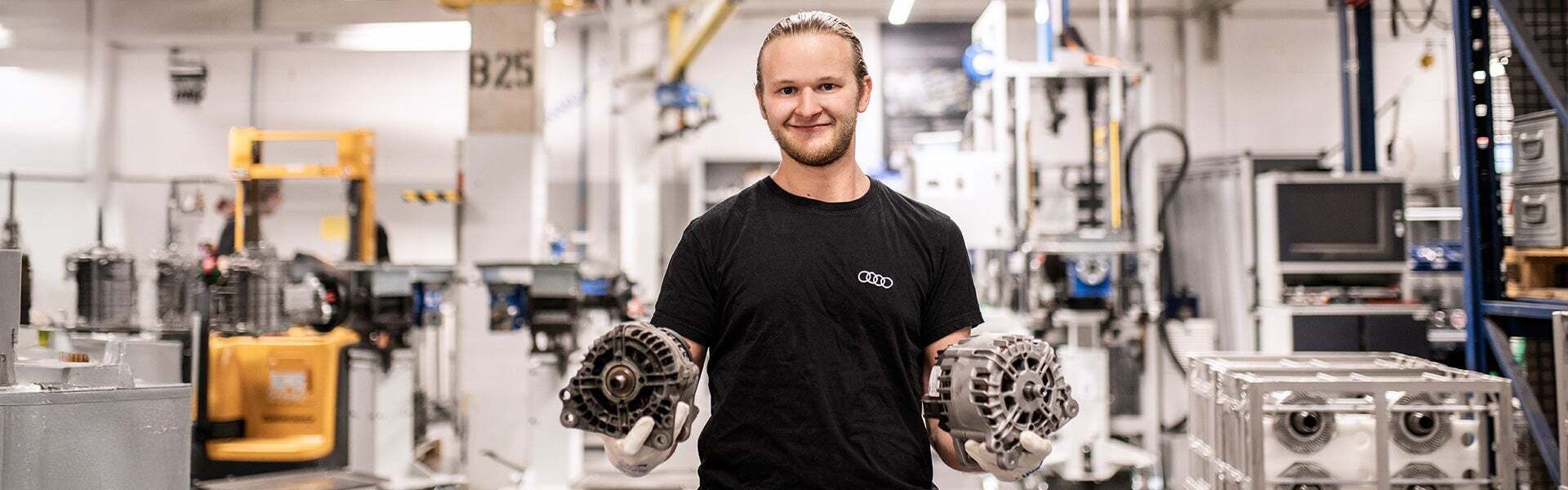
Audi Genuine Exchange Parts offer a resource-saving alternative to newly manufactured Audi Genuine Parts for selected components. They are an example of how AUDI AG is turning ideas for the circular economy into reality.
Audi is working to use resources more efficiently throughout the value chain and to embed the principle of the circular economy more firmly into the development, production and use of its vehicles . At the same time, Audi vehicles are subject to defined quality requirements. These take into account, among other things, a long service life and the ability to withstand sustained use. Should a part nonetheless need to be exchanged, Audi offers three different exchange options for selected parts:
- Brand new parts can be sourced by customers as Audi Genuine Parts.
- Audi Genuine Used Parts, on the other hand, are parts that are used but functional and can be resold without remanufacturing.
- Audi Genuine Exchange Parts are Audi Genuine Parts that have failed and been remanufactured. Customers are only given these remanufactured vehicle parts in exchange for a defective part. Ideally, a defective part is exchanged for a remanufactured part. If, in a particular case, it is not directly possible to remanufacture old parts as part of the Audi Genuine Exchange Parts program, they are replaced with new parts (Audi Genuine Parts).
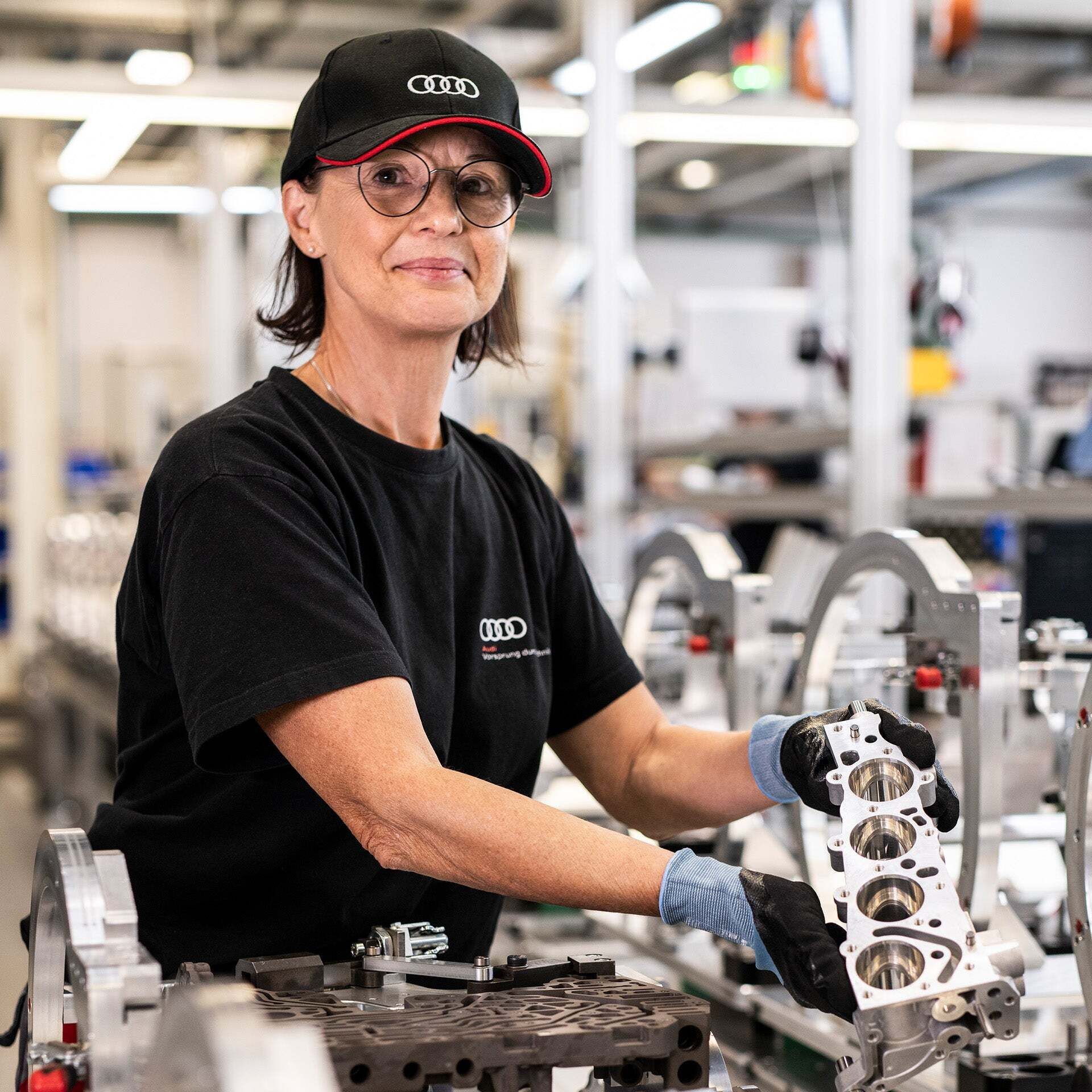
Industrial remanufacturing in line with Audi quality standards
Industrial remanufacturing of Audi Genuine Exchange Parts is carried out in accordance with internally defined Audi testing and approval criteria. Defective components and wearing parts are initially replaced in the remanufacturing process. The remanufactured part is then tested according to defined quality criteria and only approved for reuse if it passes this test. As with new parts, Audi Genuine Exchange Parts come with a 24-month warranty.
Industrial remanufacturing of defective parts is a key element of the circular economy. The concept extends the different programs offered by the company to promote the principle of the circular economy along the entire value chain. Remanufacturing allows renewed use of a variety of components within selected parts. Audi Genuine Exchange Parts are on average 20 percent less expensive than new parts (Audi Genuine Parts) and are generally available immediately, meaning no wait times for customers.
Audi Genuine Exchange Parts are currently available in 89 markets. The availability of individual product groups may vary depending on the market, model and component. The range includes selected remanufactured powertrain components and electronic parts and has been expanded for certain models and markets to include remanufactured electric motors and Audi virtual cockpits. Remanufacturing is carried out in accordance with defined technical testing and quality processes. Catalytic converters and diesel particulate filters are not used as remanufactured exchange parts but are replaced where necessary. They are transferred to recycling companies so that recoverable material fractions can be reclaimed in accordance with applicable legal requirements and made available for further industrial recycling processes.
Powertrain remanufacturing enters e-mobility
Audi has decades of experience in remanufacturing parts. For more than 70 years, remarkable advances have been made in the remanufacturing of powertrains at the Audi plant in Ingolstadt. This division has already remanufactured more than 7.7 million used powertrains for the Volkswagen Group’s spare parts business, which are also used in other Group brands.In 2023, Audi saved significant quantities of raw materials and components by remanufacturing powertrains at the Ingolstadt site:
230
tons of steel
80
tons of copper
85
tons of aluminum
5.000
control units (electronic waste)
5.000
electric motors