Audi Q3
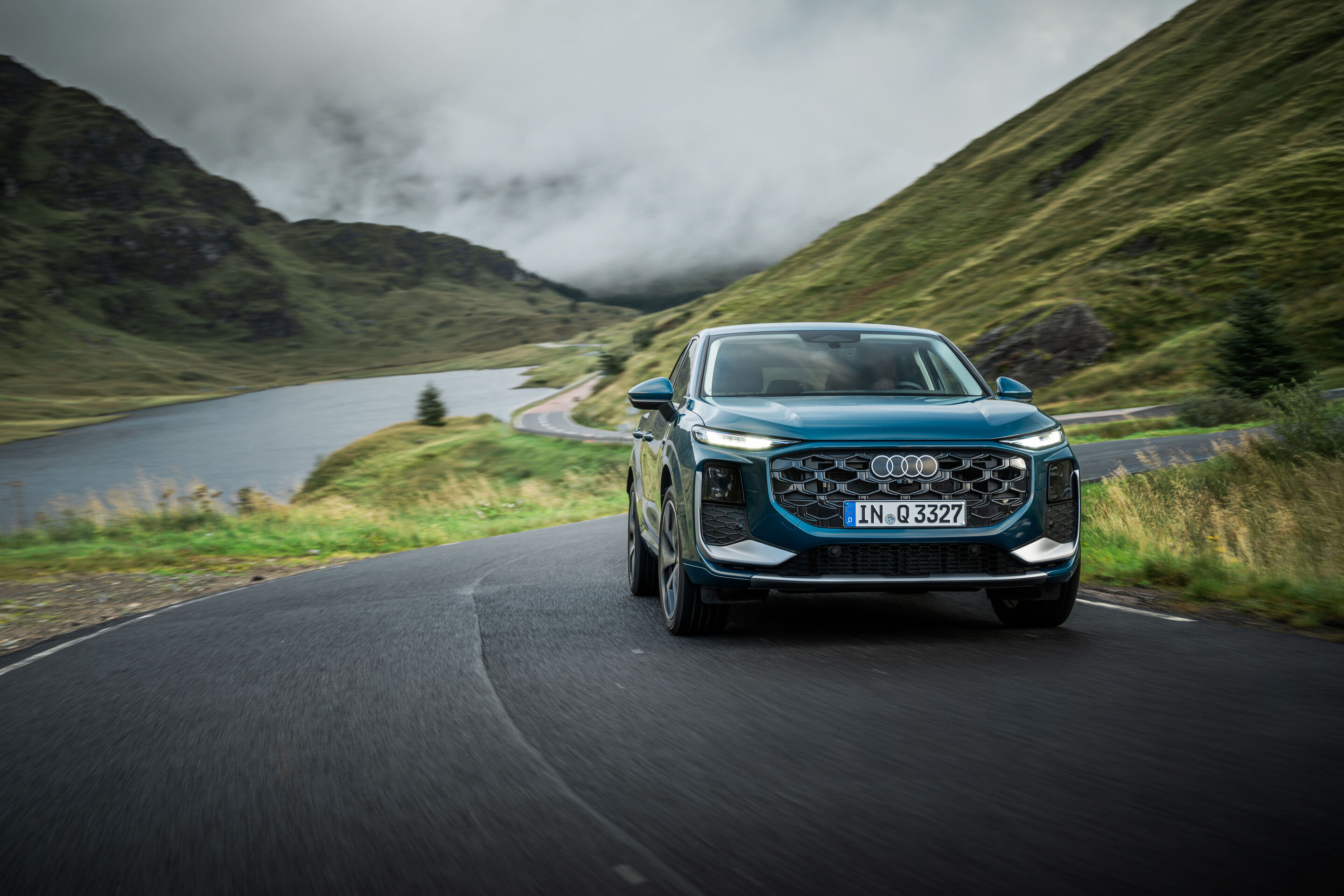
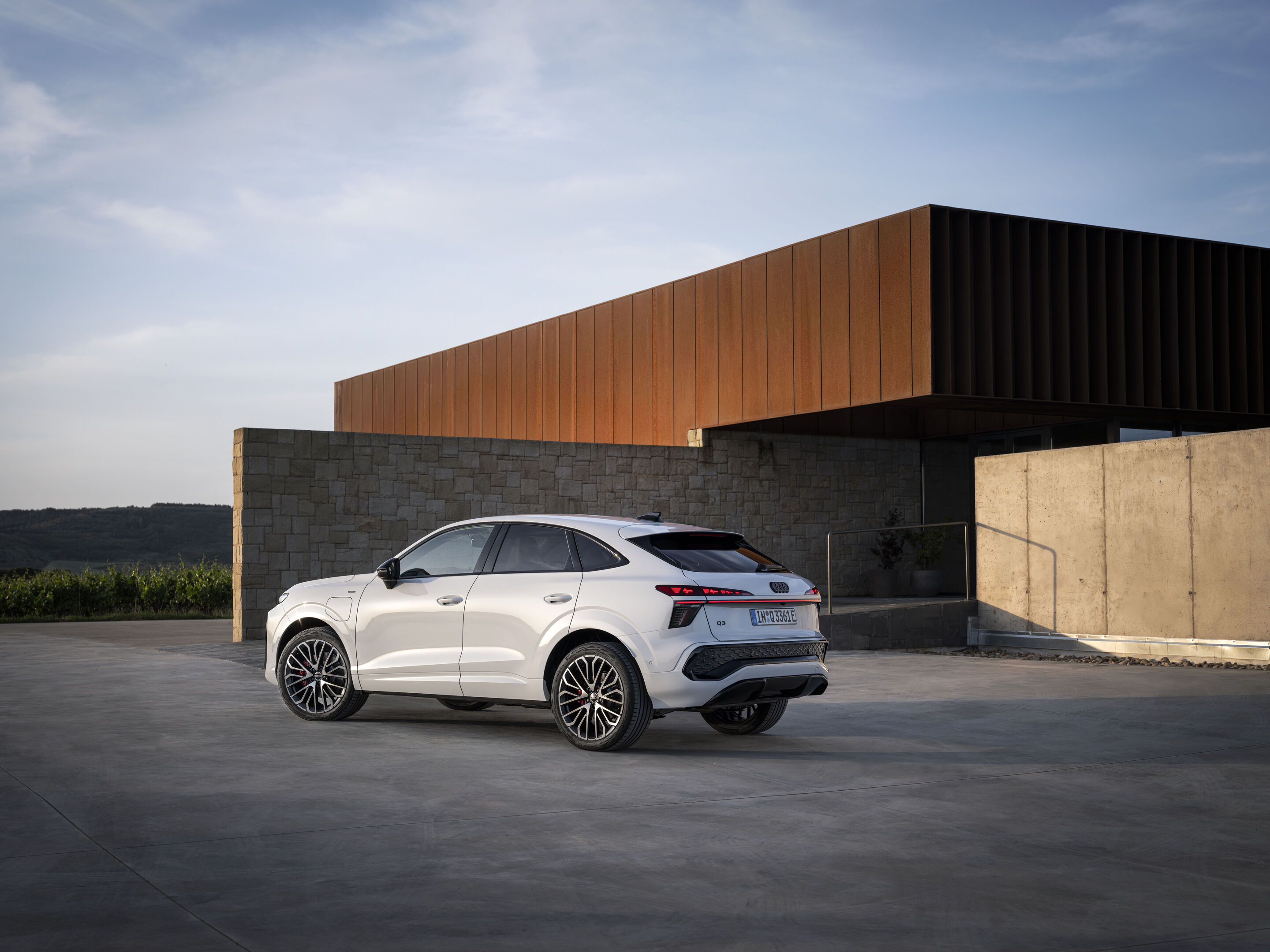
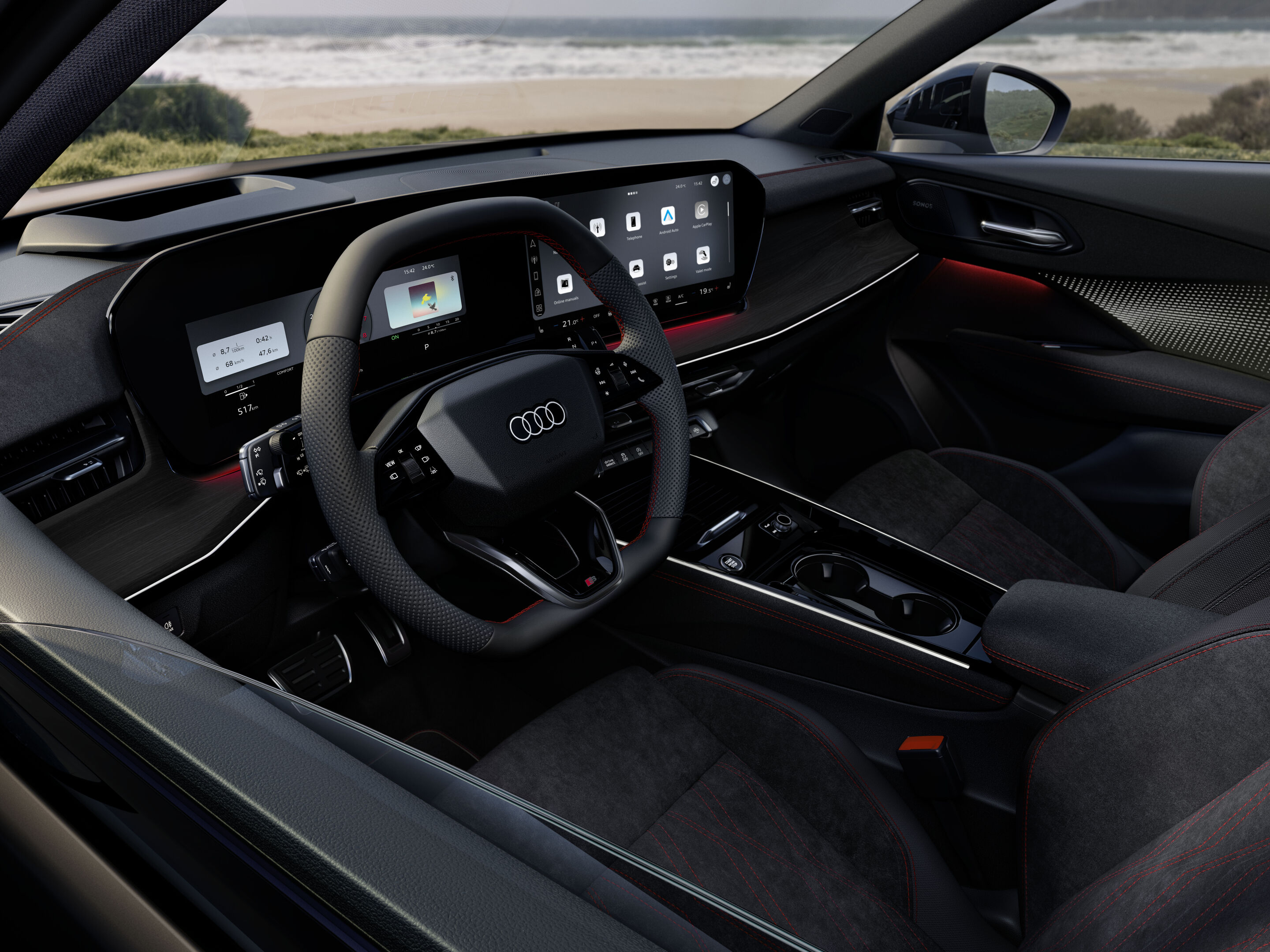
The new Audi Q3 represents the third generation of the compact SUV. Its design features distinctive proportions and dynamic lines. Driver assistance systems and lighting technology support drivers in everyday use. Inside, the redesigned steering wheel control unit introduces new operating functions while creating additional storage space and a more open interior feel.
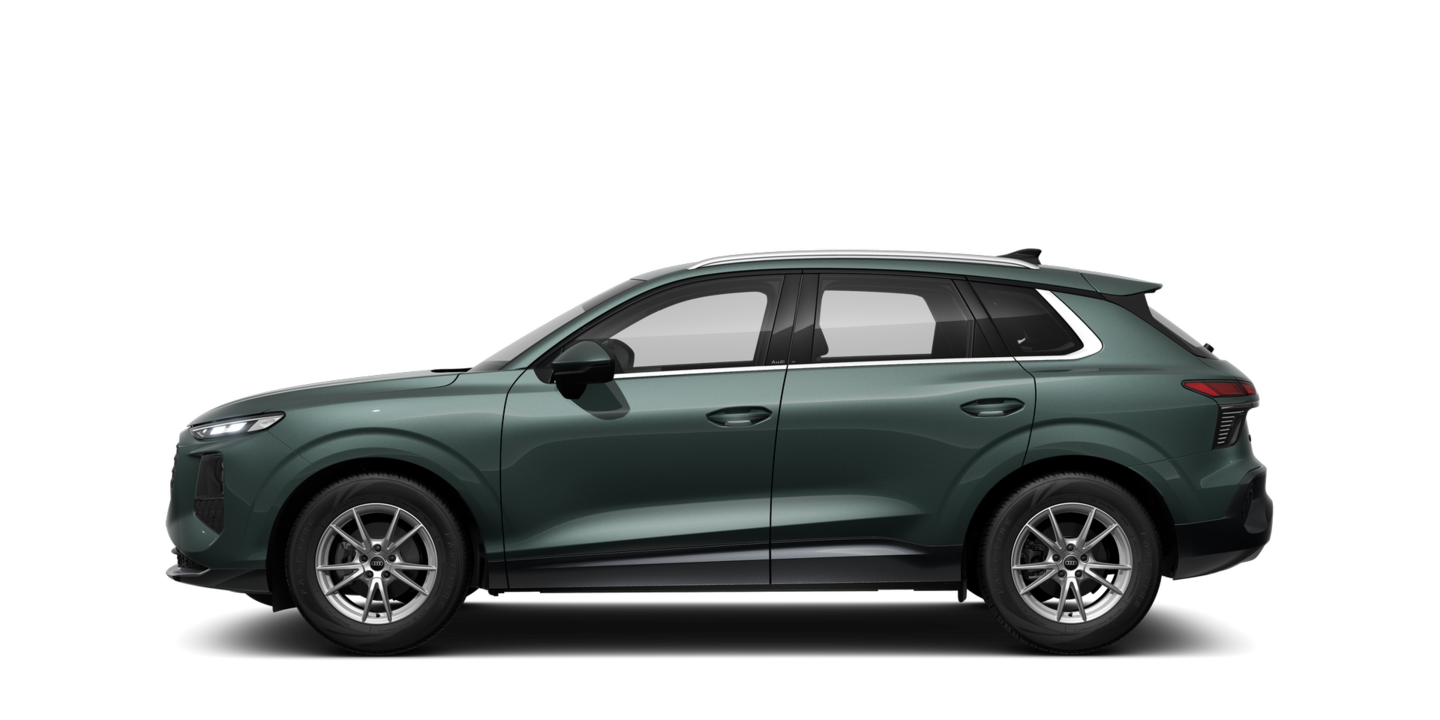
Q3 SUV
Fuel consumption (combined)*: 9.0–5.3 in l/100 km; CO2 emissions (combined)*: 204–138 in g/km; CO2 classes*: G–E
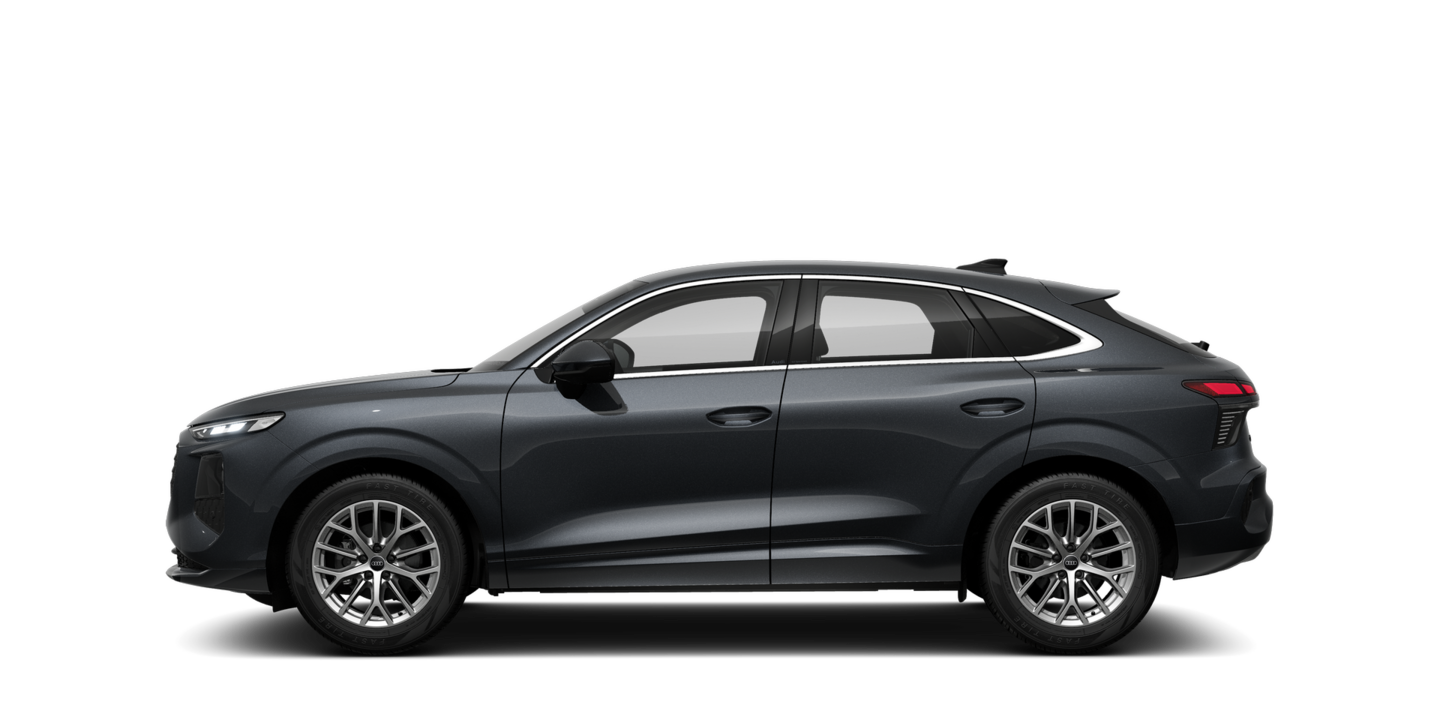
Q3 Sportback
Fuel consumption (combined)*: 9.0–5.3 in l/100 km; CO2 emissions (combined)*: 205–138 in g/km; CO2 classes*: G-E
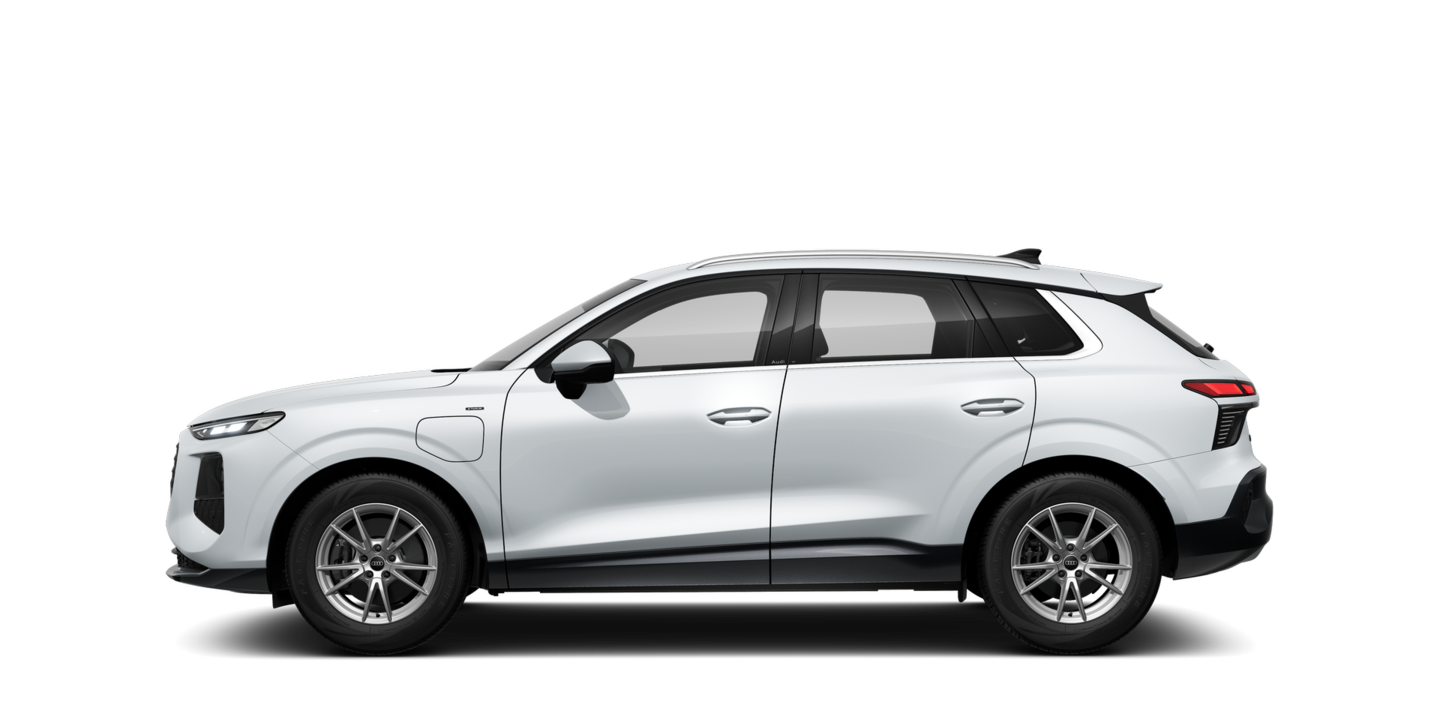
Q3 SUV e-hybrid
Fuel consumption (weighted, combined)*: 2.1–1.7 l/100 km; power consumption (weighted, combined)*: 14.9–13.9 kWh/100 km; CO2 emissions (weighted, combined)*: 49–39 g/km; CO2 class (weighted, combined)*: B; Fuel consumption on discharged battery (combined)*: 6.6–5.9 l/100 km; CO2 class on discharged battery*: E – D
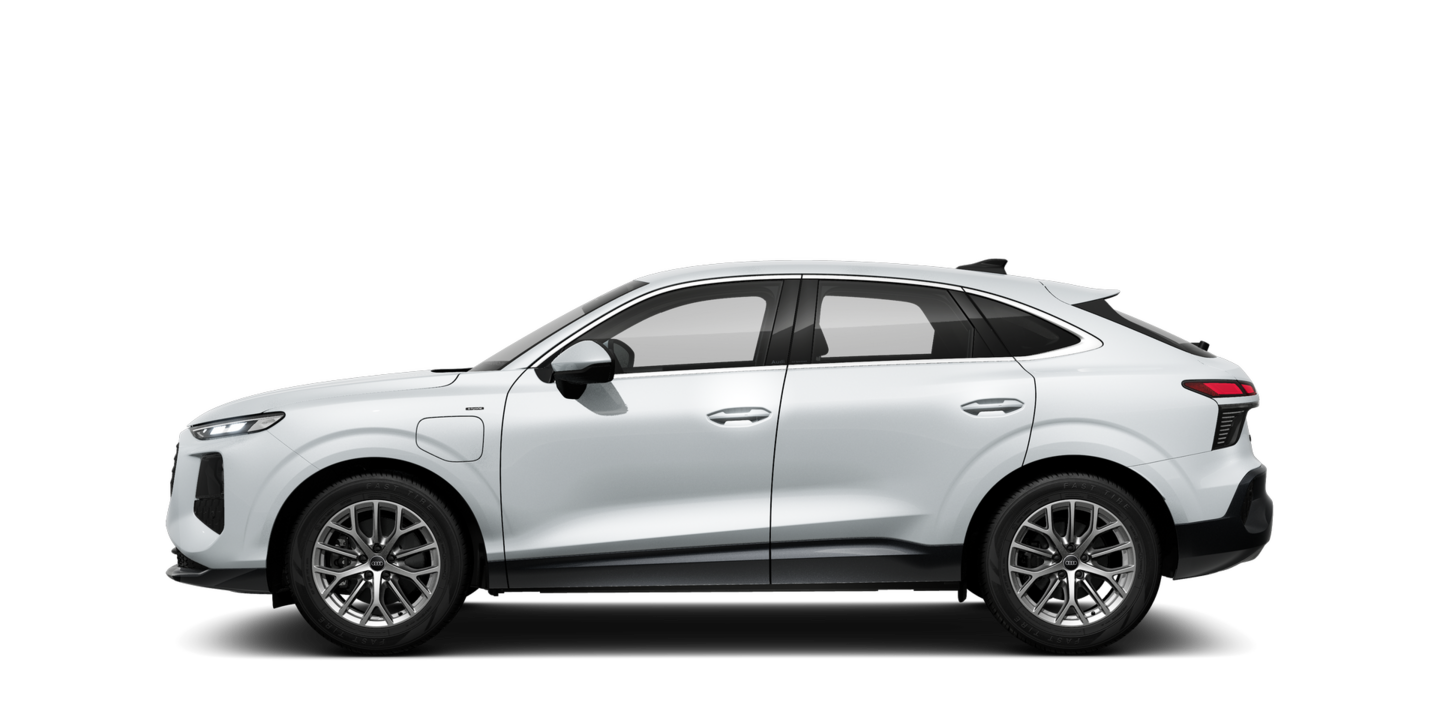
Q3 Sportback e-hybrid
Fuel consumption (weighted, combined)*: 2.2–1.7 l/100 km; power consumption (weighted, combined)*: 15.0–14.0 kWh/100 km; CO2 emissions (weighted, combined)*: 50–39 g/km; CO2 class (weighted, combined)*: B; Fuel consumption on discharged battery (combined)*: 6.7–6.0 l/100 km; CO2 class on discharged battery*: E
You might also be interested in
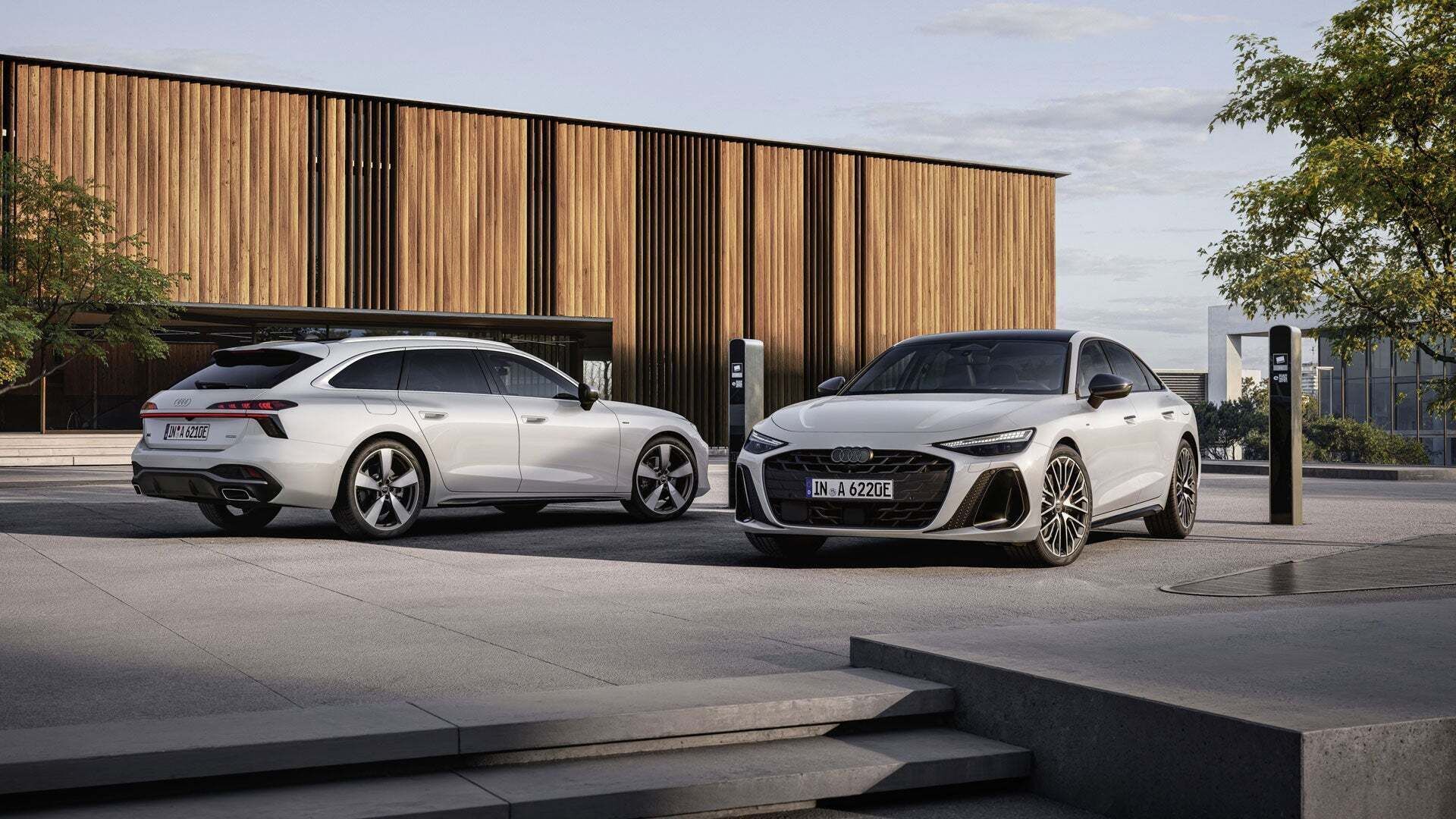
Media set
-
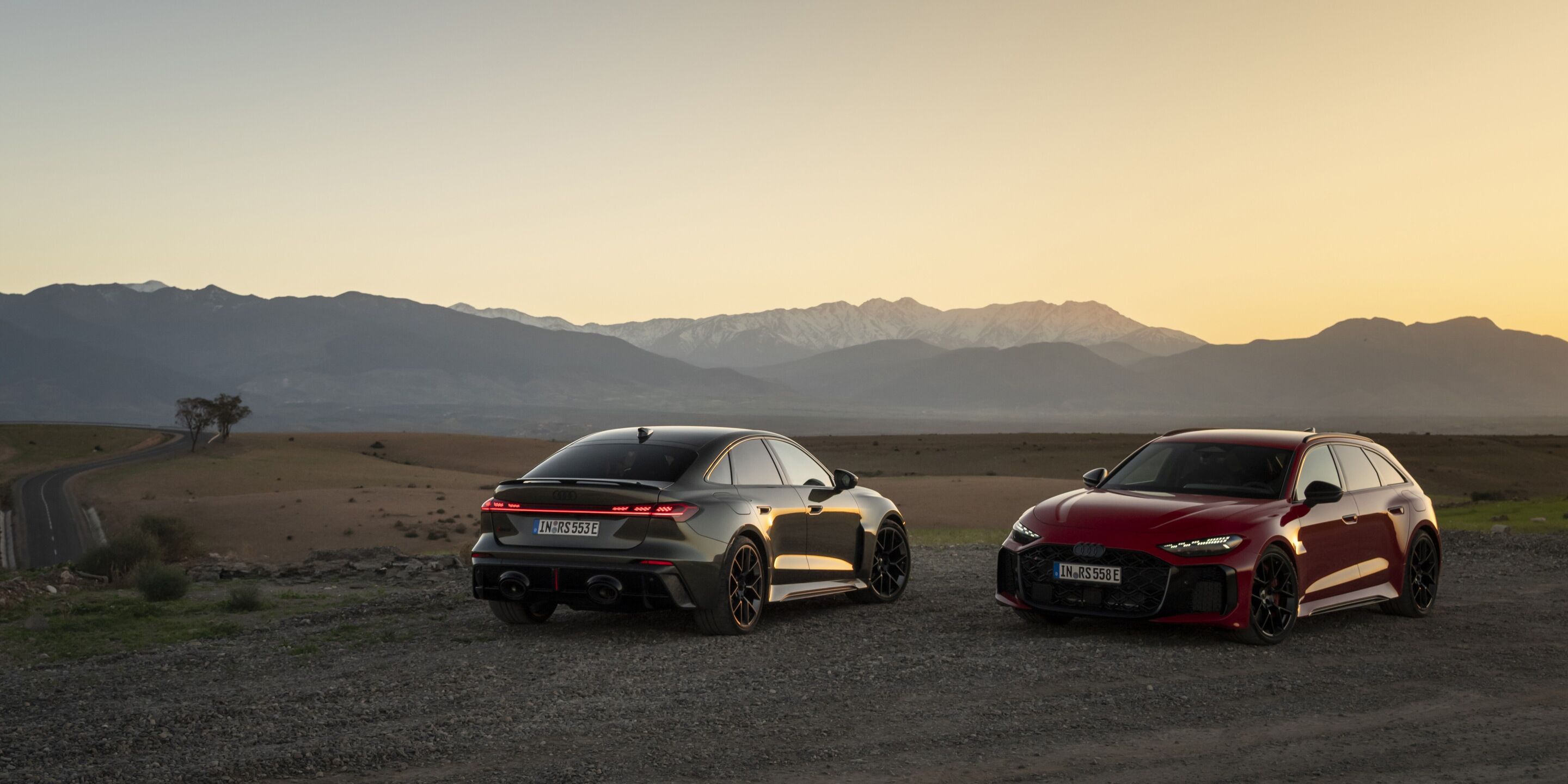
Maximum flexibility: Audi’s plug-in hybrids
In addition to fully electric vehicles, Audi is also focusing on plug-in hybrids. The new e-hybrid models combine electric efficiency with traditional combustion-engine technology. This makes them especially versatile and well-suited for everyday use. Short distances can be covered locally with zero emissions and near-silent electric driving, while the combustion engine ensures range and convenience on longer trips. The intelligent and efficient mix of drive types enables a sporty yet comfortable driving experience.