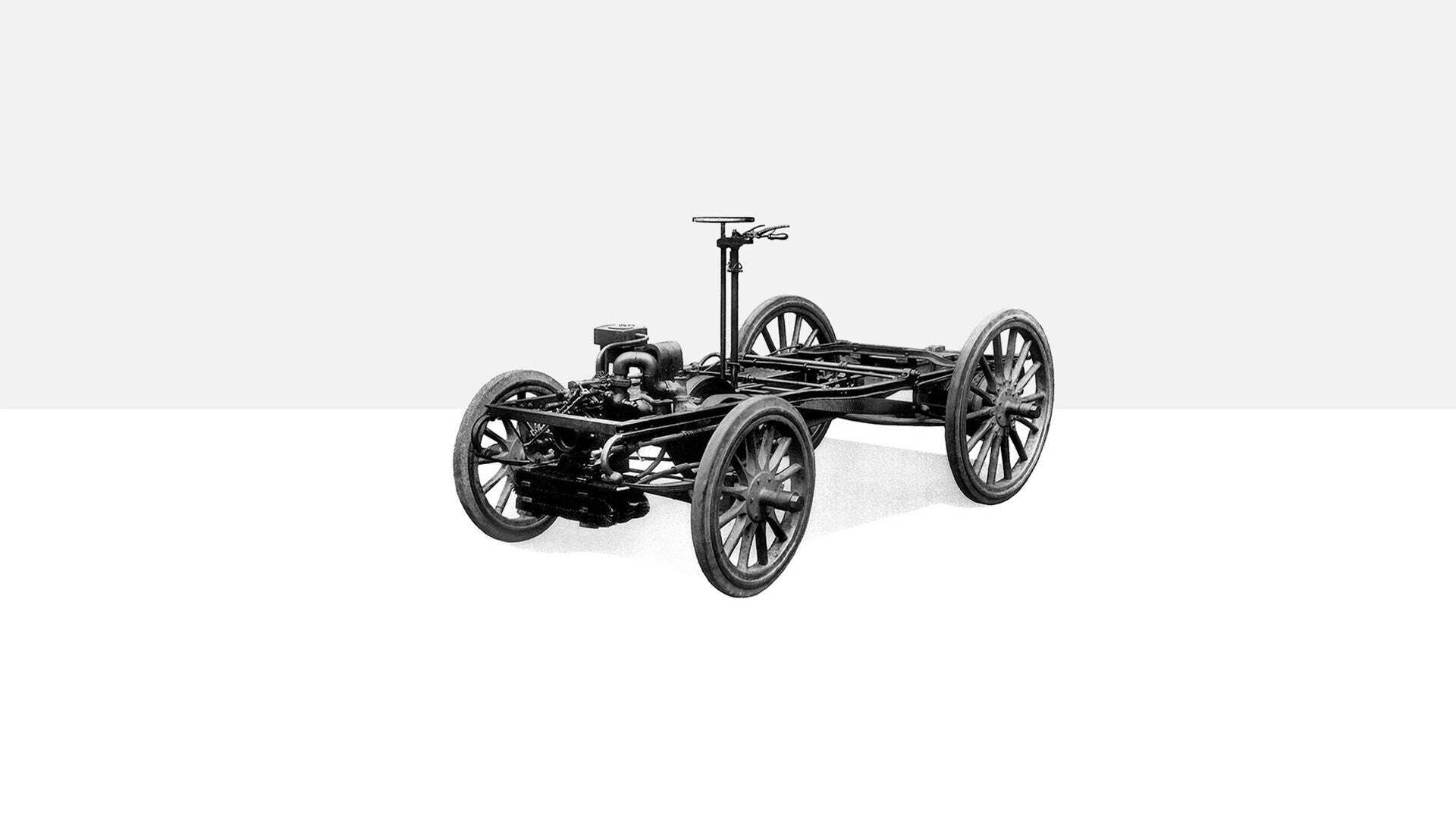
The beginnings
At the beginning of the 20th century, the motorcar began its triumphant advance as a means of private transport. At first, it was sold in small numbers to adventurous enthusiasts, and later to the financially strong upper classes. It was only gradually that smaller vehicles began to win out over the strong competition from motorized two-wheelers.
The Horch No. 1 (1900-1901)
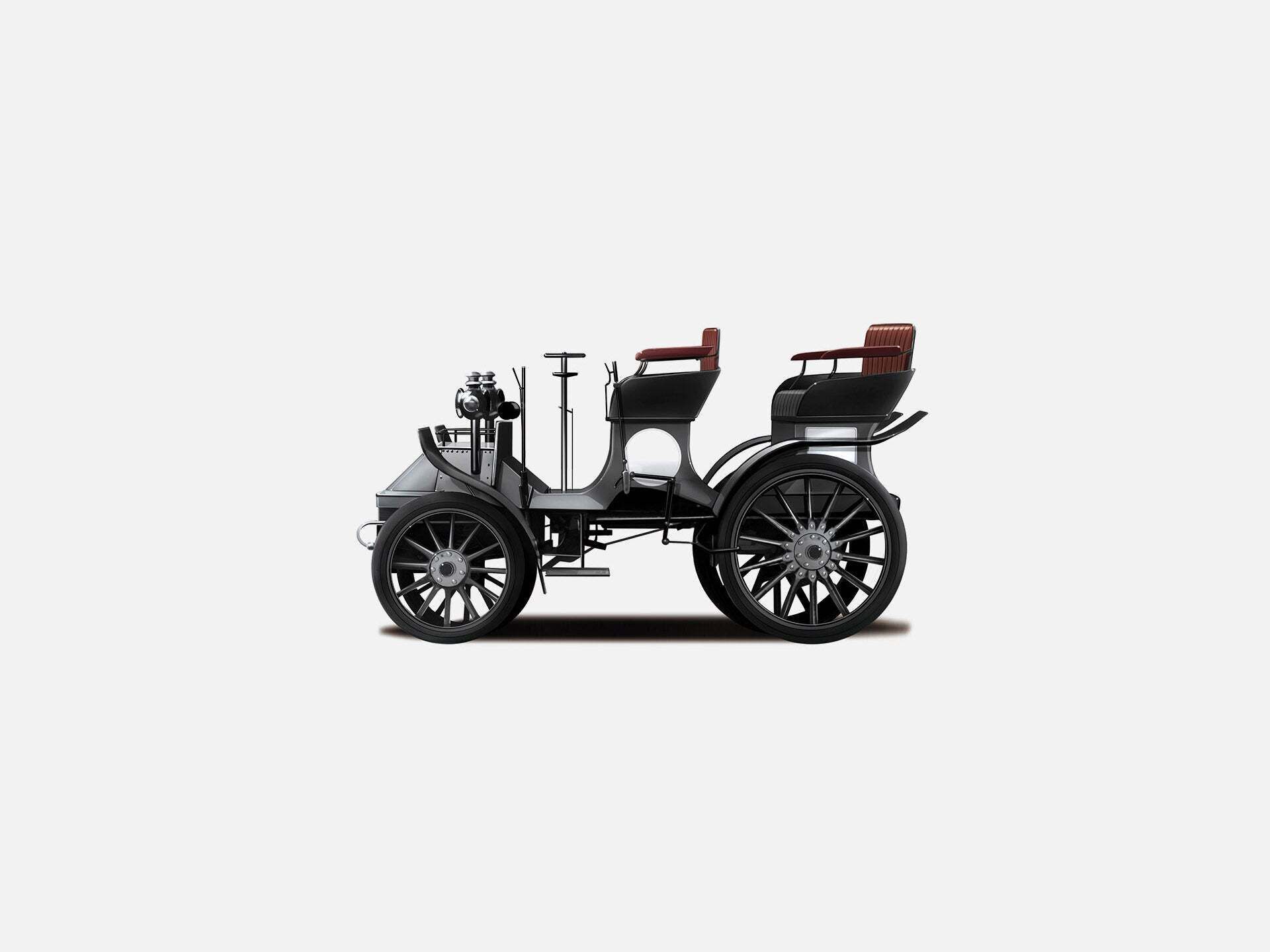
In 1900, August Horch developed his first car. The oldest ancestor of today’s Audi models featured a smooth-running two-cylinder engine, belt drive and evaporative cooler. It laid the foundation for a unique history.
Horch No. 1:
- Engine: Petrol engine, 2 cylinders with one combustion chamber
- Power output: 4.8–5 PS
- Top speed: 30–32 km/h
Audi Type C Alpine Champion (1911-1925)
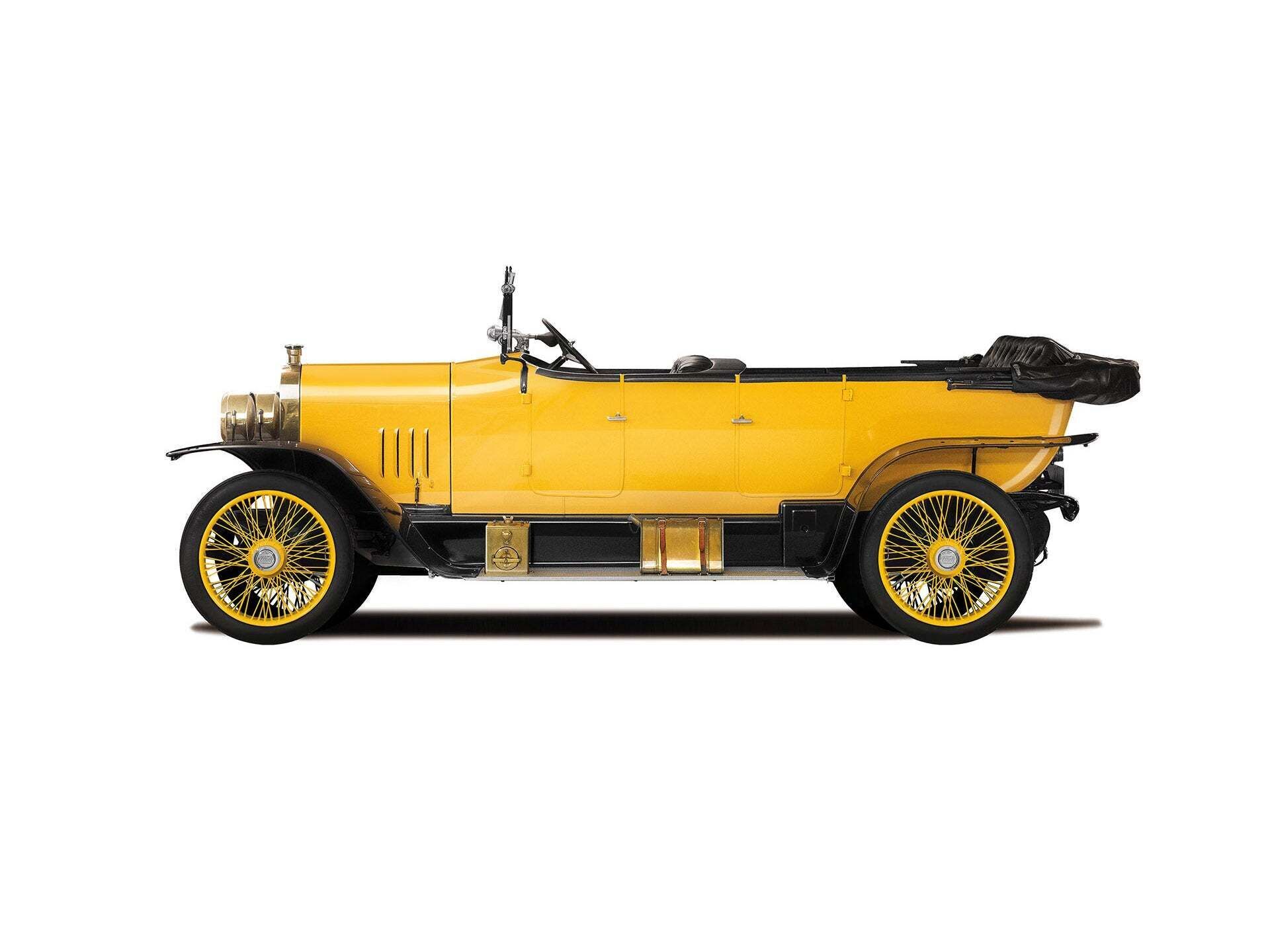
The Audi Type C earned the nickname “Alpine Champion” because its reliability and technical superiority enabled it to achieve several successes in the legendary Austrian Alpine Rally between 1912 and 1914.
Audi 14/35 PS Type C:
- Engine: Petrol engine, 4 inline cylinders
- Displacement: 3,562 cm³
- Power output: 35 PS at 1,700 rpm
- Top speed: 80–90 km/h
- Length/width/height: 4,280/1,650/1,500 mm (Phaeton)
- Unladen weight: 1,300 kg (Phaeton)
Audi Type R Imperator (1927-1929)
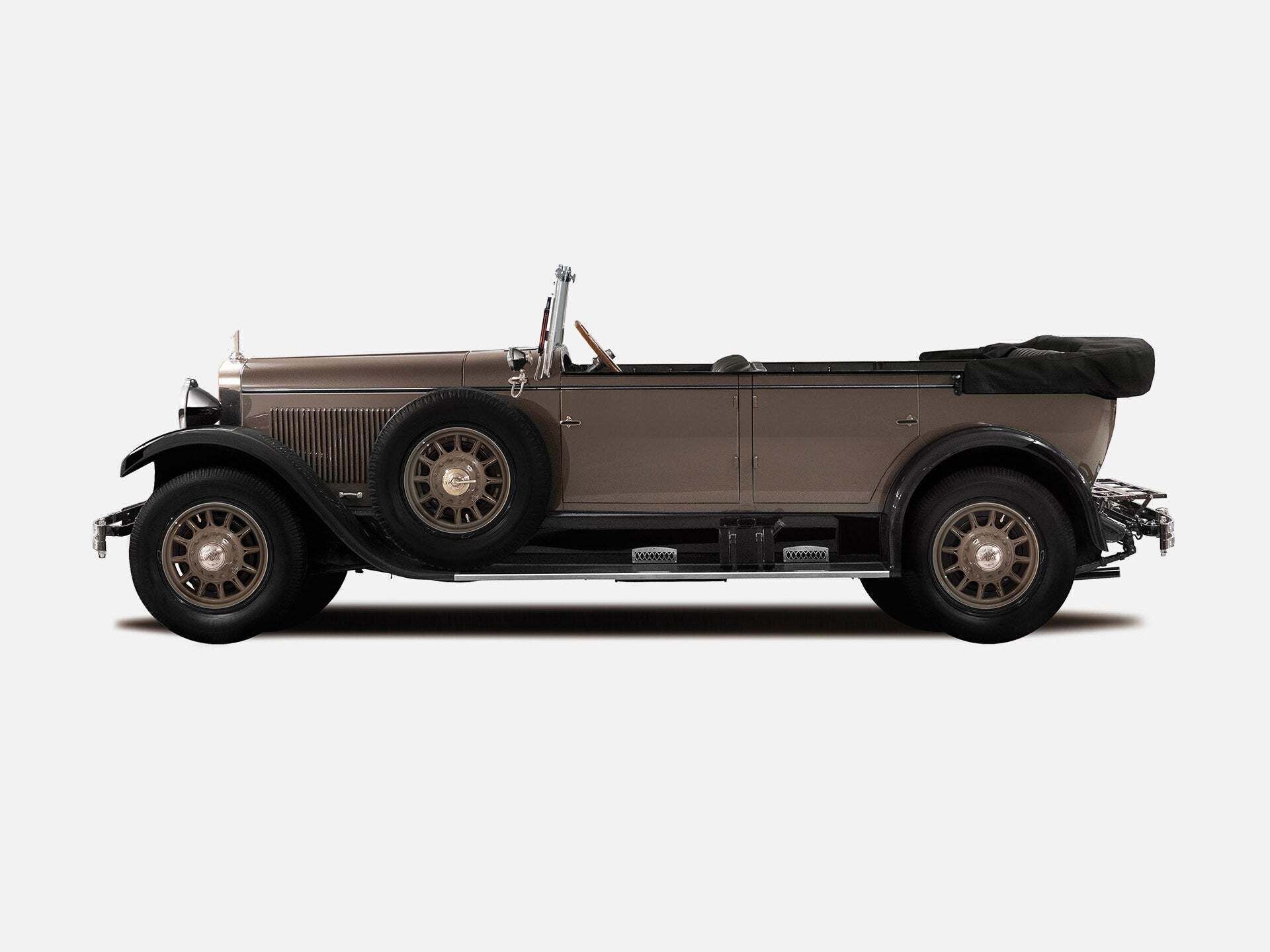
This luxury car was the first Audi model to be equipped with an eight-cylinder engine and had truly impressive specifications. Its inline engine with a displacement of 4.9 litres had an output of 100 PS, enabling it to reach a remarkable top speed of 120 km/h. It was produced in various body styles.
Audi 19/100 PS Type R Imperator:
- Engine: Petrol engine, 8 inline cylinders
- Displacement: 4,872 cm³
- Power output: 100 PS at 3,300 rpm
- Top speed: 120 km/h
- Length/width/height: 5,160/1,780/1,930 mm
- Unladen weight: 2,100 kg (Pullman saloon)
DKW Front F 1 (1931-1932)
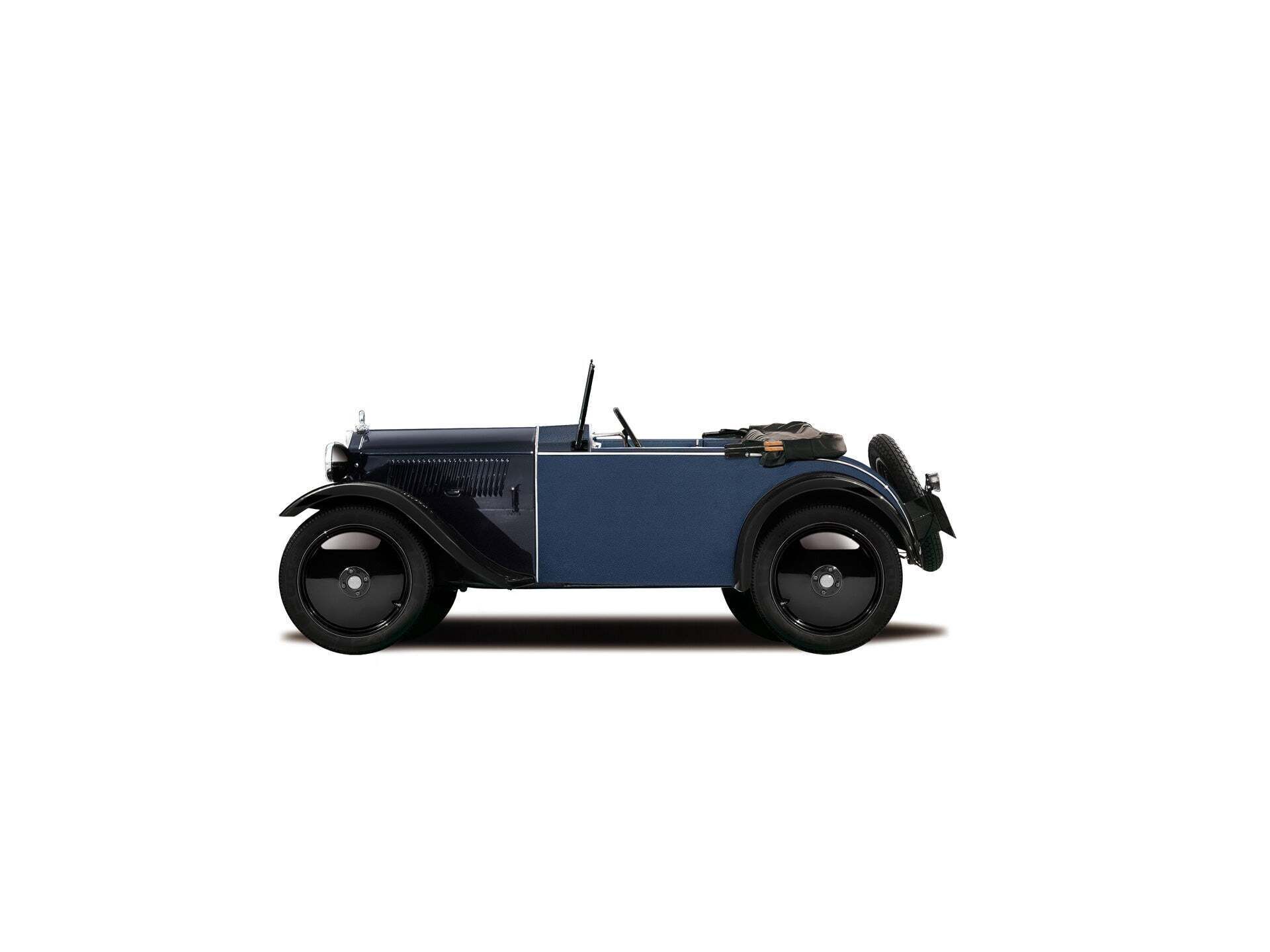
The DKW F 1 was the first mass-produced car with front-wheel drive and provided the company with a sound economic basis. It is considered a milestone in automotive history because it pioneered the front-wheel drive concept in large scale production. The combination of front-wheel drive and a two-stroke engine soon became the norm for compact cars, surviving until the 1960s.
DKW Front F 1:
- Engine: Two-stroke petrol engine, 2 inline cylinders, transversely mounted
- Displacement: 580 cm³
- Power output: 18 PS at 3,800 rpm
- Top speed: 75 km/h
- Length/width/height: 2,900/1,300/1,250 mm
- Unladen weight: 450 kg (roadster, three-seater)