Responsibility in the supply chain
As a major industrial enterprise, Audi is conscious of its responsibility for the environment and society. The globally interlinked supply chain plays a key role here. The Audi Group is continuously strengthening its measures to identify, prevent and mitigate human rights risks and environmental risks in its supply chain.
Responsibility in action
The supply chain at Audi is subject to constant change and is also highly complex because of the large number of processing steps and materials involved. The company interacts with a considerable number of direct suppliers worldwide. This entails significant responsibility, but at the same time it offers potential to reduce risks in prioritized raw material and procurement areas through defined environmental and human rights measures. Audi takes this duty seriously and requires its business partners to acknowledge and implement defined compliance, environmental and social requirements; compliance is verified on a risk-based basis, and where deviations are identified, corrective measures are initiated, including escalation procedures where necessary.
The Audi supplier network 2025
>12,300
suppliers
in 59
countries
The figures refer to the entire Volkswagen Group.
ESG engagement made measurable: more key figures from the areas of Environmental, Social and Governance can be found in the Audi Report 2025.
The most important pillars of the sustainability efforts in the supply chain

Environment
Audi develops standards that help overall to ensure compliance with environmental requirements in the supply chain.

People
Audi is continuously working to improve working conditions for people, for example when handling critical raw materials in the supply chain. Priority is given to risk-exposed areas of the supply chain and various measures implemented.

Innovation
By integrating new technologies and innovative forms of collaboration, Audi wants to advance solutions that support ecological, social and economic improvements in the supply chain.
CO₂ in the supply chain
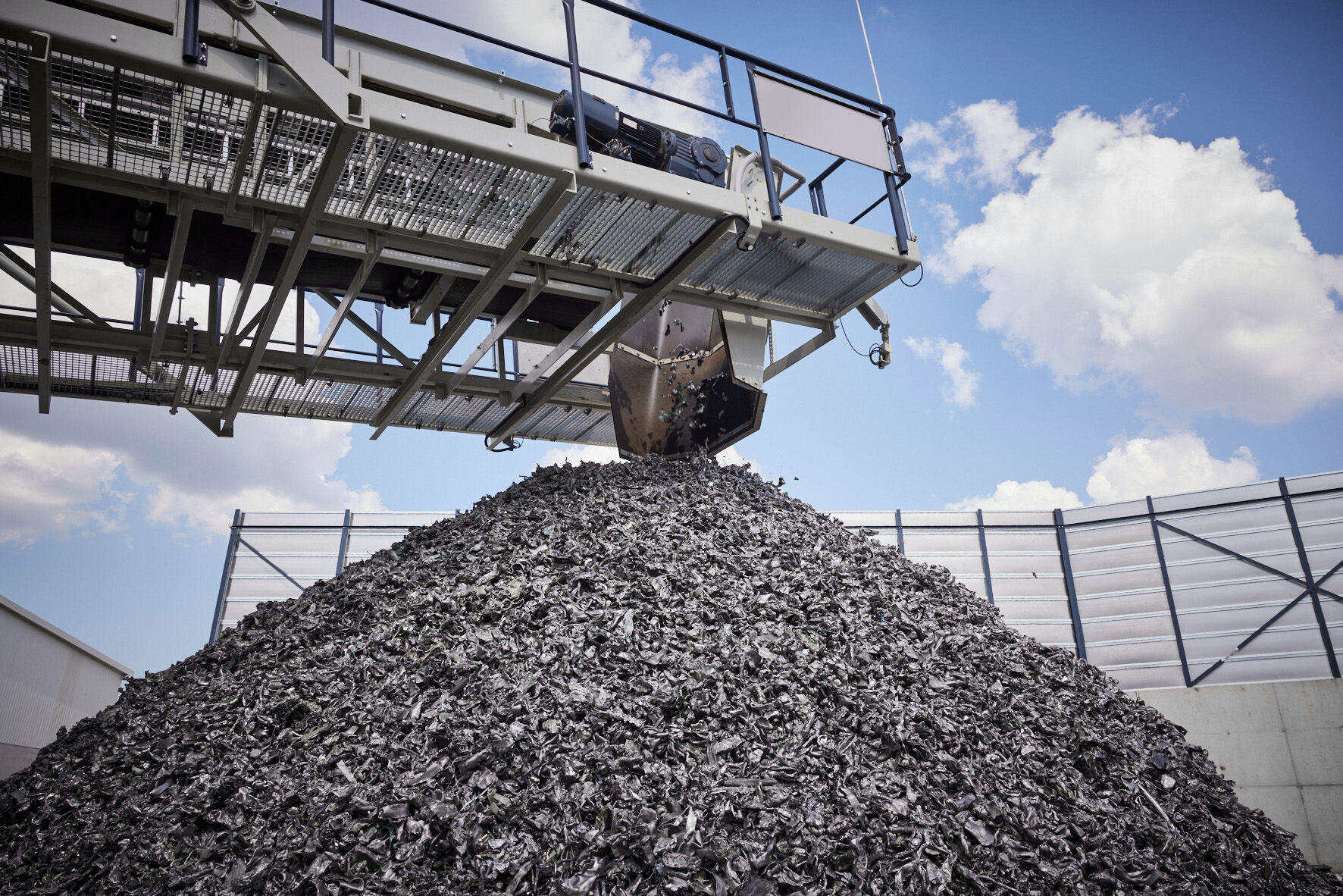
The possibilities and starting points for acting sustainably in the supply chain are as multi-layered as the supplier structure. The consistent electrification of Audi vehicles means that a large share of CO₂ emissions are generated precisely in this area. For this reason, the Audi CO₂ program was initiated in the supply chain in 2018 with the objective of systematically reducing the CO₂ footprint even before the start of vehicle production. The focus is on reducing emissions along the upstream value chain together with business partners. Key levers of the program include the increased use of green electricity, the incorporation of secondary materials and the use of low-carbon materials, including steel and aluminum. As a result, CO₂ emissions in the supply chain have been measurably reduced since 2018. In 2025 alone, the reduction exceeded 500,000 tonnes of CO₂, as confirmed by an external TÜV audit.
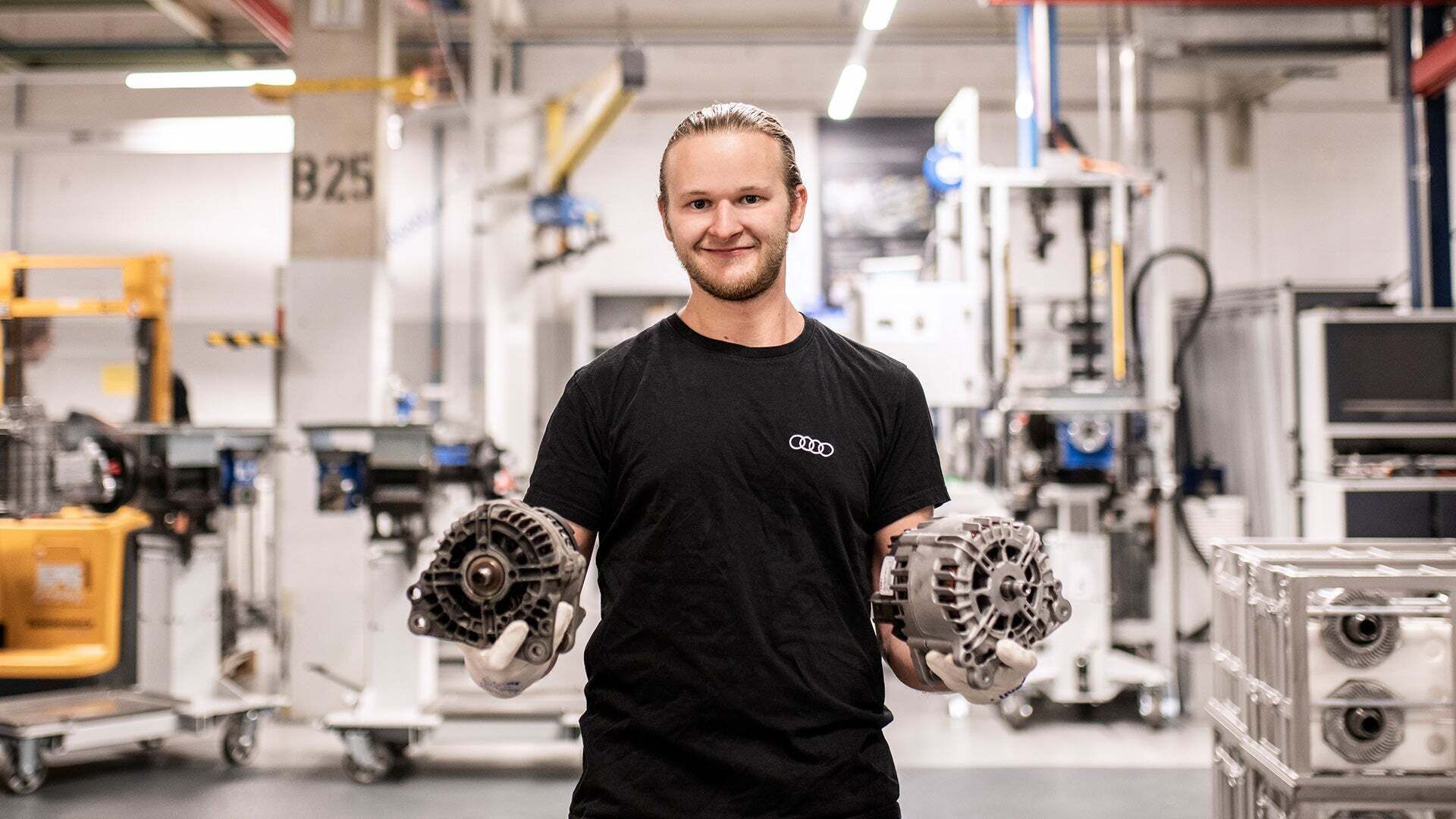
The circular economy in practice: Audi Genuine exchange parts
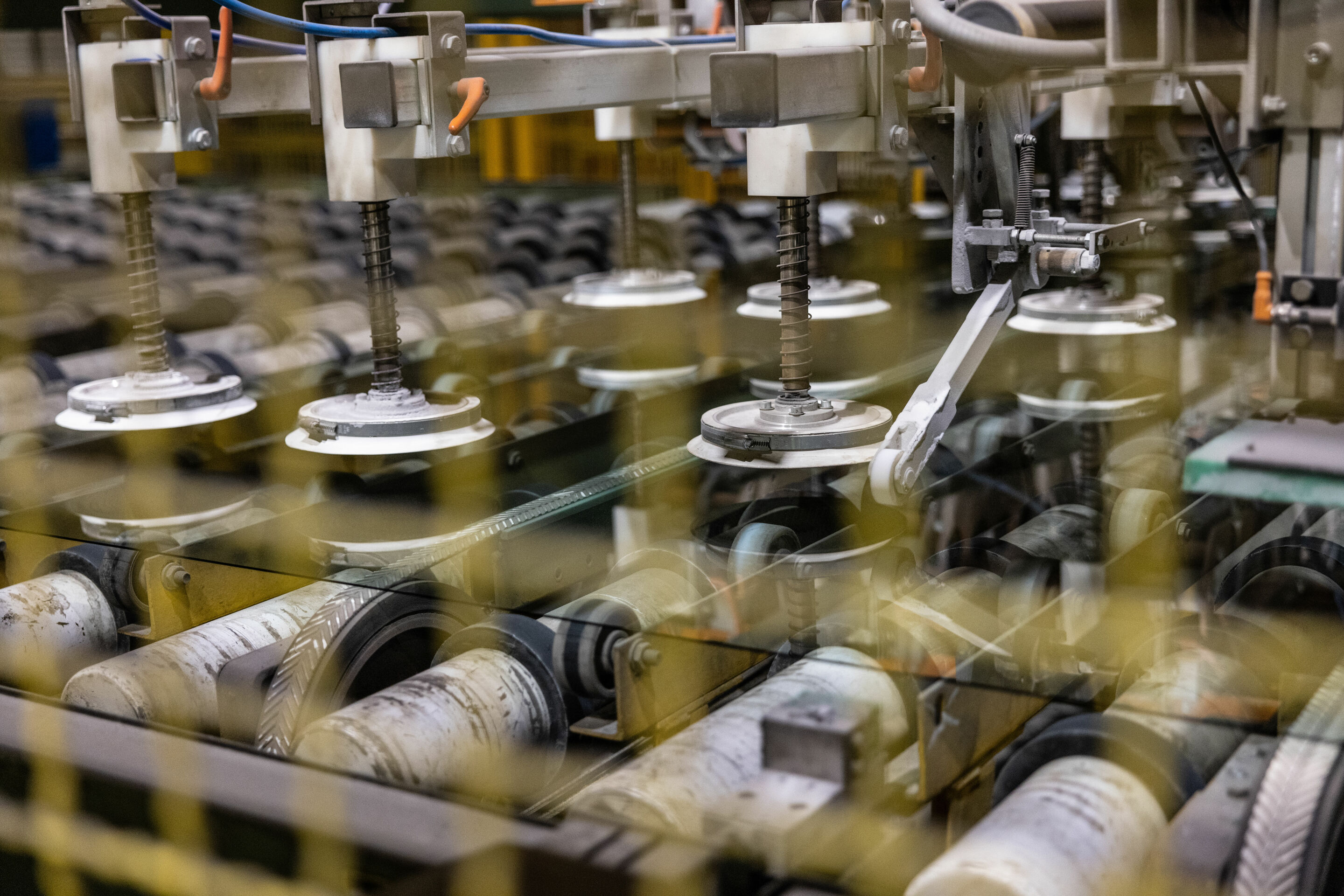
Audi Genuine Exchange Parts are a resource-saving alternative to new parts. They are an example of how AUDI AG is realizing ideas for the circular economy.
S-Rating
Since 2019, the so-called sustainability rating (S-Rating) of the Volkswagen Group has enabled Audi to check the compliance of its suppliers with the Code of Conduct for Business Partners Participation in the S-Rating is mandatory and a positive outcome is a basic prerequisite for entering into a business relationship. The individual auditing instruments of the S-Rating focus on sustainable action at the company’s sites. The S-Rating evaluation determines whether or not a site is eligible as a supplier. On a page set up specifically for this purpose, suppliers will find further information on the S-Rating, on participation and on free training offers that will help suppliers complete the process and, if necessary, improve their results. The criteria, assessment logic, prerequisites and limitations of the process are explained transparently.
Facts about the S-Rating 2025
>20,900
direct suppliers with completed self-assessment questionnaire (SAQ)
144
Number of (on-site) audits carried out in the course of the S-Rating
ESG engagement made measurable: more key figures from the areas of Environmental, Social and Governance can be found in the Audi Report 2025.
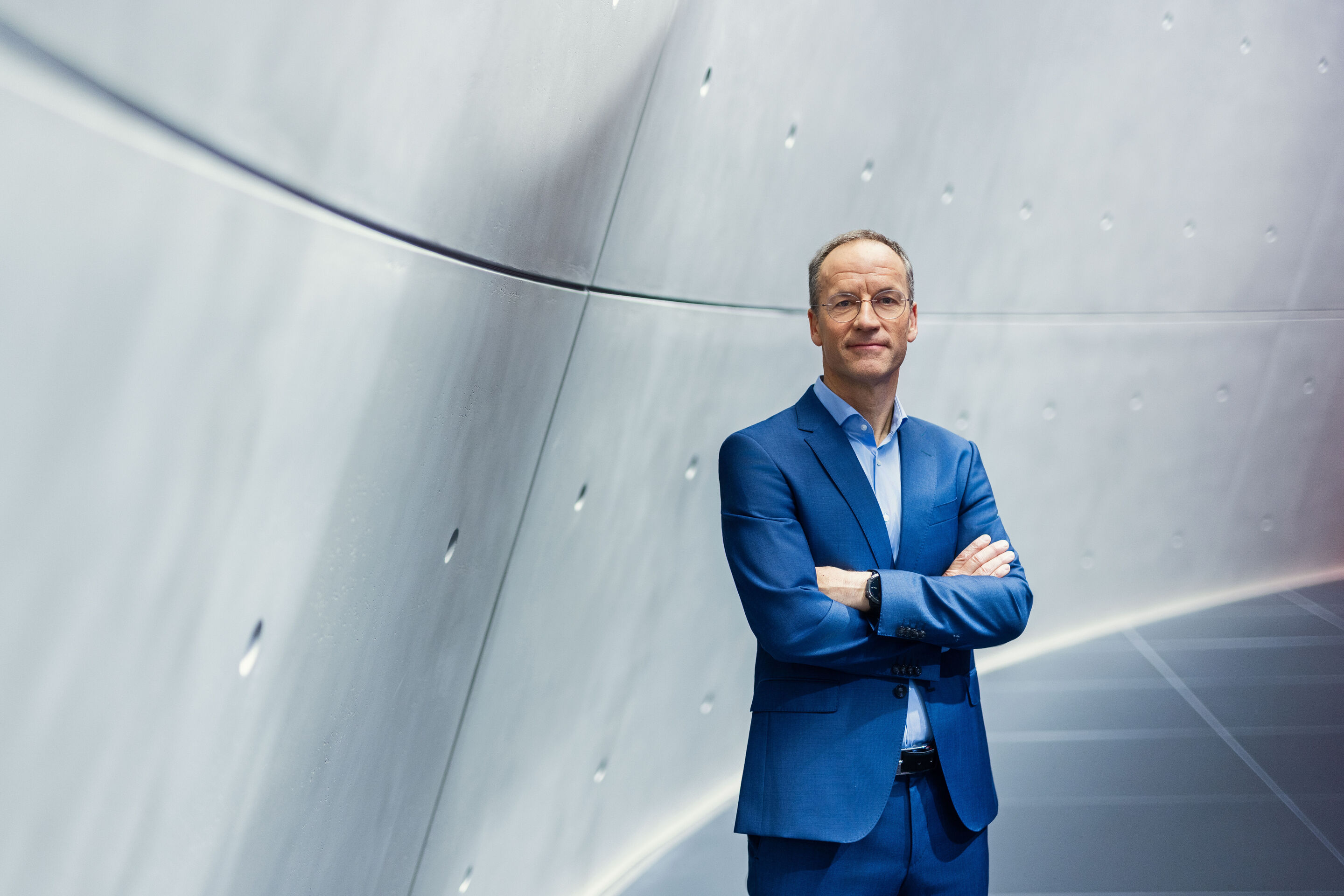
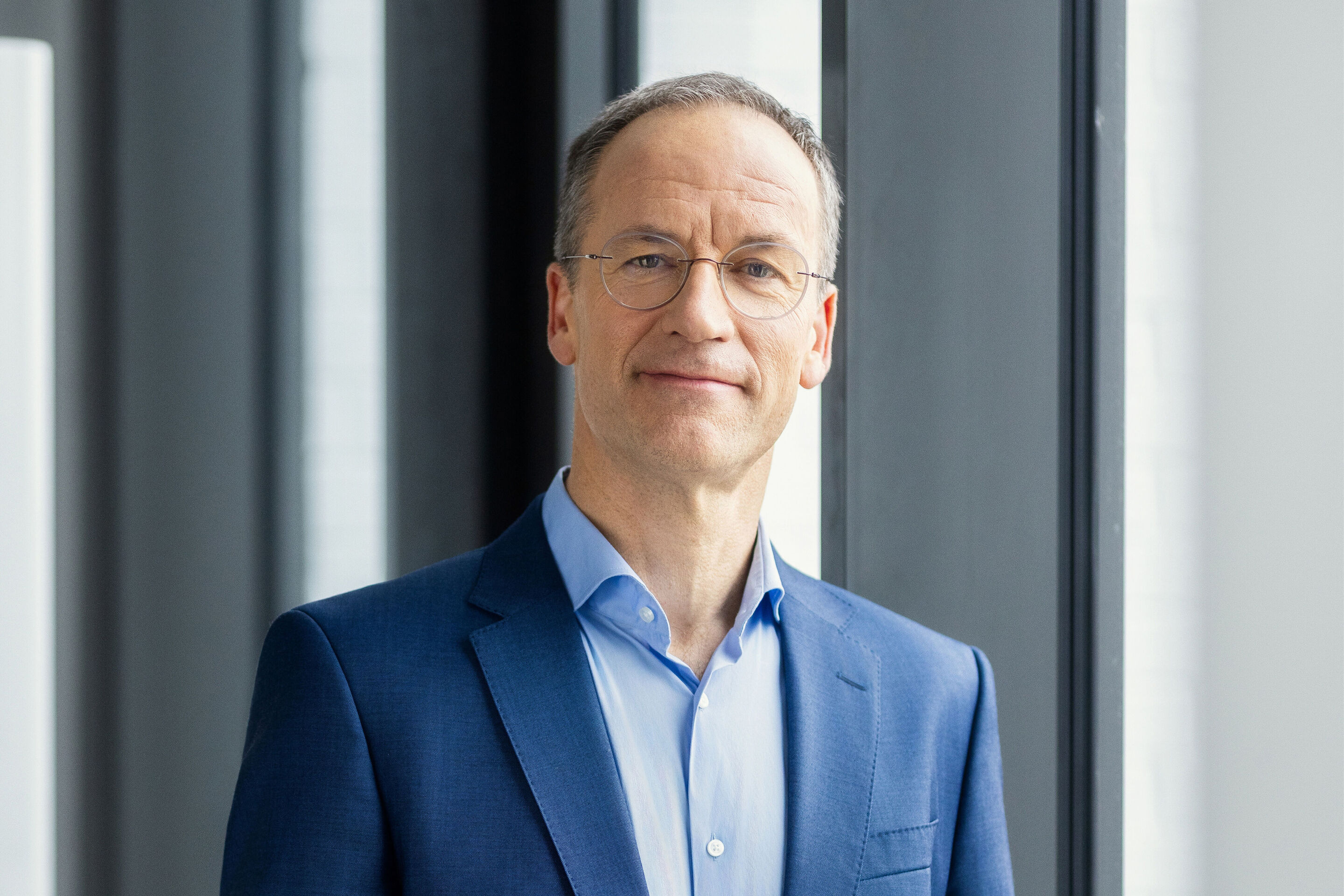
“Our goal is to work together with our suppliers in a spirit of partnership to advance sustainability and responsibility. To achieve this, we jointly implement defined action programs focused on CO₂ reduction, due diligence, and transparency.”
Michael Faust, Head of Supply Chain Sustainability

Stronger together
To foster long-term relationships with suppliers, Audi supports them not only with training on the S-Rating, but also through a broad range of training programs on the topic of sustainability.


Images


Videos