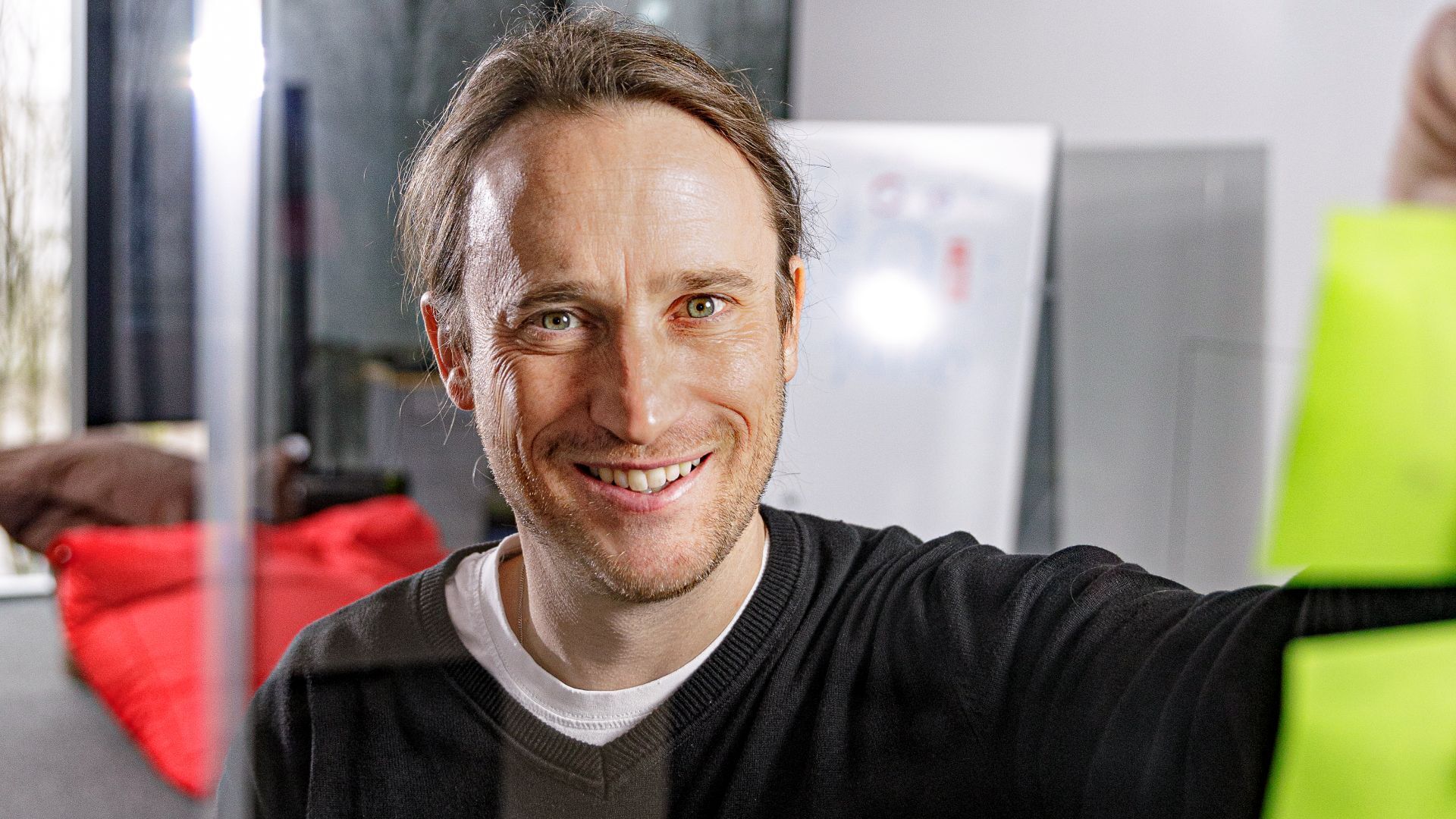
How do technology and environmental protection fit together? At the Audi Environmental Foundation, pretty well. Michael Hügel has been with Audi since 2007 and helped set up the foundation. His most important project: sparking enthusiasm for the environment, and doing so without pointing fingers.
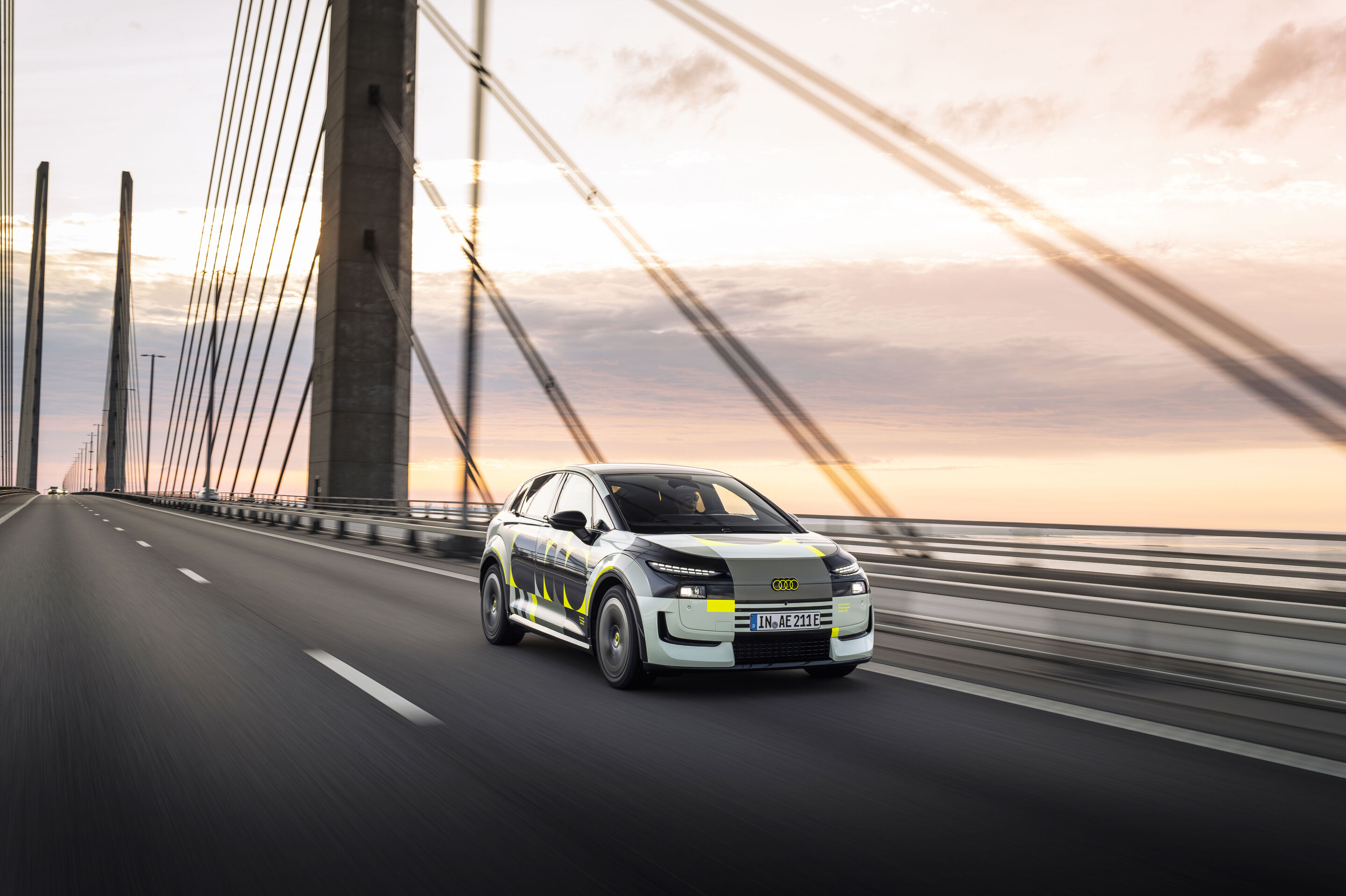
Behind every new Audi are thousands of people who contribute their knowledge, experience, and passion. They develop an initial idea into a production vehicle, test technologies, prepare production processes, and pass on their knowledge along the way. Seven stories illustrate the contributions the teams made to the all-electric Audi A2 e-tron — from aerodynamic design through development and production to retail. And they show why a vehicle like this can only succeed together.
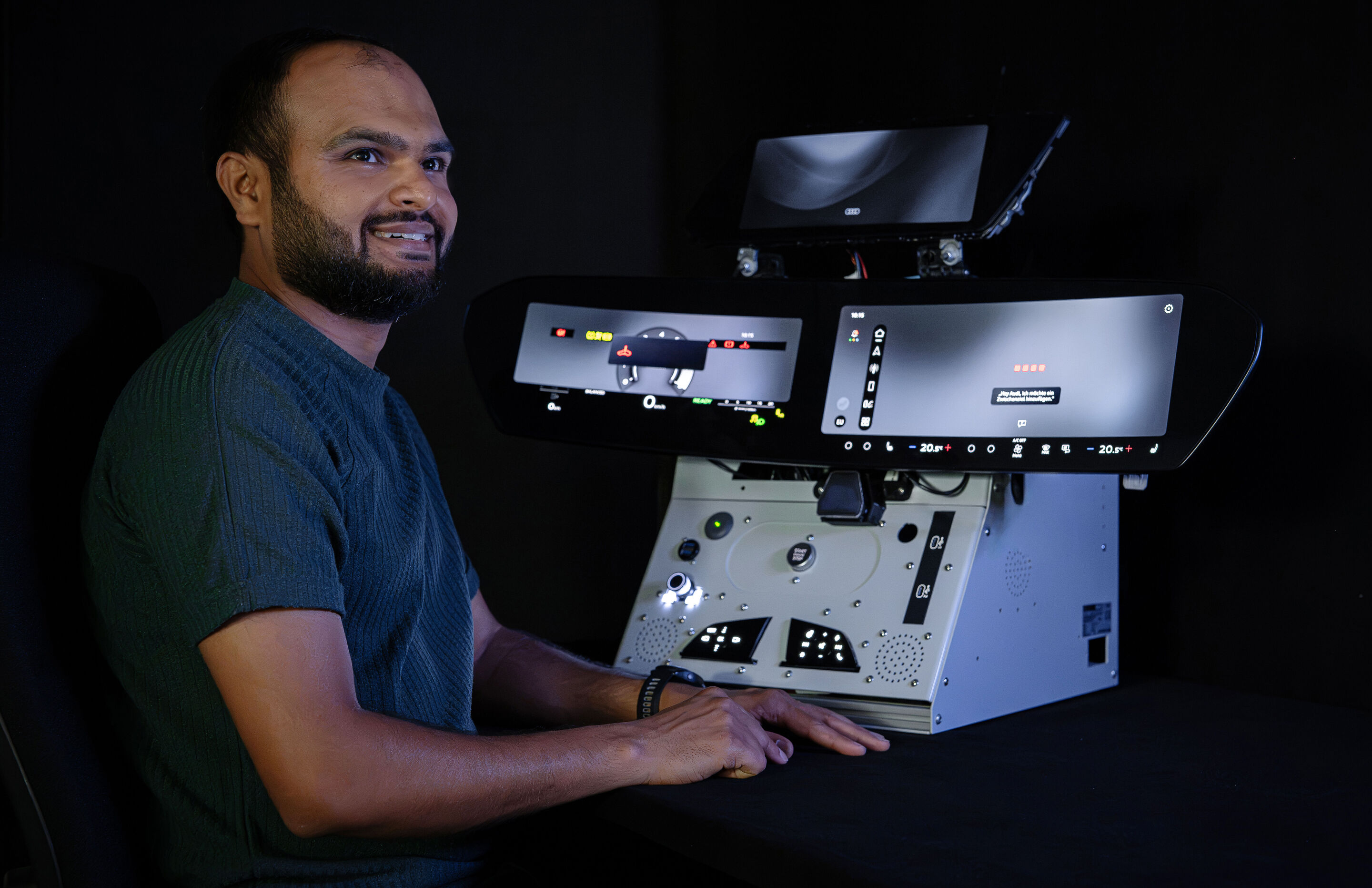
How do emerging AI technologies make their way from prototype to production vehicles? Working in pre-development for the Audi voice assistant, Chiragkumar Savani bridges the gap between emerging AI technologies and series production. In this interview, he talks about integrating ChatGPT, the hybrid architecture behind the voice assistant of Audi, and why speed, responsibility, and courage are essential when bringing AI into the car.
In the course of its supply chain management, Audi addresses environmental, social and compliance-related requirements and expectations among its business partners – particularly in the areas of human rights, occupational health and safety, environmental management and responsible business practices. Audi contractually requires its business partners to comply with the Code of Conduct for Business Partners and applies risk-based processes to verify compliance with these requirements. At the same time, Audi believes that working in partnership with its suppliers is the right way to achieve these objectives.
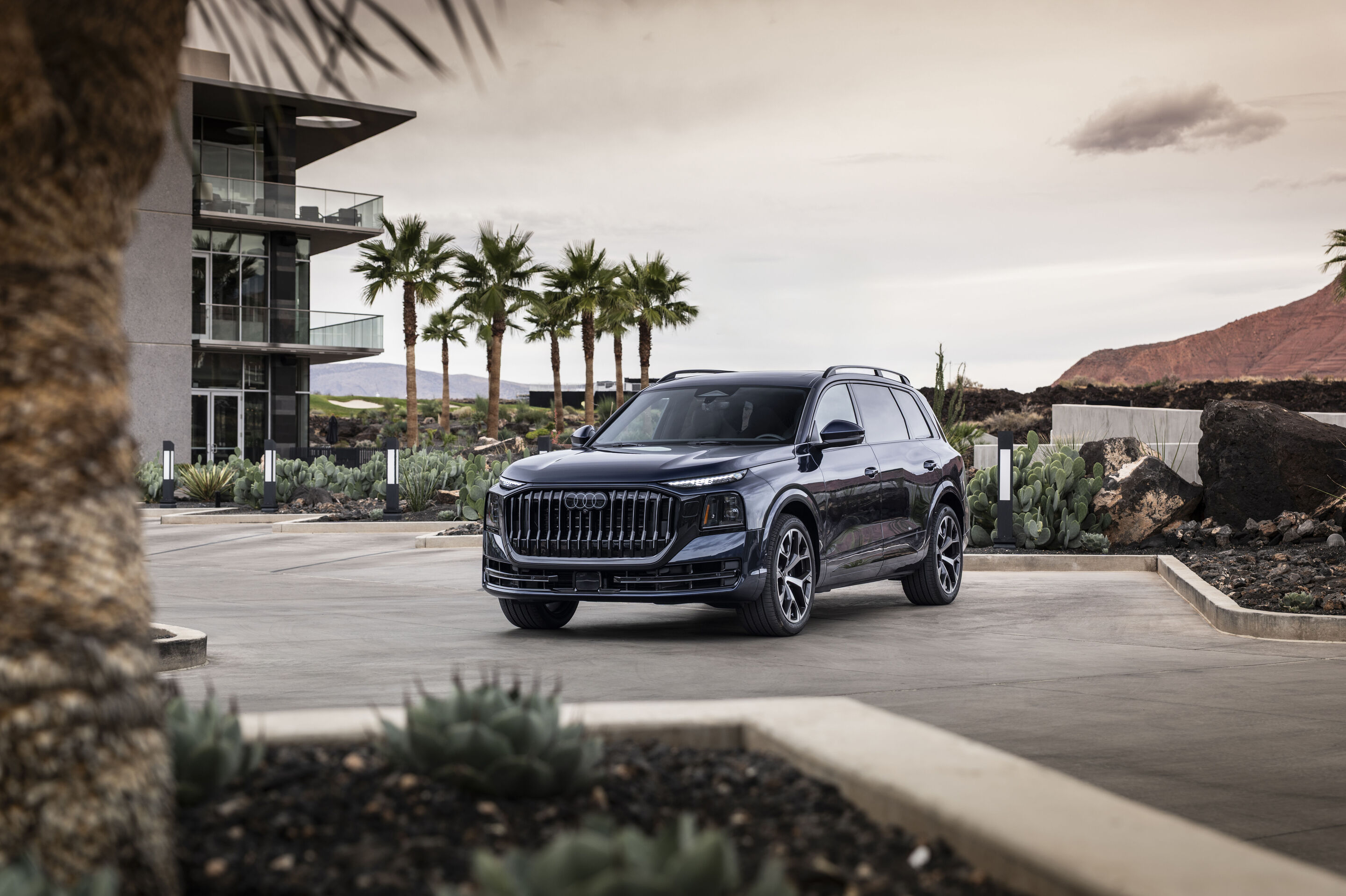
Long distances, lots of luggage, and often several people on board: everyday life in the US places special demands on an SUV. Audi developed the Q9 specifically for this market. In fact, around 80 percent of premium vehicles sold there are SUVs. Nine details show how this is reflected in the Q9.
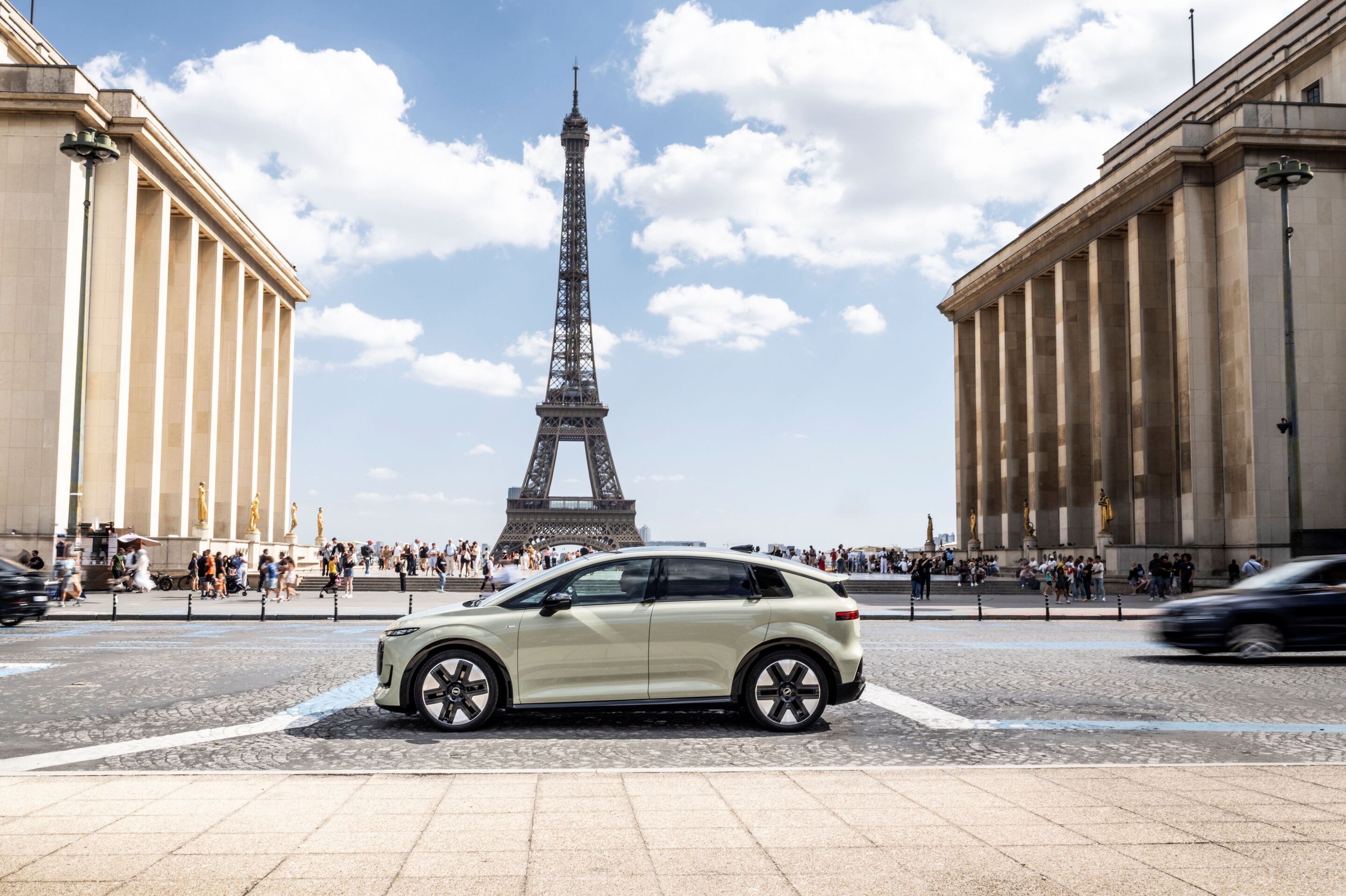
12.8 kilowatt-hours per 100 kilometers (provisional figure according to WLTP) – this electric power consumption figure makes the Audi A2 e-tron 140 kW with optional efficiency package an ideal companion for everyday use. The model places the focus on efficiency, with one clear objective: to maximize range, reducing the need for charging stops and helping customers keep energy costs low.
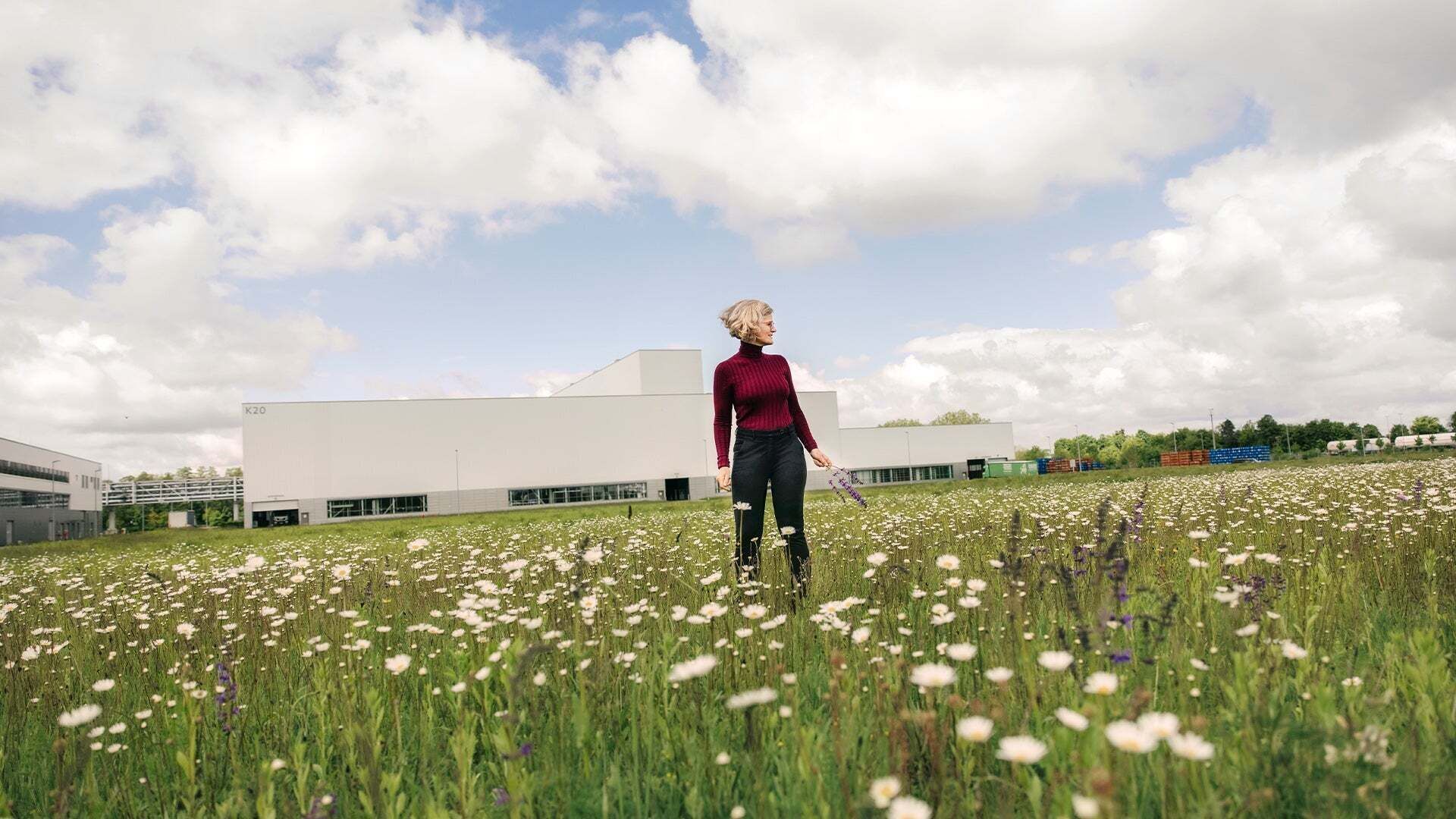
Sustainability is driven by many small but crucial projects. One example is Münchsmünster, where Audi has created a natural habitat for plant and animal species.
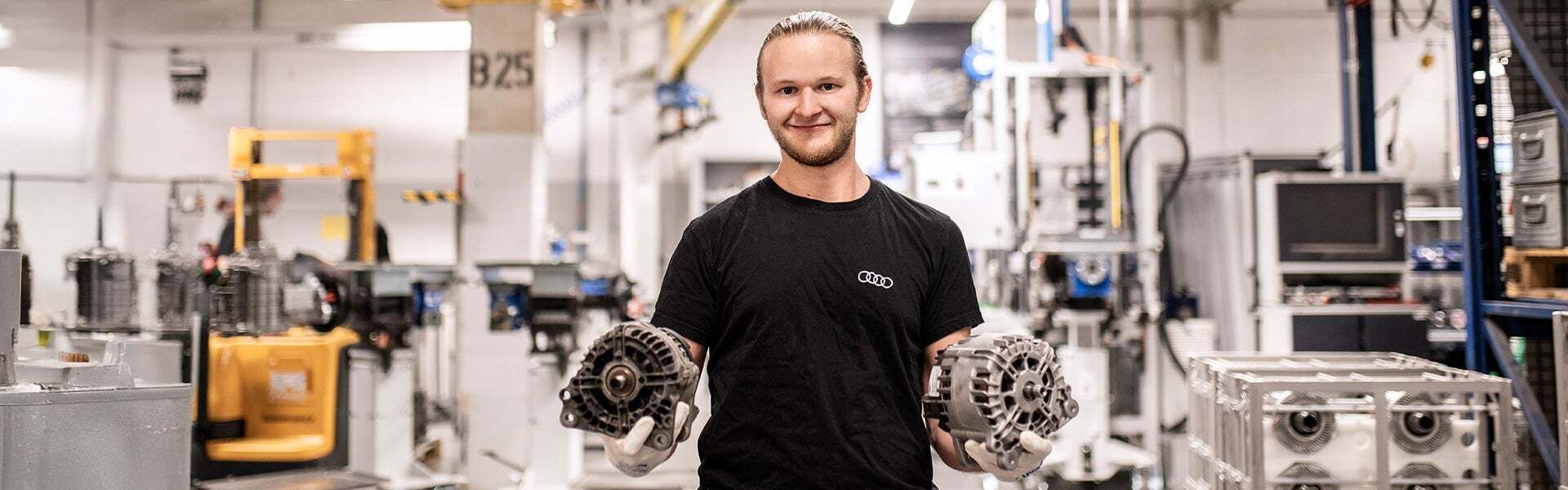
Audi Genuine Exchange Parts offer a resource-saving alternative to newly manufactured Audi Genuine Parts for selected components. They are an example of how AUDI AG is turning ideas for the circular economy into reality.
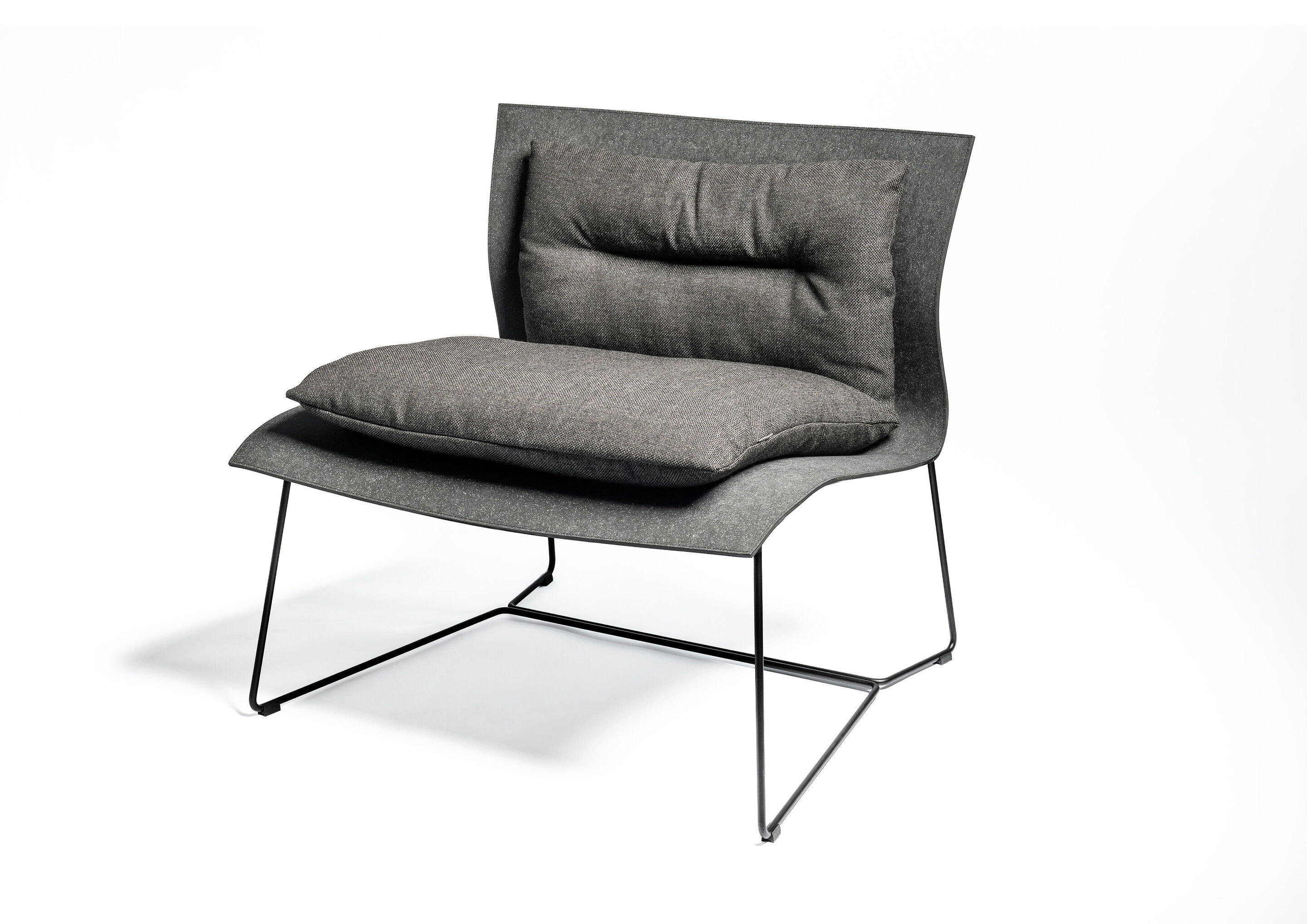
How can materials be used for as long as possible? Audi addresses this issue not only in the context of vehicle development, but also in other areas of the company. At Audi Sales, a furniture project demonstrates how existing products can be further developed in line with the principles of the circular economy.